
 Bitcoin
  Ethereum
  Tether
  BNB
BNB  XRP
XRP  USDC
USDC  Solana
  TRON
TRON  Lido Staked Ether
  Figure Heloc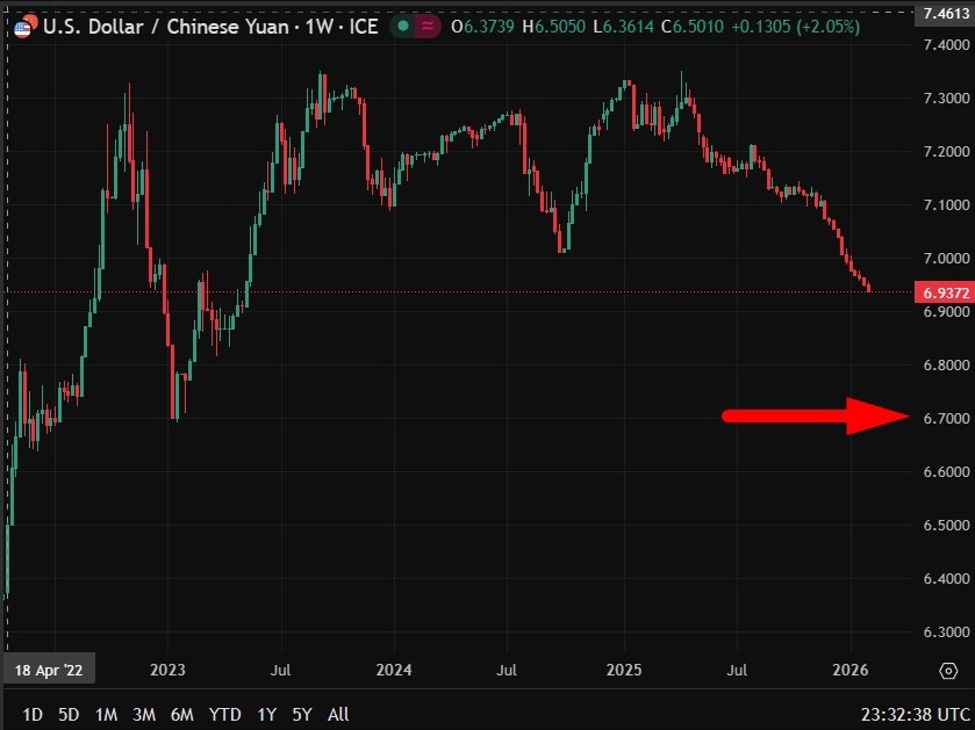
Earlier:PBOC to inject 800 billion yuan via three-month reverse repo operationYuan seen rising in 2026, but China signals resistance to rapid gainsThe PBOC allows the yuan to fluctuate within a +/- 2% range, around this reference rate. Previous close 6.9397Injects 75bn yuan in 7day RRs @ 1.4% This article was written by Eamonn Sheridan at investinglive.com. 🔗 Source 💡 DMK Insight The PBOC’s recent 800 billion yuan injection is a clear signal of its intent to stabilize the yuan amidst market fluctuations. With the previous close at 6.9397, traders should note the central bank’s resistance to rapid gains, which could limit the yuan’s upside potential. The 2% fluctuation range indicates that while there’s room for movement, the PBOC is likely to intervene if the yuan approaches either extreme. This action could impact forex pairs involving the yuan, particularly USD/CNY, as traders adjust their positions based on perceived central bank support. Watch for any shifts in sentiment around the yuan as we approach 2026, when projections suggest a stronger yuan, but the PBOC’s current stance may dampen those expectations in the short term. Keep an eye on the 7-day reverse repo rate at 1.4% as a potential indicator of liquidity conditions, which could influence market volatility in the coming weeks. 📮 Takeaway Monitor USD/CNY closely; the PBOC’s interventions suggest limited upside for the yuan in the near term, especially with the current rate at 6.9397.
Nomura sees BoJ rates rising to 1.5% by 2027, with hawkish risks beyond
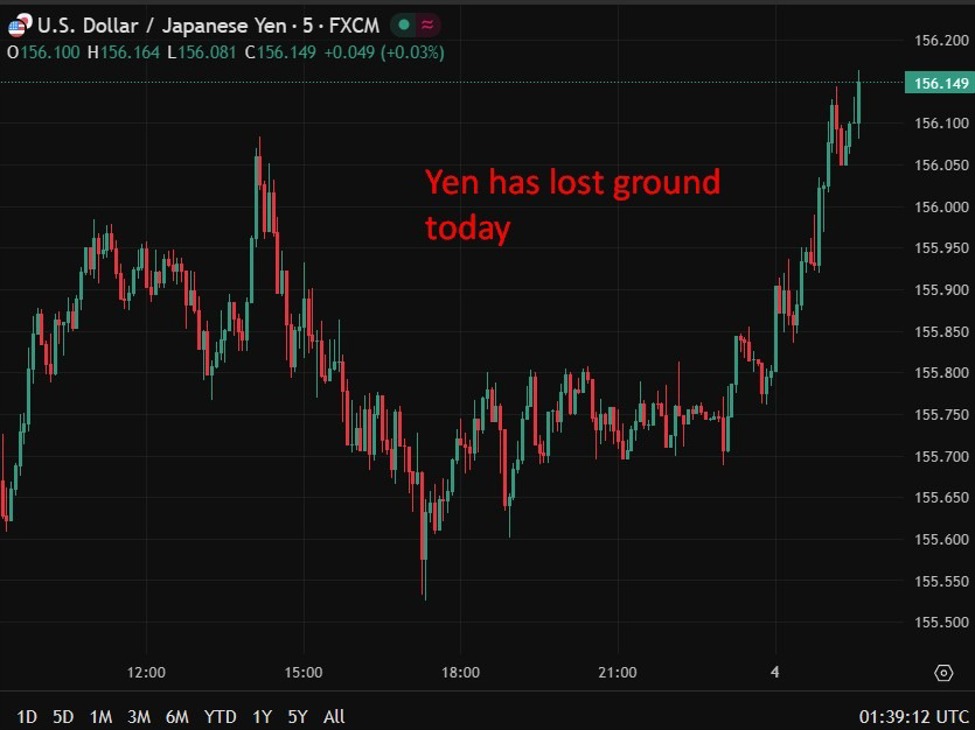
Nomura sees Japan’s rate cycle extending into 2027, with risks tilted toward a higher terminal rate.Summary:Nomura sees a high probability of further BoJ tightening through 2027Base case assigns 60% odds to three rate hikes by mid-2027Policy rate would rise to 1.50%, the highest level since 1995A hawkish scenario sees four hikes, lifting rates to 1.75%Inflation persistence and wage dynamics are key swing factorsNomura expects the Bank of Japan to continue its gradual policy normalisation over the coming years, assigning a 60% probability to a scenario in which the central bank delivers three additional rate hikes by mid-2027. Under this base case, the BoJ’s policy rate would rise from the current 0.75% to 1.50%, marking the highest level since 1995 and a decisive break from Japan’s long era of ultra-loose monetary policy.In Nomura’s central scenario, the tightening cycle unfolds at a measured pace, with rate increases pencilled in for June 2026, December 2026 and June 2027. This path reflects the view that underlying inflation pressures will remain sufficiently firm to justify further normalisation, while the BoJ remains cautious about tightening too quickly given Japan’s sensitivity to higher borrowing costs and global growth risks.The forecast assumes that wage growth continues to improve gradually, supported by tight labour market conditions and structural labour shortages, while inflation remains anchored above levels consistent with policy neutrality. However, Nomura does not expect a rapid or front-loaded hiking cycle, arguing that the BoJ will prioritise financial stability and avoid destabilising bond markets or triggering excessive yen volatility.Alongside its base case, Nomura outlines a more hawkish alternative scenario, assigning it a 40% probability. In this outcome, the BoJ delivers four rate hikes by the end of 2027, lifting the policy rate to 1.75%, a level last seen in 1993. This scenario would likely require stronger and more persistent inflation dynamics, firmer wage gains, and a clearer signal that Japan’s economy can withstand higher interest rates without stalling growth.Nomura’s analysis highlights the growing asymmetry in BoJ risks. While downside risks still exist, particularly from global demand and financial conditions, the balance has shifted toward the possibility of higher terminal rates if domestic inflation proves more resilient than expected. As such, markets may need to increasingly price the risk that Japan’s policy rate ultimately settles higher than previously assumed. This article was written by Eamonn Sheridan at investinglive.com. 🔗 Source 💡 DMK Insight Nomura’s forecast of Japan’s rate hikes through 2027 is a game-changer for forex traders. With a 60% probability of three rate hikes by mid-2027, the Bank of Japan’s policy rate could hit 1.50%, the highest since 1995. This shift signals a significant departure from the ultra-loose monetary policy that has characterized Japan for decades. Traders should watch the USD/JPY pair closely; a stronger yen could emerge as the BoJ tightens, impacting export-driven stocks and potentially leading to volatility in related markets. The hawkish outlook could also ripple through Asian currencies, prompting shifts in capital flows. Keep an eye on the 1.50% level as a psychological barrier; if the market starts pricing in these hikes, we could see a stronger yen and a weaker dollar in the near term. The real story is how this could affect global risk sentiment, especially if other central banks follow suit. Watch for any comments from BoJ officials for clues on timing and magnitude of these hikes. 📮 Takeaway Monitor the USD/JPY pair closely; a shift towards 1.50% could strengthen the yen and impact global markets significantly.
China services PMI rises to three-month high as demand and hiring improve
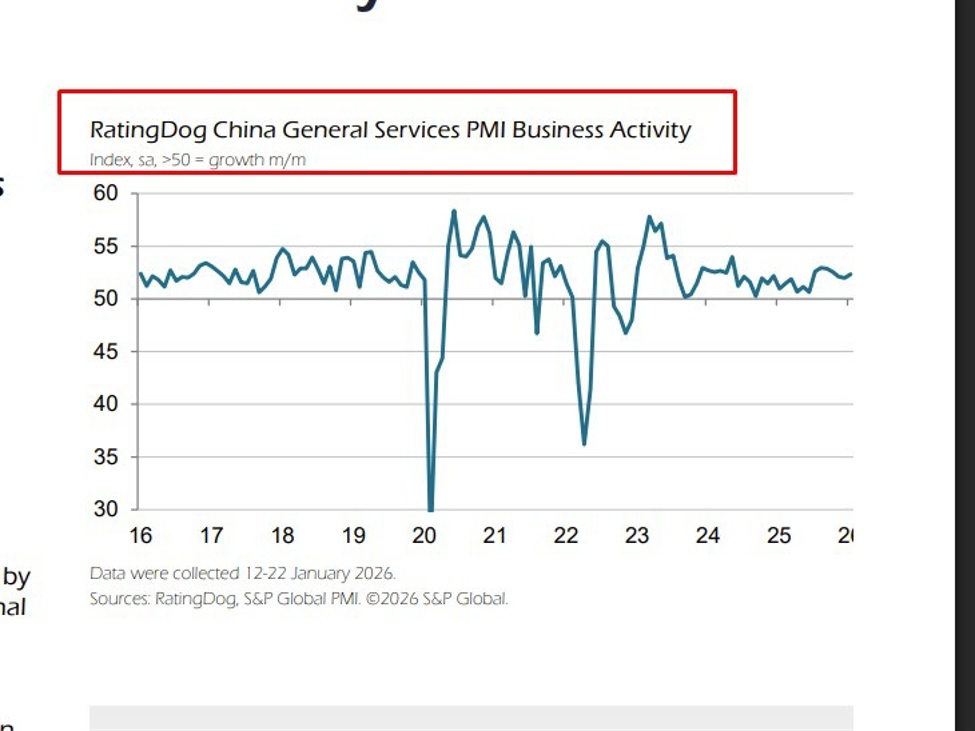
China’s services sector started 2026 on firmer footing, though confidence remains cautious despite easing cost pressures.Via private survey RatingDog / S&P Global.Summary:China’s services sector accelerated to a three-month growth high in JanuaryNew business and export orders strengthened at the start of 2026Employment rose for the first time in six monthsCost pressures eased, while selling prices stabilisedBusiness confidence softened despite improved activityChina’s services sector gained momentum at the start of 2026, with business activity expanding at its fastest pace in three months as demand conditions improved both domestically and overseas. The latest PMI data showed a modest but broad-based acceleration, underpinned by stronger new orders and a return to growth in export-related business.The Services Business Activity Index edged higher to 52.3 in January from 52.0 in December, remaining firmly above the 50 threshold that separates expansion from contraction. This extended the current run of growth in China’s services sector to just over three years and signalled a stable start to the year.The improvement was driven primarily by faster growth in new business, with firms citing successful promotions, stronger client interest and new product launches as key supports. External demand also improved, with new export orders returning to expansion after contracting late last year, marking the second rise in overseas demand in the past three months.Stronger inflows of new work fed through to employment. Service-sector staffing levels rose for the first time since July, although the increase was modest and marked only the fourth instance of employment growth over the past year. The rise in labour supply helped prevent a sharper build-up in backlogs, with outstanding business continuing to increase only marginally despite quicker order growth.Price dynamics were more favourable. Input costs continued to rise, driven mainly by higher fuel and purchased item prices, but the pace of cost inflation eased to a five-month low. At the same time, output prices were broadly unchanged, suggesting some relief in downstream pricing pressures and limited ability or willingness among firms to pass costs on to customers.At the broader economy level, the Composite Output Index rose to 51.6 from 51.3, pointing to a modest acceleration in overall business activity across both services and manufacturing. New orders at the composite level strengthened, supported again by improved export demand, while staffing levels increased to help work through outstanding business. Notably, composite output prices rose for the first time in more than a year, reflecting stabilising margins amid easing cost pressures. Despite firmer activity, business sentiment softened. While firms remain broadly optimistic about growth over the coming year, confidence dipped below its 2025 average as concerns about the global economic outlook weighed on expectations. Looking ahead, seasonal support from the extended Spring Festival holiday may lift consumer-facing services, though producer services could see a temporary lull, leaving the recovery dependent on sustained domestic demand. This article was written by Eamonn Sheridan at investinglive.com. 🔗 Source 💡 DMK Insight China’s services sector showing growth is a double-edged sword for traders right now. While the three-month growth high in January signals potential recovery, the cautious confidence suggests underlying vulnerabilities. New business and export orders are up, which could indicate a rebound in demand, but the market’s reaction might be muted due to lingering cost pressures. Traders should keep an eye on related markets, especially commodities and currencies tied to China’s economic performance. If employment continues to rise, it could bolster consumer spending, impacting sectors like luxury goods and tech. However, any signs of renewed cost pressures could quickly shift sentiment. Watch for key economic indicators in the coming weeks, particularly any shifts in export data or consumer confidence metrics, as these will be pivotal in shaping market expectations. The flip side here is that if the services sector falters again, it could lead to a broader market pullback, especially in equities linked to Chinese growth. Keep an eye on the 50-day moving average for major indices as a potential support or resistance level. 📮 Takeaway Monitor China’s employment and export data closely; a sustained rise could signal broader market recovery, while any setbacks may trigger volatility.
Markets cautious on Warsh-led Fed outlook as rate pricing holds steady
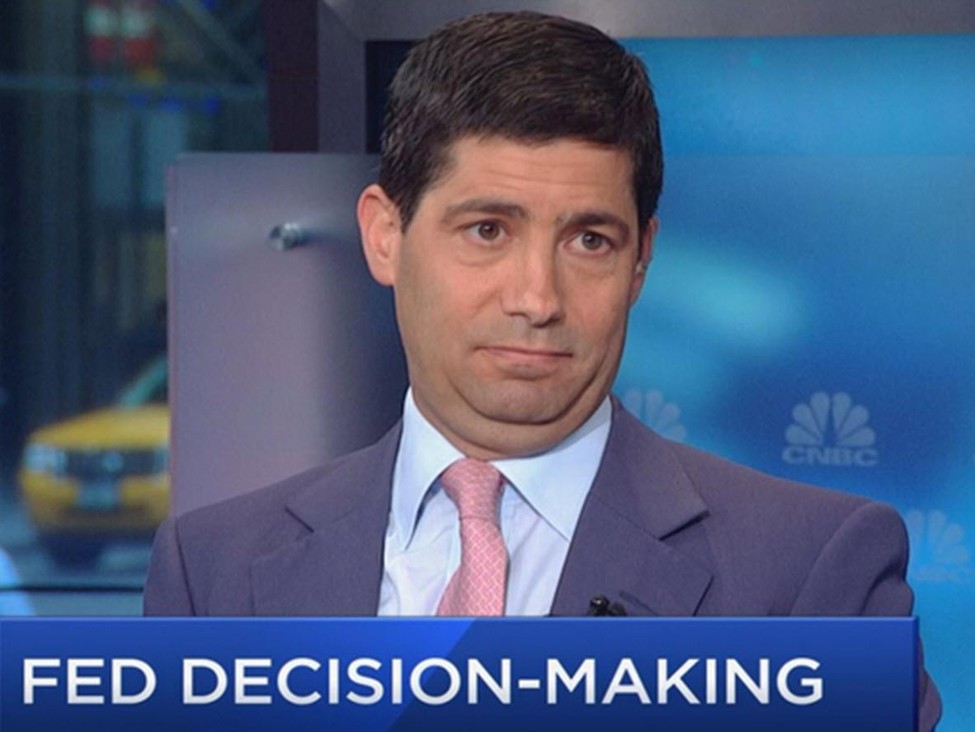
Views are mixed on a Warsh-led Fed, with rate pricing steady but conviction limited.Summary:Investor views on a Warsh-led Fed remain mixed rather than uniformSome participants see scope for a dovish narrative centred on productivity gainsFed funds futures continue to imply two cuts this year, though conviction appears limitedWarsh is widely viewed as institutionally credible and independence-mindedBalance sheet reduction and mandate discipline seen as likely prioritiesNews that Kevin Warsh is to be nominated as the next Federal Reserve chair, replacing Jerome Powell when his term ends in May, has not triggered a decisive shift in market pricing. Instead, investor responses appear fragmented, with no clear consensus emerging around how a Warsh-led Fed would ultimately steer monetary policy.Among some investors, there is an assumption that Warsh could seek to frame policy in a way that allows for eventual easing, leaning on the argument that productivity gains linked to artificial intelligence may help contain inflation pressures over time. This line of thinking suggests inflation could continue to moderate without the need for persistently restrictive interest rates. However, this view is far from universal and appears to coexist with more cautious interpretations of his policy leanings.Despite that divergence, rate futures continue to reflect expectations for two Federal Reserve rate cuts this year, a configuration that has been largely unchanged for several months. Rather than signalling strong conviction, this stability may indicate that investors are not yet prepared to reprice the outlook aggressively in response to leadership speculation alone.Warsh is sometimes characterised as less overtly dovish than some alternative candidates, but he is generally regarded as a credible figure within policy circles. His prior interactions with Federal Reserve officials have reinforced the perception that he would respect institutional norms and avoid actions that could undermine the central bank’s independence. That assessment has helped temper, though not eliminate, concerns that a leadership change under Donald Trump could weaken the Fed’s credibility.As a result, some earlier fears around political interference appear to have eased at the margin, even as uncertainty remains. Expectations are also forming that a Warsh-led Fed would place greater emphasis on balance sheet reduction and a tighter interpretation of the Fed’s mandate, focusing more narrowly on inflation control and financial stability.Overall, the potential leadership transition is being treated cautiously rather than conclusively. While parts of the market appear comfortable with continuity, others remain unconvinced, leaving pricing steady but fragile as investors await clearer policy signals. This article was written by Eamonn Sheridan at investinglive.com. 🔗 Source 💡 DMK Insight The uncertainty around a potential Warsh-led Fed is creating a mixed sentiment in the markets right now. With Fed funds futures suggesting two rate cuts this year, traders are grappling with the implications of a dovish narrative that could stem from productivity gains. However, the lack of strong conviction among investors indicates that volatility could spike as market participants react to any new data or Fed communications. If Warsh’s leadership leans towards a more dovish stance, we might see a shift in asset allocations, particularly in sectors sensitive to interest rates like tech and real estate. Keep an eye on the 10-year Treasury yield, as any significant movement could signal broader market reactions. On the flip side, if the Fed maintains a hawkish tone, expect pressure on equities and a potential strengthening of the dollar. Traders should monitor economic indicators closely, especially productivity reports and inflation data, as these will be crucial in shaping the Fed’s narrative and market sentiment moving forward. 📮 Takeaway Watch for economic indicators and Fed communications; a dovish shift could impact tech and real estate sectors significantly.
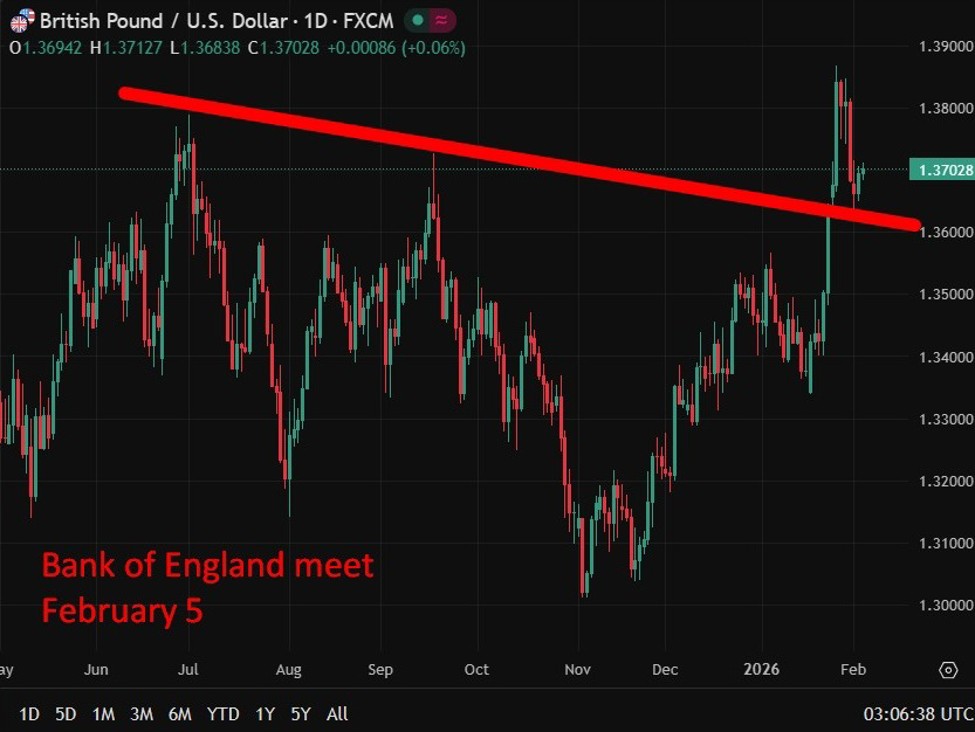
Bank of England set to hold rates February 5 as inflation cools but wage risks linger
The BoE is set to hold rates steady, with messaging and the vote split key to near-term market reaction.Summary:Bank of England expected to keep Bank Rate unchanged at 3.75%Inflation set to fall sharply, but wage growth remains a concernGuidance likely to stay vague and data-dependentVote split and tone seen as more important than the decisionMarkets have pared back expectations for rate cuts this yearThe Bank of England is widely expected to leave policy unchanged when it announces its February decision on Thursday February 5, with Bank Rate likely to remain at 3.75%. With a rate cut delivered just before Christmas and inflation dynamics still uneven, policymakers appear in no rush to accelerate easing.While headline inflation is expected to fall sharply in coming months and move closer to the 2% target, underlying pressures continue to complicate the outlook. Services inflation and wage growth remain elevated, leaving parts of the Monetary Policy Committee uneasy about declaring victory. As a result, guidance is expected to remain deliberately non-specific, reinforcing a data-dependent approach rather than offering firm signals on the timing or scale of future cuts.The vote split will be closely watched. A narrow or divided outcome would suggest the committee is edging closer to further easing, even if policy is left unchanged. Conversely, a more unified vote to hold rates steady would point to continued discomfort around domestic inflation pressures, particularly in the labour market, and a willingness to keep policy restrictive for longer.Market pricing reflects this uncertainty. Expectations for rate cuts this year have been scaled back materially, with investors now attaching a low probability to near-term easing. This repricing reflects not only domestic inflation concerns but also changing global dynamics, including firmer economic momentum in the UK and a reassessment of the likely pace of policy easing in the United States.Updated economic projections are unlikely to show major changes from the Bank’s previous forecasts, which already pointed to inflation hovering around target over the medium term. Policymakers are also expected to remain alert to external risks, including geopolitical uncertainty and shifts in global financial conditions, even if recent market reactions have been muted.For markets, the focus will be on messaging rather than mechanics. Any subtle shift in language around wages, labour-market slack or financial conditions could shape expectations for when the next move might come, even as the Bank keeps its options firmly open. This article was written by Eamonn Sheridan at investinglive.com. 🔗 Source 💡 DMK Insight The BoE’s decision to hold rates at 3.75% is crucial for traders navigating the GBP market right now. With inflation projected to drop but wage growth still a concern, the central bank’s messaging will be key. A split vote could signal internal divisions, which might lead to increased volatility in GBP pairs. Traders should watch for any hints of future rate hikes or cuts, as this could impact the broader forex market, especially against the USD. If the BoE maintains a vague guidance, it could keep traders on edge, leading to potential swings in GBP/USD and GBP/EUR. Keep an eye on the upcoming economic data releases, as they could sway the BoE’s stance and influence market sentiment significantly. 📮 Takeaway Watch for the BoE’s vote split and guidance tone; any shifts could lead to volatility in GBP pairs, especially GBP/USD and GBP/EUR.
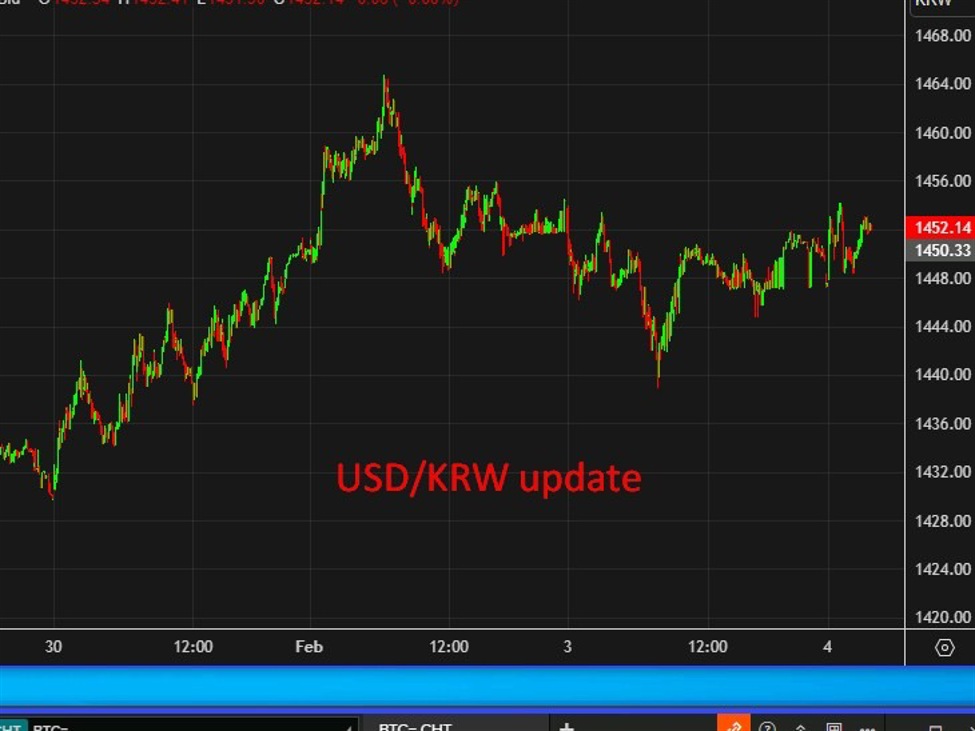
South Korea’s won firms as pension fund weighs dollar bond issuance
The won steadied as plans for NPS dollar bond issuance raised hopes of reduced FX pressure.Summary:South Korea’s won pared losses after reports the NPS may issue dollar bondsPension fund aims to diversify funding amid FX volatilityDollar bond issuance could ease pressure on the wonReview of FX hedging strategy now under wayAuthorities step up coordination on currency stabilitySouth Korea’s currency trimmed earlier losses after reports that the National Pension Service is moving closer to issuing foreign-currency bonds, a step seen as potentially easing pressure on the won amid persistent exchange-rate volatility. The comments marked the first time a government official has publicly outlined a possible timeline for the fund’s unprecedented entry into offshore debt markets.Officials indicated the pension fund hopes to begin issuing dollar-denominated bonds by the end of this year, subject to swift legislative changes. The move forms part of broader efforts to diversify funding sources and better manage foreign exchange exposure at the world’s third-largest pension fund, which oversees assets of nearly 1.44 quadrillion won.The won has fallen around 7% against the dollar since mid-2025, creating challenges for both policymakers and institutional investors. Currency weakness has complicated South Korea’s overseas investment plans and increased sensitivity around capital outflows. In response, the pension fund has been actively selling dollars in the FX forwards market to support the currency, a strategy that has drawn growing attention from markets. — Dollar bond issuance by the National Pension Service would allow the fund to raise foreign currency directly, reducing the need to convert won into dollars when investing abroad. This can lessen immediate demand for dollars in the spot market, helping stabilise the won. In addition, borrowing against existing overseas assets provides funding flexibility without triggering fresh FX outflows, a dynamic that markets typically view as currency-supportive.Officials also signalled that the fund is reviewing its longer-term currency hedging framework. While FX hedging has so far been conducted flexibly rather than mechanically, authorities acknowledged that a reassessment is needed to ensure the strategy remains effective as market conditions evolve. Hedging operations have involved selling dollar forwards to increase dollar supply and slow the pace of won depreciation.The potential bond issuance mirrors approaches used by other large global pension funds, including Canada’s, and would likely be capped as a proportion of the fund’s overseas investment exposure. Alongside this, asset allocation targets have been adjusted to slightly reduce overseas equity exposure while lifting domestic equity weightings, reflecting sensitivity to currency conditions.A new four-way consultative body involving the finance ministry, welfare ministry, central bank and pension fund is set to meet this week to coordinate responses to market volatility. For now, the prospect of offshore issuance has offered some near-term relief for the won, even as broader currency pressures remain tied to global dollar dynamics. This article was written by Eamonn Sheridan at investinglive.com. 🔗 Source 💡 DMK Insight The South Korean won is showing resilience as the National Pension Service (NPS) considers issuing dollar bonds, and here’s why that matters: This potential issuance could significantly alleviate the recent FX pressure on the won, which has been under strain due to global economic uncertainties and local market volatility. By diversifying its funding sources, the NPS aims to stabilize the won, which traders should watch closely. If the dollar bond issuance goes through, it could lead to a stronger won in the short term, impacting currency pairs like USD/KRW. Traders should keep an eye on the won’s performance against the dollar, especially if it breaks key resistance levels. However, there’s a flip side: if the issuance fails to materialize or if market conditions worsen, the won could face renewed selling pressure. Monitoring the NPS’s announcements and any shifts in FX hedging strategies will be crucial. The next few weeks could be pivotal, especially as we approach month-end, which often brings volatility in currency markets. 📮 Takeaway Watch for the NPS dollar bond issuance; a successful launch could strengthen the won against the dollar, impacting USD/KRW trading strategies.
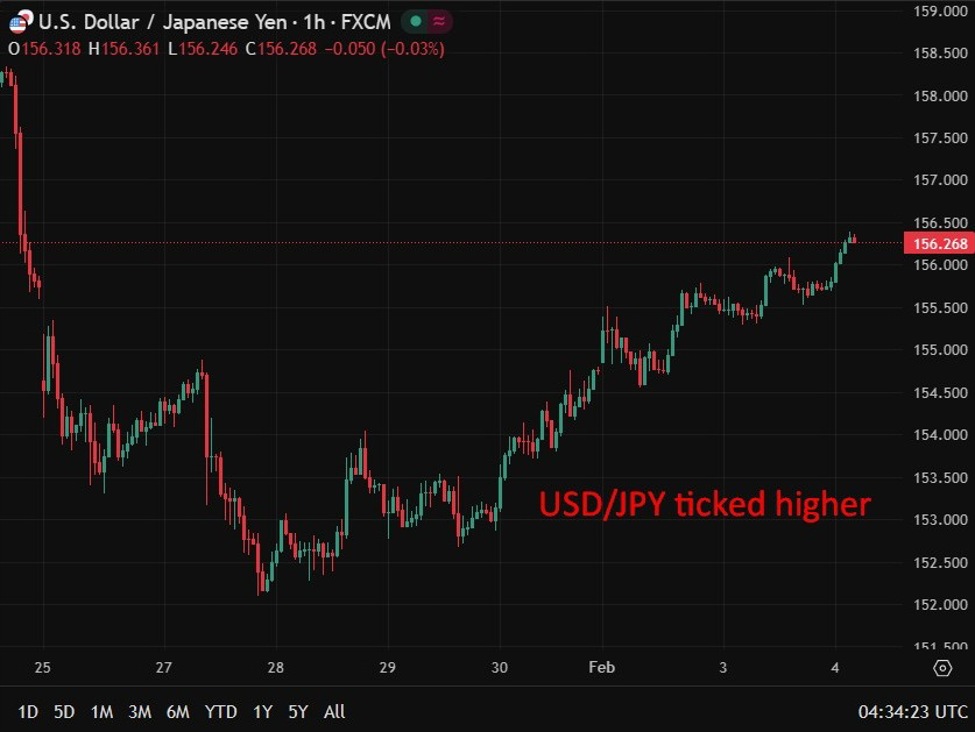
investingLive Asia-Pacific FX news wrap: USD/JPY back above 156
South Korea’s won firms as pension fund weighs dollar bond issuanceBank of England set to hold rates February 5 as inflation cools but wage risks lingerMarkets cautious on Warsh-led Fed outlook as rate pricing holds steadyChina services PMI rises to three-month high as demand and hiring improveNomura sees BoJ rates rising to 1.5% by 2027, with hawkish risks beyondPBOC sets USD/ CNY mid-point today at 6.9533 (vs. estimate at 6.9385)Japan services PMI hits 11-month high as demand and hiring strengthenNew Zealand Commodity Price Index rose in JanuaryPBOC to inject 800 billion yuan via three-month reverse repo operationYuan seen rising in 2026, but China signals resistance to rapid gainsPowell pardon won’t lift Fed blockade as Tillis holds line on investigationAMD shares fall as AI outlook disappoints despite strong Q4 earnings beatNew Zealand jobs report shows firmer hiring but unemployment edges to a 10 year highAustralia services PMI hits near four-year high as demand surges in JanuaryNew Zealand Q4 2025 unemployment rate 5.4% (expected 5.3%, prior 5.3%)Oil: Private survey of inventory shows a large headline crude oil draw vs. build expectedinvestingLive Americas market news wrap: US House votes to end government shutdownAt a glance:Asia equities mostly weaker following a poor Wall Street leadYen weakened further, with USD/JPY back above 156NZD slightly softer after Q4 jobs data showed higher unemploymentAMD shares slid sharply on disappointing guidance despite an earnings beatPMI data across Australia, Japan and China pointed to improving activity momentumRegional equities were mostly lower in the session, tracking a weak lead from Wall Street. Indian shares opened on the back foot but turned positive as the session progressed, continuing to draw support from optimism around the US–India trade deal.In FX, the yen lost ground again, with yen crosses pushing higher and USD/JPY moving back above 156.20. Elsewhere, moves across major currency pairs were relatively subdued. NZD/USD edged slightly lower following the release of New Zealand’s Q4 2025 employment report, which showed the unemployment rate rising to 5.4%, its highest level in a decade. Despite the headline increase, the details of the report were viewed more constructively, limiting downside pressure on the kiwi.On the corporate front, Advanced Micro Devices reported fourth-quarter earnings after the US close. While the chipmaker beat expectations on both revenue and profit, its forward guidance fell short of more optimistic forecasts, triggering a sharp sell-off in extended trading.In US politics, Donald Trump signed legislation to reopen most of the federal government, formally ending a partial shutdown that began over the weekend. The bill narrowly cleared the House after passing the Senate last week. Trump later said negotiations with Iran remain ongoing.Macro data flow was busy across the region. Australia’s services PMI surged to a near four-year high in January, pointing to strong demand momentum and supporting the Australian dollar. Easing price pressures in the survey may temper near-term inflation concerns for policymakers.Japan’s services PMI rose to an 11-month high, driven by stronger new orders, exports and hiring. Input cost inflation eased to its softest pace in nearly two years, though selling prices accelerated and business confidence softened. China’s services PMI also improved, rising to a three-month high as domestic and export demand strengthened. Employment expanded for the first time in six months, while cost pressures eased and output prices stabilised, although sentiment edged lower.Separately, Stephen Miran resigned on Tuesday from his role as chair of the White House’s Council of Economic Advisers, a White House spokesperson said. Miran had been on leave from the CEA since being appointed last year to fill a vacancy on the Federal Reserve Board, where his term formally ended in January. He can stay at the Fed until the president nominates someone to his seat. Asia-Pac stocks: Japan (Nikkei 225) -0.8%Hong Kong (Hang Seng) -0.4% Shanghai Composite 0%Australia (S&P/ASX 200) +0.7% This article was written by Eamonn Sheridan at investinglive.com. 🔗 Source 💡 DMK Insight South Korea’s won is gaining traction, and here’s why that matters: the potential dollar bond issuance by pension funds could strengthen the currency further. With the Bank of England expected to hold rates steady on February 5, traders should keep an eye on inflation trends and wage pressures that could influence future rate decisions. Meanwhile, the Fed’s outlook under Warsh is creating a cautious sentiment in the markets, especially as rate pricing remains unchanged. This backdrop could lead to volatility in forex pairs involving the won, particularly against the dollar. The recent rise in China’s services PMI to a three-month high indicates improving demand, which could also affect regional currencies and trade dynamics. For traders, monitoring the won’s performance against the dollar is crucial, especially if the dollar bond issuance materializes. Watch for key resistance levels around recent highs, as any break could signal a stronger bullish trend. Also, keep an eye on the upcoming inflation data from the UK and the Fed’s next moves, as these will likely ripple through the forex markets. 📮 Takeaway Watch for the South Korean won’s reaction to potential dollar bond issuance; a breakout could signal a bullish trend against the dollar.

Decisive moment for gold as the recovery continues
The over 2% gains so far today brings gold back above the crucial $5,000 mark. That’s a big psychological win for dip buyers but even more so when you look at the charts. After the sharp pullback from Thursday last week to Monday this week, we are seeing a solid recovery in precious metals in the past few sessions. And gold is a standout in leading that charge ahead of silver this time around.Looking at the near-term chart:Not only is gold breaching above the $5,000 mark, it is also contesting a firmer break of the 50.0 Fib retracement level at $5,002 today. And adding to that, we’re seeing price action start to creep towards testing waters above the 100 (red line) and 200-hour (blue line) moving averages. That is a pivotal near-term resistance point to take note of. And if buyers can secure a firm break above that, it will switch the near-term bias to being more bullish again.The gains yesterday may not look like much but $285 at face value represents the biggest daily jump in gold price on record. So, that speaks to dip buying appetite more so than anything else.As mentioned as well, the latest rebound cannot be compared to a dead cat bounce such as what we normally see with sharp selling and quick nosedive in other assets. That is because the fundamental factors driving up precious metals are still very much in play and underpinning demand. The pullback is largely to do with a case of Icarus flying too close to the sun. It isn’t one that is driven by a material shift in the market outlook.All in all, this can be seen as a healthy correction for gold and precious metals in general. The question now is do we move on to a stronger consolidative phase or skip that altogether and march towards another surging run to fresh record highs? This article was written by Justin Low at investinglive.com. 🔗 Source 💡 DMK Insight Gold’s bounce back above $5,000 is a significant psychological milestone for traders. This recovery comes after a sharp pullback, indicating potential bullish sentiment returning to the market. Traders should watch for continued momentum, especially if gold can maintain this level through the week. A sustained hold above $5,000 could attract more dip buyers and potentially trigger a short squeeze among those who bet against it. However, be cautious; if gold fails to hold this level, it could lead to further selling pressure. Keep an eye on related assets like silver and platinum, as they often move in tandem with gold. If gold’s rally continues, we might see similar gains in these markets. Watch for key resistance levels around $5,100, which could dictate the next move. The real story is whether this bounce is a dead cat or the start of a new uptrend. 📮 Takeaway Monitor gold’s ability to hold above $5,000 this week; a failure to do so could trigger selling pressure.
Tech shares face key test on the charts after yesterday's selloff
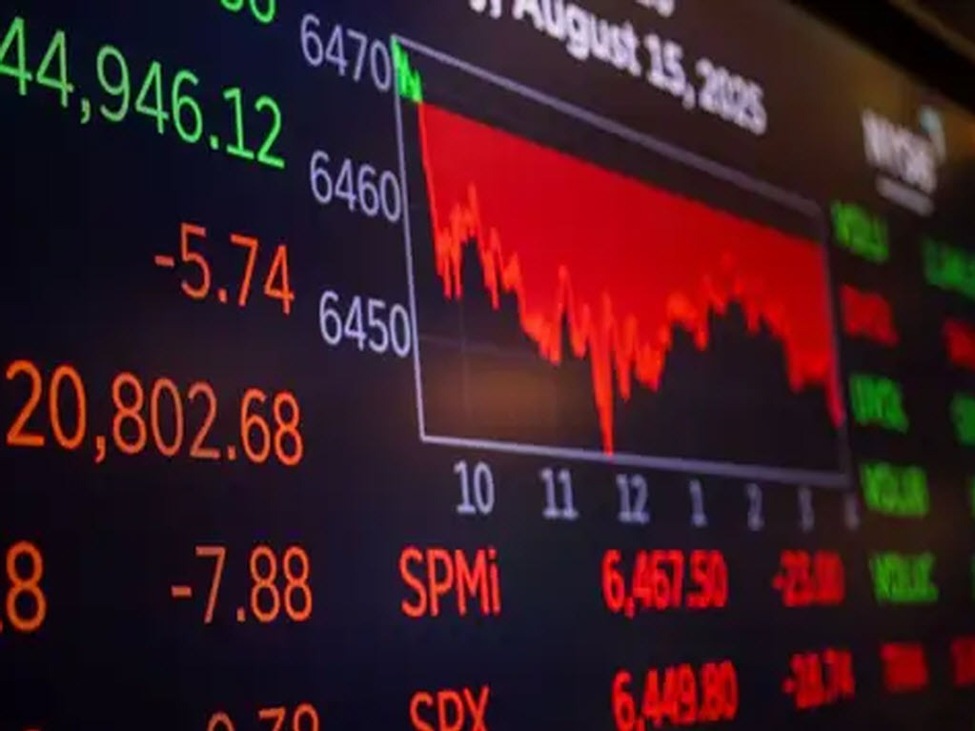
It was a poor day for US equities in general, with tech shares leading the declines. The S&P 500 closed down by 0.8% with the Nasdaq down by 1.4%. Meanwhile, the Dow fared better in closing down by just 0.3%.What is interesting about the selloff yesterday is how tech-heavy they were for the most part. Tech shares dragged down the S&P 500 even when more than half of the stocks in the index ended higher on the day. That speaks to the weightage but also how perhaps there is some rotational play happening in Wall Street.The ongoing narrative since the turn of the year is that there are concerns that AI valuations have stretched out too far. It is about time for tech firms and those investing heavily in AI to deliver some results. And investors are pretty much starting to err towards “show me the money” or else it is time to move on.Adding to the concerns is increasing scrutiny over OpenAI at the moment. That is especially made complicated by their “frenemy” relationship with Nvidia. And making the news in the past week is that Nvidia is not going to outright commit and pay up on their $100 billion partnership with OpenAI. As such, that has the potential to open up a whole new can of worms in the AI saga.Putting aside the known unknowns, what is market sentiment telling us based on the charts?Well, it’s a key moment for the Nasdaq especially as the drop yesterday ran to test the 100-day moving average (red line) again. That has been where dip buyers have been drawing a line since the end of last year in keeping the upside momentum running. But amid price stalling closer towards 24,000, it is raising doubts about whether the latest rally has run out of steam.If anything else, keep a watchful eye on the 100-day moving average and if tech shares can hold up to keep above that. A firm break below could start to trigger stops and lead to accelerated profit-taking, that especially if accompanied by the right selling triggers from any fault to the AI bubble.For some context, the last time the Nasdaq traded above both key daily moving averages and broke down below the 100-day moving average was back in late February 2025. And during that fallout, the index dropped by over 22% before the dip buyers eventually put a stop to the whole rout in April 2025.As a reminder though, that sharp selloff was largely due to major concerns surrounding Trump’s tariffs and ‘Liberation Day’. And we all know how that played out in the end. Got TACOs anyone? This article was written by Justin Low at investinglive.com. 🔗 Source 💡 DMK Insight Tech stocks are taking a hit, and here’s why that matters: the S&P 500’s 0.8% drop and Nasdaq’s 1.4% decline signal a shift in market sentiment. This selloff could indicate that investors are reassessing their risk appetite, especially in the tech sector, which has been a market leader for a while. The Dow’s relatively modest 0.3% decline suggests that capital is rotating away from growth stocks toward more stable sectors. Traders should keep an eye on key support levels in the Nasdaq; a break below recent lows could trigger further selling pressure. Additionally, this shift might affect correlated assets like tech ETFs and could lead to increased volatility in the broader market. On the flip side, if tech stocks find support and bounce back, it could signal a buying opportunity for swing traders. Watch for any signs of stabilization in the tech sector over the next few days, as that could provide clues about the overall market direction moving forward. 📮 Takeaway Monitor the Nasdaq for key support levels; a break below recent lows could lead to increased selling pressure in tech stocks.

FX option expiries for 4 February 10am New York cut
There are just a couple to take note of on the day, as highlighted in bold below.They are both for EUR/USD and currently sandwiching the current spot price, with the expiries resting at 1.1800 and 1.1850. They’re not ones that tie to any technical significance but could act as bookends for price action in terms of any extensions we see during European morning trade later.The dollar continues to keep steadier on the week but more watchful eyes will be on USD/JPY instead, that especially as the pair continues to creep back up. After the speculated ‘rate checks’ at the end of January, actual intervention remains the next course of action and a return back towards 160 will certainly raise odds of that happening.So, just be wary of that as it could also have some spillover impact on dollar sentiment elsewhere. That as well as if precious metals can stick with the latest recovery we’re seeing in the past few sessions. So far, gold is the one making waves and trying to lead the charge on that front as seen here.For more information on how to use this data, you may refer to this post here.Head on over to investingLive (formerly ForexLive) to get in on the know! This article was written by Justin Low at investinglive.com. 🔗 Source