
 Bitcoin
  Ethereum
  Tether
  BNB
BNB  XRP
XRP  USDC
USDC  Solana
  TRON
TRON  Lido Staked Ether
  Figure Heloc
That marks a notable drop from the 6.2 estimate in December last year, with the index returning into negative territory. The current conditions index also fell back from 16.6 to 0.0 on the month, suggesting some headwinds for the economy at present. UBS notes that:”The survey was conducted during the escalation of tensions over Greenland and the associated risk of higher US tariffs on some European countries. These discussions likely weighed on analysts’ sentiment.”Taking that into consideration, one can reasonably expect investor sentiment to rebound again next month as Trump’s Greenland threats have subsided. This article was written by Justin Low at investinglive.com. 🔗 Source 💡 DMK Insight The drop in the current conditions index to 0.0 signals potential economic headwinds, and here’s why that matters for traders right now: A negative reading indicates that sentiment among businesses is souring, which could lead to reduced spending and investment. This is critical for traders focused on sectors sensitive to economic cycles, such as consumer discretionary and industrials. If this trend continues, we might see a ripple effect impacting equities and commodities, particularly if investors start pricing in a slowdown. Keep an eye on related markets—if the index remains low, it could trigger volatility in the forex market, especially for currencies tied to economic growth like AUD or NZD. Here’s the flip side: while negative sentiment can lead to short-term selling, it might also create buying opportunities in undervalued stocks or sectors poised for recovery. Watch for any bounce back in the index in the coming months; a move above 5.0 could indicate a shift in sentiment worth trading on. For now, traders should monitor economic indicators closely and adjust their positions accordingly. 📮 Takeaway Watch for any recovery in the current conditions index; a move above 5.0 could signal a shift worth trading on.
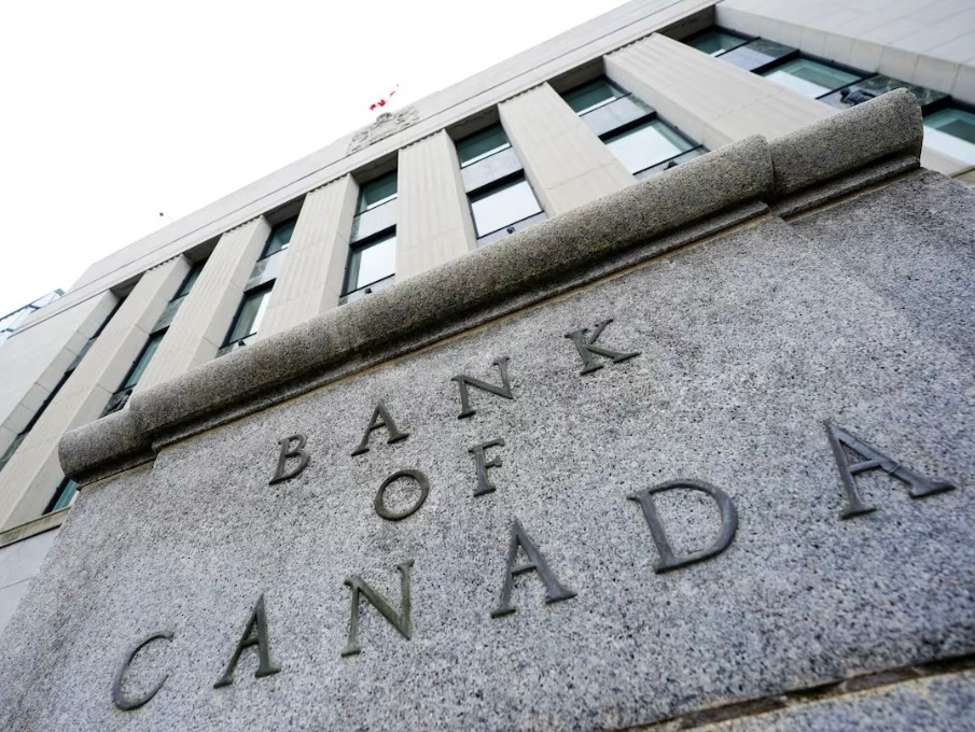
No surprises expected from the BOC today but what are analysts saying about the next move?
Every major institution in Canada is expecting the BOC to be on hold today and that is no surprise. Market pricing is for the central bank to stay on hold with a ~92% probability and pretty much no clear cut rate moves whatsoever all through this year. Most analysts are sharing that view but how is the balance of risks shaping up for the BOC looking further out?Let’s dive straight into what the big analysts from Canada have to say.TD Securities- BOC to stay on hold through 2026, rate hikes to come in 2027- “The first BOC hike is fully priced for Q1 2027, which is in line with our forecast – but we believe that pricing hikes for 1H 2026 would require either several more months of positive economic data or overt hawkish signals from the BOC. Neither seem likely.”Scotiabank- BOC to hike rates by 50 bps in Q4 2026, further 25 bps rate hike in Q1 2027- “The BOC is unlikely to move until USMCA renegotiations are settled and the policy backdrop clears…the next move will be a rate hike in the second half of 2026, bringing the policy rate closer to its neutral stance. By that time, we anticipate the economy will be on firmer footing which will allow the BOC to start to withdraw some stimulus.”BMO- BOC to stay on hold through 2026- “Macklem looks to retain his neutral bias, potentially with a slight dovish tilt, amid slowing core inflation and persistent uncertainty. The growth and inflation projections will likely have a cautious lean as USMCA renegotiations loom large. Until the outlook changes materially, it’s steady as she goes for monetary policy.”RBC- BOC to stay on hold through 2026, then 100 bps of rate hikes seen in 2027- “The focus will be on the monetary policy report and a new set of central projections. We don’t anticipate material revisions, and expect forecasts will continue to align well with our cautiously optimistic view for a gradual recovery in 2026.”But that’s not just it, some analysts are still anticipating that rate cuts could still be in the picture too.BofA- “Expect guidance and forecasts will mostly remain unchanged, with the BoOC continuing to signal that it intends to remain on hold at upcoming meetings…While we don’t rule out the possibility that the BOC could normalize policy back towards the middle of its 2.25% to 3.25% neutral rate range later in the year, we also see (smaller) risks that a renewed downturn in labor market and/or growth data could prompt one or two more cuts to bring the policy rate more squarely into accommodative territory.”Wells Fargo- “We would not be surprised to to at least hear overtures toward the possibility of restarting rate cuts. Financial markets are not priced for much in terms of policy rate adjustments in Canada this year, so if a slight reference to cuts comes up, rates markets could adjust quickly while the Canadian dollar could be restrained.”Despite acknowledging rate cut risks, both BofA and Wells Fargo have their base case scenarios set at not expecting any changes to the bank rate in 2026. This article was written by Justin Low at investinglive.com. 🔗 Source 💡 DMK Insight With ADA at $0.36 and the BOC expected to hold rates, the crypto market’s stability hinges on macroeconomic signals. The Bank of Canada’s decision to maintain its current rate reflects broader economic conditions, which could impact investor sentiment in the crypto space. If the BOC remains dovish, it might encourage risk-on behavior, potentially lifting ADA and other altcoins. Traders should keep an eye on how ADA reacts to any shifts in sentiment, especially as it approaches key resistance levels. A break above $0.40 could signal a bullish trend, while failure to hold above $0.35 might prompt profit-taking. However, it’s worth noting that the crypto market often moves independently of traditional financial indicators. If the broader market sentiment shifts due to external factors, ADA could see volatility regardless of the BOC’s stance. Watch for any unexpected news or economic data releases that could sway market sentiment, especially in the next few weeks as we approach month-end trading. In summary, monitor ADA closely around the $0.35 to $0.40 range for potential trading opportunities, especially in response to macroeconomic developments. 📮 Takeaway Watch ADA closely around $0.35 to $0.40; a break above could signal bullish momentum, while failure to hold may lead to profit-taking.
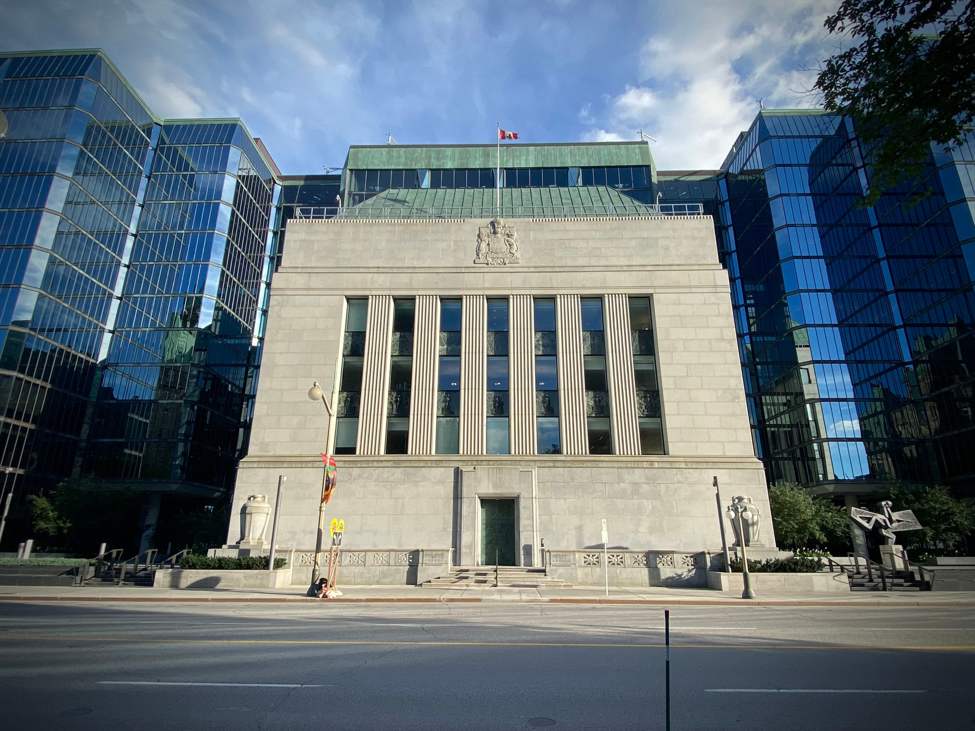
BoC preview: An uneventful decision with focus on the new projections
The Bank of Canada is expected to keep the policy rate steady at 2.25% while maintaining the neutral stance amid trade uncertainty and risks to the economic outlook. Since the last meeting in December, Canada’s economic data has softened a bit. The December Trimmed-Mean CPI Y/Y eased to 2.7% from 2.9% in November, and the unemployment rate jumped back to 6.8% in December vs 6.5% in November. The BoC did caution about underlying weakness in the previous strong GDP and employment reports and it looks like they were right.The recent data caused a repricing in interest rate expectations as traders pared back their rate hike bets. The market overreacted to the November jobs report and at some point we had 35 bps of tightening priced in for 2026. That is now down to just 8 bps.The central bank will also release the latest MPR (Monetary Policy Report) at this meeting where traders will be focused on potential changes to the neutral rate estimate (current 2.25%-3.25%). In case the lower bound of the range gets revised lower, it could be taken as a signal of a dovish stance and weigh on the Canadian Dollar. At the press conference, Governor Macklem should reiterate the central bank’s patient stance amid trade uncertainty and the risks to the economic outlook. Overall, it’s likely to be an uneventful decision as the BoC awaits more economic data and further developments on the trade side. This article was written by Giuseppe Dellamotta at investinglive.com. 🔗 Source 💡 DMK Insight The Bank of Canada’s decision to hold rates steady at 2.25% signals a cautious approach amid economic uncertainty, and here’s why that matters for traders right now. With ADA currently at $0.36, the broader implications of Canadian monetary policy could ripple through crypto markets, especially if traders perceive a risk-off sentiment. A stable rate might suggest that the central bank is prioritizing economic stability over aggressive growth, which could lead to a stronger Canadian dollar and impact crypto pairs involving CAD. Keep an eye on how this influences ADA’s trading volume and volatility in the coming days. If ADA breaks below $0.34, it could trigger further selling pressure, while a bounce back above $0.38 might indicate renewed bullish sentiment. Watch for any shifts in economic data that could prompt a change in the Bank’s stance, as that could directly affect market sentiment across the board. 📮 Takeaway Monitor ADA closely; a drop below $0.34 could signal further downside, while a recovery above $0.38 may indicate bullish momentum.
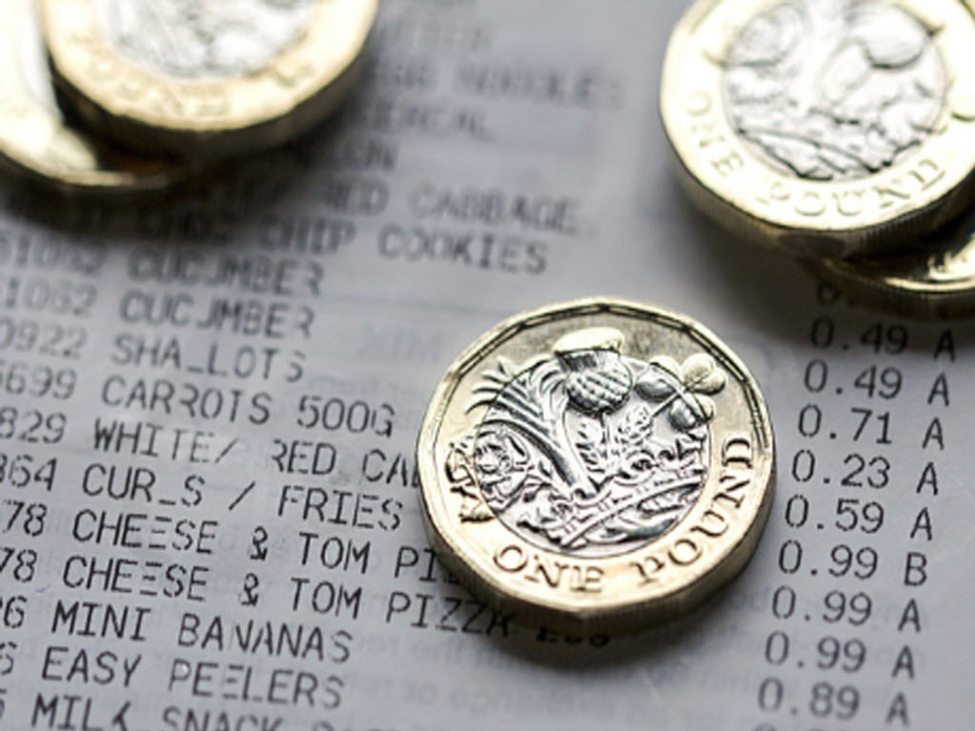
UK stats office to make methodology improvement to groceries basket in CPI data
The ONS says that it plans to introduce “improved data and methods” for groceries in their consumer price inflation (CPI) statistics. And that this will take effect from February 2026. So, just be wary of that.The impact of the change is minimal but not entirely inconsequential with the UK stats office noting that past changes showed a negative 0.03% change to the CPI estimate.As much as this might be an “improvement”, the ONS has bigger fish to fry. They’re still facing plenty of backlash and scrutiny over the lack of accuracy and credibility in delivering the labour market report for quite some time now. And that’s an issue that looks like it will drag on further. From before: UK statistics office evaluates potential delay to its overhauled jobs survey – report This article was written by Justin Low at investinglive.com. 🔗 Source 💡 DMK Insight The ONS’s upcoming changes to CPI data methods could subtly influence market sentiment, especially in the UK. While the immediate impact seems minimal, traders should keep an eye on how these adjustments might affect inflation expectations and consumer behavior leading up to February 2026. If inflation metrics shift, it could prompt adjustments in monetary policy, influencing the broader market, including crypto and forex assets. For instance, if inflation rises unexpectedly, it could lead to a stronger GBP, affecting ETH’s price dynamics against fiat currencies. Watch for any shifts in inflation data releases and how they correlate with ETH’s performance, particularly around key support and resistance levels. The real story is how traders react to these changes—monitor sentiment closely as we approach the implementation date. 📮 Takeaway Keep an eye on UK inflation data leading up to February 2026; shifts could impact ETH’s price against GBP and broader market sentiment.

What Is a Regulated Broker – A Beginner’s Guide to Safe Trading
Introduction: What Is a Regulated Broker?A regulated broker is a company that provides financial services and has received a license from a recognized financial authority. Examples of these authorities include the FCA in the UK, ASIC in Australia, CySEC in Cyprus, and the NFA in the US. To obtain this license, brokers must follow strict rules that aim to protect traders, ensure fair trading practices, and keep client funds safe.Trading with a regulated broker offers several important benefits:Segregated client accounts: Your money is kept separate from the broker’s own funds.Transparency: You receive clear information about fees, spreads, and risks.Dispute resolution: You can access regulatory bodies if there are any conflicts.Capital requirements: Brokers must have enough capital to operate safely.Example: If an investor opens an account with a financial service provider regulated by the FCA, they can verify the provider’s license number on the official FCA register. This confirms that the broker is legally allowed to provide trading services in the UK and must follow strict rules to protect clients.Engaging in buying and selling with a regulated financial service provider doesn’t completely eliminate risk, but it greatly reduces the likelihood of fraud, malpractice, or unexpected losses from unlicensed firms.Why Regulation Matters in TradingRegulation is essential for creating a safe trading environment. Without it, financial service providers could operate without restrictions, which could expose clients to fraud, unfair practices, or even loss of their funds. Here are some reasons why regulation is important:Client Fund Protection: Regulated brokers must keep client funds in separate accounts, reducing the risk of losing money if the broker faces financial difficulties.Transparency and Fair Practices: Authorities require brokers to clearly disclose their fees, spreads, risks, and execution methods, preventing misleading claims or hidden costs.Financial Stability: Regulated brokers must meet capital requirements, ensuring they have enough money to operate securely and handle market changes.Dispute Resolution: If something goes wrong, investors can escalate complaints to the regulator, which will investigate and enforce rules.Deterrence Against Fraud: Unregulated brokers can easily manipulate prices, refuse withdrawals, or disappear with client funds. Regulation holds them accountable.Example: A broker regulated by CySEC must participate in the Investor Compensation Fund, which can reimburse eligible clients if the broker goes bankrupt. Unregulated firms do not offer this protection.Tip for beginners: Always verify a broker’s license number on the official regulator’s website, not just on their homepage.Key Regulators Around the WorldNot all regulators are the same, but the following authorities are considered the most reputable in global trading:Tier-1 Regulators (Strict Oversight)FCA (Financial Conduct Authority) – UK: Known for strict rules and strong client fund protection.ASIC (Australian Securities and Investments Commission) – Australia: Requires brokers to meet high capital standards and disclose risks clearly.NFA/CFTC (National Futures Association & Commodity Futures Trading Commission) – USA: Very strict; only a few brokers are licensed in the U.S. due to tough requirements.Tier-2 Regulators (Trusted but Less Strict)CySEC (Cyprus Securities and Exchange Commission) – Cyprus: Popular for EU brokers; requires participation in the Investor Compensation Fund.MAS (Monetary Authority of Singapore) – Singapore: Oversees brokers and banks with strong regional credibility.IIROC (Investment Industry Regulatory Organization of Canada) – Canada: Enforces capital requirements and strict reporting standards.Tier-3 Regulators (Light Oversight)FSA (Financial Services Authority) – SeychellesIFSC (International Financial Services Commission) – BelizeFSC (Financial Services Commission) – MauritiusThese regulators allow brokers to operate legally but with less oversight. Some participants choose them for higher leverage, but the protections are weaker.Tip for beginners: Aim to trade with brokers licensed by Tier-1 or Tier-2 regulators for maximum safety. Tier-3 regulated brokers can be legitimate but should be approached with caution.Regulated vs. Unregulated BrokersThe difference between a regulated and an unregulated broker can significantly affect the safety of your funds. Here’s a comparison:Key Takeaway: Regulated brokers offer legal protection, financial security, and accountability.Unregulated brokers might seem appealing due to high leverage or bonuses, but they carry serious risks, such as refusing withdrawals or committing fraud.Example: If a regulated broker fails, some regulators (like the FCA or CySEC) have compensation schemes that can reimburse eligible clients. With an unregulated provider, funds are often lost permanently.How to Spot a Trustworthy Broker – Step by StepFinding a reliable broker involves careful research. Here’s a simple process to follow:Check the License: Look for the broker’s license number on their website and verify it on the regulator’s official register (e.g., FCA, ASIC, CySEC).Review Regulation Tier: Prefer brokers regulated by top-tier authorities and be cautious with those operating solely in offshore jurisdictions.Confirm Client Fund Protection: Ensure the broker uses segregated accounts and check if they participate in compensation schemes (like the FCA’s FSCS or CySEC’s ICF).Assess Transparency: Read the fee structure of the broker and look for clear information on spreads, commissions, swaps, and leverage.Test Customer Support: Reach out with inquiries before signing up. Trustworthy brokers provide fast, professional, and clear responses.Read Independent Reviews: Look at trusted financial websites and forums for feedback. Avoid relying solely on testimonials from the broker’s own site.Start with a Small Deposit: Test the broker with a small deposit to check withdrawal speed and reliability before investing larger amounts.Tip for beginners: If a broker promises “guaranteed profits” or offers very high bonuses, it’s a red flag. Trustworthy brokers focus on providing quality service rather than unrealistic marketing.Risks of Using Unregulated BrokersTrading with an unregulated broker can expose you to serious risks that often outweigh any short-term advantages, like high leverage or bonuses. Here are some dangers:Loss of Funds: Unregulated brokers can mismanage client funds, delay withdrawals, or even vanish with your money.No Compensation Schemes: If an unregulated broker goes bankrupt, there are no investor protection funds to reimburse you, and your funds are often unrecoverable.Price Manipulation: Some unregulated brokers alter spreads or execution, causing you to lose trades unfairly. This practice is illegal under regulated frameworks but common with unlicensed firms.Misleading Marketing: Unregulated brokers often attract traders with “guaranteed returns” or “risk-free trading,” claims that regulated brokers are not allowed to make.Poor Transparency: Fees, spreads, and swap rates may be hidden or unclear, making it hard to calculate true trading
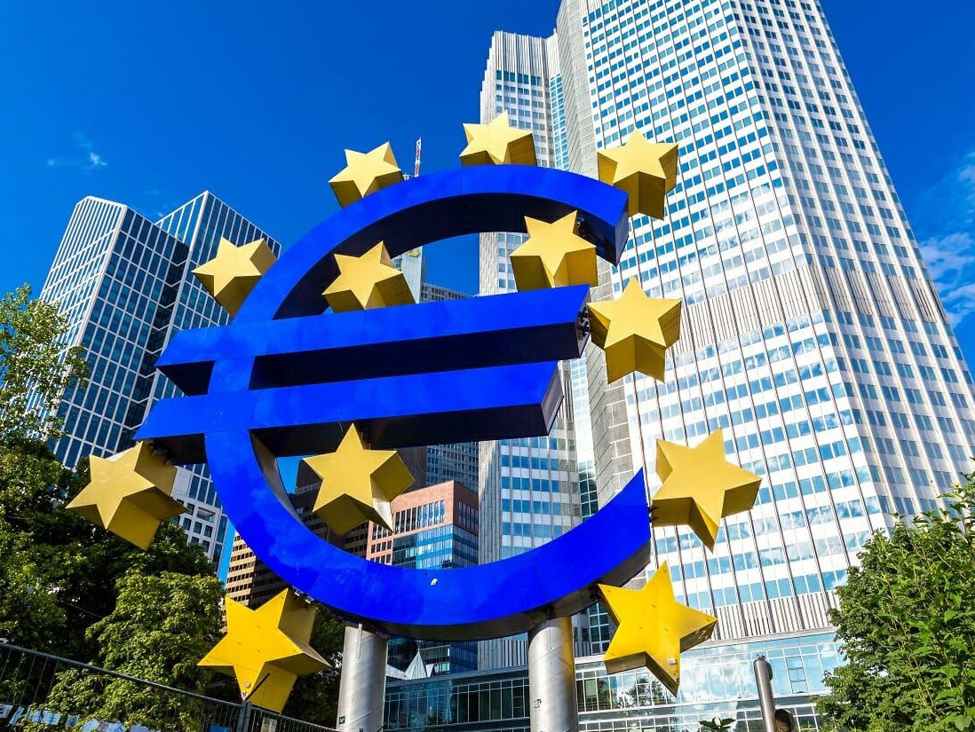
ECB policymakers are starting to get uneasy as EUR/USD crosses 1.20
Early this morning, ECB’s Kocher said that if the euro were to appreciate further and further, at some stage that might create a certain necessity to react in terms of monetary policy. Not because of the exchange rate itself, but because the exchange rate translates into less inflation, and this becomes a monetary policy issue.Last year, ECB’s Vice President de Guindos said that 1.20 on the EUR/USD exchange rate is something they can tolerate, but anything above that would complicate the outlook for them.ECB’s Villeroy has also commented on the euro this morning saying that the ECB is closely monitoring the currency and its effect on inflation. He added that they have no target for the exchange rate but the euro is one element that will guide their policy.It looks like they are trying to jawbone a bit here. Policymakers don’t like fast, one-sided moves and we just went from 1.1576 to 1.2082 in less than two weeks. Of course, that was all about the dollar as USD/JPY intervention risks and Trump’s actions weighed on the greenback.I personally think this move is overdone absent new catalysts because it was more about the intervention risk than something fundamental. If we get strong US data next month, the market should pare back the 48 bps of easing priced in by year-end and provide support for the dollar. On the other hand, if we get soft data, the greenback will likely remain under pressure as dovish bets would keep weighing on it.If the euro strengthens too much and we get soft Eurozone inflation data in the next months, then we can expect traders to price in another rate cut from the ECB. On the other hand, a weak dollar with stocks at all-time highs and loose financial conditions, could lead to a re-acceleration in US inflation and eventually to a policy divergence between the Fed and the ECB. This article was written by Giuseppe Dellamotta at investinglive.com. 🔗 Source 💡 DMK Insight The ECB’s Kocher just hinted at potential policy shifts if the euro keeps rising, and here’s why that matters: A stronger euro could lead to lower inflation, which might pressure the ECB to adjust interest rates sooner than expected. Traders should keep an eye on the euro’s performance against the dollar, especially if it approaches key resistance levels. If the euro breaks through those levels, it could trigger a wave of buying, impacting not just forex but also commodities priced in euros. Look for volatility in related markets like gold and oil, as a stronger euro could dampen demand. However, there’s a flip side: if the euro strengthens too quickly, it could hurt export-driven economies in the Eurozone. This could lead to a more cautious ECB stance, balancing between supporting growth and controlling inflation. Watch for any comments from other ECB members that might clarify their stance on this issue, as they could provide insight into future monetary policy adjustments. 📮 Takeaway Monitor the euro’s strength against the dollar; a breakout could signal shifts in ECB policy affecting inflation and related markets.

EUR/GBP holds steady amid cautious ECB remarks
The Euro (EUR) holds firm against the British Pound (GBP) on Tuesday, with subdued trading conditions prevailing amid a notably light economic data calendar in both the Eurozone and the UK. At the time of writing, EUR/GBP is trading around 0.8684, little changed on the day. 🔗 Source 💡 DMK Insight EUR/GBP is holding steady at 0.8684, but here’s why that matters right now: With a light economic calendar, traders might be tempted to overlook this pair. However, the stability in EUR/GBP could signal underlying strength in the Euro, especially as the market awaits more significant data releases. If the Eurozone manages to maintain its economic momentum, we could see a bullish breakout above the 0.8700 resistance level. Conversely, any negative sentiment from the UK could push this pair higher. Watch for any shifts in sentiment or unexpected news that could disrupt this calm. On the flip side, the lack of volatility might lead to complacency among traders. If you’re in a position, consider tightening your stop-loss to protect against sudden moves. Keep an eye on the daily chart for any emerging patterns, as a breakout or breakdown could set the stage for larger moves in the coming weeks. 📮 Takeaway Monitor the 0.8700 resistance level in EUR/GBP; a breakout could signal bullish momentum while a breakdown below 0.8650 may indicate bearish sentiment.

GBP/USD hits four-year high as tariff escalation crushes US Dollar
The Pound Sterling (GBP) soars during Tuesday’s North American session as the US Dollar (USD) continues to weaken due to trade tariff escalation ahead of the first Federal Reserve (Fed) monetary policy meeting of 2026. 🔗 Source 💡 DMK Insight The GBP’s surge signals a critical shift as the USD weakens amid tariff tensions. With the Fed’s upcoming meeting in 2026, traders should be wary of how these tariffs could influence monetary policy. A weaker USD often leads to stronger GBP, but this isn’t just about currency strength—it’s about market sentiment. If tariffs escalate further, expect volatility in both currencies. Watch for key resistance levels in GBP/USD; a break above recent highs could trigger more buying. Conversely, if the Fed hints at a hawkish stance, the USD might regain some ground, making it crucial to monitor Fed communications closely. Here’s the flip side: while the GBP is gaining, it’s essential to consider that this could be a short-term reaction. If the Fed maintains a dovish approach, the USD might stabilize, and any GBP gains could reverse. Keep an eye on economic indicators from both sides of the Atlantic to gauge the sustainability of this trend. 📮 Takeaway Watch for GBP/USD resistance levels; a break could signal further gains, but monitor Fed statements closely for potential USD recovery.

KRW: Tariff threats weigh on performance – BBH
The report from Brown Brothers Harriman (BBH) indicates that the KRW is underperforming. The announcement of increased tariffs by US President Trump is a significant factor impacting the KRW. Despite this, reduced capital outflows are providing some support to the currency. 🔗 Source 💡 DMK Insight The KRW’s underperformance amid rising tariffs is a wake-up call for forex traders. With President Trump’s tariff announcements weighing heavily on the South Korean won, traders need to be cautious. Tariffs can lead to decreased exports, which is critical for South Korea’s economy. However, the silver lining here is the reduced capital outflows, suggesting that some investors are still finding value in the KRW. This duality creates a complex trading environment. If the KRW continues to weaken, watch for key support levels that could trigger further selling pressure. On the flip side, if capital inflows pick up, it might stabilize the currency. Traders should keep an eye on economic indicators from South Korea and the U.S. that could influence market sentiment. The next few weeks will be crucial, especially if the tariffs escalate further or if there’s a shift in investor sentiment towards emerging markets. Monitor the KRW against the USD closely, particularly around any economic data releases or geopolitical developments that could sway market dynamics. 📮 Takeaway Keep an eye on the KRW/USD pair; watch for support levels and any shifts in capital flows as tariffs impact market sentiment.

EUR/JPY attempts recovery as Japan's fiscal concerns cap Yen strength
EUR/JPY trades around 183.20 on Tuesday at the time of writing, posting a modest 0.06% gain on the day, as the recovery attempt from the 182.00 area loses momentum. 🔗 Source 💡 DMK Insight EUR/JPY’s struggle to maintain momentum above 183.00 signals potential volatility ahead. The pair’s recent bounce from the 182.00 level looked promising, but the lack of follow-through suggests traders should be cautious. A sustained break below 182.00 could trigger further selling, potentially targeting the next support around 181.50. On the flip side, if it manages to reclaim 183.50 decisively, we might see a shift in sentiment, attracting more buyers. Keep an eye on broader market trends, especially any shifts in risk appetite or economic data from the Eurozone and Japan that could influence this cross. The current 0.06% gain might seem minor, but it reflects underlying indecision, which often precedes larger moves. Watch for any news or economic indicators that could provide clarity, particularly in the next few trading sessions. 📮 Takeaway Monitor the 182.00 support level closely; a break could lead to a deeper pullback, while a reclaim of 183.50 might signal renewed bullish interest.