
 Bitcoin
  Ethereum
  Tether
  XRP
XRP  BNB
BNB  USDC
USDC  Solana
  TRON
TRON  Lido Staked Ether
  Figure Heloc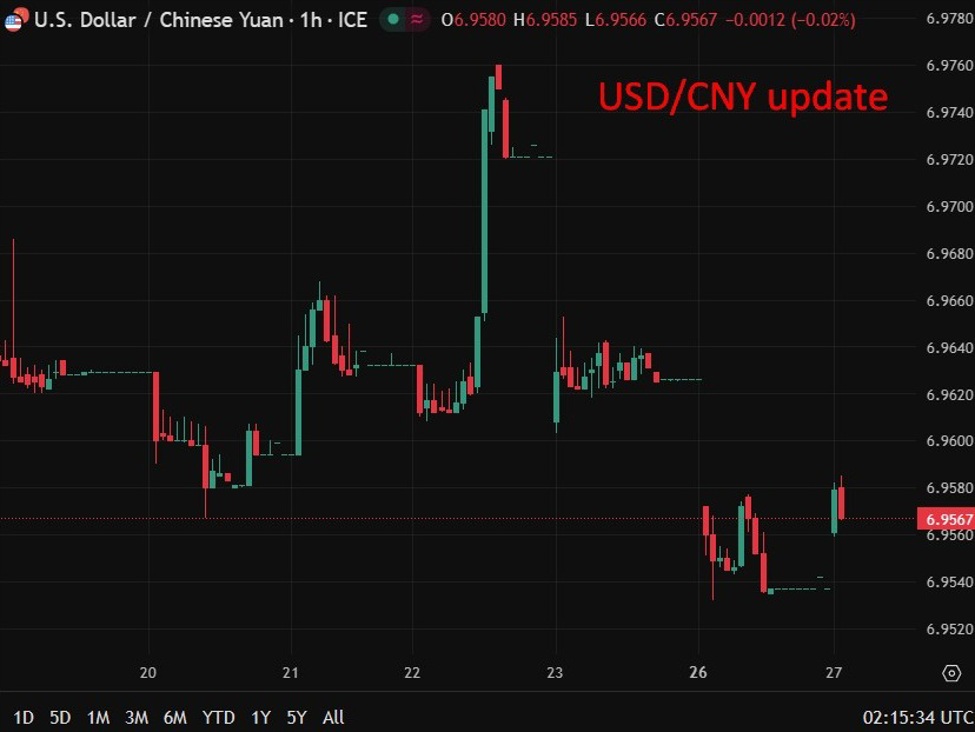
China’s industrial profits rebounded sharply in December, beating expectations and offering early signs of easing deflationary pressure.Summary:China industrial profits rose 5.3% y/y in DecemberGrowth beat expectations for a sharp declineProducer price deflation eased to a one-year lowDecember rebound snapped a two-month contractionFull-year profits rose for first time since 2021China’s industrial profits returned to growth in December, snapping a two-month contraction and coming in well above market expectations, according to official data released on Tuesday.Figures from the National Bureau of Statistics showed industrial profits rose 5.3% year-on-year in December, sharply outperforming expectations for an 11% decline. The rebound was supported by easing price pressures, with producer prices recording their smallest annual fall in more than a year.The improvement suggests margins across parts of the industrial sector may be stabilising after prolonged deflationary pressure, offering tentative signs that policy support and improving demand conditions are gaining traction late in the year.For 2025 as a whole, industrial profits increased 0.6%, marking the first annual rise since 2021 and ending a multi-year period of earnings contraction. While the pace of growth remains modest, the return to positive territory is likely to be welcomed by policymakers seeking to reinforce confidence in the industrial sector.However, analysts caution that the sustainability of the rebound will depend on further progress in demand recovery and a continued easing in producer price deflation, which has weighed heavily on corporate profitability in recent years. This article was written by Eamonn Sheridan at investinglive.com. 🔗 Source 💡 DMK Insight China’s industrial profits rising 5.3% y/y in December is a game-changer for traders: This rebound not only defies expectations but also signals a potential shift in the broader economic landscape. Easing deflationary pressures could lead to increased consumer spending and investment, which are crucial for sustaining growth. For traders, this means keeping an eye on related sectors, particularly commodities and manufacturing stocks, which might see a boost as demand picks up. The easing of producer price deflation to a one-year low is also noteworthy; it suggests that input costs are stabilizing, which could improve margins for companies. However, it’s worth questioning whether this rebound is sustainable. Seasonal factors often play a role in December performance, and the real test will be how these profits hold up in the coming months. Traders should monitor key levels in the Shanghai Composite Index and related ETFs for signs of bullish momentum. Watch for any shifts in policy from the Chinese government that could further impact industrial output and profitability in Q1 2024. 📮 Takeaway Keep an eye on the Shanghai Composite Index for bullish signals, especially if industrial profits continue to rise in early 2024.
Japan service inflation holds near highs as wage pressures persist
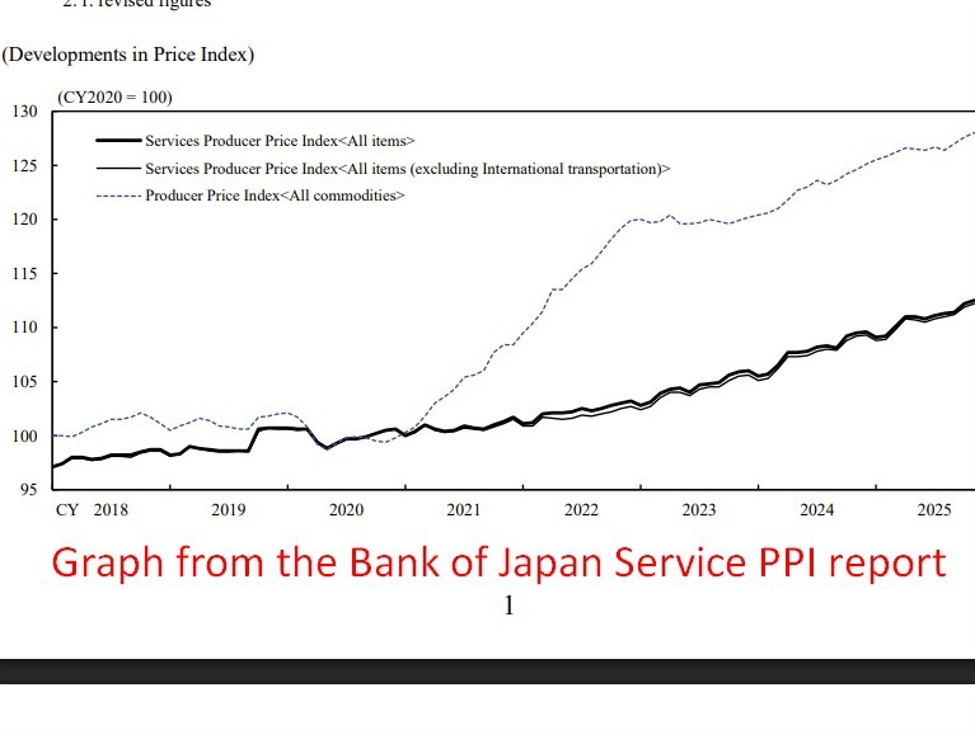
Japan’s service inflation signal stayed firm in December, underscoring wage-driven price pressure and keeping the BoJ alert to further tightening.Summary:Japan service price indicator rose 2.6% y/y in DecemberLabour-intensive sectors saw the strongest gainsTight job market continues to lift service inflationBoJ sees scope for further rate hikes if trends persistYen weakness adds second-round inflation pressureJapan’s leading indicator of service-sector inflation remained elevated in December, reinforcing the view that labour shortages and rising wages continue to generate underlying price pressure, according to data released on Tuesday.Figures from the Bank of Japan showed the services producer price index rose 2.6% year-on-year in December, following a 2.7% increase in November. The index tracks prices companies charge each other for services and is closely watched as an early signal of domestically driven inflation.Price increases were concentrated in labour-intensive industries such as hotels and construction, highlighting the impact of a tight labour market and supporting the BoJ’s assessment that wage growth is feeding through into service-sector prices.The data comes after the BoJ ended its decade-long stimulus programme in 2024 and raised short-term interest rates to 0.75% in December, judging that Japan was nearing a durable achievement of its 2% inflation target. Consumer inflation has now exceeded that threshold for nearly four years. BoJ Governor Kazuo Ueda said last week the central bank would closely monitor whether steady wage gains prompt broader cost pass-through, a key factor in assessing the timing of further rate hikes.In a separate analysis released Tuesday, the BoJ said yen weakness is increasingly influencing inflation not only through higher import costs but via second-round effects, including rising labour costs passed on through service prices. The findings strengthen the case that inflation pressures are becoming more domestically entrenched. This article was written by Eamonn Sheridan at investinglive.com. 🔗 Source 💡 DMK Insight Japan’s service inflation hitting 2.6% y/y is a wake-up call for traders: This uptick signals persistent wage-driven price pressures, which could force the Bank of Japan (BoJ) to tighten monetary policy sooner than expected. With a tight job market fueling these service price increases, traders should keep an eye on the BoJ’s next moves, especially if inflation trends continue. If the BoJ raises rates, it could strengthen the yen, impacting forex pairs like USD/JPY. But here’s the flip side: if the yen weakens further due to global economic pressures, it could offset any tightening effects. Traders should monitor the 2.6% level closely; a sustained increase could lead to a shift in market sentiment. Watch for any comments from BoJ officials in the coming weeks, as they may hint at future policy adjustments. The immediate focus should be on the next inflation report and any signs of wage growth, which could be pivotal for positioning in both forex and equity markets. 📮 Takeaway Keep an eye on Japan’s inflation trends and BoJ statements; a sustained rise above 2.6% could trigger rate hikes and impact USD/JPY significantly.
Morgan Stanley sees gold at $5,700 as banks turn even more bullish
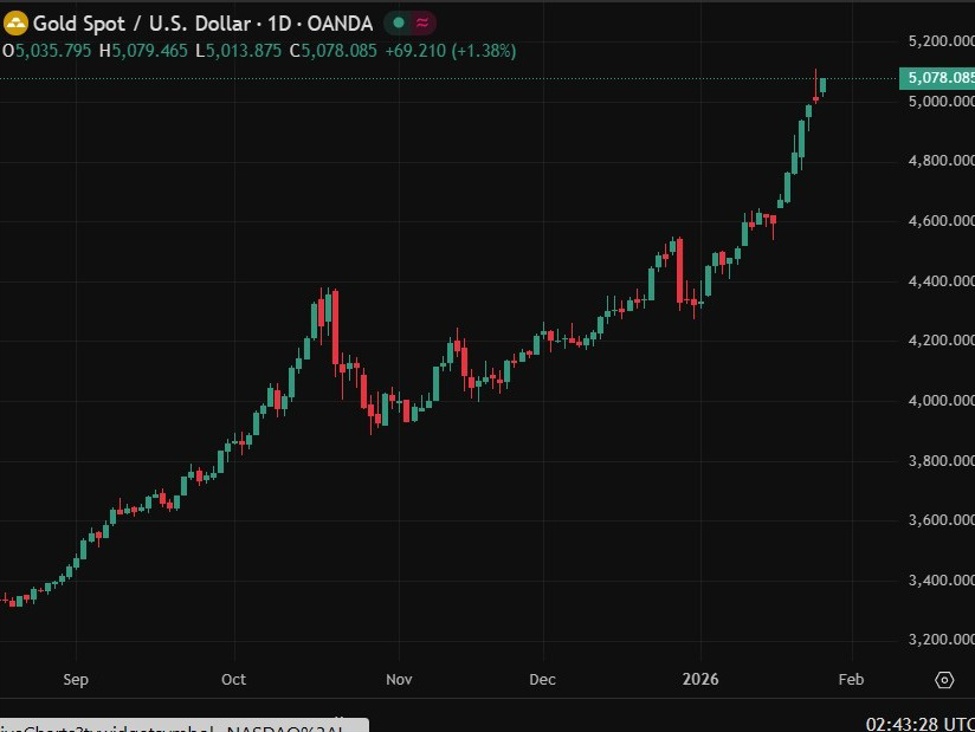
Major banks see gold pushing toward new highs as central-bank demand, geopolitics and prospective Fed easing reinforce bullion’s appeal.Summary:Morgan Stanley sees gold reaching $5,700/oz in H2Geopolitical risk and central-bank buying drive demandETF inflows expected to strengthen as rates easeFed rate cuts in 2026 seen as supportive tailwindSociété Générale forecasts gold at $6,000/ozMorgan Stanley expects gold prices to extend their rally into the second half of the year, forecasting bullion could reach US$5,700 per ounce, underpinned by a powerful mix of geopolitical risk, sustained central-bank buying, and renewed investor inflows.The bank argues that gold’s traditional safe-haven appeal remains firmly intact amid elevated geopolitical uncertainty and persistent fragmentation in global trade and financial systems. Central-bank demand continues to act as a structural pillar, with purchases remaining resilient even at historically high price levels. Morgan Stanley highlighted Poland’s recent accumulation as emblematic of a broader trend among emerging and mid-sized economies seeking to diversify reserves away from traditional currency assets.Investor demand is also re-emerging as a supportive factor. Morgan Stanley expects exchange-traded fund inflows to strengthen as financial conditions ease and real yields soften, particularly if global monetary policy pivots toward accommodation.Looking ahead, the bank sees prospective Federal Reserve rate cuts in 2026 as an additional tailwind, lowering opportunity costs and reinforcing physical demand from both institutional and private investors. Against this backdrop, Morgan Stanley views gold’s rally as fundamentally driven rather than purely speculative.The bullish outlook is echoed elsewhere on the Street. Société Générale sees gold climbing even further, projecting prices could reach US$6,000 per ounce by year-end, citing similar demand dynamics and a growing appetite for hard assets amid currency and geopolitical uncertainty.Taken together, the forecasts reinforce the view that gold’s role is shifting from cyclical hedge to strategic allocation, with central-bank behaviour and policy uncertainty anchoring demand well beyond traditional inflation-driven cycles.—if you are sick of gold, perhaps a look at silver? This article was written by Eamonn Sheridan at investinglive.com. 🔗 Source 💡 DMK Insight Gold’s upward trajectory is gaining momentum, and here’s why traders should pay attention: With major banks like Morgan Stanley projecting gold to hit $5,700/oz in the second half of the year, the combination of central-bank demand and geopolitical tensions is creating a perfect storm for bullion. As the Fed signals potential easing, the appeal of gold as a safe haven is likely to attract more ETF inflows, which could further drive prices up. Traders should be on the lookout for key resistance levels, particularly around the $2,000 mark, which has historically been a psychological barrier. If gold can break through this level, it could open the floodgates for more buying. However, it’s worth noting that while bullish sentiment is strong, any unexpected geopolitical developments or a faster-than-anticipated Fed tightening could trigger volatility. Keep an eye on the Fed’s upcoming meetings and any shifts in economic indicators that might affect their rate decisions. Monitoring ETF inflows will also provide insight into market sentiment and potential price movements. The next few months will be crucial for positioning ahead of the projected highs. 📮 Takeaway Watch for gold to break the $2,000 level; sustained movement above this could signal a rally toward Morgan Stanley’s $5,700 target in H2.

January FOMC preview: Fed seen on hold with little new guidance
The January FOMC meeting is expected to pass quietly, with rates on hold and markets focused on Powell’s tone rather than policy action.January FOMC meeting, Fed widely seen holding rates unchangedPowell comments on labour market and neutral rate in focusPolitical context may overshadow policy guidanceGoldman sees two Fed cuts in 2026, starting mid-yearThis week’s January meeting of the Federal Open Market Committee is widely expected to deliver few surprises, with policymakers seen holding interest rates steady and avoiding any major policy signals, according to major Wall Street banks.BofA Securities says the meeting is likely to be quiet, with Chair Jerome Powell expected to strike a cautious tone at his press conference. While policy changes are unlikely, investors will listen closely for Powell’s assessment of December’s drop in the unemployment rate and his views on whether strong economic momentum is consistent with a higher neutral rate of interest.BofA also flags that political considerations may feature more prominently than policy guidance, as the Fed seeks to reinforce its independence and avoid fuelling market speculation around the near-term rate path.A similarly subdued outlook is shared by Goldman Sachs, which expects the Fed to maintain current rates with broad committee support. Goldman sees Governors Christopher Waller and Michelle Bowman backing the decision, leaving Stephen Miran as the likely lone dissenter.Looking beyond January, Goldman expects the Fed to remain on hold for several months, forecasting two rate cuts in 2026, with easing most likely to begin around June. For now, both banks see the Fed content to wait for clearer evidence on inflation, labour market dynamics and financial conditions before adjusting policy.Overall, the January meeting is expected to reinforce the Fed’s patient stance, with markets likely to treat the event as a checkpoint rather than a catalyst. This article was written by Eamonn Sheridan at investinglive.com. 🔗 Source 💡 DMK Insight The upcoming January FOMC meeting is shaping up to be a non-event, but here’s why traders should pay attention: Powell’s tone could signal future rate cuts. With the Fed likely holding rates steady, the focus will shift to Powell’s comments on the labor market and the neutral rate. If he hints at a dovish stance, it could ignite bullish sentiment across equities and risk assets. Traders should keep an eye on how this impacts the dollar, as a softer tone could weaken it, potentially boosting commodities like gold. Conversely, if Powell maintains a hawkish tone, expect volatility in both forex and crypto markets. Watch for any shifts in market expectations regarding rate cuts, as Goldman Sachs predicts two cuts this year. This could create ripples across correlated assets, especially if traders start pricing in those cuts sooner than expected. In the short term, monitor the S&P 500 and gold prices for reactions post-meeting. Key levels to watch are the 4,000 mark for the S&P and $1,800 for gold. A break above these could signal a bullish trend, while a failure to hold could lead to a pullback. 📮 Takeaway Watch Powell’s tone at the January FOMC meeting; a dovish hint could weaken the dollar and boost gold above $1,800.
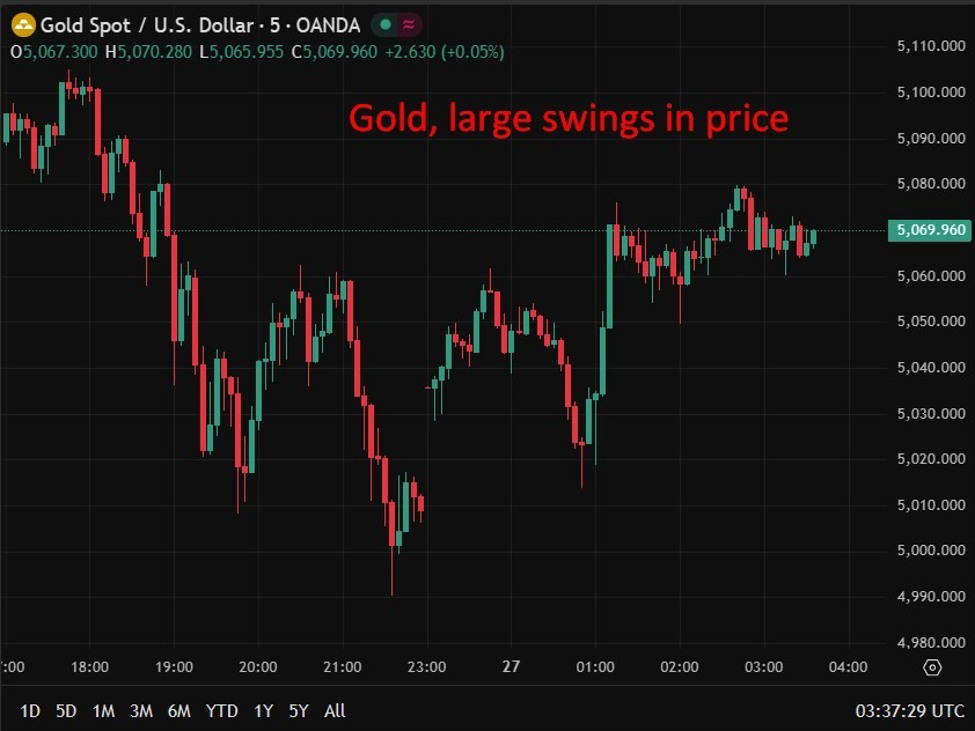
investingLive Asia-Pacific FX news wrap: Wild gold and silver price swings continue
January FOMC preview: Fed seen on hold with little new guidanceMorgan Stanley sees gold at $5,700 as banks turn even more bullishJapan service inflation holds near highs as wage pressures persistChina industrial profits rebound in December as price pressures easeChina to roll out policy to manage AI job impact and boost employmentMicron to expand memory chip production in Singapore amid global shortageChina Dec 2025 Industrial Profits +5.3% y/y (prior -13.1%)Financial Times says “EU to announce ‘mother of all’ Indian trade deals”PBOC sets USD/ CNY reference rate today at 6.9858 (vs. estimate 6.9548)Australian December Business confidence 3 (prior 1) & Conditions 9 (prior 7)UK PM Starmer heads to China to reset UK ties amid growing US tensionsUK shop price inflation hits two-year high as food costs accelerateJapan Services PPI (December 2025) 2.6% y/y (prior +2.7%)TD Securities: Dollar weakness overdone, only modest downside seen in 2026Brazil set to dominate China soybean imports in early 2026 as prices undercut U.S.ExSAFE official: China RMB faces domestic reform test as cracks emerge in dollar dominanceTrump hikes South Korea tariffs to 25%, citing stalled trade dealMedicare rate proposal shocks insurers, US health stocks slide after hoursinvestingLive Americas market news wrap: Silver squeezes to $117 then fadesSummary:Trump revives Asia-Pacific trade tensions by lifting tariffs on South Korean goods to 25%, before Seoul signals fast-tracked legislative actionJapan service-sector inflation remains firm, reinforcing wage-driven price pressureUK shop price inflation jumps to a two-year high, challenging “inflation has peaked” narrativesAustralian business conditions improve but capacity constraints remain elevatedChina’s industrial profits return to growth, though gains are uneven and driven by foreign firmsGeopolitical risk lingers as reports suggest Iran’s leadership is under growing internal strainUS President Donald Trump said he will raise tariffs on South Korean goods to 25% from 15%, citing Seoul’s failure to ratify a 2025 trade deal. The move targets autos, lumber and pharmaceuticals, reviving Asia-Pacific trade tensions. Korean export-linked stocks weakened, with Hyundai Motor shares initially down around 4%.In a later update, a South Korean ruling party official said legislation to enact US investment commitments has now been introduced and will soon be reviewed. Seoul’s trade envoy is also expected to visit Washington shortly to meet the USTR, suggesting efforts are under way to prevent further escalation.In Japan, services inflation signals remained firm. The Bank of Japan said the services producer price index rose 2.6% y/y in December, underscoring ongoing cost pass-through driven by labour shortages. The data reinforces the BoJ’s view that wage-driven inflation pressures remain entrenched.UK inflation pressures also resurfaced at the retail level. Shop price inflation rose to 1.5% y/y in January, its fastest pace since early 2024, according to the British Retail Consortium. The BRC said higher energy costs and increased employer National Insurance contributions continue to feed through, challenging claims that inflation has peaked.In Australia, business activity improved in December, with the National Australia Bank survey showing business conditions rising two points to +9 and confidence edging up to +3. Sales and profits strengthened, while employment remained around acceptable levels but well below prior highs. Capacity utilisation eased only marginally to an elevated 83.2%, suggesting limited spare capacity. Wage, cost and price indicators rose slightly, though final prices remained relatively subdued compared with CPI, and retail price growth slowed to its weakest pace since 2020.China’s industrial sector showed tentative stabilisation. Industrial profits rose 5.3% y/y in December, rebounding from November’s 13% slump and delivering the first full-year gain since 2021, albeit a modest 0.6%. The improvement was driven entirely by foreign firms, which posted a 4.2% profit rise in 2025. State-owned enterprises saw profits fall 3.9%, while private-sector profits were flat year-on-year.On geopolitics, the The New York Times reported that President Trump has received multiple intelligence assessments suggesting Iran’s leadership is under increasing strain, potentially at its weakest point since the 1979 Islamic Revolution. The report cited several people familiar with the intelligence. Major FX rates, even yen, traded in limited ranges. Asia-Pac stocks: Japan (Nikkei 225) +0.4%Hong Kong (Hang Seng) +1.2% Shanghai Composite -0.01%Australia (S&P/ASX 200) +0.82% This article was written by Eamonn Sheridan at investinglive.com. 🔗 Source
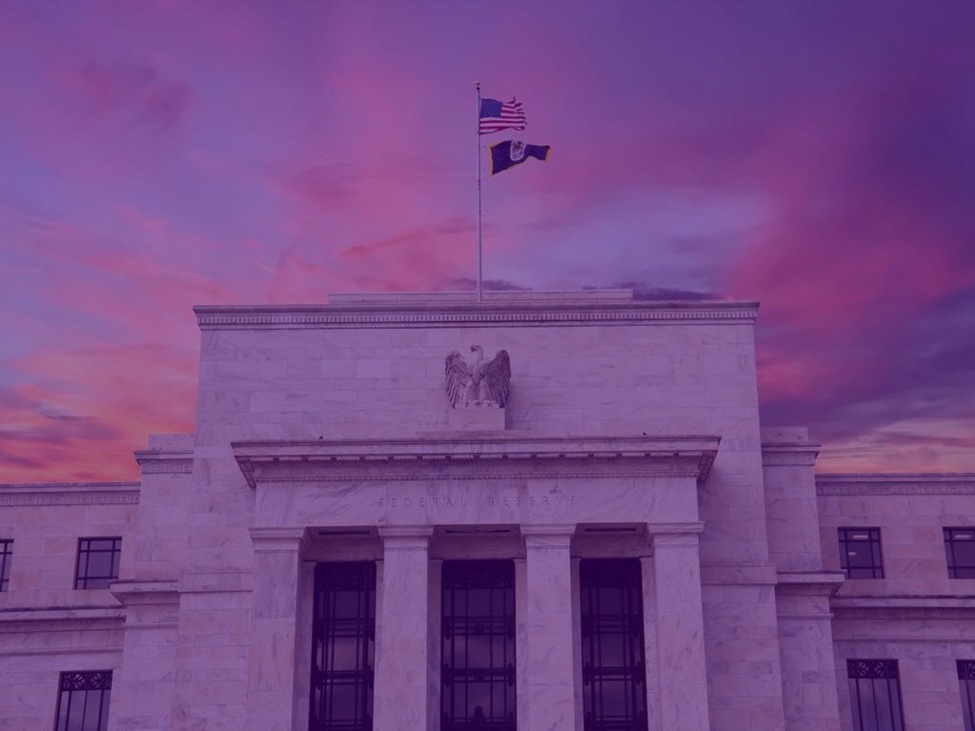
There's only one key question when it comes to the Fed meeting this week – Morgan Stanley
Morgan Stanley doesn’t expect the Fed to pull off any surprises this week, keeping monetary policy unchanged. However, there could be some light changes to the statement but overall the firm expects the central bank to reaffirm a more easing bias.For some context, their call fits very well with market expectations as Fed funds futures show ~97% odds of no change to rates this week. The next full 25 bps rate cut is only priced in for July with odds of it being in June sitting at ~75% currently.Given the backdrop and market pricing, Morgan Stanley argues that there is only one key question to navigate through in this week’s meeting. And that will be whether Powell & co. will keep a more explicit dovish bias in their communique or hint at a more prolonged pause?”We expect the Fed to remain on hold at its January meeting, keeping the target range for the federal funds rate at 3.5-3.75%. The Fed initiated bill purchases to keep reserve balances at “ample” levels. We expect that policy to be maintained in January with no additional changes. In the statement, we expect the Committee to upgrade its assessment of growth and remove the wording around downside risks to the labor market having risen. We expect the “extent and timing of additional adjustments” language to stay, signaling a continued easing bias. The key question at this meeting will be how Powell communicates the pause: is it a “dovish hold” in which he continues to emphasize that the outlook supports further rate cuts, or will Powell signal a more durable pause? We expect the former.” This article was written by Justin Low at investinglive.com. 🔗 Source 💡 DMK Insight The Fed’s expected stance this week is a crucial signal for traders: no surprises likely means stability in the markets. With Morgan Stanley predicting a reaffirmation of easing bias, traders should be on the lookout for how this affects interest-sensitive assets like bonds and equities. If the Fed maintains its current course, we could see a continuation of the recent trends in the stock market, especially in sectors that thrive on lower rates. However, if any unexpected language shifts occur, it could lead to volatility, particularly in the forex market as traders adjust their positions. Keep an eye on the USD’s reaction, especially against major pairs like EUR/USD and GBP/USD, as these could reflect broader market sentiment. The flip side here is that while stability is generally good, complacency can lead to missed opportunities. If you’re holding positions in rate-sensitive stocks, consider setting alerts for any sudden changes in Fed communications. Watch for the statement’s release and be ready to act if the market reacts unexpectedly. 📮 Takeaway Monitor the Fed’s statement closely this week; any unexpected language could trigger volatility in forex and equities, especially in rate-sensitive sectors.

USD/JPY finds timely bounce off key technical support for now
The Japanese yen remains a key focus in markets this week after having seen Tokyo officials more than likely performed a ‘rate check’ on Friday last week. That was enough to alleviate the pressure on the currency with USD/JPY stumbling down from 159.00 to hit a low of 153.30 yesterday.However, the drop yesterday was arrested by a key technical support level. Of note, buyers stepped up to muster a defense at the 100-day moving average (red line) in fighting back against intervention risks from Japan’s ministry of finance (MOF). So, what’s next for the pair?The dollar side of the equation is also helping to pin the pair lower since Friday, that as the greenback tumbled across the major currencies space. That also led to precious metals being sent into overdrive with gold and silver still hanging at the highs today after the parabolic jump – more so than it was before – to start the week.However, are we fast approaching the apex of these surging and momentous market moves? When something goes up too far, too fast, there’s typically always some point of pullback/reckoning. So, just be wary of that.As for the yen side of the equation, it’s a tough one. Right now, it is all about reading the tea leaves. After the ‘rate check’ last week, it is more than likely to expect the MOF to step in with actual intervention at some point.The question is, will that change anything in the big picture and when market players view the structural outlook?Not quite.If Takaichi continues to hold premiership and progresses with her more expansive fiscal policies, that will continue to keep the pressure on the Japanese currency and bond market. At the same time, she wants the BOJ to take a step back from raising interest rates further. So, the Takaichi trade will still be well and truly on. And that means markets will continue to look for opportunities to punish Japan’s worsening fiscal position.So, actual intervention might help to bring some short-term relief to USD/JPY. But as a reminder to what happened back in July 2024 when the pair rose to above 160.00, actual intervention managed to get the pair down to 140.00 in September before returning back up to 158.00 levels in January 2025.That suggests that it’s no easy biscuit if Tokyo chooses to fight back against markets now. This article was written by Justin Low at investinglive.com. 🔗 Source 💡 DMK Insight The recent rate check by Tokyo officials has shifted USD/JPY from 159.00 to 153.30, and here’s why that matters: This move indicates Japan’s commitment to stabilizing the yen, which could signal a more aggressive monetary policy stance in the coming weeks. Traders should note that this intervention comes amid rising global interest rates, creating a complex backdrop for currency pairs. The USD/JPY’s drop could open up short-term trading opportunities, especially if it tests support around the 152.00 level. Look for potential rebounds or further declines depending on upcoming economic data releases from both Japan and the U.S. Additionally, if the yen continues to strengthen, it could impact related assets like Japanese equities, which often react negatively to a stronger yen due to export competitiveness concerns. But here’s the flip side: if the dollar strengthens due to robust U.S. economic indicators, we might see a quick reversal back towards the 159.00 mark. Keep an eye on the 154.00 resistance level for potential breakout signals. The next few days will be crucial for gauging market sentiment and positioning accordingly. 📮 Takeaway Watch for USD/JPY around the 152.00 support level; a break could signal further declines, while resistance at 154.00 is key for potential reversals.

FX option expiries for 27 January 10am New York cut
There aren’t any major expiries to take note of on the day, with the full list seen below.The day itself doesn’t contain any large expiries whatsoever, so that is quite straightforward. But in any case, there are bigger drivers of trading sentiment at play at the moment. So even if there are any large expiries, the impact might be more muted amid all else that is going on in broader markets.The key major currency to watch remains the Japanese yen as intervention risks are bordering on the extreme now. That after the speculated ‘rate check’ from Tokyo officials on Friday last week. USD/JPY is catching a slight bounce off the 100-day moving average to start the new week, but downside risks remain heightened in the short-term with Japan’s ministry of finance set to pull the trigger for actual intervention at any time.Besides that, the dollar remains weak as a whole with precious metals continuing to surge higher. The flows we’re seeing are quite something and it will be silly to try and pick the top for where gold and silver is going to go. It was the same case as it was all through January and the same sentiment applies now.Yes, the moves have gone parabolic by quite an extent but the surging run and dollar rout will end when it ends. It is a fool’s errand to be playing guessing games here.As such, the dollar is still in a vulnerable spot with downside pressures still evident against the rest of the major currencies too. Do keep in mind that month-end flows will also factor into the equation in the days ahead.For more information on how to use this data, you may refer to this post here.Head on over to investingLive (formerly ForexLive) to get in on the know! This article was written by Justin Low at investinglive.com. 🔗 Source 💡 DMK Insight With no major expiries today, traders might feel a bit of calm, but don’t let that lull you into complacency. The real action is driven by broader market sentiment and macroeconomic factors that could shift quickly. Keep an eye on economic indicators like inflation rates or employment data, as these can influence volatility and trading strategies. Even without expiries, the market can react sharply to news, especially if it relates to interest rates or geopolitical events. If you’re in swing trades, consider tightening your stop-loss orders to protect against sudden moves. Watch for any shifts in sentiment that could lead to increased volatility, particularly in correlated assets like commodities or equities. The absence of expiries might suggest a quieter day, but be prepared for unexpected reactions based on external news. As we move forward, keep an eye on the upcoming economic calendar for any scheduled reports that could impact market sentiment, especially if they coincide with key technical levels in your trading strategy. 📮 Takeaway Monitor upcoming economic indicators closely, as they could trigger volatility despite today’s lack of major expiries.

Legendary captain John Terry to attend The Famous CFC in Bangkok with TMGM
In collaboration with presenting partner TMGM, Chelsea’s Official Regional Online Forex and CFD Trading Partner in the Asia-Pacific region, the latest instalment of the global fan party will coincide with Chelsea’s trip to North London for the Premier League derby against Arsenal on March 1.The Famous CFC has fulfilled events in Jakarta, Perth and Chongqing to date this season, bringing together thousands of Chelsea supporters and club legends through the international fan programme. Designed to deepen connections with Chelsea’s overseas fanbase, The Famous CFC has now been extended into the 2025/26 season, with more host cities set to welcome the event throughout the year.Across the weekend, fans will have the opportunity to attend a watch party to see Chelsea take on Arsenal in what promises to be a thrilling encounter. An exclusive Q&A session will also take place with the former club captain and five-time Premier League champion in attendance.Supporters at the event will be able to take part in prize giveaways featuring signed items, capture photos alongside the Premier League trophy, and immerse themselves in the experience of being part of Chelsea’s worldwide fan community.One of the greatest players in Chelsea’s history, John Terry remains the club’s most successful captain, lifting every major honour during his time in blue, including the UEFA Champions League and five Premier League titles. This appearance marks Terry’s first involvement in The Famous CFC fan experience.TMGM will once again serve as the presenting partner, building on the success of last season’s Kuala Lumpur edition, which saw hundreds of Chelsea supporters come together for a weekend of legend appearances with Gary Cahill, interactive fan activities, a dedicated fan celebration, and the opportunity to receive signed merchandise.* Investing in leveraged products carries high risks and is not suitable for all investors. You have no interest in the underlying asset. Read the Client Agreement and other disclosure documents set forth on our website. The above information is provided by Trademax Global Limited VFSC 40356. This article was written by IL Contributors at investinglive.com. 🔗 Source

Silver back on the run again, up 9% on the day
It’s crazy to think that at this time last year, silver was trading at $30. And here we are today talking about near $10 price swings in just one day. These are nearly once-in-a-lifetime moves we’re seeing in the commodities space and it’s absolutely wild. Since the start of the year, the run up in silver has gone parabolic and things are continuing down that path this week.The precious metal has easily breezed past the $100 mark with the high yesterday touching $117.75. All that before a bout of profit-taking hit and the pair fell back to around $103 levels to wrap up the day. Fast forward to today and the bids are flowing back in with silver racing up to just above $113 as we get into European morning trade.That sees it comfortably recover more than half of the overnight drop already. So, what’s next for silver?The run will stop when it stops. It is a fool’s errand to be picking or calling a top and it has been all month long. This is the same principle of don’t ever catch a falling knife. It is just the script has flipped and it’s a dangerous gamble to be trying to call for a peak/top in a market this wild.As for the fundamental factors, the same key drivers underpinning the parabolic rally are all still at play. The currency debasement narrative helping to send precious metals into overdrive alongside silver’s own supply side tightness makes for a potent combo. And in a time when the dollar is weak and market players loving to pile in on anything with a perfect storm, it is resulting in what we’re seeing.And the thing is, these factors are likely to stay for an extended period of time. However, that is not to say that we won’t be seeing silver prices facing a strong and sharp correction any time soon. With any moves that go too far and too fast, there’s always the risk of a reckoning coming.So, that’s the danger that silver traders will have to be mindful of. I mean, the precious metal is already up some 57% this month alone after ~98% gains in the previous six months. When the hammer falls, it is going to fall hard. However, expect dip buyers to quickly recover ground once we fully flush out that correction. This article was written by Justin Low at investinglive.com. 🔗 Source 💡 DMK Insight Silver’s wild price swings are shaking up the commodities market, and here’s why that matters for traders right now: With silver currently around $10, the volatility is a double-edged sword. Traders can capitalize on these rapid movements, but they also need to be cautious. The recent swings indicate heightened market sentiment and speculative trading, which could lead to further fluctuations. If you’re looking at silver, keep an eye on key support and resistance levels; a break below $9.50 could trigger panic selling, while a push above $11 might attract more buyers. This volatility isn’t just limited to silver; it could spill over into related assets like gold and even cryptocurrencies, as traders seek refuge or risk in different markets. But here’s the flip side: while the potential for profit is enticing, the risk of loss is equally high. Traders should monitor the broader economic indicators, including inflation rates and interest rates, which can heavily influence commodity prices. With such unpredictable movements, having a solid risk management strategy is essential. Watch for any news that could impact market sentiment, as that could lead to even more dramatic price swings. 📮 Takeaway Keep an eye on silver’s support at $9.50 and resistance at $11—these levels could dictate the next big moves.