
 Bitcoin
  Ethereum
  Tether
  BNB
BNB  XRP
XRP  USDC
USDC  Solana
  TRON
TRON  Lido Staked Ether
  Figure Heloc
The SEC’s Paul Atkins and the CFTC’s Michael Selig will discuss the two agencies’ crypto oversight as legislative efforts to define their roles work through the Senate. 🔗 Source 💡 DMK Insight The SEC and CFTC’s upcoming discussion on crypto oversight is a pivotal moment for traders. As legislative efforts to clarify their roles progress, the implications for market regulation could be significant. Traders should be aware that clearer regulations might lead to increased institutional participation, potentially stabilizing volatility in the crypto markets. However, there’s a flip side: if the regulations are overly restrictive, it could stifle innovation and push trading activity to less regulated environments. Watch for any specific guidelines or timelines that emerge from this discussion, as they could impact trading strategies, particularly for those involved in derivatives or leveraged positions. Keep an eye on the broader market sentiment as well; if traders perceive these discussions as favorable, we could see a bullish trend in major cryptocurrencies. Conversely, any signs of heavy-handed regulation could trigger a sell-off. The next few weeks will be crucial for gauging market reactions to these developments. 📮 Takeaway Monitor the SEC and CFTC discussions closely; any regulatory clarity could shift market sentiment significantly, impacting trading strategies in the coming weeks.

US bank lobby says stopping stablecoin yields a top 2026 priority
The American Bankers Association’s fight over stablecoin yields has become its top priority as Congress looks to pass crypto market structure legislation before the midterms. 🔗 Source 💡 DMK Insight The American Bankers Association’s focus on stablecoin yields is a game changer for crypto regulation. With Congress gearing up to pass crypto market structure legislation, the outcome could significantly impact how stablecoins are treated. If yields on stablecoins are regulated, it could alter the competitive landscape, affecting not just stablecoins but also traditional banking products. Traders should keep an eye on how this regulatory push unfolds, as it could lead to volatility in both crypto and traditional markets. Watch for potential shifts in institutional interest and retail sentiment as these developments unfold, especially if yields are capped or altered. This could also ripple into related assets like DeFi tokens, which often rely on stablecoins for liquidity. As we approach the midterms, the timing is crucial—monitor legislative updates closely and be prepared for market reactions that could arise from any announcements. 📮 Takeaway Keep an eye on stablecoin yield regulations as they could shift market dynamics and impact related assets significantly before the midterms.

Binance applies for MiCA license in Greece as EU deadlines loom
Binance applied for a MiCA license in Greece shortly after France flagged the exchange as still unlicensed under MiCA ahead of June compliance deadlines. 🔗 Source 💡 DMK Insight Binance’s move to apply for a MiCA license in Greece is a strategic pivot amidst regulatory pressures, and here’s why it matters now: With France’s recent warning about Binance’s unlicensed status under MiCA, the urgency for compliance is palpable. This isn’t just about avoiding fines; it’s about maintaining operational legitimacy in a critical European market. Traders should watch how this affects Binance’s trading volumes and liquidity, especially as compliance deadlines loom in June. If Binance can secure this license, it might stabilize its operations and restore confidence among traders, potentially leading to a bullish sentiment in the broader crypto market. However, there’s a flip side. If Binance fails to comply or faces further regulatory hurdles, we could see a significant drop in user trust and trading activity. This could ripple through the market, impacting related assets like BNB and other exchanges. Keep an eye on Binance’s trading volumes and any updates on their licensing status, as these will be key indicators of market sentiment in the coming weeks. 📮 Takeaway Watch Binance’s licensing progress closely; a successful MiCA application could boost market confidence, while failure might trigger a sell-off in BNB and related assets.

Kansas bill would create state-managed Bitcoin and digital assets reserve
The proposal would fund the reserve with unclaimed crypto and staking rewards rather than direct state Bitcoin purchases. 🔗 Source 💡 DMK Insight Funding a reserve with unclaimed crypto and staking rewards could shift market dynamics significantly. This approach suggests a more sustainable model for state involvement in Bitcoin, reducing the immediate pressure on market prices from direct purchases. By utilizing unclaimed assets, the state can maintain a presence in the crypto space without directly impacting supply-demand dynamics. This could lead to increased stability in Bitcoin prices, especially if other states consider similar strategies. Traders should keep an eye on how this influences institutional sentiment and potential regulatory responses, as it could set a precedent for future state involvement in crypto markets. Watch for any announcements or movements in state-level crypto policies that might ripple through related assets, particularly altcoins that often follow Bitcoin’s lead. The next few weeks could reveal how this strategy plays out in terms of market reactions and price adjustments. 📮 Takeaway Monitor state-level crypto policy announcements closely; they could impact Bitcoin’s price stability and institutional sentiment significantly.
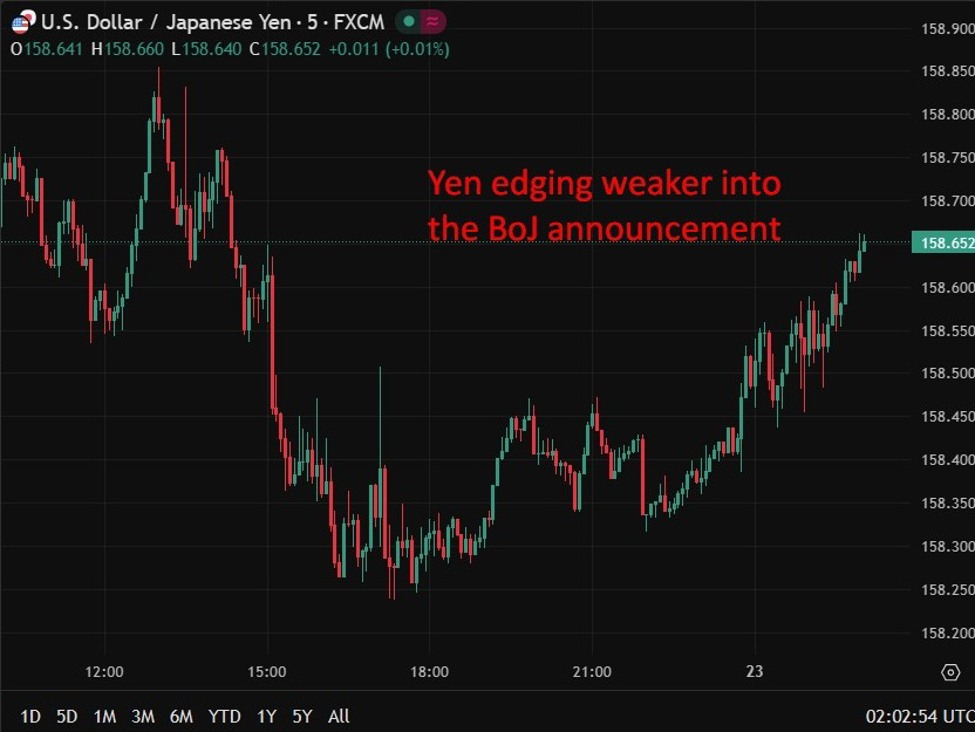
Japan says bond market stress has eased as volatility persists
Japan signalled heightened market vigilance while playing down recent bond market stress.Summary:Japan monitoring markets closely amid ongoing volatilityFinance minister says bond market rout has easedDetails of proposed sales tax cut not yet decidedOngoing communication with US Treasury officialsAuthorities stress importance of market dialogueJapan’s government signalled heightened vigilance over financial market conditions on Friday, as Finance Minister Satsuki Katayama acknowledged recent instability across both global and domestic markets while seeking to reassure investors that stress in the bond market has begun to ease.Speaking at a press conference, Katayama said authorities are monitoring market developments with a “high sense of urgency,” reflecting ongoing volatility in interest rates, currencies and risk assets. While noting that conditions remain unsettled, she said the sharp sell-off that recently hit the Japanese government bond market appears to have receded, offering some relief after a period of rising yields and thinning liquidity.Katayama stressed the importance of maintaining close and continuous communication with financial markets, underlining the government’s desire to avoid disorderly moves. Her comments come as Japan navigates a delicate policy environment, with investors increasingly sensitive to fiscal signals, bond supply dynamics and the trajectory of monetary normalisation.On fiscal policy, the finance minister said details surrounding a proposed sales tax cut have yet to be finalised. The lack of clarity keeps markets alert to the risk of expansionary fiscal measures at a time when public debt levels are already elevated and long-term yields have been testing multi-decade highs. Any move to cut consumption taxes without a clear funding plan could revive concerns around Japan’s fiscal outlook and debt sustainability.Katayama also confirmed that Japan has been in regular contact with US officials, including ongoing communication with Scott Bessent, highlighting the importance of international coordination amid volatile global markets. The dialogue underscores shared concerns around market stability, capital flows and the spillover effects of policy decisions in major economies.The comments follow a period of sharp moves in Japanese bonds, with long-dated yields rising rapidly as investors reassessed fiscal risks and the pace of policy normalisation by the Bank of Japan. While recent price action suggests some stabilisation, the broader backdrop remains fragile, particularly as markets weigh the interaction between looser fiscal policy and tighter monetary settings.Overall, the finance minister’s remarks were aimed at striking a balance between acknowledging ongoing risks and calming market nerves. By emphasising dialogue, monitoring and international coordination, Japanese authorities appear focused on preventing renewed disorder in bonds and spillovers into currency and equity markets, even as policy uncertainty continues to cloud the outlook.Still ahead:Economic and event calendar in Asia 23 January 2026; BOJ decision dayBOJ signals readiness for more rate hikes as yen weakness fuels inflation risksBoJ preview: Will the central bank intervene in the bond market and sink the yen? This article was written by Eamonn Sheridan at investinglive.com. 🔗 Source 💡 DMK Insight Japan’s vigilance over market volatility is a signal for traders to stay alert. The Japanese government is closely monitoring the bond market, which has seen recent stress. While Finance Minister statements suggest that the bond market rout has eased, the lack of details on a proposed sales tax cut indicates uncertainty. This could lead to increased volatility in both the yen and Japanese equities. Traders should consider how this heightened scrutiny might affect sentiment in the forex market, particularly against the US dollar. If the yen weakens further, it could trigger a wave of selling in Japanese stocks, impacting global markets as well. Here’s the thing: while mainstream coverage may downplay the situation, the ongoing communication with US Treasury officials hints at a potential ripple effect on US bonds and equities. Keep an eye on the 10-year Japanese government bond yield; a break above recent highs could signal renewed selling pressure. Watch for any updates on the sales tax cut, as that could be a catalyst for market movement in the near term. 📮 Takeaway Monitor the 10-year Japanese government bond yield closely; a break above recent highs could indicate renewed volatility in both the yen and Japanese equities.
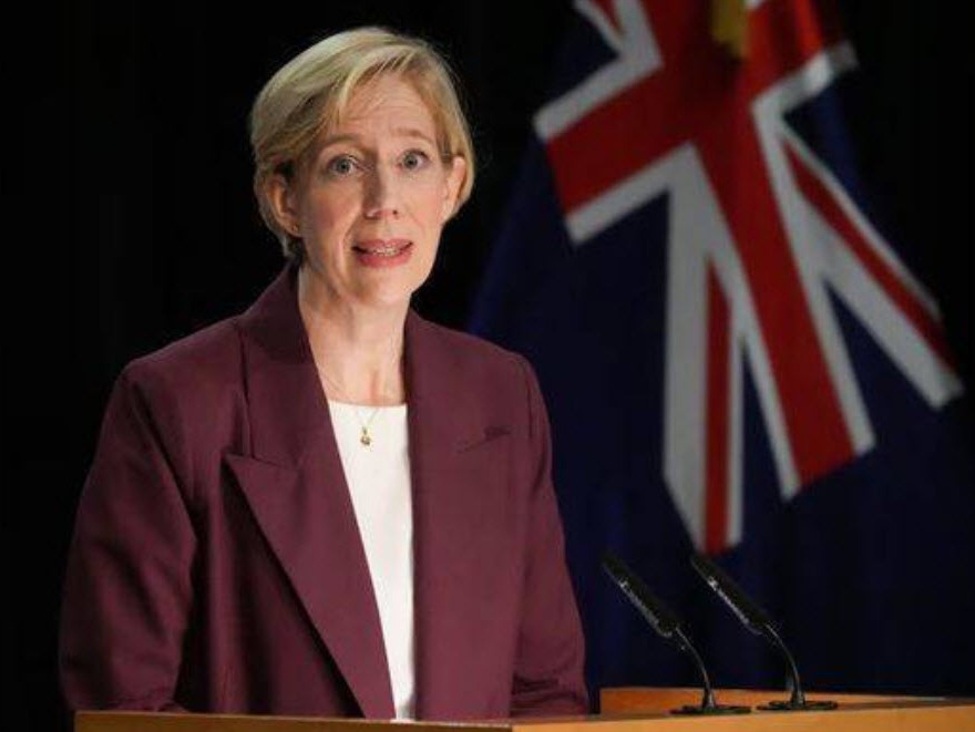
RBNZ Governor Breman vows to return inflation to 2% after CPI edges above target band
RBNZ reiterated its 2% inflation goal after CPI rose above target, stressing vigilance while noting spare capacity should help cool pressures.Summary:RBNZ says it remains committed to returning inflation to 2% midpointQ4 annual CPI accelerated to 3.1%, slightly above the 1%–3% bandGovernor says core inflation still appears within target rangeBank to stay “very vigilant” on inflation amid mixed recovery signalsSpare capacity and subdued wage growth seen helping inflation fallReserve Bank of New Zealand Governor Anna Breman said the central bank remains committed to returning inflation to the 2% midpoint of its target band, even after fresh data showed inflation running slightly hotter than expected. Speaking after the release of the December-quarter CPI report, Breman said the RBNZ is still assessing the details of the inflation outcome but views conditions as broadly supportive for inflation to ease back toward target.Statistics New Zealand data showed annual inflation rose to 3.1% in the fourth quarter from 3.0% previously, pushing inflation marginally above the RBNZ’s 1%–3% target range. Breman said core inflation still appears to be within the band, an important signal for policymakers as they judge whether the rise in headline inflation reflects temporary factors or more persistent domestic price pressures.The governor emphasised that the RBNZ will remain highly alert to inflation risks in the current environment. However, she pointed to underlying conditions that should help bring inflation lower over time, including spare capacity in the economy and wage growth that remains relatively subdued. Those dynamics, she suggested, give the central bank room to manage the “balancing act” between supporting a recovery and ensuring inflation returns to target.On growth, Breman said New Zealand is seeing signs of an economic recovery, though some indicators remain weak. That mixed backdrop reinforces the central bank’s need to move carefully, watching how demand and labour-market conditions evolve after a significant easing cycle. The RBNZ has already delivered large rate cuts since 2024, and recent communications have suggested policymakers are increasingly focused on whether policy is now sufficiently supportive to sustain recovery without reigniting inflation.Breman also addressed a separate political sensitivity, saying her signing of a statement supporting the US Federal Reserve chair was not intended to represent New Zealand government foreign policy. The comment appears aimed at drawing a line between central bank independence and broader geopolitical debate, while keeping attention on the RBNZ’s domestic mandate.Overall, the message from the governor was one of reassurance and vigilance: headline inflation has nudged above target, but the bank still expects a path back toward the 2% midpoint, underpinned by spare capacity and muted wage pressures. Markets will now focus on whether subsequent data confirm a cooling trend in underlying inflation, or whether persistent domestic pressures force the RBNZ to keep policy tighter for longer than previously anticipated. This article was written by Eamonn Sheridan at investinglive.com. 🔗 Source 💡 DMK Insight RBNZ’s commitment to a 2% inflation target is crucial for traders right now, especially with CPI hitting 3.1%. This signals that the central bank is likely to maintain a hawkish stance, which could impact the NZD in the forex market. Traders should watch for any hints of rate hikes or policy adjustments in upcoming meetings, as this could lead to increased volatility. If inflation continues to rise, we might see a stronger NZD against currencies like the AUD or USD. However, the mention of spare capacity suggests that the RBNZ believes it has room to maneuver without drastic measures, which could temper aggressive trading strategies. Keep an eye on the NZD/USD pair, particularly if it approaches key resistance levels. A breakout above those levels could indicate a bullish trend, while failure to do so might lead to a pullback. The next CPI report will be critical, as it could either reinforce or challenge the RBNZ’s current narrative. 📮 Takeaway Watch the NZD/USD closely; a breakout above key resistance could signal a bullish trend if inflation pressures persist.
Bank of Japan leaves short term rate on hold, as expected
Bank of Japan (BoJ) on hold, as expected. I’ll post more detail on this separately. … Here we go, the full report is here:BOJ holds rates at 0.75%, Lifts core inflation outlook. Dissent highlights inflation risk-The prospect of an April rate hike has gained. This article was written by Eamonn Sheridan at investinglive.com. 🔗 Source 💡 DMK Insight The BoJ’s decision to hold rates at 0.75% signals a cautious approach amid rising inflation risks. With the central bank lifting its core inflation outlook, traders should brace for potential volatility in the yen and related forex pairs. The mention of a possible rate hike in April suggests that the BoJ is increasingly concerned about inflation, which could lead to a stronger yen if markets perceive a shift in monetary policy. This is crucial for forex traders, especially those holding positions in USD/JPY, as a rate hike could strengthen the yen against the dollar. Keep an eye on inflation data releases and market sentiment leading up to April, as these will be key indicators of the BoJ’s next moves. Additionally, watch for reactions from other central banks, as their policies could create ripple effects across currency markets, impacting cross-currency pairs as well. The real story here is how traders position themselves ahead of potential shifts in monetary policy, so stay alert for any signs of market sentiment changing around inflation expectations. 📮 Takeaway Watch for inflation data and market sentiment leading to April; a rate hike could strengthen the yen significantly against the dollar.
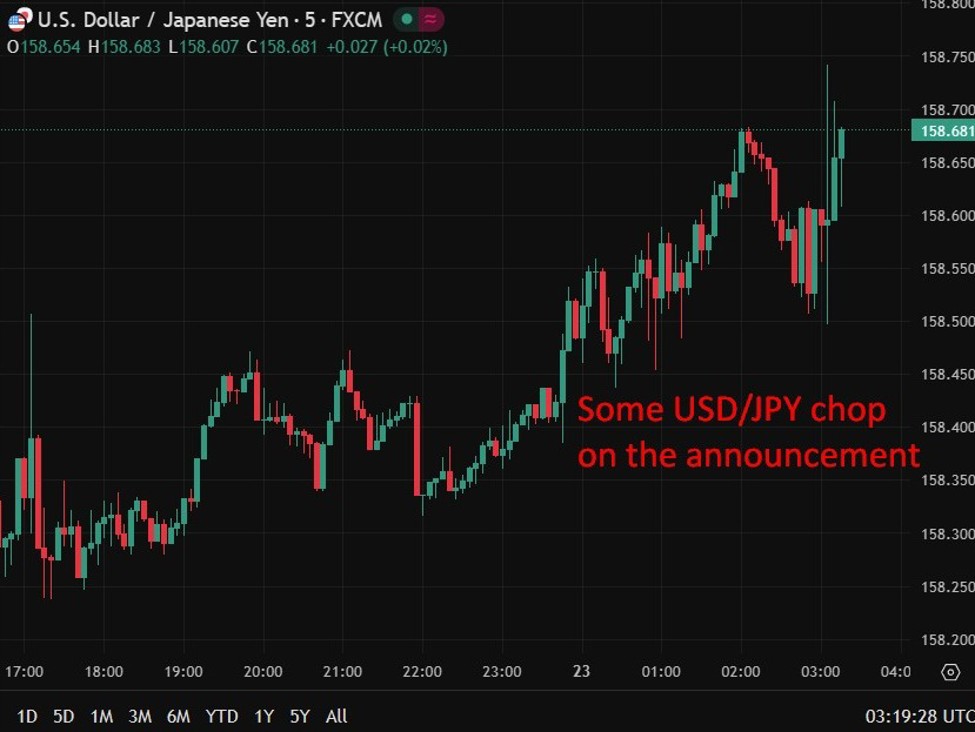
BOJ holds rates at 0.75%, Lifts core inflation outlook. Dissent highlights inflation risk
The BOJ held rates steady but highlighted firmer underlying inflation and rising internal debate over the pace of tightening.Summary:BOJ kept policy rate at 0.75% by 8–1 voteTakata dissented, calling for an immediate hike to 1.0% Core-core inflation forecasts revised higher across yearsGrowth outlook upgraded for FY25 and FY26FX volatility and wage pass-through seen as rising risksPolicy decisionThe Bank of Japan kept its overnight call rate unchanged at 0.75%, with the decision approved by an 8–1 board vote. Board member Takata dissented, arguing that Japan had effectively achieved its price stability objective and that inflation risks were skewed to the upside amid improving overseas economic conditions.Takata proposed raising the short-term policy rate to 1.0%, citing rising price pressures and a more favourable external environment. The proposal was rejected by the majority, highlighting a growing divergence within the board over the appropriate pace of policy normalisation.Inflation forecastsThe BOJ left its core CPI forecast for fiscal 2025 unchanged at 2.7%, while nudging up projections further out. The median core CPI forecast for fiscal 2026 was revised to 1.9% from 1.8%, while the fiscal 2027 outlook remained steady at 2.0%.More notably, forecasts for “core-core” inflation, excluding both fresh food and energy, were revised higher across the horizon. The median forecast for fiscal 2025 rose to 3.0% from 2.8%, for fiscal 2026 to 2.2% from 2.0%, and for fiscal 2027 to 2.1% from 2.0%. These revisions reinforce the view that underlying domestic inflation pressures remain firmer than previously expected.The BOJ said core inflation is likely to dip below 2% through the first half of this year due to base effects, before settling at levels broadly consistent with its 2% target in the second half of the projection period.Growth outlookThe central bank upgraded its growth outlook for fiscal 2025 and 2026, lifting median real GDP forecasts to 0.9% and 1.0% respectively, from 0.7% previously. The fiscal 2027 forecast was trimmed slightly to 0.8% from 1.0%.Japan’s potential growth rate was estimated at around 0.5%, underscoring the structural constraints facing the economy even as the recovery continues. The BOJ said the economy is recovering moderately, though some areas of weakness persist.Risks and assessmentThe BOJ judged risks to both growth and inflation as roughly balanced, but flagged several sources of uncertainty. These include the impact of global trade policies, domestic wage- and price-setting behaviour, and developments in financial and foreign exchange markets.The central bank said inflation expectations are rising moderately and that the mechanism linking wages and prices is likely to be sustained. It also warned that FX volatility now has a larger impact on prices than in the past, as firms have become more willing to pass higher costs through to consumers. Rising food prices, including rice, were described as largely reflecting temporary supply-side factors. Next up is Bank of Japan Governor Ueda at 0630 GMT, press conference. Today’s statement and report keep further rate hikes well and truly pon the simmer, we may get more from Ueda regarding time. He won’t be too specific but he is likely to offer up some clues. This article was written by Eamonn Sheridan at investinglive.com. 🔗 Source 💡 DMK Insight The BOJ’s decision to hold rates at 0.75% signals a cautious approach amid rising inflation, and here’s why that matters now: With core-core inflation forecasts being revised higher, traders should be on alert for potential shifts in monetary policy. The dissent from Takata, advocating for an immediate hike to 1.0%, suggests that internal pressures are mounting within the BOJ. This could lead to a more aggressive stance sooner than expected, impacting the yen and related currency pairs. Given the current FX volatility, traders should monitor the USD/JPY closely, especially if it approaches key resistance levels around 150. A breakout could trigger significant moves in both forex and broader markets, particularly if the market starts pricing in a rate hike sooner than anticipated. But here’s the flip side: if the BOJ maintains its current stance longer than expected, it could lead to a weakening yen, creating opportunities for long positions in USD/JPY. Keep an eye on upcoming inflation data and any comments from BOJ officials that might hint at future policy changes. The next few weeks will be crucial for gauging market sentiment and positioning accordingly. 📮 Takeaway Watch for USD/JPY around 150; a breakout could signal a shift in BOJ policy and trigger volatility.

China likely to lower 2026 growth target as global slowdown weighs
China is expected to lower its 2026 growth target, signalling tolerance for slower expansion amid global and domestic headwinds.Summary:China likely to set 2026 growth target at 4.5%–5%2025 growth met target but relied heavily on exportsGlobal slowdown weighing on future prospectsPolicymakers shifting focus to “high-quality” growthDomestic demand and investment remain key challengesChina is expected to set a more conservative official economic growth target for 2026, signalling a growing acceptance in Beijing that external headwinds and domestic structural challenges are limiting the scope for rapid expansion. According to reporting by the South China Morning Post, policymakers are likely to aim for growth of between 4.5% and 5%, down from the 5% target achieved in 2025.China’s $19 trillion economy met last year’s official growth goal despite weak domestic demand and renewed pressure from a second Trump administration. Growth was supported by a record trade surplus of around $1.2 trillion, as exporters redirected shipments to alternative markets to offset sluggish consumption at home. Economists caution, however, that this export-led buffer is becoming harder to sustain as global growth slows and trade competition intensifies.The external backdrop is deteriorating. The International Monetary Fund expects global growth to remain subdued this year before slowing further in 2027. For China, that implies exporters may need to accept lower margins to maintain volumes, raising concerns about profitability, deflationary pressures and rising trade frictions.As a result, Beijing faces mounting pressure to recalibrate its growth model. Policymakers are increasingly focused on shifting away from breakneck, investment-heavy expansion toward what they describe as “high-quality” development. That approach emphasises productivity gains, domestic consumption and more balanced growth, aimed at avoiding a prolonged period of stagnation similar to Japan’s post-bubble experience.Some economists argue that headline growth figures may already be overstating underlying momentum. Estimates from private analysts suggest the economy may have expanded by closer to 2.5%–3% last year, implying a sizeable shortfall versus official data. The Rhodium Group has attributed much of the slowdown to a sharp decline in fixed-asset investment as domestic demand weakened in the second half of the year.Against this backdrop, a 4.5%–5% growth target would represent a tacit acknowledgement of more constrained conditions ahead. Rather than signalling distress, such a move would indicate a willingness to tolerate moderate deceleration while prioritising economic resilience, reform and sustainability over headline speed. This article was written by Eamonn Sheridan at investinglive.com. 🔗 Source 💡 DMK Insight China’s potential cut to its 2026 growth target is a big deal for global markets. Setting the target at 4.5%-5% reflects a shift towards prioritizing quality over quantity in growth, which could impact commodities and currencies tied to Chinese demand. Traders should watch how this affects the yuan and related assets, especially if domestic demand and investment don’t pick up as expected. A slowdown in China could ripple through global supply chains, affecting everything from oil prices to tech stocks. Keep an eye on key economic indicators like manufacturing data and trade balances in the coming months, as they’ll provide insight into whether China can maintain its growth trajectory or if further adjustments are needed. Here’s the kicker: if the global economy continues to slow, we might see a stronger dollar as investors seek safety, which could further pressure commodities and emerging markets. Watch for any shifts in policy announcements from the PBOC that could signal how they plan to stimulate growth amidst these challenges. 📮 Takeaway Traders should monitor China’s growth target adjustments closely, especially for impacts on the yuan and commodities, as global demand shifts could create volatility.
investingLive Asia-Pacific FX news wrap: BoJ on hold, revised inflation forecasts higher
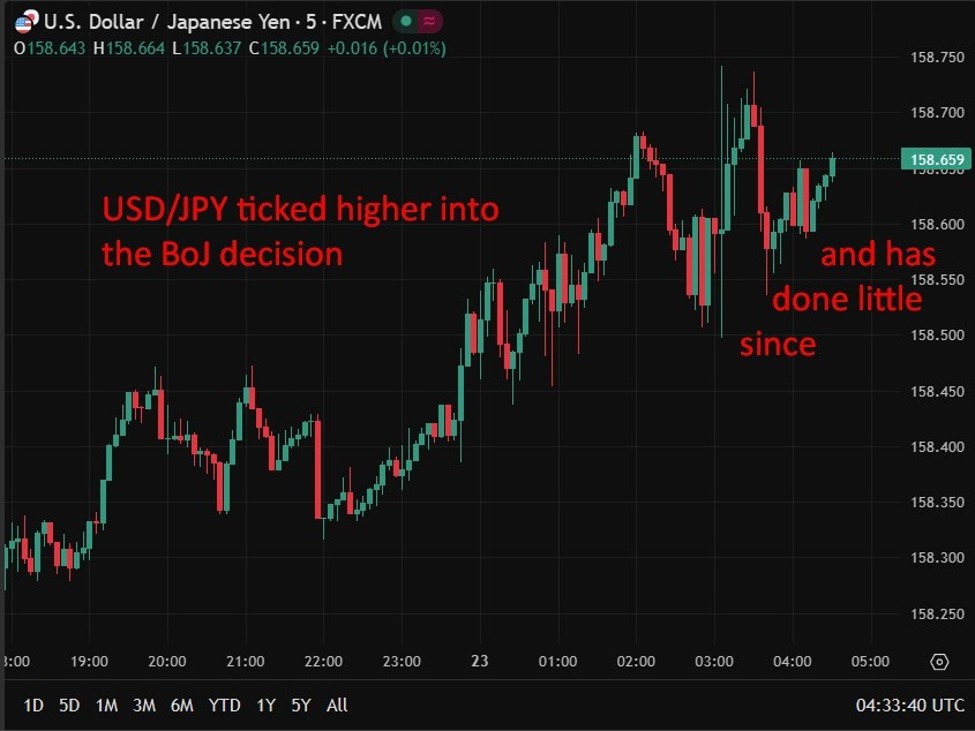
China likely to lower 2026 growth target as global slowdown weighsBOJ holds rates at 0.75%, Lifts core inflation outlook. Dissent highlights inflation riskBank of Japan leaves short term rate on hold, as expectedRBNZ Governor Breman vows to return inflation to 2% after CPI edges above target bandJapan says bond market stress has eased as volatility persistsBuffett’s real investment strategy was quality and intangible value, not bargain huntingPBOC sets USD/ CNY reference rate today at 6.9929 (vs. estimate 6.9481)TikTok strikes deal to spin off US business under Oracle-led venture, secures US presenceJapan core inflation slows but stays above BOJ targetJapan PMI hits 17-month high as manufacturing returns to growthUK consumer confidence ticks higher as personal finance outlook improvesEU closes in on Ukraine recovery deal, boosts Arctic security focus: EU Pres von der LeyenUBS warns funding flows, not selling, are key risk for US fiscal outlookJapan December 2025 Headline CPI 2.1% y/y (prior 2.9%)New Zealand inflation rises above target as domestic pressures persistAustralia PMI January jump. Business activity accelerates. Composite highest since Apr 22ICYMI – PBOC Governor signals further rate and RRR cuts as China keeps loose policy stanceTrump speaking, ignore him. The real news is there will be no $2K checks sent out.New Zealand Q4 CPI 0.6% q/q (expected 0.5%, prior 1.0%) & 3.1% y/y (expected 3%, prior 3%)Intel beats Q4 earnings expectations but flags softer margins and revenue in Q1investingLive Americas market news wrap: US PCE inflation runs a tad hotAt a glance:New Zealand Q4 CPI surprised to the upside, lifting annual inflation above the RBNZ target band and briefly supporting the NZDAustralian PMI data signalled a strong start to 2026 as services activity surged and price pressures easedJapan CPI slowed on headline measures, but underlying inflation remained firm ahead of the BOJ decisionChina’s PBOC reinforced its easing bias with a stronger yuan fix and record liquidity injectionsBOJ held rates but revealed growing internal debate, while Japanese political risk rose with a snap election callNew Zealand inflation was the first key regional driver, with Q4 CPI rising 0.6% q/q and lifting annual inflation to 3.1%, pushing it above the Reserve Bank of New Zealand’s 1–3% target band. The increase was driven by domestic cost pressures, with non-tradeable inflation at 3.5%, reinforcing expectations the RBNZ will remain on hold. The New Zealand dollar initially strengthened on the release.Later in the session, the RBNZ’s sectoral factor model showed inflation at 2.8% y/y in Q4, up from 2.7% in Q3 and marking the first increase since Q1 2023. While still above the 2% midpoint target, the release failed to extend NZD gains. NZD/USD gave back early strength, while AUD/USD followed a similar pattern and finished little changed.In Australia, January flash PMI data pointed to a strong start to 2026. The composite index jumped to 55.5, driven primarily by a sharp improvement in services activity and a solid lift in new orders. Importantly for policy expectations, price pressures moderated, with both input and output price indicators easing and selling price inflation remaining subdued.Japan’s December CPI showed headline inflation cooling for the first time in four months. The BOJ’s preferred measure, CPI excluding fresh food, rose 2.4% y/y, down from 3.0% in November and in line with expectations. The slowdown reflected a double subsidy effect: newly introduced fuel subsidies lowered costs in December, while the removal of energy subsidies a year earlier inflated the comparison base. However, underlying pressures remain firm, with core-core CPI rising 2.9%, highlighting persistent domestic inflation as the BOJ headed into its policy decision.USD/JPY edged modestly higher through the session ahead of the BOJ announcement, with limited conviction. The central bank ultimately kept its policy rate at 0.75%, but the decision was split, with one board member voting for an immediate hike to 1.0%. The BOJ revised up several inflation projections and improved its growth outlook, underscoring a growing internal debate over the pace of normalisation. USD/JPY saw only limited post-decision volatility, with focus now shifting to Governor Ueda’s press conference (0630 GMT/0130 US Eastern time).In China, the PBOC fixed the yuan at 6.9929 per dollar, the strongest CNY midpoint, and the first time for USD/CNY beneath the psychologically important 7-per-dollar level, since May 2023. Also note that the Bank injected a record 1 trillion yuan of medium- to long-term liquidity in January via reverse repos and the MLF, reinforcing its easing bias ahead of Lunar New Year cash demand to come in February. Political risk also came into focus in Japan, with Prime Minister Sanae Takaichi dissolving the lower house and calling a snap election for February 8, triggering the shortest campaign period on record. Separately, Japan’s finance minister said authorities remain on high alert as market volatility persists, though bond market stress appears to have eased. Asia-Pac stocks: Japan (Nikkei 225) +0.29%Hong Kong (Hang Seng) +0.33% Shanghai Composite +0.27%Australia (S&P/ASX 200) +0.06% This article was written by Eamonn Sheridan at investinglive.com. 🔗 Source 💡 DMK Insight China’s potential growth target cut for 2026 signals deeper economic concerns, and here’s why that matters: A lower growth target could exacerbate global market volatility, especially in commodities and currencies tied to China’s economy. Traders should watch how this impacts the Australian dollar and other currencies linked to Chinese trade. Meanwhile, the Bank of Japan’s decision to hold rates steady at 0.75% while lifting its core inflation outlook suggests a cautious approach to rising prices, but dissent among policymakers indicates underlying inflation risks that could lead to future rate hikes. This divergence in monetary policy between Japan and other economies could create opportunities in forex pairs like AUD/JPY. Keep an eye on inflation metrics and central bank communications for hints on future moves. As for the RBNZ’s commitment to returning inflation to 2%, it’s worth noting that this could lead to tighter monetary policy sooner than expected, impacting New Zealand’s dollar. Traders should monitor key inflation reports and central bank statements closely, as these could shift market sentiment rapidly. 📮 Takeaway Watch for shifts in the AUD/JPY pair as China’s growth target