
 Bitcoin
  Ethereum
  Tether
  BNB
BNB  XRP
XRP  USDC
USDC  Solana
  TRON
TRON  Lido Staked Ether
  Figure Heloc
Proprietary AI Systems Outperform Major Hedge Funds with Superior Risk-Adjusted Returns.Vertus, a frontier artificial intelligence company, today announced two major milestones demonstrating the advancement of machine reasoning in financial markets: surpassing $1 billion in daily AI-driven transactions and delivering 51.15% returns for 2025 with a Sharpe ratio of 2.13-figures independently audited by Alpha Performance Verification Services, Certified Public Accountants.The $1 billion single-day volume milestone, first achieved on November 25, 2025, caps a breakthrough year in which Vertus’ AI systems significantly outperformed both traditional market indices and leading hedge funds on both absolute and risk-adjusted return metrics. Vertus’ 2025 performance places the company’s AI systems among the top-performing institutional trading operations globally:51.15% annual return vs. S&P 500’s ~17% (more than 2x market performance)2.13 Sharpe ratio vs. leading hedge fund range of 0.5-1.5 (superior risk-adjusted returns)$600M+ average daily volume with systems processing $1B daily regularlyConsistently positive returns achieved through advanced machine reasoning “This milestone validates everything we built,” said Julius Franck, Co-Founder at Vertus. “We engineered a quantitatively backed system that thinks and acts at market speed-processing complexity, making decisions, and executing with precision that traditional algorithms simply cannot match. The independently verified billion-dollar threshold proves the architecture is performing exactly as designed.”Vertus developed and stress-tested its core systems in the Isle of Man, where progressive regulation and robust digital infrastructure provided the ideal environment to validate machine reasoning under live market conditions. What began as controlled experimentation has become production-grade technology now powering institutional-scale investing infrastructure.The company’s technology now serves as the decision-making backbone for a growing network of funds, family offices, and asset managers, executing in high-velocity markets where legacy systems falter.”We’ve proven that advanced intelligence architecture outperforms decades-old algorithmic models,” said Alex Foster, Co-Founder. “Financial markets were the perfect crucible-unforgiving, instantaneous, high-stakes. Our planned expansions put us at the center of the next wave: applying this reasoning power across autonomous systems and the computational infrastructure required for superintelligence.”The 2.13 Sharpe ratio-a measure of risk-adjust ed returns-demonstrates that Vertus’ performance wasn’t achieved through excessive risk-taking. The company’s AI systems generated returns more than double the market while maintaining disciplined risk management; a combination rarely achieved in quantitative finance.With daily transaction volumes regularly exceeding $1 billion, Vertus has established itself as critical infrastructure in modern investing ecosystems. The company’s trajectory from inception to billion-dollar daily transactions represents one of the fastest scaling timelines in autonomous systems deployment.”Financial markets are just the beginning,” said Michal Prywata, Co-Founder. “We built AI that learned to reason in an environment where mistakes cost millions and decisions happen in milliseconds. That same intelligence now powers capital at scale-and we’re rapidly expanding into domains that demand genuine machine reasoning. We’re not just building financial systems. We’re architecting the infrastructure for the next generation of intelligence.”Trading volume figures, performance metrics, and milestone achievements have been independently verified by Alpha Performance Verification Services, Certified Public Accountants. Verification report available upon request.About VertusVertus http://www.vertus.ai/ builds frontier artificial intelligence where intelligence meets consequence. Its systems operate directly in live financial markets, transacting over $600 million daily while reasoning under extreme uncertainty, learning in adversarial conditions, and adapting in milliseconds. This real-world crucible produces intelligence that is not simulated – it is proven.Founded by Julius Franck, Alex Foster, and Michal Prywata, Vertus develops AI systems where precision matters and every decision has irreversible cost. Today, its technology powers institutional trading infrastructure for funds, family offices, and professional investors – environments where errors are measurable and accountability is absolute.Beyond finance, Vertus is extending this intelligence into general reasoning systems designed to operate in complex, high-stakes domains. By training AI in environments where failure is punished and success compounds, Vertus is building the infrastructure for reliable machine intelligence – systems capable of reasoning, adapting, and acting autonomously across industries yet to be defined. This article was written by IL Contributors at investinglive.com. 🔗 Source 💡 DMK Insight AI’s performance is shaking up traditional finance, and here’s why traders should care: Vertus just reported over $1 billion in daily AI-driven transactions and a staggering 51.15% return for 2025, boasting a Sharpe ratio of 2.13. This isn’t just a tech story; it’s a potential game-changer for how we approach trading strategies. With AI outperforming major hedge funds, traders need to consider how this technology could influence market dynamics and asset correlations. If AI systems continue to deliver superior risk-adjusted returns, we might see a shift in capital flows, with more institutional money moving towards AI-driven strategies. This could create volatility in traditional assets as traders reassess their positions. But let’s not overlook the risks. The hype around AI could lead to overvaluation in certain sectors, and if the market corrects, those who chase trends without solid fundamentals could get burned. Watch for key levels in major indices and sectors influenced by AI, as well as any regulatory responses that could impact the technology. Keep an eye on the upcoming earnings reports from hedge funds to see if they can keep pace with this new competition. 📮 Takeaway Monitor the impact of AI-driven trading on major indices and sectors, especially as hedge funds report earnings; volatility could spike if traditional strategies falter.
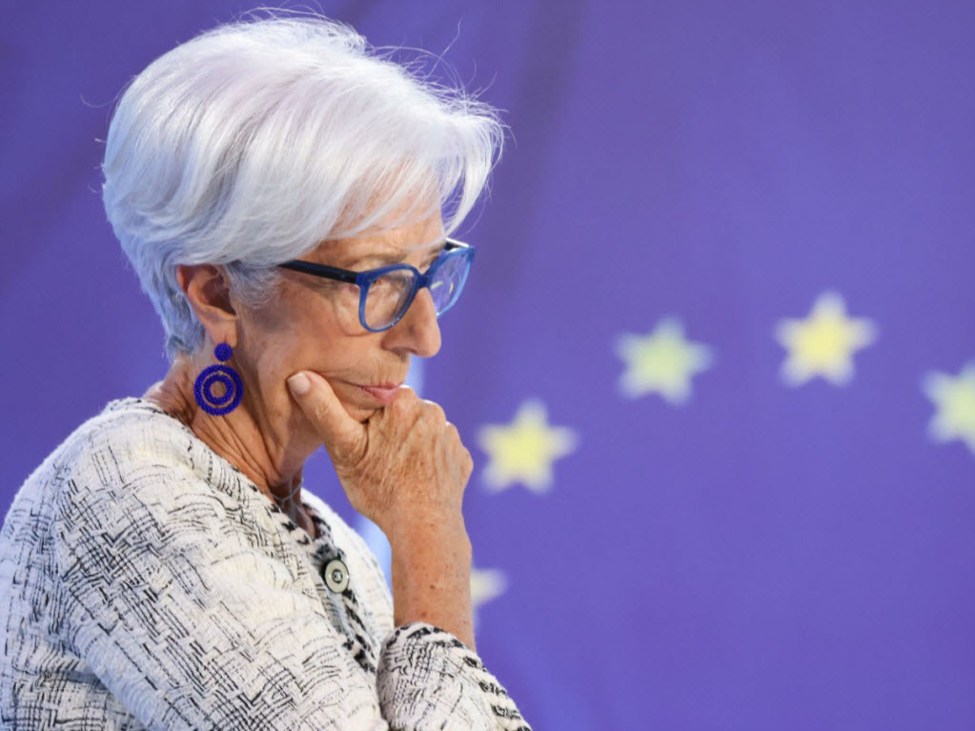
ECB's President Lagarde: The curtain is coming up on new world order
The curtain is coming up on new world orderThe US is behaving very strangely for an allyEuropean countries would be much stronger if they scrapped non-tariff trade barriersWe can do better on growth, productivity and debtEurozone inflation is under controlTariffs would cause a very small upward inflation effectThe German economy would be more impacted than French economy by tariffsMonetary policy is in a good positionECB’s President, Christine Lagarde, spoke at a discussion panel at the World Economic Forum in Davos. She highlighted the shift to a new unpredictable era, a “new world order”, where global cooperation, free trade, and U.S. leadership is being replaced by something more fragmented.She also talked about the Eurozone economy and how scrapping the non-tariff trade barriers would make the European countries much stronger. A “non-tariff barrier” is a rule, regulation, or bureaucratic hoop that a company must jump through to sell its goods in another country.Lagarde reiterated that inflation in the Eurozone is under control and that tariffs will have just a small upward inflation effect. She also added that the German economy would be more impacted by tariffs than the French economy because the German economy is much more reliant on exports.Lastly, she described monetary policy as being in a good position, essentially reiterating their neutral stance as they “wait-and-see” how things evolve in the next months. As a reminder, the ECB brought the policy rate to 2.00% which is right in the middle of their estimated neutral rate range of 1.75%-2.25%. Inflation has been under control for several months now. This article was written by Giuseppe Dellamotta at investinglive.com. 🔗 Source 💡 DMK Insight The current geopolitical climate is shifting, and here’s why that matters for traders: the U.S. is acting unpredictably, which could impact global trade dynamics. European nations might strengthen their economies by eliminating non-tariff barriers, potentially leading to increased productivity and growth. With Eurozone inflation reportedly under control, traders should keep an eye on how these changes could affect currency pairs, particularly EUR/USD. If tariffs are introduced, even marginally, it could create upward pressure on inflation, which might lead to shifts in monetary policy or market sentiment. But there’s a flip side: while some analysts might see this as a positive for European economies, the potential for trade disputes could lead to volatility in forex markets. Traders should monitor key economic indicators from both the U.S. and Eurozone, especially any announcements regarding tariffs or trade agreements. Watch for the EUR/USD to test key support or resistance levels in the coming weeks, as these geopolitical shifts unfold. 📮 Takeaway Keep an eye on EUR/USD for potential volatility as geopolitical tensions evolve and watch for any tariff announcements that could impact inflation.
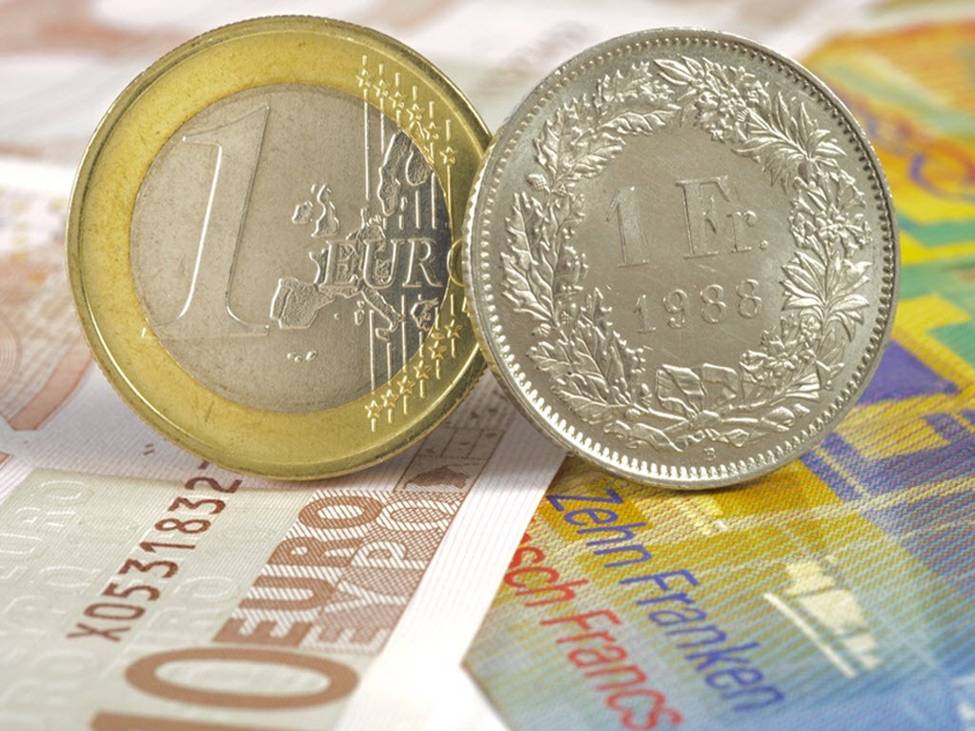
EUR/CHF downside remains limited for the time being
Amid the geopolitical risks and negative risk mood, the Swiss franc is one of the better performers in the major currencies space this week. The flows are also helped by the fact that the US dollar and Japanese yen have their own set of problems of course. The former is dealing with outflows amid more erratic administrative policies while the latter is suffering from the Takaichi trade selloff.That’s leaving the franc as the only real safe haven in the major currencies space in sticking true to its nature amid a more risk-off environment.EUR/CHF opened with a gap down this week and even with a slight bounce today, it is still down 0.4% on the week itself. The decline is relatively measured as traders and investors are also diversifying into precious metals amid the fiat currency debasement narrative. In any case, the pair continues to eye the crucial 0.9200 level but will we reach that point with all that is going on now?If we are to see Trump double down on Greenland and continue to push a hard stance on his threats, that should keep the pair leaning towards the downside. However, the SNB is also likely to draw a hard line closer to 0.9200 in preventing a major strengthening of the franc at this stage.They need to manage things on the inflation front, or should I say deflation, and a stronger currency is not a welcome development. The central bank wants to steer clear from negative interest rate policy for as long as they can do so. But at the same time, that thinking is a double-edged sword in the sense that it keeps the franc currency in a firmer position amid that outlook.That being said, one can argue that even with a push to negative rates, it’s not one to really take much of the pressure away from the currency’s fundamental outlook. With the dollar and yen stuck in the mud and geopolitical and economic tensions intensifying globally, not to mention with fiscal risks factoring in, that is only going to keep the franc as the preferred haven currency for the foreseeable future.The only real question is how much can the SNB tolerate this and if they will keep wanting to hold the line at the 0.9200 level. The best they can hope for now is that geopolitical tensions will eventually pass and that will alleviate some pressure from currency gains. But as seen in 2025, the conversation about 0.9200 is one that don’t seem to be going away any time soon.But with the SNB also providing somewhat of a floor, the downside appears to be more limited as well.Goldman Sachs is out with a note this week that says:”We expect EUR/CHF to remain broadly rangebound In the coming months, with a gradual drift higher to 0.95 to year-end.”That likely reflects the thinking that the Swiss central bank will keep any downside pressures in check while retaining its monetary policy stance. And as geopolitical tensions fade eventually, that will ease flows into the franc and provide some room to come up for air in EUR/CHF. This article was written by Justin Low at investinglive.com. 🔗 Source 💡 DMK Insight The Swiss franc’s strength amid geopolitical tensions signals a flight to safety, and here’s why that matters for traders: With the US dollar and Japanese yen facing their own challenges, the franc’s performance highlights a shift in risk sentiment. Traders should note that this could lead to increased volatility in currency pairs involving the franc, especially against weaker currencies. If the franc continues to gain traction, it may push EUR/CHF lower, with potential support levels to watch around recent lows. This trend could also ripple into commodities, particularly gold, as safe-haven assets often see increased demand during times of uncertainty. Keep an eye on economic indicators from Switzerland that could further influence the franc’s trajectory, as any positive data could solidify its position as a go-to currency in turbulent times. 📮 Takeaway Watch for EUR/CHF movements; if it breaks below recent lows, it could signal further strength in the Swiss franc amid ongoing geopolitical risks.

The bad news for the Japanese Yen might not be over as the focus turns to the BoJ decision
FUNDAMENTAL OVERVIEWUSD:The US Dollar has been weakening across the board in the first half of the week following Trump’s escalation over Greenland. The main narrative for the greenback’s weakness is once again de-dollarisation due to the messy and aggressive US policies. The squeeze on recent dollar longs might be more about positioning though. Given the recent USD strength on some slightly hawkish repricing, this latest escalation kind of unwinds those bets. If we were to get a de-escalation, we would probably see a relief rally in the US Dollar, and more so if the economic data in the next weeks and months strengthens. Today, all eyes will be on Davos where Trump will be giving a speech at the World Economic Forum and then will hold discussions with leaders about Greenland and other matters. Watch out for headlines or Truth Social posts as they could impact the market in a big way.JPY:On the JPY side, last week’s barrage of verbal intervention from Japanese officials after the price broke above the 2025 high helped to stop the selloff in the yen. Nonetheless, the currency remains weak given the lack of fundamental changes. Japanese long-term yields continue to surge on fiscal concerns and attract attention. US Treasury Secretary Bessent today said that he’s been in talks with Japanese officials who told him that they will stabilise the market. On Friday, the BoJ is expected to keep interest rates unchanged but watch out for potential trim in bond tapering pace as that could trigger a relief rally in the bond market, while also potentially weighing on the yen.In terms of rate hikes, the central bank is still placing a great deal on wage growth, but we’ve also got reports that the weakening yen and its impact on inflation will have more influence on policy going forward. USDJPY TECHNICAL ANALYSIS – DAILY TIMEFRAMEOn the daily chart, we can see that USDJPY is now consolidating below the 158.87 level as traders await new catalysts to push the price in either direction. From a risk management perspective, the buyers will have a better risk to reward around the 154.50 support zone to position for a rally into new highs. The sellers, on the other hand, will want to see the price breaking lower to increase the bearish bets into the major trendline around the 152.00 handle. USDJPY TECHNICAL ANALYSIS – 4 HOUR TIMEFRAMEOn the 4 hour chart, we can see that we an upward trendline defining the bullish momentum on this timeframe. The buyers continue to lean on the trendline with a defined risk below it to keep pushing into new highs. The sellers, on the other hand, will look for a break lower to increase the bearish bets into the 154.50 support next.USDJPY TECHNICAL ANALYSIS – 1 HOUR TIMEFRAMEOn the 1 hour chart, there’s not much we can add here as the price action turned rangebound. The buyers will likely continue to lean on the major trendline to keep pushing into new highs, with a break above the minor counter-trendline around 158.20 likely leading to stronger upside momentum. The sellers, on the other hand, should wait for a break below the major trendline to open the door for a fall into the 154.50 support. The red lines define the average daily range for today.UPCOMING CATALYSTSToday all eyes will be on Davos where Trump will deliver his speech at the World Economic Forum and then will hold discussions with leaders about Greenland. We have also the Fed’s Cook hearing today at the US Supreme Court. Tomorrow, we get the latest US Jobless Claims figures. On Friday, we have the Japanese CPI, the BoJ policy decision and the US Flash PMIs. This article was written by Giuseppe Dellamotta at investinglive.com. 🔗 Source 💡 DMK Insight The US Dollar’s recent weakness signals a potential shift in market sentiment that traders can’t ignore. With Trump’s aggressive stance on Greenland, concerns over de-dollarisation are resurfacing, impacting dollar longs. This could lead to increased volatility in forex markets, particularly for pairs like EUR/USD and GBP/USD. If the dollar continues to weaken, it might trigger a broader sell-off in dollar-denominated assets, affecting commodities like gold and oil as well. Traders should keep an eye on key support levels for the dollar index; a break below these could accelerate the trend. Moreover, the geopolitical implications of US policies may drive institutional players to hedge against dollar exposure, creating ripple effects across global markets. Watch for any news that could further influence dollar sentiment, especially in the context of upcoming economic data releases or geopolitical developments that could exacerbate the current trend. 📮 Takeaway Monitor the dollar index closely; a break below key support levels could signal further weakness and impact related forex pairs and commodities.

SNB's Chairman Schlegel: A few months of negative inflation wouldn't be a problem
Negative inflation prints are well possible this yearA few months of negative inflation wouldn’t be a problemThe SNB left everything unchanged at the last policy decision and sounded a bit more positive on the future outlook given the lower US tariff rate. SNB’s members continue to repeat that the bar for going back to negative rates remains very high and these latest comments from Chairman Schlegel reaffirm that stance.He said that negative inflation prints are well possible this year but added that they wouldn’t be a problem. Market participants were betting on negative rates at some point last year as inflation kept on falling towards deflation territory. The persistent pushback from the central bank eventually reversed those expectations.The main problem has been the strength in the Swiss Franc which reached a new record high versus the Euro last year due to geopolitical concerns over Trump’s tariffs. The CHF is the purest “safe haven” bet in the FX market for several reasons that range from political stability and neutrality to fiscal and monetary discipline.Looking ahead, the market is not pricing any rate cut for this year and we certainly won’t see a rate hike. This leaves the Swiss Franc trading mainly on risk sentiment. The focus is now on Greenland and the latest tariff threats from Trump. If we were to get a de-escalation, the CHF would likely weaken across the board, but if Trump decides to escalate further, then we could see new highs in the Franc which would add downward pressure on inflation. This article was written by Giuseppe Dellamotta at investinglive.com. 🔗 Source 💡 DMK Insight Negative inflation prints could shake up the market, and here’s why: If inflation dips, it might signal a shift in monetary policy, impacting currencies like the Swiss Franc. The SNB’s recent decision to maintain its stance suggests they’re cautiously optimistic, but traders should be wary of potential volatility. A few months of negative inflation could lead to speculation about rate cuts, which typically weakens a currency. Watch for any shifts in economic indicators that could influence the SNB’s next move. If inflation trends downward, it might create a ripple effect across other currencies, especially if the US continues to lower tariffs. Keep an eye on key levels for the Swiss Franc against major pairs; if it breaks below recent support levels, it could trigger further selling pressure. The real story is how traders react to these inflation prints—are they pricing in a dovish SNB? Look for immediate reactions in the forex market, especially on the daily charts, as traders digest this information. 📮 Takeaway Monitor Swiss Franc levels closely; a break below support could signal increased selling pressure amid potential negative inflation trends.
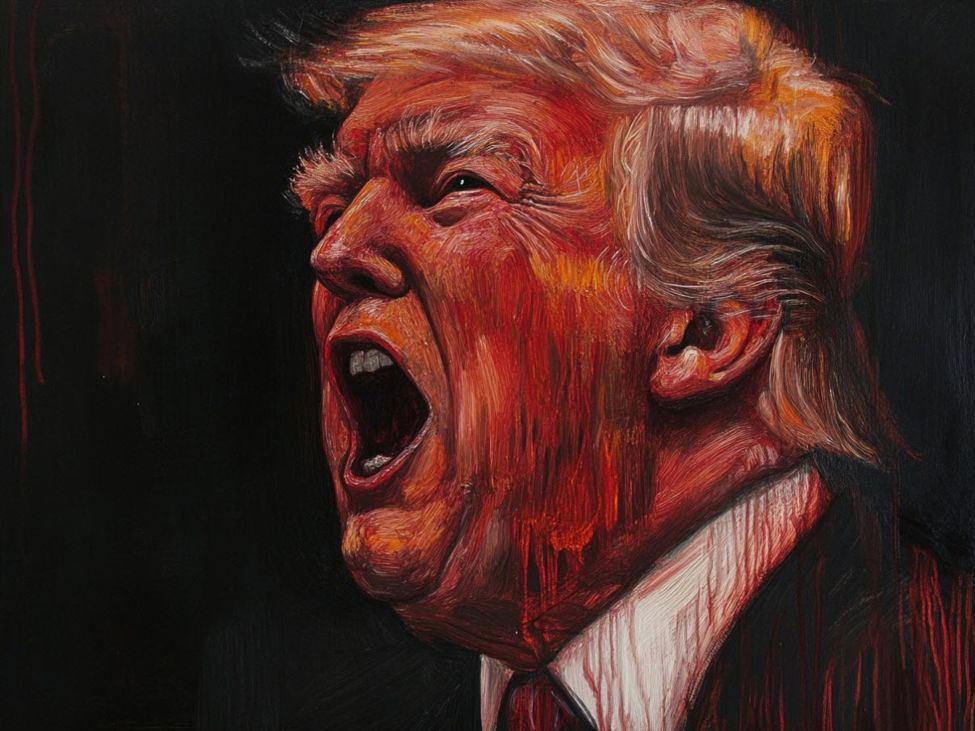
Heads up: US president Trump due to speak in Davos later today
Markets are waiting with bated breath for his special address at the World Economic Forum (WEF) in Davos later today. He was supposed to have arrived already for the event but encountered a delay after Air Force One had a “minor electrical issue”. From earlier:Air Force One has had to return to the US soon after leaving due to a faultTrump back en route to Davos after “minor electrical issue” with Air Force OneHis scheduled address is to take place later at 1330 GMT. So, that’s the main thing on the agenda for markets today.Given the backdrop and commentary from US officials before this, it seems like they will want to draw a hard line and try to ridicule European leaders on their home turf. And knowing Trump, it wouldn’t be surprising to see him attempt that in his opening speech when he arrives before sitting down to talk on the sidelines.It still isn’t clear if he will be meeting with European leaders tomorrow after his evil cabal ‘Board of Peace’ gathering.For now, markets are keeping calmer so far today after the negative cleansing yesterday. S&P 500 futures are up 0.3% but it belies the more nervous and anxious mood as we await Trump’s appearance.In the major currencies space, the dollar is also keeping steadier with light changes across the board. But in the commodities space, precious metals continue to shine as traders and investors continue to seek safety amid all the chaos that is happening. Gold is up over 2% to $4,864 with silver up 0.6% to $95.07 currently. This article was written by Justin Low at investinglive.com. 🔗 Source 💡 DMK Insight So, the delay of Air Force One is more than just a logistical hiccup—it’s a signal of uncertainty that could ripple through markets. Traders are on edge as they anticipate the address at the World Economic Forum, where key economic policies and global strategies could be unveiled. Given the current volatility in both crypto and forex markets, any unexpected remarks could trigger sharp movements. Look at the broader context: with inflation concerns and interest rate speculation still looming, this address could either calm fears or stoke them further. If the speech hints at aggressive monetary policy, we might see a stronger dollar, which could negatively impact crypto prices. Conversely, if there’s a focus on economic recovery and support, risk assets could rally. Keep an eye on the USD index and major crypto levels—if Bitcoin breaks above its recent resistance, it could signal bullish momentum. Here’s the thing: the market’s reaction will likely be immediate, so be ready to adjust your positions based on the tone and content of the address. Watch for key levels in the forex pairs and crypto assets as the speech unfolds. 📮 Takeaway Monitor the USD index and Bitcoin resistance levels closely during the WEF address; any unexpected comments could lead to significant market shifts.

Shiba Inu price eyes a major rebound as a rare chart pattern forms
Shiba Inu price continued its recent retreat as sentiment in the crypto market waned amid geopolitical risks. 🔗 Source 💡 DMK Insight Shiba Inu’s recent price drop reflects broader crypto market sentiment, and here’s why that matters: As geopolitical tensions rise, traders are becoming increasingly risk-averse, leading to a sell-off in speculative assets like Shiba Inu. This retreat isn’t just about Shiba; it’s a symptom of a larger trend where uncertainty drives investors to safer havens. If you’re holding Shiba, keep an eye on the psychological support level around recent lows. A break below that could trigger further selling pressure, while a bounce might indicate a potential reversal. Also, watch for correlations with major cryptocurrencies like Bitcoin and Ethereum. If they continue to trend downward, expect Shiba to follow suit. Conversely, if Bitcoin shows signs of recovery, it could lift Shiba along with it. The next few days are crucial; monitor trading volumes and sentiment indicators closely to gauge whether this is a temporary dip or the start of a more significant downtrend. 📮 Takeaway Watch Shiba Inu’s support levels closely; a break could lead to further declines, while a recovery in Bitcoin might provide a lifeline.

EUR/CHF slides toward a four-week low as trade tensions lift the Swiss Franc
The Swiss Franc (CHF) attracts fresh buyers against the Euro (EUR) on Tuesday, as renewed US-EU trade war concerns weigh on risk appetite and lift demand for defensive currencies. At the time of writing, EUR/CHF trades around 0.9265, hovering near its lowest level since December 26. 🔗 Source 💡 DMK Insight The EUR/CHF pair is under pressure, and here’s why that matters for traders: With EUR/CHF trading around 0.9265, close to its lowest since late December, the renewed US-EU trade war concerns are shifting market sentiment towards safer assets like the Swiss Franc. This trend indicates a risk-off environment, which often leads traders to reassess their positions in riskier currencies. If the pair breaks below the 0.9250 level, it could trigger further selling, potentially leading to a test of the 0.9200 support level. Conversely, if we see a bounce back above 0.9300, it might signal a short-term recovery for the Euro, but that seems less likely given the current geopolitical climate. Traders should keep an eye on upcoming economic data releases from both the Eurozone and Switzerland, as these could provide additional volatility. Also, watch for any developments in US-EU trade negotiations, as they could further impact the risk appetite and the direction of EUR/CHF. The real story here is how quickly market sentiment can shift, so being nimble is key. 📮 Takeaway Watch for EUR/CHF to break below 0.9250 for potential downside, while keeping an eye on US-EU trade developments.

ASML Holding (ASML) favors rally towards 1457.74
ASML Holding N.V., (ASML) provides lithography solutions for the development, production, marketing, sales, upgrading & servicing semiconductor equipment systems. It also offers hardware, software & services to chipmakers to produce the patterns of integrated circuits. 🔗 Source 💡 DMK Insight SOL’s current price of $125.86 is a critical pivot point for traders looking to capitalize on potential volatility. With the semiconductor sector seeing increased demand due to AI and tech advancements, ASML’s role in lithography solutions could indirectly influence SOL’s performance. If SOL can hold above $125, it might attract more bullish sentiment, but a drop below could trigger stop-loss orders and exacerbate selling pressure. Traders should keep an eye on broader market trends, especially in tech stocks, as they often correlate with crypto movements. Look for key resistance around $130 and support at $120 to gauge SOL’s next moves. Also, monitor any news related to ASML, as developments in semiconductor technology can ripple through the crypto market, impacting SOL’s price action significantly. 📮 Takeaway Watch SOL closely around the $125 level; a break above $130 could signal bullish momentum, while a drop below $120 may trigger further selling.

Silver trades near all-time high amid geopolitical tensions, safe-haven demand
Silver (XAG/USD) trades around $95.50 on Tuesday at the time of writing, up 1.20% on the day, after posting a fresh all-time high at $95.89 earlier in the day. 🔗 Source 💡 DMK Insight Silver’s recent surge to $95.89 is a game-changer for traders: here’s why. The breakout above the previous resistance level indicates strong bullish momentum, suggesting that silver could continue to attract buyers, especially as inflation concerns linger. With the metal up 1.20% today, it’s crucial to monitor whether it can maintain this upward trajectory. If it holds above $95.50, we might see a push towards $100, which could trigger further buying from both retail and institutional investors. On the flip side, a drop below $95 could signal a reversal, prompting profit-taking and potentially leading to a retracement. Keep an eye on the daily chart for any signs of exhaustion or overbought conditions, particularly if RSI levels approach 70. Also, watch for any macroeconomic news that could impact market sentiment, as silver often reacts to shifts in interest rates and economic forecasts. The next few days will be critical in determining if this rally has legs or if it’s just a flash in the pan. 📮 Takeaway Watch for silver to hold above $95.50; a failure to do so could trigger a pullback, while a sustained move above $95.89 may push it towards $100.