
 Bitcoin
  Ethereum
  Tether
  BNB
BNB  XRP
XRP  USDC
USDC  Solana
  TRON
TRON  Lido Staked Ether
  Figure Heloc
Insider trading is hard to curb on non-KYC prediction markets, but even identity checks do not fully eliminate abuse, according to Messari’s Austin Weiler. 🔗 Source 💡 DMK Insight Insider trading remains a significant risk in non-KYC prediction markets, and here’s why that matters for traders: With the rise of decentralized finance (DeFi) and prediction markets, the potential for abuse is high, especially when identity verification is not enforced. Traders need to be aware that even with KYC measures, the integrity of these markets can be compromised. This could lead to skewed odds and unpredictable market movements, impacting trading strategies that rely on accurate pricing. If you’re trading in these markets, consider the implications of insider knowledge on your positions. Watch for unusual price spikes or volume changes that could indicate manipulation. Moreover, the broader crypto market is still grappling with regulatory scrutiny, which could lead to increased volatility. If regulators step in to address these issues, it could affect not just prediction markets but also the overall sentiment in crypto trading. Keep an eye on related assets like Ethereum and Bitcoin, as their movements could reflect shifts in market confidence regarding these platforms. The key is to monitor for any announcements or changes in regulations that could impact trading behavior. 📮 Takeaway Watch for unusual price movements in prediction markets and stay alert for regulatory changes that could impact trading strategies.
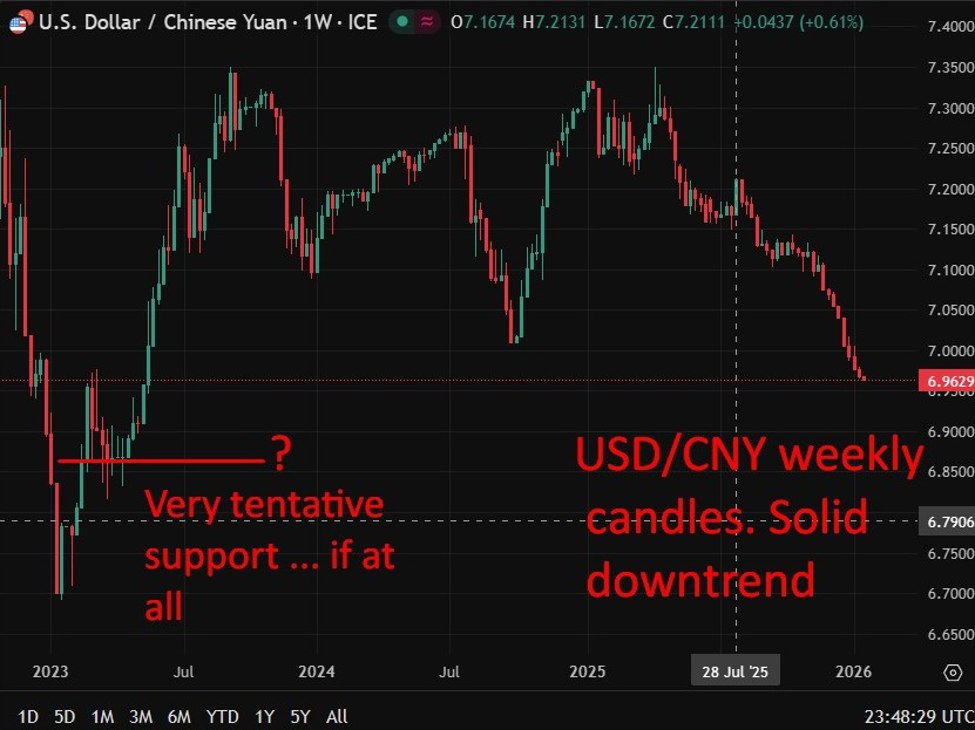
PBOC set 5- and 1-year LPR rates unchanged, 3.5% and 3.0% respectively. As expected.
PBOC set 5-year Loan Prime Rate (LPR) at 3.5%3.5% expected, 3.5% prior1-year LPR 3.0% 3.0% expected, 3.0 prior The eighth consecutive month without a change.More info here. Coming up soon:PBOC is expected to set the USD/CNY reference rate at 6.9576 – Reuters estimate This article was written by Eamonn Sheridan at investinglive.com. 🔗 Source 💡 DMK Insight The PBOC’s decision to maintain the 5-year LPR at 3.5% signals stability, but traders should be wary of underlying economic pressures. This marks the eighth month without a change, indicating a cautious approach amidst ongoing economic challenges. The lack of movement in the LPR could suggest that the central bank is prioritizing stability over aggressive monetary easing, which might not align with market expectations for growth. For forex traders, the anticipated USD/CNY reference rate of 6.9576 is crucial; a break above this level could indicate further weakness in the yuan, prompting potential short positions. Keep an eye on the broader economic indicators, especially any shifts in trade balances or inflation data, as these could influence future PBOC decisions and market sentiment. Also, consider the ripple effects on commodities and equities, particularly those tied to Chinese economic performance. If the yuan weakens, commodities priced in USD could see increased volatility, impacting trading strategies across the board. 📮 Takeaway Watch for the USD/CNY reference rate at 6.9576; a breakout could signal further yuan weakness and impact related asset classes.
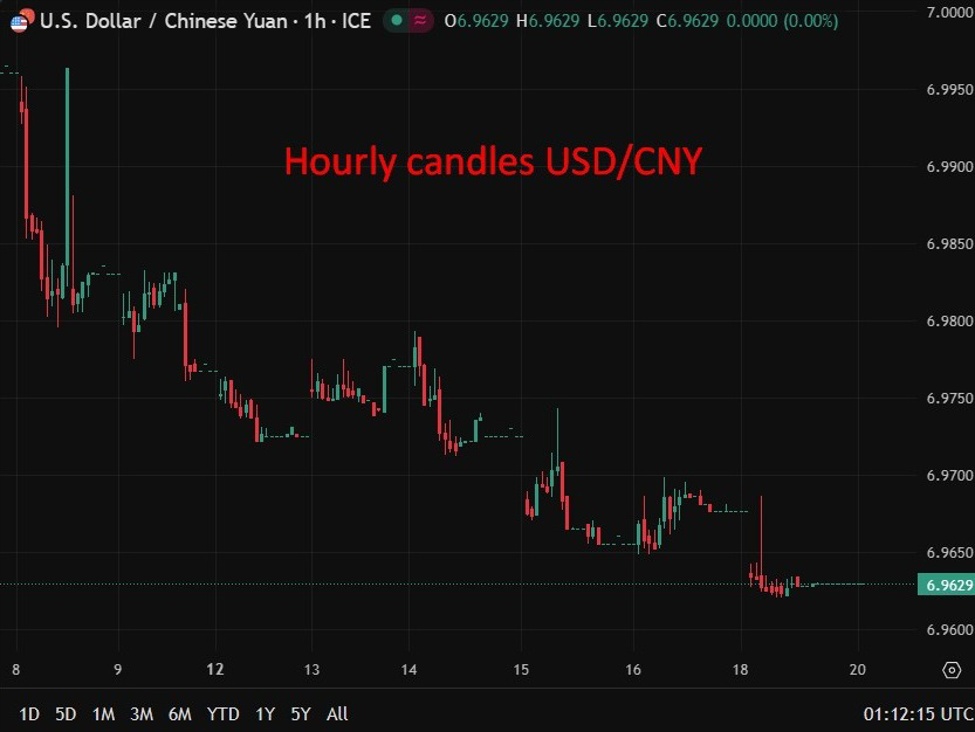
PBOC sets USD/ CNY central rate at 7.0006 (vs. estimate at 6.9576)
The PBOC follows a managed floating exchange rate system that allows the value of the yuan to fluctuate within a certain range, called a “band,” around a central reference rate, or “midpoint.” It’s currently at +/- 2%.Previous close was 6.9640 PBOC injects 324bn yuan, 7-day reverse repos, unchanged rate 1.4%.Earlier:PBOC set 5- and 1-year LPR rates unchanged, 3.5% and 3.0% respectively. As expected. This article was written by Eamonn Sheridan at investinglive.com. 🔗 Source 💡 DMK Insight The PBOC’s recent 324 billion yuan injection signals a proactive stance in managing liquidity, and here’s why that matters now: With the yuan’s current midpoint at 6.9640 and a fluctuation band of +/- 2%, traders should keep an eye on how this liquidity injection impacts the yuan’s stability against major currencies. The unchanged 1.4% reverse repo rate suggests the PBOC is not looking to tighten monetary policy, which could lead to a weaker yuan in the short term. This is crucial for forex traders, especially those holding positions in USD/CNY, as any significant movement beyond the 2% band could trigger volatility. Moreover, the broader implications could ripple through commodities and emerging markets, as a weaker yuan often correlates with higher prices for imports, affecting trade balances. Watch for any comments from the PBOC that might hint at future policy shifts, as these could provide critical signals for positioning. The immediate focus should be on the yuan’s performance against the dollar, particularly if it approaches the upper or lower limits of its trading band. 📮 Takeaway Monitor USD/CNY closely; a breach of the 2% band could signal increased volatility and trading opportunities.
China keeps LPRs unchanged, signalling patience on broad easing – further detail
China’s steady LPR decision underscores a cautious, targeted easing approach as policymakers weigh domestic weakness against financial stability.Summary:China left LPRs unchanged for an eighth monthOne-year LPR at 3.00%, five-year at 3.50%Move aligns fully with market expectationsPolicy focus remains on targeted easing toolsBroader rate cuts seen later in Q1–Q2China kept its benchmark lending rates unchanged for an eighth straight month in January, reinforcing signals that policymakers are prioritising targeted support over broad-based monetary easing for now.The People’s Bank of China left the one-year Loan Prime Rate (LPR) at 3.00% and the five-year LPR, which is closely linked to mortgage pricing, at 3.50%. The decision was fully in line with market expectations, with all respondents in a Reuters survey predicting no change to either rate.Holding the LPRs steady suggests Beijing is in no rush to deploy sweeping rate cuts, even as growth headwinds persist. Instead, authorities appear focused on sector-specific tools, following last week’s reductions to a range of structural policy rates. While those targeted measures can lower financing costs for selected parts of the economy, they typically deliver a more muted boost to overall growth than benchmark rate cuts.The central bank has nonetheless signalled it retains room to ease policy further in 2026, including through cuts to banks’ reserve requirement ratios (RRR) and potentially broader interest-rate reductions later in the year. Economists broadly expect any move on benchmark rates to come in the first or second quarter, once policymakers have clearer visibility on domestic demand and external risks.China’s economy expanded 5.0% last year, meeting the government’s official target. Growth was underpinned by strong exports, as manufacturers captured a record share of global goods demand to offset weak household consumption at home. While that strategy has helped cushion the impact of US tariffs, analysts warn it is becoming harder to sustain without a stronger domestic recovery.Looking ahead, analysts differ on the policy mix. Bank of America Securities argues that recent sector-specific rate cuts reduce the urgency for near-term, broad-based easing, though it still expects more comprehensive monetary and fiscal support by late Q1 or early Q2. Nomura, meanwhile, sees fiscal policy doing more of the heavy lifting near term and forecasts a modest 10bp rate cut and a 50bp RRR reduction in Q2, alongside possible targeted housing support.-By holding benchmark rates steady, Beijing is signalling patience, keeping pressure on fiscal policy and targeted credit tools to support growth while leaving scope for broader easing later in 2026. This article was written by Eamonn Sheridan at investinglive.com. 🔗 Source 💡 DMK Insight China’s decision to keep the Loan Prime Rates (LPR) steady is a signal of cautious optimism amid economic challenges. By maintaining the one-year LPR at 3.00% and the five-year at 3.50%, the People’s Bank of China is clearly prioritizing financial stability over aggressive stimulus. This approach suggests that while policymakers acknowledge domestic economic weaknesses, they are wary of potential inflationary pressures or asset bubbles that could arise from too much easing. Traders should keep an eye on how this plays into broader market sentiment, particularly in sectors sensitive to interest rates like real estate and consumer finance. If the anticipated broader rate cuts materialize in Q1 or Q2, it could shift the dynamics significantly, potentially boosting equities and commodities linked to Chinese demand. However, the flip side is that prolonged stagnation in LPR could signal deeper economic issues, leading to volatility in related markets. Watch for any shifts in the Chinese yuan and commodities tied to Chinese consumption, as these could be early indicators of how the market is reacting to this cautious stance. 📮 Takeaway Monitor the Chinese yuan and commodities for signs of market reaction to the steady LPR, especially as broader rate cuts are expected in Q1-Q2.
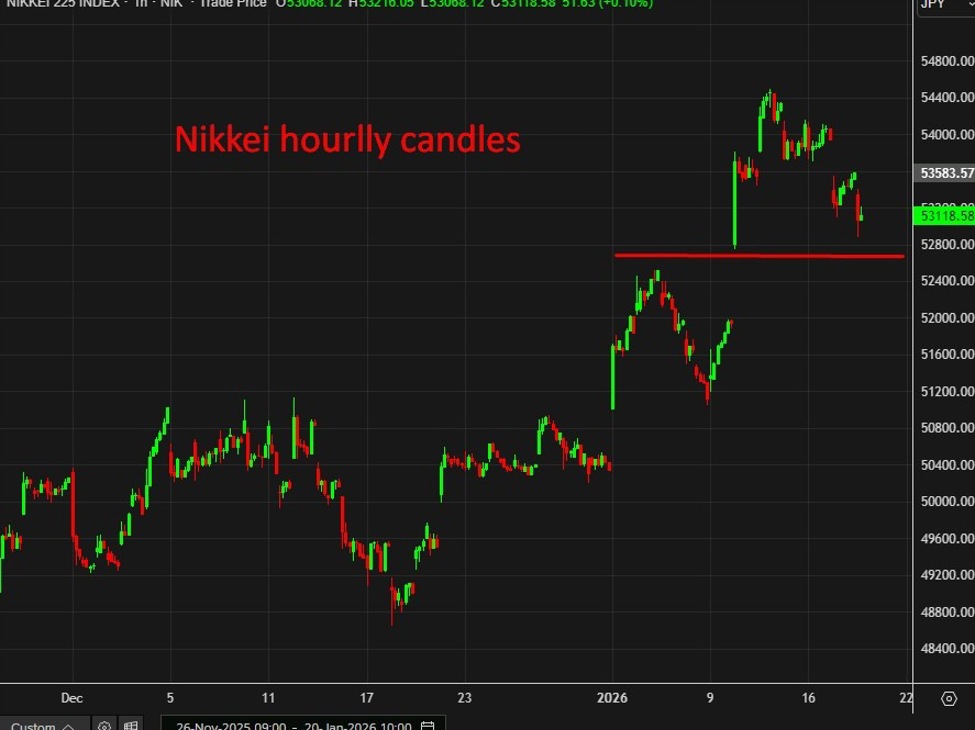
Japan stocks slide as bond yields hit records and Greenland tensions bite
Rising bond yields and fresh trade tensions are cited as dragging Japanese equities lower as investors brace for election-driven volatility.Summary:Nikkei fell for a fourth straight sessionBond yields jumped to record highs on fiscal concernsSnap election call unsettled marketsTrump tariff threats hit global sentimentElection outcome seen as key catalystJapanese equities extended their pullback on Tuesday, with stocks falling for a fourth consecutive session as a sharp rise in domestic bond yields and renewed geopolitical tensions added to investor unease.The Nikkei 225 slipped in early trade, putting the index on course for its longest losing streak in roughly two months. The broader Topix also weakened, reflecting broad-based selling across sectors.Pressure on equities intensified after Japanese government bond yields surged to record highs, following Prime Minister Sanae Takaichi’s formal call for a snap general election on February 8. As part of her campaign platform, Takaichi pledged to suspend the sales tax on food, a move that heightened investor concerns about fiscal discipline and future government borrowing needs. Those concerns quickly fed through to the bond market, lifting yields and undermining equity valuations.External risks compounded the negative tone. With US markets closed for a public holiday, sentiment in Asia tracked losses in Europe overnight after Donald Trump threatened to impose additional tariffs on several European countries unless Washington is allowed to purchase Greenland. The prospect of escalating trade frictions between the US and Europe weighed heavily on global risk appetite and spilled over into Japanese stocks.Reuters cited market strategists warning that rising yields are becoming a key headwind for equities. Nomura Securities strategist Maki Sawada said higher interest rates are likely acting as a drag on stock prices, while tariff threats that hit European markets appear to be spreading into Asia.Looking ahead, Nomura outlined a wide range of election-driven outcomes. A decisive victory for Takaichi’s ruling Liberal Democratic Party could spark a relief rally, while a loss of power would likely trigger a sharp sell-off. A narrow win, meanwhile, may leave equities largely range-bound as investors wait for clearer policy direction. This article was written by Eamonn Sheridan at investinglive.com. 🔗 Source 💡 DMK Insight Japanese equities are feeling the heat from rising bond yields and election jitters, and here’s why that matters: The Nikkei’s fourth consecutive decline signals a growing unease among investors, particularly as bond yields hit record highs. This spike is largely driven by fiscal concerns, which could lead to tighter monetary policy. Traders should watch for how these yields impact the cost of borrowing and corporate earnings, especially in a market already rattled by Trump’s tariff threats. The looming snap election adds another layer of uncertainty, making it crucial to monitor sentiment shifts leading up to the vote. If the election outcome swings in an unexpected direction, we could see significant volatility across not just Japanese equities but also related markets like forex, particularly the yen. Look for key technical levels on the Nikkei; a break below recent support could trigger further selling pressure. Conversely, if yields stabilize or the election results are favorable, we might see a rebound. Keep an eye on bond yield movements and any updates on trade tensions as they could serve as immediate catalysts for market shifts. 📮 Takeaway Watch the Nikkei closely; a break below key support levels could signal further declines, especially with rising bond yields and election uncertainty looming.
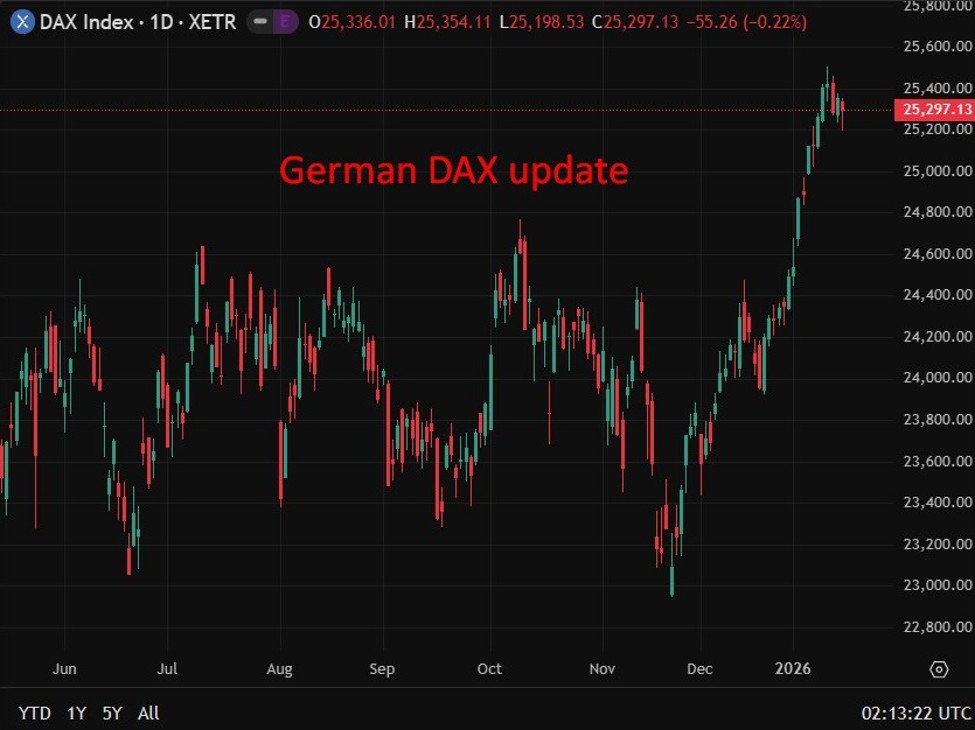
Morgan Stanley: Trump tariff threat poses limited broad risk to Europe stocks
Morgan Stanley argues Trump’s Greenland tariff threat is a stock-specific risk, not a systemic shock for European equities. Summary:Morgan Stanley sees tariff impact as concentrated, not broadOnly 2.2% of MSCI Europe revenues directly exposedTrump threatens tariffs over Greenland disputeEU weighs retaliation and legal optionsDefence stocks remain a key beneficiaryEuropean equities’ exposure to President Donald Trump’s latest tariff threat is highly concentrated rather than market-wide, according to analysts at Morgan Stanley, limiting the risk of broad-based damage to regional stocks.In a note to clients, the bank estimates that just 2.2% of revenues across the MSCI Europe index are directly exposed to the proposed tariffs. Put differently, around 10% of the index’s weight consists of companies where more than 10% of revenues would be affected by new levies, highlighting what Morgan Stanley describes as an “idiosyncratic” shock rather than a systemic one.Trump last week threatened to impose 10% tariffs on eight European countries—Denmark, Sweden, France, Germany, the Netherlands, Finland, Norway and the UK—unless the United States is allowed to acquire Greenland. He warned the levies could rise to 25% if the purchase does not proceed, framing the move as a national security imperative. European officials have strongly rejected that rationale, characterising the threat as coercive.The escalation has pushed EU leaders toward contingency planning ahead of an emergency summit in Brussels. Options under discussion reportedly include retaliatory tariffs on up to €93bn of US imports, as well as deploying the bloc’s Anti-Coercion Instrument, which could restrict US access to EU investment, banking and services markets. According to Reuters, the tariff response currently has broader political backing.Morgan Stanley also highlights legal uncertainty around Trump’s trade tools. Nearly half of Europe’s Greenland-related exposure falls under tariffs imposed using the International Emergency Economic Powers Act (IEEPA)—legislation now under review by the US Supreme Court. A ruling against the administration, expected imminently, could complicate efforts to reimpose or expand tariffs tied to Greenland.Against this backdrop, the bank reiterated an overweight stance on European defence stocks, arguing the episode reinforces Europe’s resolve to boost strategic autonomy and defence spending. More broadly, Morgan Stanley sees limited tactical downside for European equities and expects diversification flows to continue. This article was written by Eamonn Sheridan at investinglive.com. 🔗 Source 💡 DMK Insight Morgan Stanley’s take on Trump’s Greenland tariff threat highlights a focused risk for specific stocks rather than a widespread market impact. With only 2.2% of MSCI Europe revenues directly exposed, traders should consider this a stock-specific event. The potential for retaliation from the EU could create volatility in sectors tied to international trade, but the broader European equities market may remain stable. Defense stocks are likely to benefit from increased government spending amid geopolitical tensions, making them a sector to watch. Traders should keep an eye on individual stock movements rather than panicking about systemic risks, as the overall market context suggests resilience. Watch for any announcements from the EU regarding retaliation, which could shift sentiment quickly in affected sectors. 📮 Takeaway Focus on individual stocks affected by the tariff threat, especially in defense, while monitoring EU retaliation announcements for potential market shifts.
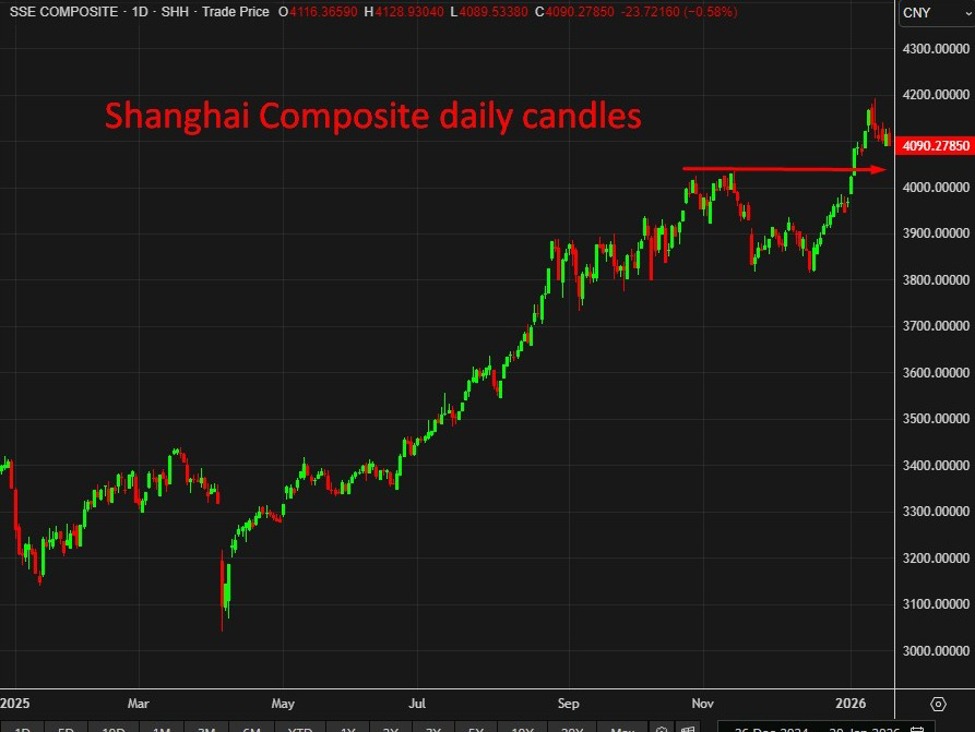
China moves to curb price wars (“involution” again), weighs national M&A fund
Beijing is signalling tougher oversight of price wars and fresh support for consolidation as it reshapes industrial competition. Summary:NDRC vows crackdown on “disorderly” low-price competitionFocus on curbing industrial “involution” and price warsAuthorities want competition based on quality and brandingChina studying a national-level M&A fundAim is to accelerate innovation and industrial upgradingAdded … kept tge best til last they did …China will implement a more proactive fiscal policy and a moderately loose monetary policy, prioritising price recovery as a core objective.China is moving to rein in aggressive price competition while exploring new tools to accelerate industrial upgrading, signalling a more forceful policy push to address what officials describe as industrial “involution.”Speaking at a State Council briefing on Tuesday, National Development and Reform Commission (NDRC) vice chairman Wang Changlin said authorities will step up efforts to curb what he called “disorderly” low-price competition in key sectors. The NDRC plans to tighten price supervision and refine local government investment-attraction practices in a bid to restore healthier market order.Wang said excessive price cutting has undermined profitability, distorted competition and weighed on long-term innovation, particularly in manufacturing-heavy industries. The policy response aims to shift competition away from price wars and toward quality, branding and value-added production, a message that aligns with Beijing’s broader push to stabilise corporate margins and ease deflationary pressures.Alongside the crackdown on destructive pricing, the NDRC is also studying the creation of a national-level merger and acquisition fund. Wang said such a fund could help accelerate the development of so-called “new quality productive forces” by supporting consolidation, innovation and strategic investment across priority industries.The proposed fund would leverage national venture capital as a benchmark and improve coordination between government investment vehicles and existing fund structures. Officials see this as a way to guide capital toward sectors deemed strategically important, while reducing fragmentation and inefficient competition.Taken together, the twin initiatives highlight a shift in policy emphasis. Rather than relying solely on stimulus to boost demand, Beijing is increasingly focused on supply-side discipline, corporate restructuring and industrial upgrading. That approach also reflects concerns that persistent price wars have contributed to deflationary dynamics and eroded returns across parts of the private sector.For markets, the messaging points to greater regulatory oversight of pricing behaviour, potential consolidation winners in sectors targeted by M&A support, and a renewed policy effort to stabilise industrial profitability as China navigates slower growth and intense global competition. This article was written by Eamonn Sheridan at investinglive.com. 🔗 Source 💡 DMK Insight China’s push for stricter oversight on price wars could ripple through the crypto market, especially for assets like SOL. With SOL currently at $128.84, traders should be aware that any tightening of regulations in China can impact market sentiment globally. If the focus shifts towards quality and branding, it might lead to increased volatility as companies adjust their strategies. SOL, being a part of the broader crypto ecosystem, could see fluctuations based on how investors perceive the regulatory landscape. Keep an eye on how this affects trading volumes and market reactions in the coming days. Additionally, if the proposed national-level M&A fund gains traction, it could signal a shift in investment strategies, potentially favoring projects that align with these new standards. Watch for SOL’s performance around key support levels, as any break below could trigger further selling pressure, while a bounce could indicate resilience against regulatory fears. 📮 Takeaway Monitor SOL closely around $128.84; a break below key support could signal increased selling pressure amid China’s regulatory changes.
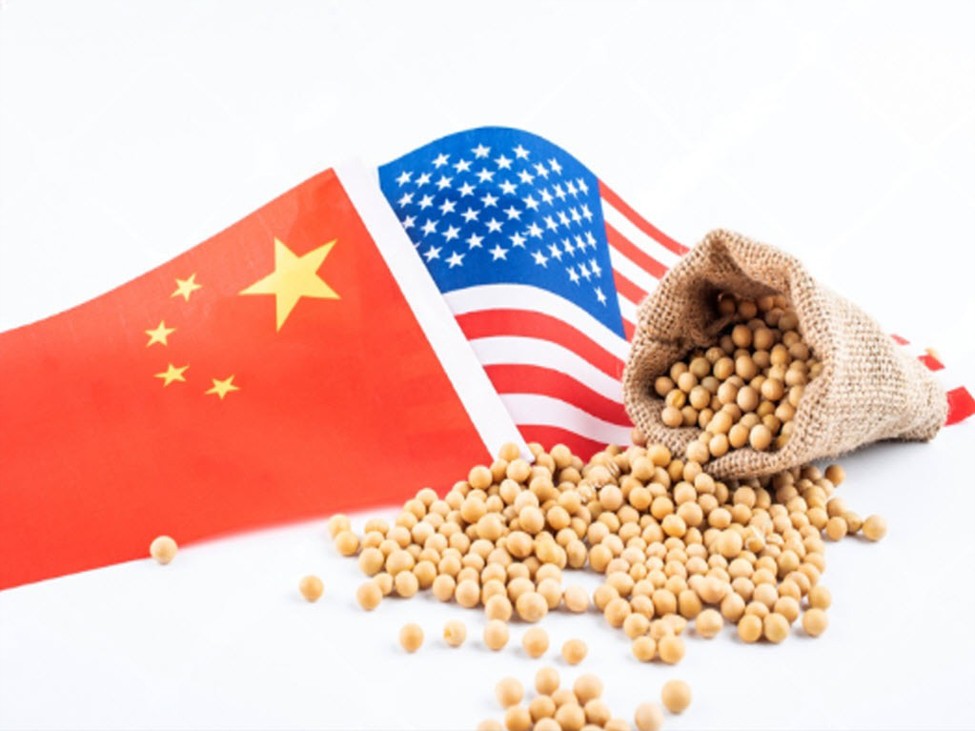
China meets trade pledge with surge in US soybean purchases, but keeps Brazil option open
China’s rapid US soybean buying meets a near-term trade goal, but future demand hinges on price, politics and Brazilian supply. Summary:China bought about 12m tonnes of US soybeans in three monthsPurchases met a key trade pledge made in NovemberBuying largely by state firms for strategic reservesTariff cuts and eased restrictions enabled importsFocus shifts to whether buying continues toward 2028 targetChina has sharply increased purchases of US soybeans over the past three months, buying an estimated 12 million tonnes and fulfilling a key trade commitment made to the Donald Trump administration in November, according to traders familiar with the flows.The buying marks a notable shift after months of relative avoidance, with most of the volumes reportedly sourced by state-owned firms and directed into strategic reserves rather than immediate commercial consumption. Traders say the surge was enabled by Beijing’s decision to reduce tariffs and lift import restrictions, clearing the way for US cargoes to move again after a prolonged lull.The purchases appear designed to meet near-term political and strategic objectives, while giving Beijing flexibility over future sourcing. China has committed to buying 25 million tonnes of US soybeans annually through 2028, and the recent surge means it has already completed nearly half of that implied yearly target in a short window.Attention is now turning to whether China maintains the pace. Traders note that Chinese buyers have already begun booking new-crop soybeans from Brazil, a reminder that South America remains a critical alternative supplier and a key lever in China’s broader procurement strategy. Seasonal availability, pricing differentials and freight costs will likely shape the balance between US and Brazilian supply in coming months.For the US, the renewed demand offers support to soybean prices and export volumes after a volatile period marked by trade tensions and shifting policy signals. For China, the purchases help bolster food security and strategic reserves while keeping diplomatic commitments intact without fully locking in future buying behaviour.The episode highlights Beijing’s continued preference for diversification and timing flexibility in agricultural imports. While the 12 million tonnes bought so far satisfy an immediate pledge, the larger test will be whether China sustains US purchases at scale alongside Brazilian imports as it works toward the multi-year target through 2028. This article was written by Eamonn Sheridan at investinglive.com. 🔗 Source 💡 DMK Insight China’s recent purchase of 12 million tonnes of US soybeans is a short-term win, but the long-term outlook is murky. While this buying spree fulfills a trade commitment, traders need to consider how future demand will be influenced by fluctuating prices, political dynamics, and Brazilian supply levels. If prices rise significantly, demand could wane, especially if Brazil’s production ramps up. State firms are currently stocking up, but that could shift if geopolitical tensions escalate or if tariffs are reintroduced. Keep an eye on the soybean futures market; a break above recent resistance levels could signal bullish sentiment, while a drop could indicate waning demand. Watch for Brazilian crop reports, as they could dramatically impact US soybean prices and trading strategies in the coming months. 📮 Takeaway Monitor soybean futures closely; a breakout above recent resistance could signal bullish momentum, while Brazilian supply reports will be crucial for future demand outlook.

Citi downgrades European stocks on Greenland tariff tension
Citi cuts Europe to neutral as Greenland-linked tariff risks cloud the outlook, while Japan emerges as the regional preference.Summary:Citi downgrades European equities to neutralDecision driven by US–EU tension over GreenlandTariff uncertainty weighs on earnings outlookEU considers retaliation on $108bn of US goodsJapanese stocks upgraded to overweightCitigroup has downgraded European equities to neutral for the first time in more than a year, citing rising transatlantic tensions and renewed tariff uncertainty linked to President Donald Trump’s push over Greenland. Strategists said the shift reflects a weakening near-term investment backdrop and greater downside risks to earnings as trade frictions resurface.In a note to clients, Citi said the latest escalation has undermined confidence just as European shares had been benefiting from valuation support and improving growth expectations. The downgrade comes after Trump threatened tariffs tied to Greenland, reviving concerns that political brinkmanship could spill into broader trade measures. European equities, which had outperformed US stocks over recent months, fell following the announcement.Citi contrasted Europe’s deteriorating risk profile with a more constructive outlook elsewhere, upgrading Japanese equities to overweight. The bank pointed to clearer policy signals, improving corporate governance trends and a more supportive earnings outlook in Japan, even as Europe grapples with uncertainty over trade, geopolitics and policy coordination.The tariff threat has also prompted a swift response from Brussels. The European Union is weighing retaliatory measures on up to $108bn of US goods, according to people familiar with the discussions. While officials have stressed that no decisions are final, the move highlights how quickly the dispute could escalate into a wider trade confrontation.Citi warned that even without an immediate implementation of tariffs, the uncertainty itself is enough to weigh on corporate investment, cross-border supply chains and equity multiples. Export-heavy sectors and companies with meaningful US exposure are seen as most vulnerable if tensions intensify.Overall, the bank said the downgrade reflects a more balanced risk-reward for Europe at current levels, rather than an outright bearish call. However, until there is greater clarity on US–EU relations and the Greenland issue, Citi believes Europe’s near-term upside is capped relative to other regions. This article was written by Eamonn Sheridan at investinglive.com. 🔗 Source 💡 DMK Insight Citi’s downgrade of European equities to neutral is a big deal for traders right now. The decision stems from rising US-EU tensions, particularly regarding tariff risks linked to Greenland, which could impact earnings across the continent. With the EU contemplating retaliation on $108 billion worth of US goods, this uncertainty could lead to increased volatility in European markets. Traders should be cautious, as this could trigger a broader sell-off in sectors heavily reliant on exports. Meanwhile, Japan’s upgrade to overweight suggests a shift in focus; traders might want to consider reallocating resources towards Japanese stocks, which could benefit from a more stable economic outlook. Keep an eye on key indices like the Euro Stoxx 50 and the Nikkei 225 for potential entry points or exit strategies. The flip side is that if tensions ease or if the EU finds a diplomatic solution, we could see a rebound in European equities. Watch for any announcements or developments in trade negotiations, as these could significantly influence market sentiment and price action in the coming weeks. 📮 Takeaway Monitor the Euro Stoxx 50 for potential downside risks and consider reallocating to Japanese equities as Citi suggests.
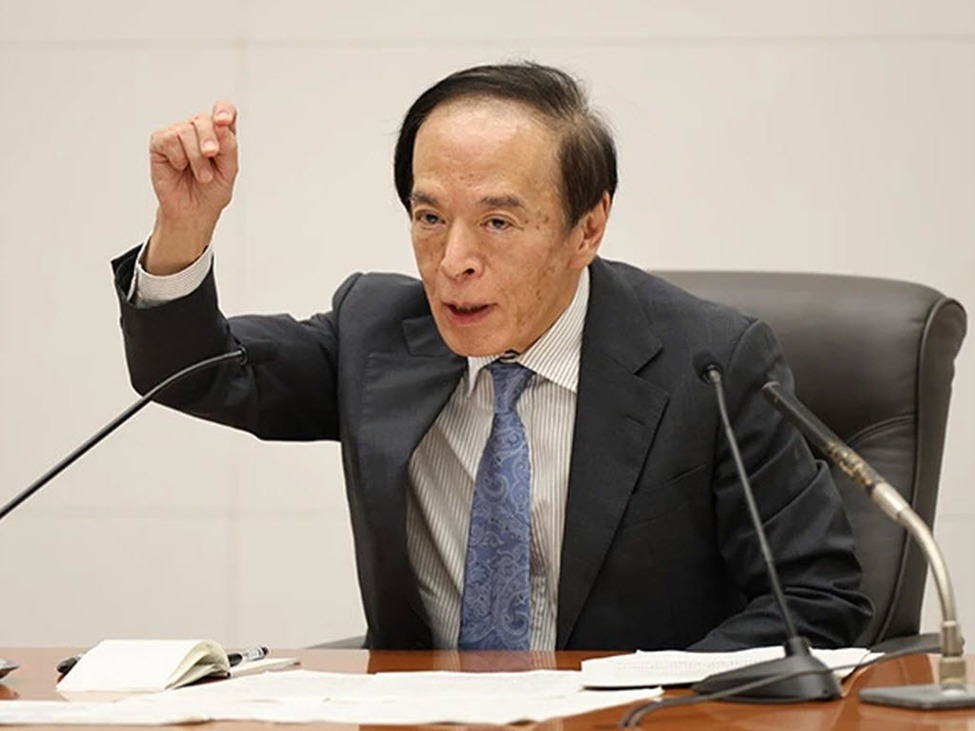
BOJ signals readiness for more rate hikes as yen weakness fuels inflation risks
The BOJ looks set to keep rates steady for now while signalling a tightening bias as yen weakness and fiscal uncertainty lift inflation risks. Reuters preview summarised. Summary:BOJ expected to hold policy rate at 0.75%Growth outlook for fiscal 2026 likely revised higherYen weakness and wage gains keep inflation risks aliveSnap election complicates policy messagingApril rate hike seen as possible if yen slides furtherThe Bank of Japan is expected to keep its policy rate unchanged at 0.75% at the conclusion of its January meeting on Friday, while signalling readiness to lift borrowing costs further as a weaker yen and resilient wage growth keep inflation risks elevated.Policymakers are widely expected to revise up their growth outlook for fiscal 2026, according to sources, reflecting support from government stimulus and a waning drag from US tariffs. However, the BOJ is unlikely to alter its projected timeframe for sustainably achieving its 2% inflation target, which it currently sees materialising around October or in the latter half of the fiscal year starting in April.Markets will focus closely on Governor Kazuo Ueda’s post-meeting briefing for guidance on how the central bank balances the need to arrest further yen depreciation without fuelling additional rises in government bond yields. The task has been complicated by Prime Minister Sanae Takaichi’s decision to call a snap election for February and her pledge to loosen fiscal policy through tax cuts and higher spending.Since Takaichi took office in October, the yen has weakened roughly 8% against the dollar, briefly touching an 18-month low near 159.5 last week, while concerns over Japan’s fiscal outlook have driven the 10-year government bond yield to multi-decade highs. Although the currency has since stabilised, its downtrend continues to push up import costs and consumer prices.Some analysts argue that expansionary fiscal policy could add to inflationary pressure and strengthen the case for further tightening. Others caution that a strong election mandate may embolden reflation-minded advisers who favour keeping rates low to support growth.Sources told Reuters that some BOJ policymakers see scope for an earlier move, with April not ruled out if yen weakness persists. While most economists still expect the next hike around July, markets increasingly see foreign-exchange dynamics as a critical trigger for the BOJ’s next step. This article was written by Eamonn Sheridan at investinglive.com. 🔗 Source 💡 DMK Insight The BOJ’s decision to maintain rates at 0.75% signals a cautious approach amid rising inflation risks, and here’s why that matters right now: With the yen’s weakness and increasing wage pressures, traders should be on alert for potential shifts in monetary policy. A steady rate could indicate that the BOJ is prioritizing economic stability over aggressive tightening, but the mention of a tightening bias suggests they’re not completely off the table. This could lead to volatility in the forex markets, particularly for USD/JPY, where traders should watch for levels around 150.00 as a potential breakout point. If the yen continues to weaken, we might see a push towards that level, which could trigger further selling pressure on the yen. On the flip side, if inflation risks materialize more aggressively than expected, the BOJ might have to act sooner than anticipated, which could catch many off guard. Keep an eye on wage growth data and inflation indicators in the coming weeks, as these will be key in shaping market sentiment and trading strategies moving forward. 📮 Takeaway Watch USD/JPY closely around 150.00; a breakout could signal further yen weakness amid BOJ’s tightening bias.