
 Bitcoin
  Ethereum
  Tether
  BNB
BNB  XRP
XRP  USDC
USDC  Solana
  TRON
TRON  Lido Staked Ether
  Figure Heloc
Over the weekend, Trump announced that Denmark, Norway, Sweden, France, Germany, the United Kingdom, the Netherlands and Finland would face a 10% tariff from February 1, rising to 25% from June 1, unless the U.S. is permitted to buy Greenland. Trump is obsessed with Greenland citing national security reasons. According to him, if the US doesn’t take over Greenland, Russia and China will. The reason is probably another. Greenland holds some of the world’s largest untapped deposits of rare earth minerals, which are critical for tech manufacturing and advanced weaponry. Currently, China dominates the global supply chain for these minerals. Owning or controlling Greenland’s resources would significantly reduce U.S. economic and military reliance on Chinese exports.Since last year, we’ve seen Trump using tariff threats as a type of coercion to force other countries to accept his demands. Every time he threatened to impose tariffs, he set a future date for them to come into effect. He used this strategy over and over again to speed up or put pressure on negotiations. Eventually, he always got away with something or outright folded his hand.This led to the famous TACO trade (“Trump Always Chickens Out”) when the markets react negatively to his tariff threats, stay in a kind of a limbo for some time, and eventually rally as he reaches an agreement or outright folds due to fears of too much market damage (see Liberation Day). It became so obvious that the reactions to his threats started to have less and less effect.Trump loves the stock market, it’s his “benchmark” of success. He loves to brag about record highs and how that is the result of his actions. Moreover, this year we have the midterm elections and we’ve already seen Trump trying to appease the voters with affordability policies. He’s unlikely to push too hard on tariffs if that results in weakness for the stock market.This week we have the World Economic Forum in Davos from 19th to 23th January. Trump will be there on Wednesday and other G7 leaders are also expected. That might be the first chance for a meeting. Trump will likely post something on his Truth Social if that happens. If we see de-escalatory language, the market will likely rally on that. In any case, the market’s focus is now on this latest trade war, and even if we might fade the initial negative reaction on the TACO expectations, the upside in the stock market will likely remain capped and could extend on further escalation until we get a resolution. Therefore, watch out for develpments in the next days and weeks as they will provide trading opportunities. This article was written by Giuseppe Dellamotta at investinglive.com. 🔗 Source 💡 DMK Insight So, Trump’s tariff threats could shake up the markets, and here’s why that matters: geopolitical tensions often lead to volatility in both traditional and crypto markets. With ETH currently at $3,213.72, traders should be on high alert for potential price swings as these tariffs could impact investor sentiment and risk appetite. If the situation escalates, we might see a flight to safety, which historically boosts assets like Bitcoin while putting pressure on altcoins like Ethereum. It’s also worth noting that the proposed tariffs could disrupt trade relations, leading to broader economic implications. If the U.S. economy feels the pinch, we could see a ripple effect on global markets, including forex pairs tied to the Euro and British Pound. Traders should keep an eye on the $3,000 support level for ETH; a drop below that could trigger further selling. On the flip side, if ETH holds above this level, it might attract buyers looking for a bargain amid the chaos. Watch for any updates on trade negotiations or reactions from European leaders, as these could serve as catalysts for ETH’s next move. 📮 Takeaway Monitor ETH closely around the $3,000 support level; any break below could signal further downside amid rising geopolitical tensions.
European officials continue to hit back at Trump over Greenland tariffs threat
The latest tariffs threat from US president Trump further exacerbates uncertainty with regards to trade policy. And it also shows that nothing is set in stone when it comes to any “trade deal” that has been struck. As a reminder, Trump threatened the EU with additional tariffs over the weekend unless “a deal is reached for the complete and total purchase of Greenland”.He will be slapping 10% tariffs on “any and all goods” starting from 1 February and that will jump up to 25% on 1 June after.The EU is already preparing to hit back and we’re now seeing some added commentary this morning from the region. French finance minister Roland Lescure says that:Blackmailing countries is unacceptableEuropean countries must remain unitedWe must be prepared to use the EU’s anti-coercion mechanismWill organise a G7 finance ministers’ meeting in the coming daysWe regret that there is an escalation btu Europe needs to be able to act autonomouslyGerman finance minister Lars Klingbeil also chips in by saying:There will be a strong response to US tariffsEU is ready to finda solution with the USHave no interest in a Transatlantic escalationMeanwhile, Norway prime minister Jonas Gahr Støre is also out saying that Trump’s tariffs announcement is “unacceptable”. That as Trump wrote a letter to Støre to say that he no longer felt an “obligation to think purely of peace”, clearly still reflecting his saltiness in not being awarded the Nobel Peace Prize by the Norwegian Nobel Committee.The main question now is whether or not the EU is willing to go tit-for-tat with the US on tariffs in escalating the situation further. If the EU does intend to call Trump’s bluff in anticipating a TACO situation, they have to be prepared that things could get ugly before they get better. One doesn’t need to look too far back to the whole tariffs war with China last year for an example. This article was written by Justin Low at investinglive.com. 🔗 Source 💡 DMK Insight Trump’s latest tariff threats are shaking up market stability, and here’s why that matters: Uncertainty around trade policy can lead to increased volatility in both forex and crypto markets. Traders should keep an eye on how these tariff discussions impact the USD, especially against major pairs like EUR/USD. If the EU retaliates or if negotiations stall, we could see a significant shift in market sentiment, potentially pushing the dollar lower. This could also ripple into crypto, where traders often seek refuge in assets like Bitcoin during times of fiat instability. Look for key technical levels on the USD index; a break below recent support could signal a bearish trend. Conversely, if the tariffs are resolved positively, we might see a bullish reversal. Watch for any updates from the White House or the EU that could trigger immediate market reactions, especially in the next few trading sessions. 📮 Takeaway Monitor USD movements closely; a break below key support levels could signal increased volatility and potential shifts in crypto markets.

Market outlook for the week of 19th-23rd January
Monday starts quietly, with the U.S. observing a bank holiday for Martin Luther King Jr. Day but Canada will get its inflation data prints. On Tuesday, the U.K. will release the claimant count change, the average earnings index 3m/y, and the unemployment rate. Wednesday brings inflation data from the U.K. while Thursday Australia will publish its employment change and unemployment rate. In the U.S., attention will turn to the core PCE price index m/m, along with October PCE data and final GDP q/q. New Zealand will also release its inflation figures. Finally, on Friday, the Bank of Japan will announce its monetary policy decision, while the Eurozone, the U.K., and the U.S. will get their flash manufacturing and services PMI data.This week will also include the World Economic Forum’s annual meetings in Davos. In Canada, the consensus for CPI m/m is -0.4% versus 0.1% previously. Median CPI y/y is expected to ease to 2.7% from 2.8%, trimmed CPI y/y is also seen slipping from 2.8% to 2.7%, while common CPI y/y is likely to remain unchanged at 2.8%. The Bank of Canada will closely monitor this release to assess whether inflation pressures remain above its 2% target. Headline CPI is still expected to print above target, while underlying price pressures are likely to show only modest improvement, with core inflation remaining relatively firm. Some relief is expected from energy prices, particularly due to lower gasoline costs, which should push energy inflation further into negative territory. However, analysts caution that this easing could be offset by continued strength in food prices, which remain elevated and may be boosted by base effects linked to last year’s temporary tax measures. Grocery inflation, in particular, continues to run hot. Overall, inflation excluding food and energy is expected to trend lower, though it will likely remain above the Bank’s target, indicating that price pressures are easing only gradually. From a monetary policy perspective, the BoC is expected to keep rates unchanged for now, with markets anticipating that the next move will be a rate hike, though not this year. In the U.K., the consensus expects the claimant count to rise by 18.8K versus 20.1K previously. The average earnings index 3m/y is forecast at 4.6%, down from 4.7%, while the unemployment rate is expected to edge lower from 5.1% to 5.0%. This week’s labour market data is likely to reinforce the Bank of England’s cautious stance on rate cuts. While a modest decline in the unemployment rate is anticipated, analysts view this as temporary and expect wage growth to continue easing. If confirmed, these trends could open the door for further policy easing, potentially as early as March. For U.K. inflation, the consensus expects headline CPI to rise from 3.2% to 3.3% y/y, with core CPI also edging up from 3.2% to 3.3%. ING analysts note that this release will hinge heavily on airfares, which typically rise over the holiday period. Last year’s seasonal increase was unusually muted, so a more typical Christmas-related jump in ticket prices this time could push services inflation higher. The magnitude of the move will depend on the timing of the ONS price collection, creating a small risk of a temporary spike that would likely reverse in January but could appear uncomfortable for the Bank of England in the near term. Food prices will also be important to watch, as they pose a short-term upside risk. However, trends in other European countries continue to point toward easing price pressures. Overall, ING expects U.K. inflation to return toward the BoE’s 2.0% target around April. In Australia, the consensus expects employment to rise by 26.5K, following a decline of 21.3K previously, while the unemployment rate is forecast to edge up from 4.3% to 4.4%. November employment data came in weaker than expected, with a notable drop that extended a run of softer job growth in recent months. On a three-month basis, employment gains have slowed to a pace well below historical norms, reinforcing the view that labour market momentum is easing. Seasonal volatility around the summer period has also become more pronounced in recent years, reflecting post-pandemic shifts in leave patterns that continue to complicate seasonal adjustments. Against this backdrop, the latest result should be viewed as part of a gradual cooling rather than a sharp deterioration. Westpac analysts expect a modest rebound in December, with employment likely to recoup some of November’s decline. Even so, underlying trends point to continued moderation rather than a return to strong hiring. Despite November’s weak employment outcome, the unemployment rate did not rise. Instead, a small decline in the number of unemployed reflected a drop in labour force participation, which slipped to 66.7% and helped keep the jobless rate unchanged at 4.3%. Looking through the month-to-month noise, however, the broader trend still suggests gradual labour market cooling, with the three-month average unemployment rate edging higher compared with earlier in the year. Looking ahead, participation is expected to recover modestly. Combined with a rebound in employment, this would likely push the unemployment rate slightly higher to around 4.4%, marking a noticeable increase compared with a year ago and reinforcing the picture of a slowly softening labour market. Wells Fargo analysts think that from a monetary-policy perspective the RBA is expected to keep the cash rate unchanged at 3.60% through the end of the year. Any future move is more likely to be a rate hike, but this would require a clear re-acceleration in labour market strength and persistently elevated inflation. In the U.S., the consensus for the core PCE price index m/m is 0.2% and the release will also include October data. The report is likely to confirm that underlying inflation remains contained, even as tariff-related pressures linger.The Fed will enter its blackout period ahead of the January 28 meeting for which current market expectation is that interest rates will remain unchanged. In New Zealand, the consensus for CPI q/q is 0.5% vs. 1.0% previously. Inflation is expected to pick up modestly in the December quarter,
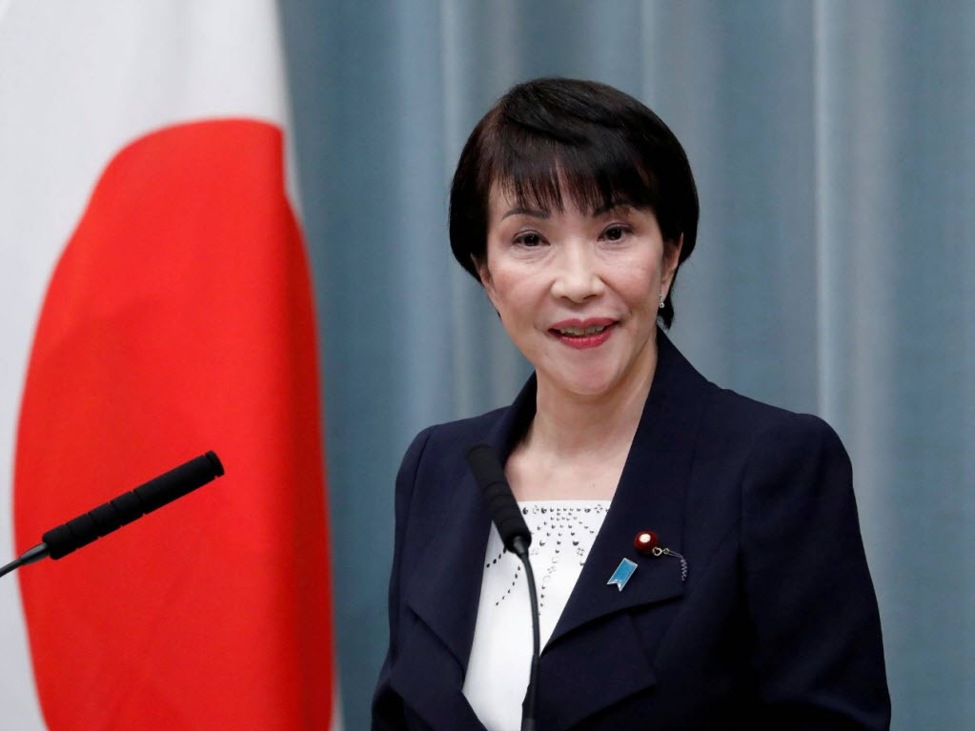
Japan prime minister Takaichi makes announcement to call for snap election
She is making it official now as she announces that she will be calling a snap election on 23 January. That is when the next ordinary Diet session takes place, in which she will dissolve the lower house of parliament. Takaichi also adds that she will be asking for a mandate to continue as prime minister of Japan.The likely dates for the snap election are either 8 February or 15 February at this point. All this so as to leave some room for lawmakers and policymakers to come together to deliver on the budget in March. Update: Takaichi confirms that she will call for a snap election on 8 February.She reaffirms that her administration will be putting an end to excessively tight fiscal policy, while also tackling high prices. She can lay out any reasons she wants to justify calling for a snap election here. However, it is clear that the power play is all about power consolidation.As mentioned before:”So, why is Takaichi planning this move here?It’s mostly to shore up support and increase the number of ruling coalition seats while her support ratings remain high. All that of course before opposition lawmakers start piling on the questions on her policy setting when the Diet session begins. And the ongoing feud between Japan and China won’t make things easy for her, as it offers up free ammunition for other lawmakers to question her leadership.” This article was written by Justin Low at investinglive.com. 🔗 Source 💡 DMK Insight With SOL currently at $133.60, the impending snap election announcement in Japan could stir market volatility, impacting crypto sentiment. Political uncertainty often leads to risk-off behavior among investors, which could see a shift in capital flows away from riskier assets like cryptocurrencies. If traders perceive instability in traditional markets, they might flock to crypto as a hedge, but the initial reaction could be bearish as uncertainty looms. Keep an eye on SOL’s support levels around $130; a break below could trigger further selling pressure. Conversely, if SOL holds above this level, it might attract buyers looking for a dip. The broader context of this political move is essential—if it leads to significant policy changes, especially regarding digital currencies, SOL could see a rebound. Watch for reactions from institutional players, as their movements could set the tone for the next few weeks. The election date of January 23 is a key date to mark on your calendar, as it could lead to heightened volatility leading up to and following the event. 📮 Takeaway Monitor SOL closely around the $130 support level; a break could signal further downside, while stability might attract buyers ahead of the January 23 election.

Spain PM Sanchez cancels Davos trip to deal with high-speed train crash incident
This is already shaping up to be Spain’s worst rail crash in more than a decade. For some context, the incident involved carriages on a Madrid-bound train that derailed and crossed over to the opposite tracks, colliding with an oncoming train in Adamuz on Sunday evening.The death toll is “not yet final”, according to Spain’s transport minister. That as more than a hundred passengers are still being treated in hospital. There were roughly four hundred passengers and staff onboard both trains.Spain’s prime minister Sanchez has now said that he will cancel his trip to Davos to attend to the situation above. He was due to deliver a special address at the World Economic Forum on 21 January at 0900 GMT. This article was written by Justin Low at investinglive.com. 🔗 Source

USDJPY extends pullback on Trump's trade war, BoJ rate hike odds. What's next?
KEY POINTS:US Dollar weakened across the board on the latest Trump’s trade warJapanese Yen found support from more intense verbal intervention and rate hike expectationsUSD/JPY bounced from a major trendline, now at crossroads.FUNDAMENTAL OVERVIEWUSD:The US Dollar weakened across the board to start the week following Trump’s escalation over Greenland. In fact, the US President threatened to impose 10% tariffs starting on February 1 on the UK, France, Germany and a few other European countries unless the U.S. is permitted to buy Greenland. The tariffs will rise to 25% from June 1 in case of no deal. As seen last year, risk-off moves caused by Trump’s tariffs stemmed from growth worries. Growth worries trigger a selloff in the stock market and in turn a fall in Treasury yields on expected future weakness in the economy. In terms of monetary policy, traders now expect 48 bps of easing by year-end following a strong US jobless claims report last week. The Fed members continue to support the current patient and data-dependent stance with renewed weakness in labour market data or bigger than expected easing in inflation needed for earlier rate cuts. JPY:On the JPY side, last week’s barrage of verbal intervention from Japanese officials after the price broke above the 2025 high helped to stop the recent selloff in the yen. Moreover, we got a Bloomberg report last week saying that the BoJ officials were paying more attention than before on the weakening yen and its potential impact on inflation. According to people familiar with the matter, this could have implication for future rate hikes even though the central bank is likely to hold rates steady this week. The JPY strengthened on the news as the odds of a rate hike in March jumped to 22% before receding a bit afterwards. A hike in March would be much sooner than expected and could keep the JPY supported in the short-term if speculations of an earlier hike keep increasing. The central bank is still placing a great deal on wage growth, so wage data and spring wage negotiations remain key. The market is now pricing around 46 bps of tightening by year end. USDJPY TECHNICAL ANALYSIS – DAILY TIMEFRAMEOn the daily chart, we can see that USDJPY continues to slowly edge lower after failing to sustain the break above the 2025 high. The sellers piled in once the price fell back below the 158.87 level to target the 154.50 support. The buyers, on the other hand, will either wait for the price to break above the 158.87 level again or to come into the support before stepping in with more conviction.USDJPY TECHNICAL ANALYSIS – 4 HOUR TIMEFRAMEOn the 4 hour chart, we can see that we eventually got the pullback into the upward trendline that is defining the bullish momentum on this timeframe. The buyers stepped in around the trendline with a defined risk below it to position for a rally into the 160.00 handle. The sellers, on the other hand, will want to see the price breaking lower to increase the bearish bets into the 154.50 support next.USDJPY TECHNICAL ANALYSIS – 1 HOUR TIMEFRAMEOn the 1 hour chart, we can see that we have a minor downward trendline defining the recent pullback. The sellers will likely lean on the trendline with a defined risk above it to target a break below the major trendline. The buyers, on the other hand, will look for a break higher to increase the bullish bets into new highs. The red lines define the average daily range for today.UPCOMING CATALYSTSTomorrow we have the weekly US ADP jobs data. On Thursday, we get the latest US Jobless Claims figures. On Friday, we have the Japanese CPI, the BoJ policy decision and the US Flash PMIs. Keep also an eye on the World Economic Forum in Davos as Trump could post something on Truth Social regarding this latest trade war. This article was written by Giuseppe Dellamotta at investinglive.com. 🔗 Source 💡 DMK Insight The US Dollar’s recent weakness signals potential volatility ahead, especially for USD/JPY traders. With Trump’s trade war rhetoric intensifying, the Dollar’s decline could lead to further shifts in market sentiment. The USD/JPY pair bouncing off a major trendline indicates a critical juncture; traders should watch for confirmation of a breakout or reversal. If the Yen continues to gain traction due to rate hike expectations, it could pressure USD/JPY below key support levels. This scenario may also ripple through correlated markets, impacting commodities priced in Dollars. Keep an eye on the upcoming economic data releases that could influence the Fed’s stance, as any dovish signals could exacerbate the Dollar’s weakness. Conversely, if the Dollar finds strength, it could invalidate the current bullish sentiment in the Yen. Traders should monitor the 110.00 level in USD/JPY closely, as a break below could trigger further selling pressure, while a bounce could present a buying opportunity for those looking to capitalize on a potential reversal. 📮 Takeaway Watch the 110.00 level in USD/JPY; a break below could signal further Dollar weakness, while a bounce may offer a buying opportunity.

Eurozone December final CPI +1.9% vs +1.9% y/y prelim
Prior +2.1%Core CPI +2.3% vs +2.3% y/y prelimPrior +2.4%The key statistic here is core annual inflation, which continues to hold above the 2% threshold for now. As such, that will keep the ECB sidelined in waiting on their next potential policy move. As mentioned before, the main sticking point at this stage is Germany mostly and that will continue to keep policymakers on edge as we get into the new year.Looking at the breakdown, food price inflation remains elevated as well at around 2.5% with services inflation clearly still the standout at 3.4% in December. In looking at the contributions to the headline inflation number:Food, alcohol, & tobacco +0.49%Energy -0.18%Non-energy industrial goods +0.09%Services +1.54% This article was written by Justin Low at investinglive.com. 🔗 Source 💡 DMK Insight Core CPI holding at 2.3% is a big deal for traders right now. With inflation stubbornly above the ECB’s 2% target, the central bank’s hands are tied, delaying any rate hikes. This could lead to increased volatility in the eurozone markets, particularly affecting the euro against the dollar. Traders should watch for potential reactions in forex pairs like EUR/USD, especially if the core inflation figures trend higher or lower in the coming months. If the ECB remains sidelined, we might see a stronger dollar as U.S. economic data continues to support Fed rate hikes. Keep an eye on the 1.05 level for EUR/USD; a break below could signal further downside. On the flip side, if inflation starts to cool, it could give the ECB room to act sooner than expected, which might shift market sentiment quickly. So, monitor upcoming inflation reports closely, as they could shift the narrative significantly. 📮 Takeaway Watch the 1.05 level in EUR/USD; a break below could signal further downside as ECB remains sidelined due to persistent inflation.
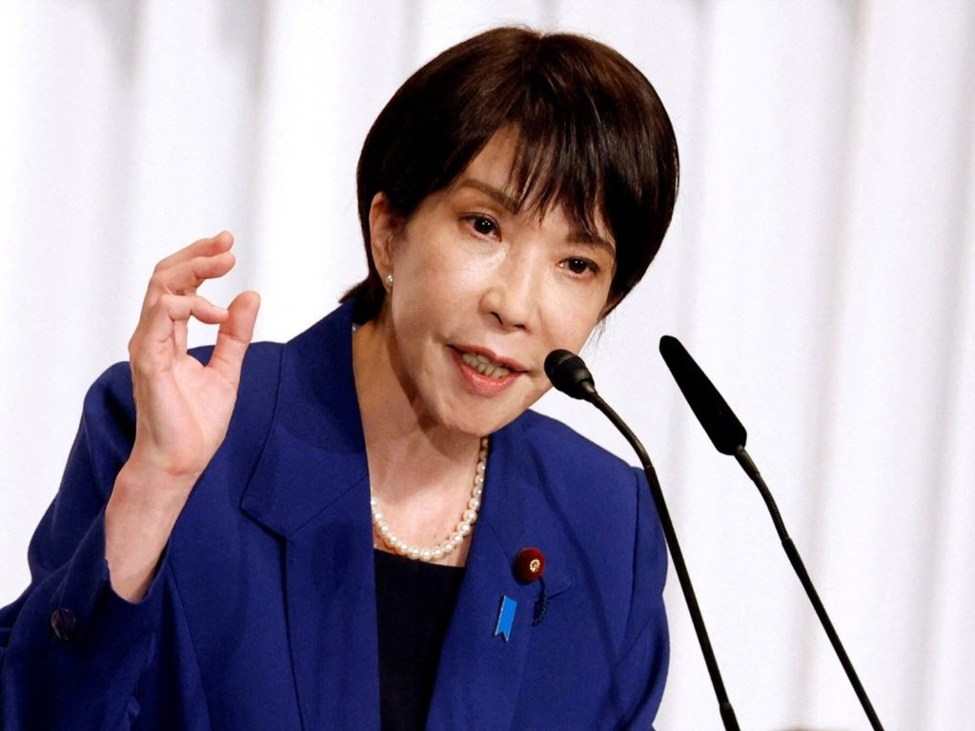
Japan prime minister Takaichi says ready to take necessary action on speculative FX moves
Will not comment on forex levelsBut will take appropriate action if neededStill examining source of revenues to fund consumption tax cutHave to be mindful of movements in forex, interest rates in considering revenues to fund consumption tax cutWill keep an eye out on speculative forex moves, ready to take necessary actionEarlier, she also commented that she will “ensure sustainability of Japan’s fiscal state by lowering the debt-to-GDP ratio”. That will be tough considering how expansive her fiscal policies are and that is already the main reason why the Japanese yen has been battered for months on end since October.The Takaichi trade summarised:As she now calls for a snap election, will it be a case of buy the rumour, sell the fact as outlined here?It will be interesting to see if this really backfires on Takaichi. But if that were to happen, expect yen shorts to be covered in a massive manner.For now though, traders remain confident that things will not change in terms of policy heading for Japan. USD/JPY is down 0.1% to 157.93 today and continues to keep around the 158.00 level after a brief dip to 157.42 earlier in the day amid some safety flows. This article was written by Justin Low at investinglive.com. 🔗 Source 💡 DMK Insight The ongoing scrutiny of forex levels and interest rates is crucial for traders right now, especially as the government weighs a consumption tax cut. This indicates potential volatility in currency pairs, particularly if speculative movements arise. Traders should be aware that any sudden shifts in forex could prompt immediate policy responses, impacting not just the yen but also correlated assets like commodities and equities linked to Japanese economic health. Moreover, the focus on revenue sources for funding the tax cut suggests that fiscal policy could shift, which might influence interest rates. If the government opts for a more aggressive stance to stabilize the yen, we could see significant price action in forex markets. Keep an eye on key levels, as a break below recent support could trigger further selling pressure. Conversely, if the yen strengthens, it might provide a buying opportunity for those looking to capitalize on a rebound. Watch for any announcements or economic indicators that could signal a change in policy direction, particularly in the coming weeks. 📮 Takeaway Monitor forex movements closely; any significant shifts could lead to immediate policy actions affecting the yen and related markets.

Nasdaq futures extend losses as Trump declares trade war over Greenland. What's next?
FUNDAMENTAL OVERVIEWThe Nasdaq futures opened lower today following Trump’s escalation over Greenland. In fact, the US President threatened to impose 10% tariffs starting on February 1 on the UK, France, Germany and a few other European countries unless the U.S. is permitted to buy Greenland. The tariffs will rise to 25% from June 1 in case of no deal.As seen last year, risk-off moves caused by Trump’s tariffs stemmed from growth worries. Growth expectations are the main driver of stock markets and when something leads to negative expectations, we generally get selling pressure until those expectations are corrected. Everyone is now waiting for the famous TACO (“Trump Always Chickens Out”) trade. The market’s focus in now on this latest escalation, so monitoring the developments will be key and will offer trading opportunities. The risk sentiment will likely stay on the defensive until we get some clear de-escalation from Trump. If things escalate further, we should see more downside before Trump eventually folds.As a reminder, the US cash equity markets are closed today for Martin Luther King Jr. Day.NASDAQ TECHNICAL ANALYSIS – DAILY TIMEFRAMEOn the daily chart, we can see that the Nasdaq broke out of the rising wedge to the downside following Trump’s escalation over Greenland. The natural target is generally the base of the wedge, which in this case stand around the 24,900 level. We might need further escalation or just no positive developments to keep the bearish pressure intact. If the price gets there, we can expect the dip-buyers to step in with a defined risk below the 24,900 level to position for a rally into new all-time highs. The sellers, on the other hand, will look for a break lower to increase the bearish bets into the 24,200 level next.NASDAQ TECHNICAL ANALYSIS – 4 HOUR TIMEFRAMEOn the 4 hour chart, we can see that the price has fallen to the first key swing level around 25,270. This is going to be the first dip-buying opportunity with a defined risk below the swing level. The sellers, on the other hand, will want to see the price breaking lower to increase the bearish bets into the 24,900 level next.NASDAQ TECHNICAL ANALYSIS – 1 HOUR TIMEFRAMEOn the 1 hour chart, there’s not much we can add here as the buyers will likely start piling in around these levels to position for a rally into new highs, while the sellers will wait for a break lower to increase the bearish bets into the next key level.UPCOMING CATALYSTSTomorrow we have the weekly US ADP jobs data. On Thursday, we get the latest US Jobless Claims figures. On Friday, we have the US Flash PMIs. Watch out also for headlines and Trump’s posts on Truth Social regarding Greenland as the market’s focus remains on this latest trade war. This article was written by Giuseppe Dellamotta at investinglive.com. 🔗 Source 💡 DMK Insight Trump’s tariff threats are shaking up the Nasdaq futures, and here’s why that matters: escalating trade tensions could lead to increased volatility across markets. With the Nasdaq futures opening lower, traders should keep an eye on how this geopolitical maneuvering impacts tech stocks, particularly those with significant European exposure. If the tariffs go into effect, we might see a ripple effect on earnings forecasts, which could push major indices lower. Watch for key support levels in the Nasdaq; a break below recent lows could trigger further selling. On the flip side, this could create buying opportunities in sectors that benefit from domestic focus or those less reliant on international trade. As we approach February 1, monitor sentiment shifts and any retaliatory measures from affected countries. The real story is how this could reshape market dynamics in the coming weeks, especially if traders start pricing in a more prolonged trade conflict. 📮 Takeaway Watch for Nasdaq support levels; a break could signal deeper losses, while geopolitical tensions may create buying opportunities in less affected sectors.

Vitalik Buterin warns Ethereum has ‘backslid’ on decentralization and privacy
Vitalik Buterin wants improved private payments, easier running of full nodes, decentralized apps that don’t rely on centralized services, and more on-chain privacy. 🔗 Source 💡 DMK Insight Vitalik Buterin’s push for enhanced privacy features in Ethereum could reshape trading strategies. With the demand for private payments and decentralized applications growing, traders should keep an eye on how these developments might affect Ethereum’s scalability and adoption. If successful, these upgrades could lead to increased transaction volumes and potentially higher prices as more users flock to a more secure platform. However, there’s a flip side: if these changes complicate the network or lead to regulatory scrutiny, we could see volatility spike. Traders should monitor Ethereum’s price action closely, especially around key levels that could indicate market sentiment shifts. Watch for any announcements or updates that might come out in the next few weeks, as they could provide critical insights into the future trajectory of ETH and related assets like DeFi tokens that rely on Ethereum’s infrastructure. 📮 Takeaway Keep an eye on Ethereum’s price action and any upcoming announcements regarding privacy upgrades, as they could significantly impact market sentiment and trading strategies.