
 Bitcoin
  Ethereum
  Tether
  XRP
XRP  BNB
BNB  USDC
USDC  Solana
  TRON
TRON  Lido Staked Ether
  Figure Heloc
We haven’t heard much from Bowman since she was ruled out as a candidate for Fed Chair.US economy has been resilientWage growth consistent with 2% inflationFed has made considerable progress in lowering inflationUnderlying inflation levels closer to Fed’s 2% targetSays she is concerned about labor market fragilityFirms may start shedding workers unless there is demand improvementExpects ‘solid’ growth, lower inflation and stabilizing job marketGiven risks, Fed policy should be focused on supporting job marketFed policymaking should be forward looking and driven by forecastsInflation pressures are easing as tariff influences abateMonetary policy is ‘moderately restrictive’ right nowRisk to Fed’s mandates is asymmetric, with job risks outweighing inflation concernsU.S. central bank should stand ready to cut interest rates again given labor market risksGiven risks, Fed should not signal a pause in rate-cutting campaignI thought Bowman might pivot back to being more hawkish after losing her bid for Fed chair but she’s hanging in there. The ‘moderately restrictive’ take is out of consensus with the vast majority of Fed members seeing policy as either within the range of neutral or close. Her view that the jobs market risks are higher is defensible as most of the employment created in the US last year as in healthcare and AI is certainly a risk to layoffs. That said, the latest economic data has been good and this week’s jobless claims number was the lowest of Trump’s second term. Most Fed members want to see convincing evidence that inflation is at 2% and it’s just not there, with the upcomign PCE report likely at 3%. She dismisses that by shifting to ‘underlying’ inflation but that same underlying inflation has also been aided by a rapid decline in oil prices that might not be sustainable. As the year goes on, she will be an interesting voice to monitor because there will be votes that are close calls and she could easily shift back to being a hawk if prices pick up. This article was written by Adam Button at investinglive.com. 🔗 Source 💡 DMK Insight Bowman’s concerns about labor market fragility could signal a shift in Fed policy, and here’s why that matters: The U.S. economy’s resilience has been a double-edged sword. While wage growth aligns with the Fed’s 2% inflation target, Bowman’s warning about potential job cuts suggests underlying vulnerabilities. If firms start shedding jobs, it could prompt the Fed to reconsider its current stance on interest rates. Traders should be aware that any signs of labor market weakness could lead to a dovish pivot, impacting not just equities but also the forex market, particularly USD pairs. Keep an eye on economic indicators like jobless claims and non-farm payrolls in the coming weeks, as these will be critical in shaping market sentiment. Moreover, if inflation continues to trend downwards while labor markets weaken, we might see a divergence in asset performance. For instance, commodities could react differently than equities, depending on how investors interpret the Fed’s next moves. Watch for key support levels in major indices and the dollar index, as these could provide insights into market direction based on Fed reactions. 📮 Takeaway Monitor upcoming jobless claims and non-farm payrolls; a labor market downturn could shift Fed policy and impact USD pairs significantly.

Lithium prices go parabolic, but Scotiabank warns it's 'Too Fast, Too Furious'
Spot prices for lithium have experienced significant volatility to begin 2026, with Scotiabank analysts characterizing the recent surge as disconnected from underlying market fundamentals.Domestic Chinese lithium carbonate prices have risen 34% year-to-date, while spodumene prices have increased by 46%. The rapid rise has seen lithium carbonate move from approximately $18,000 per metric tonne to $23,000 per metric tonne in a single week. Futures markets have reacted similarly, trading at even higher premiums.Scotiabank’s analysis suggests this rally is not currently driven by end-user EV demand, but rather by regulatory changes in China. Specifically, Beijing’s decision to roll back value-added tax export rebates appears to have triggered a wave of front-loaded export demand as buyers attempt to preempt the policy move.The analysts warn that because this price action is largely reactional to policy rather than a structural shift in consumption, there is significant risk of price retracement once the immediate export activity concludes. They note that while equity markets had been pricing in lithium at $17,000 to $18,000 per tonne, the spot price has quickly outpaced these levels.”once this exercise is complete, watch for retracement risk – both on the commodities and slightly less so on the equities,” Scotia writes.We are seeing some of that today with lithium prices lower and equities notably lower with Albernale down 6%.Scotiabank has suggested a defensive rotation for investors looking to manage risk. While maintaining a positive long-term outlook on the sector, they recommend rotating exposure from Albemarle into Sociedad Quimica y Minera de Chile (SQM). The rationale is based on relative sensitivity to commodity prices; SQM is estimated to have roughly half the leverage to spot lithium price movements compared to Albemarle, potentially offering better resilience should spot prices correct as anticipated.Note that back in September during another squeeze in lithium stocks based on a potential Trump investment in a lithium stock, the same analysts warned that prices of LAC had gone way too far. They ultimately fell 50% in the following three weeks. This article was written by Adam Button at investinglive.com. 🔗 Source 💡 DMK Insight Lithium prices are soaring, but here’s why traders should be cautious: The 34% jump in domestic Chinese lithium carbonate prices and a staggering 46% rise in spodumene prices signal a market that’s reacting more to speculation than solid fundamentals. Scotiabank’s analysis suggests that this surge isn’t backed by a corresponding increase in demand or production capabilities, which raises red flags for sustainability. Traders need to consider that such disconnections often lead to sharp corrections. Watch for key technical levels; if lithium carbonate breaks above $20,000, it could attract more speculative buying, but a failure to hold that level might trigger a sell-off. Additionally, keep an eye on broader market indicators like EV sales and global supply chain developments, as these could provide insight into whether this price action is justified. The real story here is the potential for a pullback if fundamentals don’t catch up, so stay alert for any signs of a reversal in sentiment. 📮 Takeaway Monitor lithium carbonate prices closely; a break above $20,000 could invite speculation, but a failure to sustain that level may lead to a sharp correction.

Trump says he 'greatly respects' that Iran have been cancelled
Oil prices are under some pressure after Trump writes:I greatly respect the fact that all scheduled hangings, which were to take place yesterday (Over 800 of them), have been cancelled by the leadership of Iran. Thank you!Iran is a brutal regime that’s quickly sentenced people to death for protesting poor economic conditions. It’s not clear if the US wants to get involved in a war though and we will be watching for signs. The consensus is that it will be much more difficult to dislodge the Iranian regime than what we saw in Venezuela.Oil prices fell earlier in the week after Trump said something similar on the scheduled executions but that’s minimal comfort for the protestors who were told earlier in the week that ‘help is on the way’ and to keep protesting.According to the UN, Iran executed around 975 people in 2024 with the number nearly doubling in 2025. Official government statements claim there was no plan to execute protesters for protest participation alone.In terms of markets, what matters for oil is whether the bombs will be flying or not and the indication from this is that they won’t be, at least not this weekend.WTI crude was last at $59.89. This article was written by Adam Button at investinglive.com. 🔗 Source
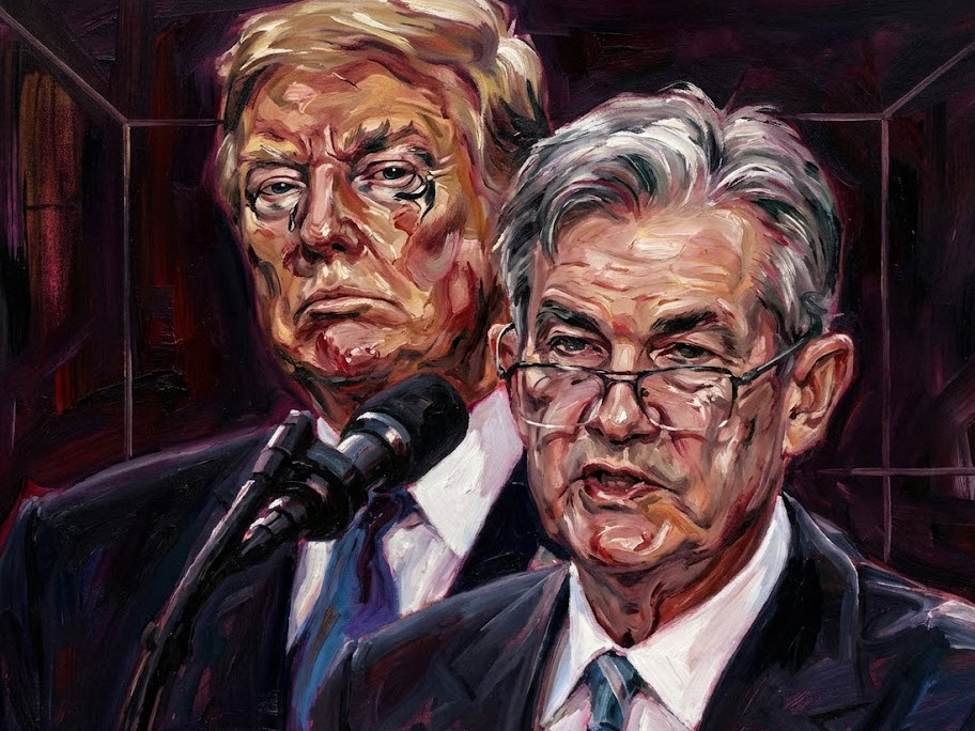
Powell will be tempted to stay as a Governor beyond May, former Fed vice chair says
The New York Times is out with an article on Fed Chairman Jerome Powell:Powell cultivated deep Congressional ties anticipating political backlash.GOP Senators Tillis and Thune publicly backed the Fed Chair, support went beyond what Powell expectedEven critic Kevin Cramer credits Powell’s relationship-building skillsTrump may rethink his nominee choice amid Senate pushbackWhen the Justice Department launched a criminal investigation into Jerome Powell on Jan. 9, the White House likely expected the Fed Chair to fold but he fought back and appears to have won. Now the question is whether he’s more inclined to remain as a Fed governor for another two years after his term as Chair ends in May.The report highlights how he built ties on Capital Hill for years and that helped generate the strong response — including from Republicans — about potential criminal charges. Senator Thom Tillis has threatened to block any new Trump nominee, and Majority Leader John Thune is backing Powell.What happens in May? Powell’s term as Chair ends, but his term as a Governor runs for another two years. While some, like Jim Cramer, have suggested an “elegant” exit where Powell resigns to avoid indictment, Powell appears to be digging in.There was a telling comment from highly-respected former Fed vice chair Don Kohn who said:“If he thinks that his resignation as governor will endanger the institution and its independence, he’d be tempted to stay on,”.Powell is described as an institutionalist, something we’ve seen before. If Powell says on the board, he will continue to vote for the remainder of his term in what could be a swing vote if Trump continues to try to stack the Fed with yes-men.The report also noted that Kevin Hassett is ‘a front runner’ and highlights Trump’s comments today about Hassett likely remaining in his job.“I actually want to keep you where you are, if you want to know the truth,” he said to Hassett at an event. This article was written by Adam Button at investinglive.com. 🔗 Source 💡 DMK Insight Jerome Powell’s strong ties with Congress could signal a more stable Fed, and here’s why that matters for traders: With ETH currently at $3,292.74, any shift in monetary policy could impact crypto markets significantly. If Powell’s relationships lead to a more favorable economic environment, we might see increased risk appetite among investors, pushing ETH and other assets higher. Conversely, if political pressures lead to tighter monetary policy, expect volatility. Traders should keep an eye on upcoming Fed meetings and any statements from Powell that could hint at future rate changes. Watch for ETH’s resistance around $3,400; a break above could signal bullish momentum, while a drop below $3,200 might trigger selling pressure. But don’t overlook the potential for political drama. If Trump reconsiders his nominee choice, it could create uncertainty, impacting market sentiment. The real story is how these political dynamics could ripple through the crypto space, affecting not just ETH but also correlated assets like Bitcoin. Keep your charts handy and monitor these developments closely. 📮 Takeaway Watch ETH resistance at $3,400 and support at $3,200; political shifts could drive volatility in the coming weeks.
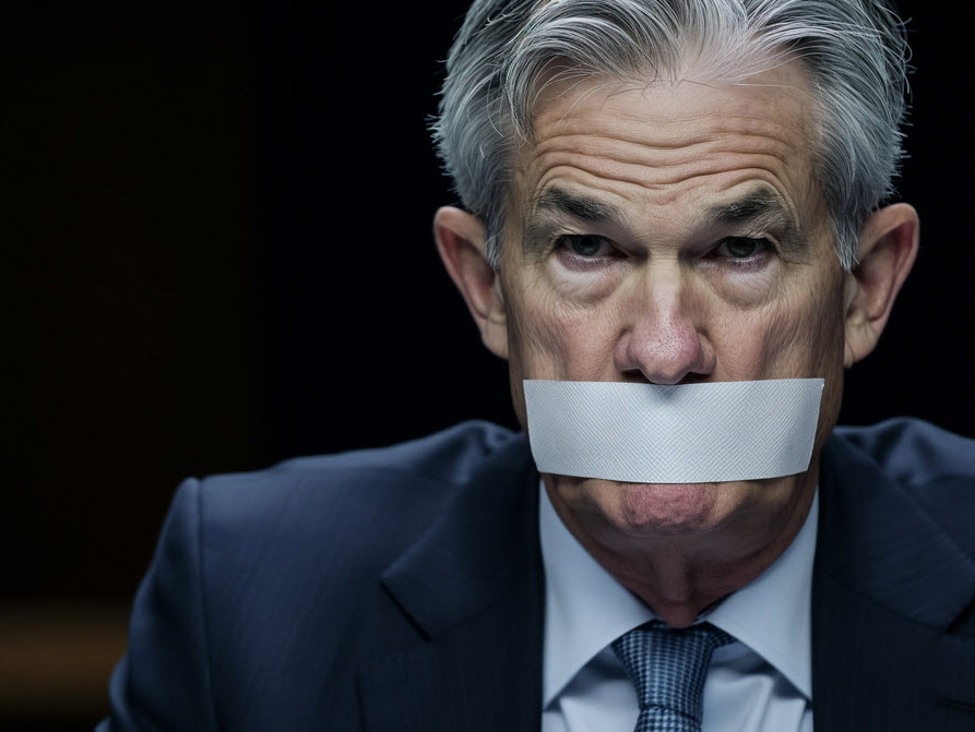
The Fed blackout is hours away; Jefferson says he doesn't want to pre-judge Jan decision
The Fed’s Jefferson is out with a speech late in the day but he isn’t giving much away:Some upside risks remain, but expect inflation to return to path back to 2%Inflation somewhat elevated, rise in core good prices inconsistent with return to 2% inflationCautiously optimistic for 2026, though face risks to both employment, price stability goalsPleased to see increased use of standing repo operations when economically sensibleExpect 2% economic growth in near term, unemployment rate to hold steady this yearFed rate cuts since 2024 have brought policy rate into range consistent with neutralCurrent policy stance leaves us well positioned to determine how much and when to adjust policy rateAs layoffs remain low, hiring remains lowDo not want to prejudge January rate-setting decisionIt sounds like he’s inclined to cut rates later in the year. It would hardly make waves if he argued for holding on Jan 28 as that outcome is 95% priced into markets. In November, he said they should proceed slowly and then earlier this month he characterized the policy rate in a “range consistent with neutral”, something he repeated today.Quotables:I am starting 2026 with a cautiously optimistic point of view. Conditions in the labor market appear to be stabilizing, and I see the economy as well positioned to continue to grow while inflation returns to a pathway toward our 2 percent objectiveMore:What is inconsistent with a return to 2 percent inflation is the rise in core good prices….y view that inflation will resume a path toward our goal is consistent with near-term measures of inflation expectations declining from their peaks last year, as reflected in both market- and survey-based measures. And most measures of longer-term expectations remain consistent with our 2 percent inflation goal. This article was written by Adam Button at investinglive.com. 🔗 Source 💡 DMK Insight The Fed’s Jefferson just hinted at a cautious approach to inflation, and here’s why that matters: Traders should pay close attention to the implications of his remarks on interest rates and market sentiment. With inflation still elevated and core goods prices showing inconsistency, the Fed’s cautious optimism for 2026 suggests that any rate hikes might be slower than anticipated. This could lead to a more volatile trading environment, especially for assets sensitive to interest rate changes like tech stocks and cryptocurrencies. If inflation doesn’t stabilize, we could see a shift in market dynamics, impacting everything from forex pairs to commodity prices. Look for key levels in the S&P 500 and major currency pairs that could react to these signals. If the market starts pricing in prolonged uncertainty, traders might want to consider protective strategies or look for short opportunities in overvalued sectors. Keep an eye on the upcoming economic data releases that could further inform the Fed’s stance and adjust your positions accordingly. 📮 Takeaway Watch for inflation data releases and key levels in the S&P 500; prolonged uncertainty could lead to volatility in tech stocks and crypto markets.

investingLive Americas market news wrap: Trump hints Hassett won't be Fed pick
Trump: I may want to keep Hassett where he isCanada strikes tariff deal with China on agriculture and electric vehiclesPowell will be tempted to stay as a Governor beyond May, former Fed vice chair saysFed’s Bowman: Should be ready to cut rates again amid job market risksUS industrial production rises more than expected in DecemberTrump says he ‘greatly respects’ that Iran have been cancelledLithium prices go parabolic, but Scotiabank warns it’s ‘Too Fast, Too Furious’US NAHB January home builder sentiment index 37 vs 40 expectedIs Rick Rieder the darkhorse for the Fed job? Jefferson says he doesn’t want to pre-judge Jan decisionMarkets:Gold down $32 to $4582, silver down 3%WTI crude oil down 32-cents to $59.51US 10-year yields up 6.7 bps to 4.23%JPY leads, AUD lagsS&P 500 down 0.1%It’s a holiday on Monday and markets on Friday mostly traded like an extra-long weekend. Newsflow was steady with some Fed talk ahead of the midnight blackout but ultimately, the moves in the FX market were minimal to finish the day.Below the surface it was a bit more lively. The big moves on the day came after Trump said to Hassett at an event: “I actually want to keep you where you are, if you want to know the truth.”That led the betting market to drop the odds on Hassett down to 17%. However broader market reactions may cause Trump to pivot back to Hassett. Treasury yields rose 5-6 bps across the curve on the possibility of a less-dovish Fed chair. That long-dated yields would also rise is something of a surprise as Hassett could stoke the inflationary fires.In the same vein, the US dollar strengthened on the headlines and that runs counter to what Trump generally wants. Stock markets also dipped slightly, though not materially.The NAHB numbers highlighted a major weak spot in the US: housing. There is talk that the Trump admin will let Americans draw down 401K retirement plans to buy homes as it faces poor polling on affordability. Today’s rise in long-term yields also won’t help.The week ahead is a short one but will include some major economic date and we could get the Supreme Court decision on tariffs (Tuesday was announced as a decision day). Have a great weekend. This article was written by Adam Button at investinglive.com. 🔗 Source 💡 DMK Insight With ADA at $0.40, the market’s focus is shifting towards macroeconomic indicators that could influence crypto prices. The recent rise in US industrial production suggests a potential uptick in economic activity, which could lead to increased investor confidence. If the Fed considers cutting rates, as hinted by Bowman, it might create a favorable environment for risk assets like cryptocurrencies. Traders should keep an eye on how these economic signals impact ADA’s price action, especially if it approaches key resistance levels around $0.45. However, there’s a flip side: if job market risks escalate, it could lead to a flight to safety, negatively impacting crypto prices. Watch for ADA’s performance in the coming days, particularly if it tests the $0.40 support level. A break below could signal further downside, while a bounce might indicate bullish sentiment returning. 📮 Takeaway Monitor ADA closely around the $0.40 support level; a break could lead to further declines, while a bounce might signal renewed bullish momentum.

Web3 revenue shifts from blockchains to wallets and DeFi apps
A growing amount of the blockchain industry’s fees are captured by DeFi protocols rather than the underlying networks, signaling a potential investor shift to front-end facing applications. 🔗 Source 💡 DMK Insight DeFi protocols are increasingly capturing blockchain fees, and here’s why that matters: This trend indicates a shift in investor focus towards applications that offer more immediate utility and returns. As DeFi platforms gain traction, traditional blockchain networks may see reduced fee revenue, which could impact their valuations. Traders should keep an eye on the performance of major DeFi tokens, as they might outperform underlying assets in the short term. If DeFi protocols continue to dominate fee capture, we could see a rotation out of traditional cryptocurrencies into these more lucrative applications. But don’t overlook the potential risks. If the market sentiment shifts or if regulatory pressures mount against DeFi, we could see a rapid reversal. Monitoring key metrics like total value locked (TVL) in DeFi protocols and transaction volumes on major networks will be crucial. Watch for any significant changes in these indicators over the next few weeks, as they could signal broader market trends. 📮 Takeaway Keep an eye on DeFi protocols’ total value locked and transaction volumes; a shift here could signal a rotation in investor sentiment away from traditional networks.

Bitcoin rallies, ETF flows rebound as US crypto policy stalls: Finance Redefined
Bitcoin breached the $95,000 mark this week amid a wider market recovery, as investors digested regulatory delays to the much-awaited CLARITY Act in the US. 🔗 Source 💡 DMK Insight Bitcoin’s surge past $95,000 is more than just a number—it’s a signal of shifting market sentiment. The recent breach comes as traders react to regulatory delays surrounding the CLARITY Act, which has left many investors feeling optimistic about the future of crypto regulation. This optimism could lead to increased buying pressure, especially if Bitcoin holds above this key psychological level. Watch for potential resistance around $100,000, as that could trigger profit-taking or short positions from those who believe the rally is overextended. On the flip side, if Bitcoin fails to maintain this level, we could see a quick reversal, especially with profit-taking likely to kick in. Keep an eye on trading volumes; a spike could indicate strong momentum, while declining volumes might suggest a lack of conviction. Overall, this week’s price action is crucial for setting the tone for the next few weeks, so traders should monitor how Bitcoin reacts around these levels. 📮 Takeaway Watch for Bitcoin’s ability to hold above $95,000; a failure to do so could trigger profit-taking and a potential pullback.

GBP/JPY weakens toward one-week lows as intervention talk supports the Yen
The British Pound (GBP) remains under pressure against the Japanese Yen (JPY) on Friday, with GBP/JPY extending losses for a third straight session as repeated warnings from Japanese officials revive speculation over possible currency intervention. 🔗 Source 💡 DMK Insight GBP/JPY’s three-day slide signals deeper market concerns about currency stability. The pressure on the British Pound against the Japanese Yen isn’t just a short-term blip; it’s driven by ongoing warnings from Japanese officials about potential currency intervention. This kind of rhetoric typically indicates that the Bank of Japan (BoJ) is closely monitoring the exchange rate, which could lead to actual intervention if the Yen weakens too much. For traders, this creates a critical watchpoint: if GBP/JPY breaks below recent support levels, it could trigger further selling. Keep an eye on the 150.00 level as a potential pivot point. A breach here might invite more aggressive positioning from both retail and institutional traders. On the flip side, if the market perceives these warnings as mere posturing, we could see a rebound in GBP/JPY. However, with the current trend, the risks seem skewed to the downside. Watch for any sudden shifts in sentiment or economic data releases that could influence the BoJ’s stance and impact this pair significantly. 📮 Takeaway Monitor the 150.00 support level in GBP/JPY; a break could lead to increased selling pressure and intervention speculation.

Silver price falls sharply amid easing geopolitical tensions, Fed policy outlook
Silver (XAG/USD) trades around $89.70 on Friday at the time of writing, down 2.50% on the day, extending the corrective move that began after reaching record highs earlier in the week. 🔗 Source 💡 DMK Insight Silver’s drop to around $89.70 signals a critical moment for traders: After hitting record highs earlier this week, the 2.50% decline suggests a potential reversal or profit-taking phase. This corrective move could be influenced by broader market dynamics, including shifts in the dollar’s strength and interest rate expectations. Traders should keep an eye on the $88 support level; a break below could trigger further selling pressure. Conversely, if silver manages to hold above this level, it might attract buyers looking for a dip. It’s also worth noting that this pullback could impact related assets like gold, which often moves in tandem with silver. If gold prices stabilize or rise, it could provide a floor for silver, while a continued decline in gold could exacerbate silver’s downward pressure. Watch for any economic data releases that might affect the dollar, as these could further influence silver’s trajectory in the coming days. 📮 Takeaway Monitor the $88 support level for silver; a break could lead to increased selling pressure, while holding above may attract buyers.