
 Bitcoin
  Ethereum
  Tether
  XRP
XRP  BNB
BNB  USDC
USDC  Solana
  TRON
TRON  Lido Staked Ether
  Figure Heloc
Solana Mobile announced it will airdrop its native ecosystem token, SKR, to Seeker device users and app developers on January 20. 🔗 Source 💡 DMK Insight Solana’s upcoming airdrop of SKR tokens could spark significant interest in the ecosystem. With SOL currently at $133.95, this move is likely aimed at boosting user engagement and developer activity within the Solana network. Airdrops can create short-term price volatility, particularly if traders anticipate increased demand for SOL as users seek to participate in the airdrop. Historically, similar events have led to price spikes in anticipation of the distribution date, so keep an eye on trading volume leading up to January 20. However, there’s a flip side: if the airdrop doesn’t meet expectations or if the market sentiment shifts due to broader economic factors, we could see a pullback. Watch for SOL to hold above key support levels; a drop below $130 could signal a bearish trend. Overall, this airdrop could be a catalyst for both short-term trading opportunities and longer-term positioning in the Solana ecosystem. 📮 Takeaway Monitor SOL closely as the January 20 airdrop approaches; a break below $130 could indicate bearish sentiment.

OpenAI’s ChatGPT Health Push Raises Questions About Data Security
The new feature lets users link medical records, while OpenAI emphasized encryption, data separation, and limits on health advice. 🔗 Source
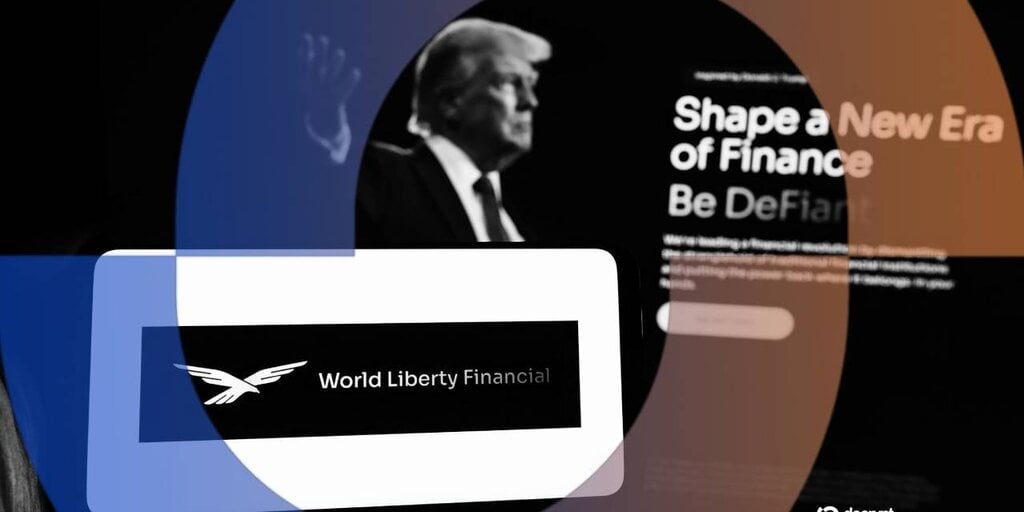
World Liberty Financial Applies for OCC Trust Bank Charter
World Liberty Financial is seeking to overcome a federal oversight hurdle, with only one other crypto firm having successfully done so. 🔗 Source 💡 DMK Insight World Liberty Financial’s push to clear federal oversight is a big deal for crypto firms. Only one other company has navigated this successfully, which highlights the regulatory tightrope that many are walking. If they succeed, it could set a precedent, potentially easing the path for other firms and boosting overall market confidence. Traders should keep an eye on the regulatory landscape, as any positive movement here could lead to a short-term rally in related assets, especially those with similar compliance challenges. Conversely, if they stumble, it could trigger a wave of skepticism across the sector, impacting prices negatively. Watch for any updates on this situation, as they could influence market sentiment significantly in the coming weeks. 📮 Takeaway Keep an eye on World Liberty Financial’s regulatory progress; a successful clearance could boost market confidence and related crypto assets in the near term.

Three Catalysts That Could Kickstart a Crypto Rally in 2026: Bitwise
Bitcoin’s next rally hinges on market stability, with analysts pointing to calmer crypto conditions and progress on U.S. crypto legislation. 🔗 Source 💡 DMK Insight Bitcoin’s potential rally is closely tied to market stability and legislative progress. With analysts noting calmer crypto conditions, traders should keep an eye on how this stability influences Bitcoin’s price action. If the market can maintain its current equilibrium, we might see a breakout above key resistance levels. Watch for any developments in U.S. crypto legislation, as favorable news could act as a catalyst for bullish momentum. Conversely, any signs of instability or regulatory setbacks could trigger a sell-off, so it’s crucial to monitor sentiment closely. The real story here is that while optimism is building, the market remains sensitive to external factors. Traders should look for Bitcoin to hold above recent support levels to confirm a bullish trend, ideally above the previous highs. Keep an eye on the daily charts for volatility spikes that could signal a shift in momentum. 📮 Takeaway Watch for Bitcoin to maintain support levels; favorable U.S. legislation could trigger a significant rally.

Google, Character.AI Agree to Settle US Lawsuit Over Teen’s Suicide
A lawsuit alleging an AI chatbot contributed to a teen’s suicide has been settled, closing a closely watched case over AI accountability. 🔗 Source 💡 DMK Insight So, the settlement of this AI chatbot lawsuit is a big deal for tech and trading sectors alike. The implications stretch beyond just legal accountability; they signal a growing scrutiny on AI technologies that could affect market sentiment. Traders should consider how this case might influence regulatory actions or public perception around AI companies, potentially impacting stocks in the tech sector. If investors start to worry about increased regulations or lawsuits, we could see volatility in related stocks, especially those heavily invested in AI development. Keep an eye on companies like Nvidia or Alphabet, which are at the forefront of AI innovation. Here’s the thing: while this settlement might seem like a closure, it could also open the floodgates for similar lawsuits, creating a ripple effect across the market. Watch for any shifts in sentiment or stock performance in the coming weeks as this story develops. 📮 Takeaway Monitor tech stocks like Nvidia and Alphabet for potential volatility as AI accountability issues evolve post-settlement.

India's Tax Department Echoes Reserve Bank's Concerns on Crypto
Tax authorities flagged enforcement challenges with virtual digital assets ahead of the Union Budget presentation. 🔗 Source 💡 DMK Insight Tax authorities are raising red flags about enforcing regulations on digital assets, and here’s why that matters now: With the Union Budget presentation looming, traders should brace for potential regulatory shifts that could impact market sentiment. If authorities struggle to enforce existing rules, it could lead to increased volatility as traders react to uncertainty. This situation might also prompt a sell-off in cryptocurrencies, especially if investors fear stricter regulations or tax implications. Watch for how major assets like Bitcoin and Ethereum respond to any announcements—if they dip below key support levels, it could signal a broader market correction. On the flip side, if the government outlines a clear framework for taxation, it might stabilize the market and attract institutional interest. Keep an eye on the daily trading volumes and sentiment indicators; a spike in activity could indicate traders positioning themselves ahead of the budget. The real story is how these enforcement challenges could ripple through related markets, affecting everything from altcoins to stocks tied to blockchain technology. 📮 Takeaway Monitor Bitcoin and Ethereum for support levels as regulatory clarity emerges from the Union Budget; volatility could spike in response to enforcement news.
“Unraveling the Complex Relationship Between Blockchain, Politics, and Trust in the Digital Age: A DMK AI Summary”
📰 DMK AI Summary Blockchain innovation faces a challenge as it becomes entangled with politics, veering away from its original purpose of decentralization. Governments and corporations are integrating blockchain into existing structures, shifting its focus from autonomy to oversight. The increasing politicization of blockchain technology complicates trust, power dynamics, and governance in the digital age. Meanwhile, as blockchain reshapes economies, politics follows suit, making emerging technologies part of political narratives. From the UK’s “crypto renaissance” to the US Super PAC accepting crypto donations, digital assets are becoming intertwined with political identities globally. In Argentina, cryptocurrency adoption is surging amid economic instability, while politicians like President Javier Milei are incorporating digital assets into their agendas. The intersection of technology and politics raises concerns about innovation becoming distorted for political gains. 💬 DMK Insight The fusion of technology and politics risks diverting focus from blockchain’s core objectives of transparency and efficiency towards serving political agendas. As blockchain, crypto, and AI are increasingly used as ideological signals, genuine problem-solving takes a back seat, hindering innovation. To ensure sustainable progress, it is crucial to separate technology from politics, establish neutral regulations, and prioritize trust and collaboration between institutions, policymakers, and builders. By fostering a climate of innovation-driven by trust and compliance, the future of finance can evolve into a reliable and interconnected ecosystem benefiting all stakeholders. 📊 Market Content The intertwining of blockchain technology with political narratives globally could impact the broader adoption and regulatory environment for cryptocurrencies and decentralized systems. As countries like Nigeria set examples of integrating blockchain into national infrastructure with a focus on trust and cooperation, the market may see a shift towards more principled and transparent policies. Traders and investors should monitor how the relationship between technology and politics unfolds, as it could influence market sentiments and the trajectory of innovation in the blockchain space.

Fireblocks Expands Into Crypto Accounting With TRES Finance Acquisition
The deal links custody infrastructure with audit-ready reporting as firms face regulatory and capital markets pressure. 🔗 Source 💡 DMK Insight The push for custody infrastructure linked with audit-ready reporting is a game changer for firms navigating regulatory pressures right now. As regulations tighten, especially in capital markets, firms need to ensure compliance without sacrificing operational efficiency. This new custody model could streamline reporting processes, making it easier for firms to meet regulatory demands while also enhancing transparency. Traders should consider how this might impact asset prices, particularly in sectors heavily reliant on institutional investment. If firms can demonstrate robust compliance through improved reporting, we could see increased confidence from institutional players, potentially driving up demand for assets tied to these firms. However, there’s a flip side. If firms struggle to adapt to these new systems, it could lead to increased volatility as they face penalties or operational hiccups. Keep an eye on related assets, especially those in the custody and compliance tech space, as they may experience ripple effects based on how well firms implement these changes. Watch for any announcements or updates in the coming weeks that could signal how quickly firms are adapting to these new requirements. 📮 Takeaway Monitor developments in custody infrastructure and audit-ready reporting, as they could significantly impact asset demand and volatility in the coming weeks.

What Is Options Trading – A Beginner’s Guide
Introduction: What Is Options Trading?Options trading involves buying and selling contracts called options. These contracts give you the right, but not the obligation, to buy or sell an underlying asset, such as shares, an index, or an ETF, at a specific price before a set date.Unlike just buying a stock or cryptocurrency, options allow traders to potentially earn money whether prices are going up, down, or staying the same. This can often be done with a smaller initial investment. Because of this flexibility, options can be a powerful tool for both protecting investments and making speculative trades.Example: For example, if you buy a call option for Apple shares (AAPL) at a strike price of $180, you can purchase the shares at that price before the option expires. If Apple’s price rises to $200, you can acquire it at $180 and sell it for $200, making a profit, or you can sell the option itself for a gain.Options trading may seem complicated at first, but once you grasp the basics—such as calls, puts, strike prices, and expiration dates—you can explore various strategies for earning income, protecting your investments, and growing your capital.How Does Options Trading Work?In this type of trading, you are dealing with contracts rather than the actual shares or underlying asset. Each options contract controls 100 shares of the underlying asset and has important components you need to understand.Key Terms to KnowCall Option: This gives the buyer the right (but not the obligation) to buy the underlying asset at a specific price (called the strike price) before the option expires.Put Option: This gives the buyer the right (but not the obligation) to sell the underlying asset at the strike price before expiration.Strike Price: This is the agreed price at which you can buy (for calls) or sell (for puts) the asset.Expiration Date: This is the last day you can use or trade the option.Premium: This is the cost you pay to buy the option contract.Trading DirectionsWith options, you can potentially profit whether prices rise, fall, or remain stable:Buy a Call: If you think the asset’s price will increase.Buy a Put: If you think the asset’s price will decrease.Sell (Write) Options: You can earn income by selling options to other traders. This is often done by experienced traders who are willing to take on more risk.Example Trade: For instance, if shares are trading at $100 and you buy a call option with a strike price of $105, paying a premium of $2. If the shares rise to $115 before the option expires, the value of your option increases. You can either sell the contract for a profit or exercise the option to buy the stock at $105 and sell it at $115.Tip for beginners: Start with paper trading (simulated trading with no real money) to learn how premiums, time decay, and price changes affect your options before using real money.Types of OptionsOptions trading primarily involves two types of contracts: calls and puts. Understanding these is crucial before moving on to more complex strategies.Call OptionsA call option grants you the right to purchase the underlying asset at a specific strike price before the expiration date.When to use: When you believe the price of the shares or asset will increase.Example: You buy a call option on Apple with a strike price of $150. If Apple’s price rises to $170 before expiration, you can purchase it at $150 and either sell the shares or the option itself for a profit.Put OptionsA put option gives you the right to sell the underlying asset at the strike price before expiration.When to use: When you expect the asset’s price to drop.Example: You buy a put option on Tesla with a strike price of $250. If Tesla’s price drops to $220, you can sell at $250 or sell the put option for a profit.American vs. European OptionsAmerican Options: These can be exercised at any time before they expire (common in U.S. markets).European Options: These can only be exercised on the expiration date, which is important to remember.Single-Leg vs. Multi-Leg StrategiesSingle-Leg: Simple trades like buying one call or put.Multi-Leg (Spreads/Combos): More advanced strategies involving multiple options (e.g., straddles, strangles, iron condors) to manage risk or enhance profit potential.Beginner Tip: Start with basic single-leg trades by buying calls or puts before trying more complex multi-leg strategies.Why Trade Options? (Advantages)Options trading has unique benefits that attract both new and experienced traders. Here are the main reasons to consider adding options to your trading strategy:Flexibility in Market ConditionsOptions allow you to profit whether the market is rising, falling, or moving sideways. You can use call options to benefit from upward trends or put options to protect your portfolio when the market is declining.Leverage with Lower CapitalOptions let you control 100 shares of stock with a relatively small upfront cost (the premium). This leverage means you can participate in price movements without needing to buy the actual shares.Risk Management and HedgingThese contracts can serve as a protective measure for your investments. For example, buying a put option can protect your stock holdings from unexpected price drops.Income GenerationSelling (or “writing”) options, such as covered calls, can create income from premiums even if you never exercise the option. Many investors use this method to generate consistent cash flow.Strategic VarietyFrom simple trades to advanced multi-leg strategies, options provide endless flexibility. Whether you want to speculate, hedge risk, or generate passive income, options can help you achieve your goals.These advantages make options an appealing tool for traders seeking diversification and flexibility beyond traditional equity trading. However, it’s important to understand the risks involved, which we’ll discuss next.Risks of Options TradingWhile these contracts offer flexibility and the potential for profit, they also come with specific risks that every trader should understand.Time DecayThese instruments lose value as their expiration date approaches, a concept known as time decay. If the underlying asset doesn’t move as you expected before the option expires, you might forfeit the entire amount spent.Market VolatilityLarge and unexpected price changes can work for or against

USDCAD in the spotlight with US and Canadian employment reports coming up tomorrow
FUNDAMENTAL OVERVIEWUSD:The US dollar has been bouncing around in the past few days as traders continue to wait for the US NFP report. The US data this week has been mixed. We got a soft ISM Manufacturing PMI on Monday but a strong Services PMI yesterday. The ADP was good despite a slight miss, but Job Openings were soft. In terms of macro, nothing has changed. The market is still pricing 62 bps of easing by year-end with 57% probability of a Fed cut coming in March at the earliest. We will need very soft NFP and CPI data to force the Fed to cut at the upcoming meeting, otherwise traders will just adjust the timing of the expected cuts in 2026 and might even increase bets in the case of weak data.Tomorrow, the US Supreme Court scheduled an “opinion day”, so we might also potentially get a decision on Trump’s tariffs. CAD:On the CAD side, the BoC held interest rates steady at the last policy meeting but didn’t validate the market’s rate hike bets just yet. In fact, the central bank kept a cautious tone and highlighted the weak details in the last GDP and employment reports despite acknowledging the improvements. The last Canadian inflation report saw the Trimmed Mean Y/Y falling to 2.8%, 0.1% lower than consensus and 0.2% than the prior month. That led to a slightly dovish repricing in interest rate expectations. Tomorrow, we have the Canadian employment data and that could give the CAD a boost in case we get another strong report. USDCAD TECHNICAL ANALYSIS – DAILY TIMEFRAMEOn the daily chart, we can see that USDCAD squeezed higher in the past couple of weeks with the price now trading near the key 1.39 resistance. This is where we can expect the sellers to step in with a defined risk above the resistance to position for a drop into the 1.3540 level. The buyers, on the other hand, will want to see the price breaking higher to open the door for a rally into the 1.41 handle next.USDCAD TECHNICAL ANALYSIS – 4 HOUR TIMEFRAMEOn the 4 hour chart, we can see that we have a strong support zone around the 1.38 handle where the price got rejected from several times in the past month. There’s also an upward trendline adding confluence that should technically strengthen the support zone. If we get a pullback into the support, we can expect the buyers to step in with a defined risk below the trendline to position for a break above the resistance. The sellers, on the other hand, will look for a break lower to increase the bearish bets into the 1.3540 level next.USDCAD TECHNICAL ANALYSIS – 1 HOUR TIMEFRAMEOn the 1 hour chart, we can see that we have another minor upward trendline defining the bullish momentum on this timeframe. The buyers will have a better risk to reward setup around the trendline to target new highs, while the sellers will keep on looking for downside breaks to pile in for new lows. The red lines define the average daily range for today. UPCOMING CATALYSTSToday we get the latest US Jobless Claims figures. Tomorrow, we conclude the week with the US and Canadian labour market reports and potential US Supreme Court decision on Trump’s tariffs. This article was written by Giuseppe Dellamotta at investinglive.com. 🔗 Source 💡 DMK Insight The US dollar’s recent volatility signals traders should brace for potential shifts post-NFP report. With mixed economic data—soft ISM Manufacturing PMI and strong Services PMI—traders are left guessing. The upcoming Non-Farm Payroll (NFP) report could be a game-changer. If the NFP comes in strong, it might bolster the dollar further, pushing it past recent resistance levels. Conversely, a weak report could trigger a sell-off, especially if it aligns with the manufacturing weakness. Watch for the dollar’s reaction around key levels; a break below recent support could signal a bearish trend. Here’s the thing: while the mainstream focus is on the NFP, keep an eye on how the dollar interacts with correlated assets like gold and equities. A strong dollar often pressures gold prices, so any significant moves could create trading opportunities in those markets. Monitor the NFP release closely; it’s not just about the numbers but the market’s reaction that will dictate the next moves. 📮 Takeaway Watch the NFP report closely; a strong reading could push the dollar higher, while a weak one may trigger a sell-off, impacting correlated assets like gold.