
 Bitcoin
  Ethereum
  Tether
  BNB
BNB  XRP
XRP  USDC
USDC  Solana
  TRON
TRON  Lido Staked Ether
  Figure Heloc
Summary:ASX 200 flat as investors await CPI dataNovember CPI due Wednesday at 11:30am AEDTHeadline inflation seen easing, core pressures persistMarkets price ~39% chance of February rate hikeBank stocks lag amid tightening riskAustralian equities traded little changed on Tuesday as investors adopted a cautious stance ahead of closely watched inflation data due later this week, with strength in mining stocks offset by weakness across rate-sensitive sectors.The benchmark S&P/ASX 200 was marginally lower, down 0.03% at 8,726 in late trade, after closing almost flat in the previous session. Market participants largely refrained from taking fresh positions as attention shifted to Australia’s November consumer price figures, scheduled for release on Wednesday, January 7 at 11:30am local time (0030 GMT). -This snapshot from the investingLive economic data calendar.The times in the left-most column are GMT.The numbers in the right-most column are the ‘prior’ (previous month/quarter as the case may be) result. The number in the column next to that, where there is a number, is the consensus median expected.-The upcoming CPI print is seen as pivotal for the near-term policy outlook at the Reserve Bank of Australia, particularly after recent commentary from policymakers struck a more hawkish tone. Markets are currently pricing around a 39% probability of an interest-rate hike as early as February, reflecting concerns that inflation may remain uncomfortably sticky.Economists expect headline consumer price inflation to ease modestly in November to around 3.7% year-on-year from 3.8% previously. However, underlying measures are likely to remain elevated. The trimmed mean CPI, the RBA’s preferred gauge of core inflation, is expected to stay above the central bank’s 2–3% target band, reinforcing the view that domestic price pressures are proving slow to subside.The breakdown of recent data highlights the challenge facing policymakers. While month-on-month headline CPI has shown signs of stabilisation, services inflation and labour-related costs remain firm. Building permit data has also been volatile, pointing to uneven momentum in housing-related activity amid tighter financial conditions.In equity markets, rate-sensitive financial stocks underperformed as investors weighed the risk of further policy tightening. The financials sector slipped 0.6%, led by losses in the major banks. Commonwealth Bank of Australia fell 0.7%, while the other big lenders declined between 0.4% and 0.5%.By contrast, mining stocks provided support to the broader index, benefitting from resilient commodity prices and a softer US dollar backdrop. Still, the overall tone remained defensive, with traders reluctant to commit ahead of an inflation release that could reset expectations for interest rates, bond yields and the Australian dollar.With inflation expectations finely balanced, Wednesday’s CPI report is likely to play a decisive role in shaping market pricing for the RBA’s next policy move. This article was written by Eamonn Sheridan at investinglive.com. 🔗 Source 💡 DMK Insight The ASX 200’s flat performance signals caution ahead of the CPI data release, and here’s why that matters: With the November CPI set to drop on Wednesday at 11:30am AEDT, traders are bracing for potential volatility. A headline inflation easing could bolster risk appetite, but persistent core pressures might keep the RBA on edge, with markets pricing in a 39% chance of a rate hike in February. This uncertainty is particularly affecting bank stocks, which are lagging as investors weigh the implications of tighter monetary policy. If inflation comes in lower than expected, we could see a short-term rally in equities, but any signs of stubborn core inflation could lead to a sell-off, especially in financials. Look for key technical levels around the ASX 200’s recent support and resistance points. If the index breaks below its support, it could trigger further selling. Keep an eye on the market’s reaction post-CPI; a strong move could set the tone for the rest of the month. Watch how institutional investors position themselves ahead of this data, as their actions could provide clues on market sentiment. 📮 Takeaway Watch the ASX 200’s reaction to the CPI data on Wednesday; a break below support could signal further downside, especially for bank stocks.
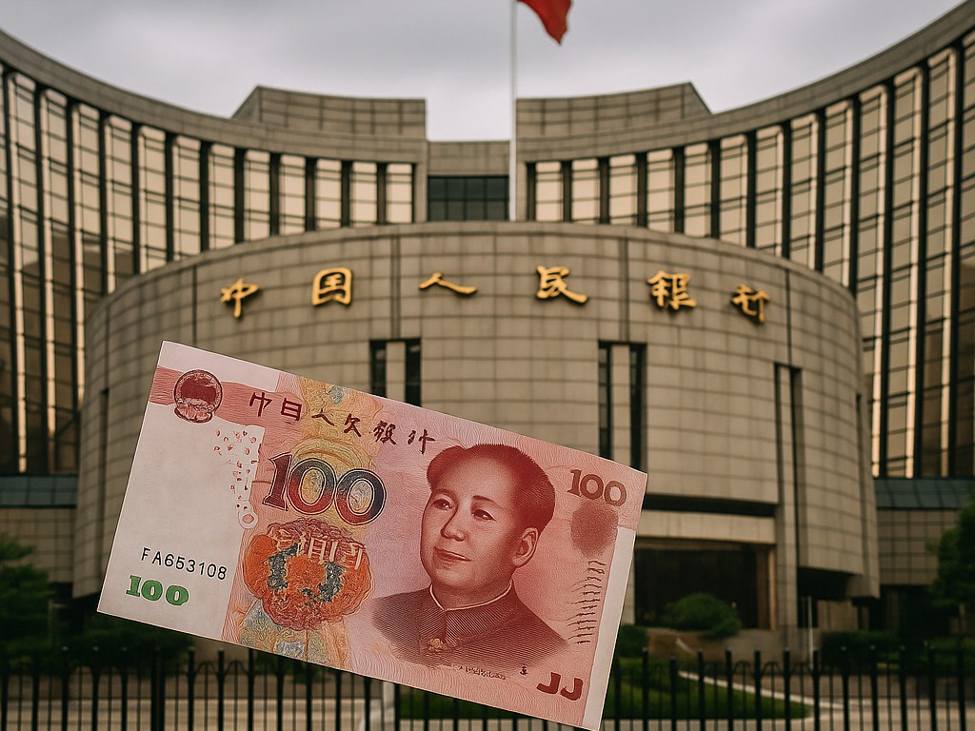
PBOC sets USD/ CNY central rate at 7.0173 (vs. estimate at 6.9730)
The People’s Bank of China (PBOC), China’s central bank, is responsible for setting the daily midpoint of the yuan (also known as renminbi or RMB). The PBOC follows a managed floating exchange rate system that allows the value of the yuan to fluctuate within a certain range, called a “band,” around a central reference rate, or “midpoint.” It’s currently at +/- 2%.The previous close was 6.9866People’s Bank of China injects 16.2bn yuan via 7-day reverse repos in open market operations, rate remains 1.4%.after maturities today the net drain is 296.3bn yuanps. News crossing that Tesla China is offering 5 year interest free loans for Model 3 / Y /L purchasesThe daily fixing of this mid-rate is often interpreted as a policy signal rather than just a technical reference point. A higher-than-expected USD/CNY midpoint is typically read as a sign the PBOC is leaning against CNY appreciation pressure, like today. In recent months, the People’s Bank of China has taken deliberate steps to moderate the speed of appreciation in the onshore yuan, signalling a preference for stability over sharp currency gains. Rather than targeting a specific level, policymakers appear focused on preventing an overly rapid rise in CNY that could disrupt trade, capital flows and domestic financial conditions. Yesterday USD/CNY fell below 7.0 for the first time since May 2023. The PBoC is slowing the appreciation of the yuan, but hasn’t stopped it. Earlier:ICYMI: China front-loads 2026 growth with US$42bn infrastructure project rolloutSummary:China unveiled an early batch of 2026 infrastructure projects worth ~295 bn yuanFunds target transport, water, energy and security-related projectsSpending aims to front-load investment ahead of the 15th Five-Year PlanEcological protection and carbon reduction also receive fundingInfrastructure remains central to China’s growth-stabilisation strategyThe move builds on China’s heavy infrastructure push in recent years. In 2025 alone, the central government allocated around 800 billion yuan to its so-called “Two Major” programmes, which focus on large national projects and key security-related capacity building. Together, the new approvals signal Beijing’s intention to keep public investment as a key stabiliser for the economy, even as private demand and the property sector remain under pressure. This article was written by Eamonn Sheridan at investinglive.com. 🔗 Source 💡 DMK Insight The PBOC’s control over the yuan’s midpoint is crucial for traders navigating the forex market right now. With the yuan’s value fluctuating within a managed band, any adjustments by the PBOC can signal shifts in monetary policy or economic health. Traders should watch for potential interventions, especially if the yuan approaches the edges of its band, as this could lead to volatility. Additionally, the broader implications on trade balances and capital flows could ripple through related currencies, particularly the USD and JPY. If the yuan weakens significantly, it might prompt a response from other central banks, adding another layer of complexity to forex strategies. Keep an eye on the daily midpoint adjustments and any accompanying commentary from the PBOC, as these could provide insights into future monetary policy shifts. The real story is how these moves could impact not just the yuan but also global trade dynamics and investor sentiment in emerging markets. 📮 Takeaway Monitor the PBOC’s daily midpoint adjustments closely; significant shifts could trigger volatility in the yuan and related forex pairs.

Magnitude 6.2 earthquake hits western Japan, no tsunami warning issued
Summary:Magnitude ~6.2–6.3 quake hits Shimane PrefectureEpicentre located in eastern ShimaneIntensity recorded at upper-5 on Japan scaleNo tsunami warning issuedAuthorities monitoring for aftershocksDepth 10km A strong earthquake struck western Japan Tuesday, hitting Shimane Prefecture with a preliminary magnitude of around 6.2–6.3, according to Japanese authorities. The quake was centred in the eastern part of the prefecture and was felt widely across the region, though no tsunami warning was issued.The Japan Meteorological Agency said the earthquake occurred in the evening local time and registered an upper-5 intensity on Japan’s seismic intensity scale in parts of Shimane. National broadcaster NHK reported that while shaking was strong enough to disrupt daily activity, there were no immediate reports of major damage or casualties.Japan uses a unique seismic intensity system that measures how strongly the ground shakes at a specific location, rather than the total energy released by an earthquake. The scale runs from 1 to 7 and is designed to reflect the real-world impact on people, buildings and infrastructure. An intensity of upper-5 (known as “5-strong”) typically means it is difficult to move without holding onto something, unsecured furniture may topple, and minor structural damage is possible, particularly to older buildings.This differs from the magnitude scale, such as the moment magnitude used internationally, which measures the earthquake’s overall size. As a result, a single earthquake can have one magnitude but varying intensity readings depending on distance from the epicentre, depth and local ground conditions.The quake was initially reported with a preliminary magnitude of 6.3 by Japan’s National Research Institute for Earth Science and Disaster Resilience, later revised slightly lower. Authorities confirmed that the depth and offshore risk profile did not warrant a tsunami alert, easing concerns along coastal areas.Japan is one of the world’s most seismically active countries, sitting atop several major tectonic plates. Its early-warning systems and building standards are designed to mitigate the risks from frequent earthquakes, though events of this size still pose disruption risks to transport, utilities and local communities.Officials continue to assess the situation, urging residents to remain alert for possible aftershocks. Let’s hope there are no injuries. This article was written by Eamonn Sheridan at investinglive.com. 🔗 Source 💡 DMK Insight So a strong earthquake just hit Shimane Prefecture in Japan, and here’s why that matters: natural disasters can disrupt local economies and supply chains, which might ripple through global markets. Traders should keep an eye on sectors like insurance, construction, and commodities that could feel the impact. While no tsunami warning has been issued, the intensity of the quake—recorded at upper-5 on the Japan scale—could lead to significant aftershocks. This might affect local businesses and infrastructure, potentially causing delays in production or transportation. If you’re trading Japanese equities or commodities, watch for volatility in the coming days as markets react to any emerging news about damage or economic impact. On the flip side, if the quake leads to increased demand for construction materials or rebuilding efforts, it could provide a boost to certain sectors. Keep an eye on key stocks in those areas. Overall, monitor the situation closely, especially any updates on aftershocks or government responses, as these could shift market sentiment quickly. 📮 Takeaway Watch for potential volatility in Japanese markets and sectors like construction and insurance in the wake of the earthquake.
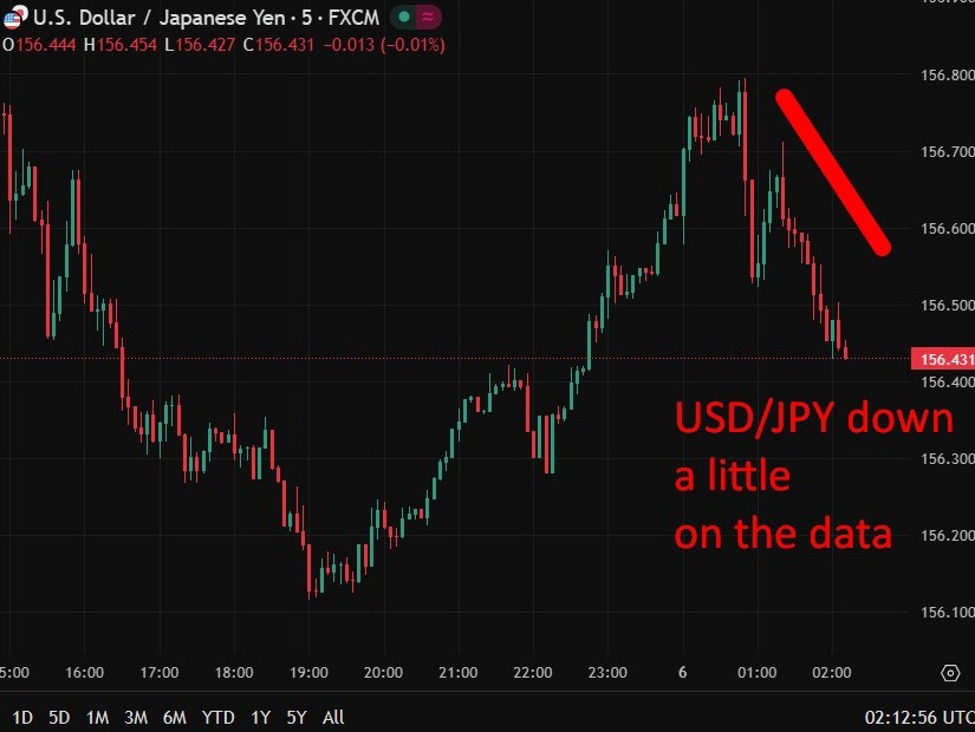
Japan monetary base falls for first time in 18 years as BOJ exits stimulus into new era
Japan’s monetary base fell in 2025 for first time since 2007Decline reflects BOJ exit from ultra-loose policyDecember monetary base dropped below ¥600tnBond tapering and rate hikes expected to continueBOJ lifted policy rate to 0.75% in DecemberJapan’s monetary base fell in 2025 for the first time in nearly two decades, underscoring the Bank of Japan’s steady retreat from ultra-loose monetary policy and marking a symbolic shift away from the era of extraordinary stimulus.Data released Tuesday showed the average balance of the monetary base, a broad measure of cash in circulation and central-bank liquidity, declined 4.9% year-on-year in 2025. It was the first annual contraction since 2007, when the BOJ was last moving toward tighter policy conditions during a previous rate-hike cycle.The decline reflects the central bank’s decision last year to formally end its decade-long stimulus framework, which had included massive asset purchases, negative short-term interest rates and yield-curve control for Japanese government bonds. Policymakers concluded the economy was approaching a sustainable achievement of the 2% inflation target, allowing them to pivot toward gradual normalisation.Since then, the BOJ has slowed its purchases of Japanese government bonds and wound down a special funding programme designed to encourage bank lending. Those steps have directly reduced the amount of liquidity being supplied to the financial system.The contraction became more pronounced toward year-end. The average monetary base balance in December fell 9.8% from a year earlier to ¥594.19 trillion, slipping below the ¥600 trillion threshold for the first time since September 2020. That move highlights how quickly liquidity conditions are tightening compared with the peak stimulus years.Analysts expect the monetary base to continue shrinking as the BOJ presses ahead with bond-purchase tapering and additional rate increases. Inflation has now exceeded the central bank’s 2% target for close to four years, strengthening the case for further policy adjustment.In December, the BOJ raised its short-term policy rate to 0.75% from 0.5%, taking borrowing costs to levels not seen in decades. Governor Kazuo Ueda has reiterated that the bank stands ready to raise rates further if economic activity and price trends evolve in line with its forecasts.The fall in the monetary base marks a clear turning point for Japan, signalling that the post-deflationary policy regime is giving way to a more conventional monetary framework, albeit one likely to normalise at a cautious pace. This article was written by Eamonn Sheridan at investinglive.com. 🔗 Source 💡 DMK Insight Japan’s monetary base drop signals a pivotal shift in BOJ policy that traders need to watch closely. The Bank of Japan’s (BOJ) decision to reduce its monetary base below ¥600 trillion for the first time since 2007 is a significant indicator of its exit from an ultra-loose monetary stance. This shift, coupled with the recent rate hike to 0.75%, suggests a tightening environment that could impact not just the yen but also global markets. Traders should consider how this may affect Japanese equities and bond markets, as rising rates typically lead to lower bond prices and could pressure stock valuations as well. Look for potential ripple effects in the forex market, particularly with USD/JPY. If the yen strengthens due to these policy changes, it could lead to a shift in capital flows, impacting other currencies as well. Keep an eye on the ¥600 trillion mark as a psychological level; a sustained decline below this could accelerate selling pressure in yen-denominated assets. The next few months will be crucial as the BOJ continues its tapering and rate hike trajectory, so stay alert for any further announcements or economic data that could influence market sentiment. 📮 Takeaway Monitor the ¥600 trillion monetary base level closely; a sustained decline could signal further yen strength and impact global markets.
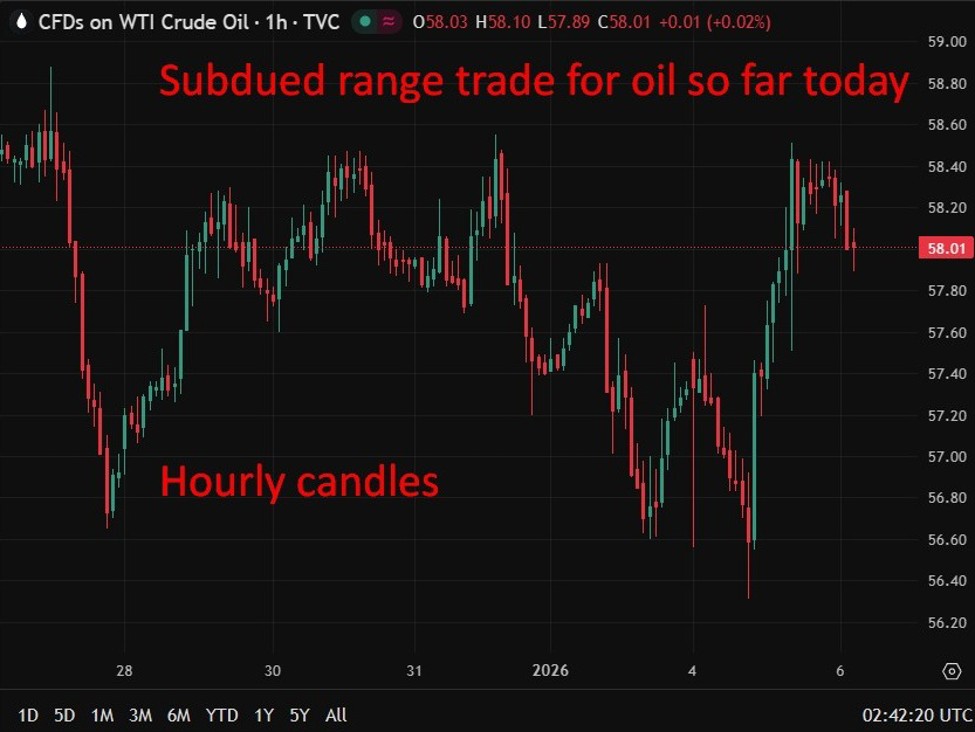
JPMorgan sees limited oil impact from Venezuela shift, upside depends on US role
JPMorgan sees limited near-term oil impact from Venezuela shift, upside hinges on US engagement.Summary:JPMorgan sees limited near-term oil market impactVenezuela transition largely priced by bond marketsOil “quarantine” remains, but licensing could expandOutput could rise 250kbpd short term, more laterGlobal oil balance impact seen as incrementalJPMorgan expects the immediate impact of Venezuela’s political transition on global oil markets to be modest, while flagging meaningful upside to Venezuelan production over the medium term if US engagement and investment materialise.The bank notes that the departure of former president Nicolás Maduro had been increasingly priced by bond markets since the US military buildup began in August. However, the manner of the transition, described as a “surgical extraction” combined with Washington’s decision to work with elements of the existing Chavista state apparatus, represents a surprise that introduces both opportunity and execution risk.If the current political framework proves durable, JPMorgan expects markets to pivot quickly toward US President Donald Trump’s stated ambition to revive Venezuela’s economy, with a particular emphasis on restoring oil production through US involvement. That focus places energy policy, sanctions enforcement and licensing decisions at the centre of the market narrative.US Secretary of State Marco Rubio has said an oil “quarantine” remains in place, signalling that Venezuela is not yet back in the global supply system in a meaningful way. However, JPMorgan sees scope for next steps to include formal US recognition of the interim leadership alongside expanded operating licences for foreign oil companies — a development that would materially alter the production outlook.From a supply perspective, JPMorgan’s commodities team estimates that Venezuelan output could rise by around 250,000 barrels per day in the short term from a 2025 average of roughly 950,000 bpd, assuming operational and political conditions improve. Over a two-year horizon, production could climb toward 1.3–1.4 million bpd, though the higher end of that range would require sustained foreign capital investment, technical expertise and stable governance.Despite that upside, the bank stresses that Venezuela remains a relatively small player in the global oil balance for now. Even a meaningful recovery would be incremental in the context of worldwide supply, limiting near-term price implications.JPMorgan draws a comparison with June 2025, when US strikes on Iranian centrifuges raised fears of a closure of the Strait of Hormuz, through which roughly 20–25% of global liquids consumption and seaborne oil trade flows. Despite the scale of that risk, oil market reaction was ultimately contained — underscoring how geopolitical shocks do not always translate into sustained price dislocations.The bank concludes that Venezuela’s oil story is less about immediate disruption and more about medium-term optionality, with production upside contingent on policy clarity, sanctions relief and credible US-led investment. This article was written by Eamonn Sheridan at investinglive.com. 🔗 Source 💡 DMK Insight JPMorgan’s take on Venezuela’s oil transition is a mixed bag for traders: limited immediate impact but potential upside hinges on U.S. engagement. The bank suggests that any significant shifts in oil output from Venezuela are largely priced in, meaning traders shouldn’t expect a dramatic price spike right away. However, if the U.S. decides to engage more actively, we could see a rise in output by up to 250,000 barrels per day in the short term. This could influence global oil balances, but the effects are expected to be incremental rather than explosive. Traders should keep an eye on licensing developments and geopolitical moves, as these could create volatility in oil prices. On the flip side, the current “quarantine” on Venezuelan oil means that even if output increases, it may not flood the market immediately. This could lead to a scenario where oil prices stabilize or even rise if demand remains strong. Watch for key resistance levels in crude oil futures; a break above recent highs could signal a bullish trend, while failure to engage with Venezuela could keep prices in check. 📮 Takeaway Monitor U.S. engagement with Venezuela and watch for oil price resistance levels; a breakout could signal a bullish trend.
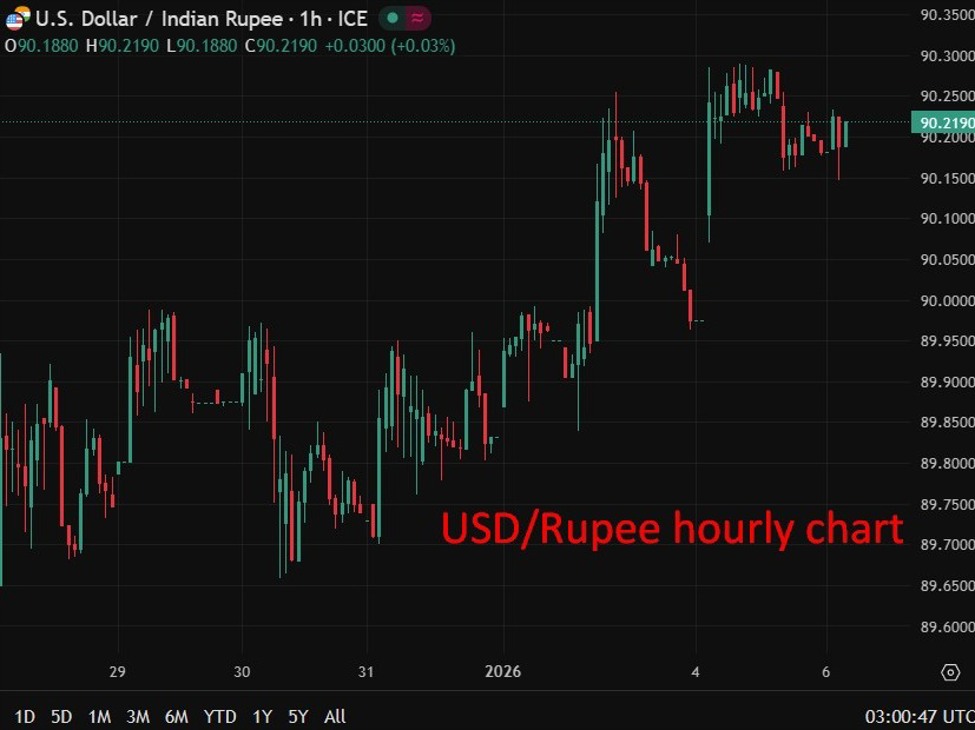
Indian rupee eyes modest relief as dollar eases, pressures persist
Summary:Rupee seen opening slightly firmer after dollar pullbackImporter hedging and weak inflows driving pressureUS–India trade rhetoric adds downside riskRBI intervention expected to smooth volatility Earlier:India likely to retain RBI’s 4% inflation target as framework renewal nearsThe Indian rupee may see limited near-term relief on Tuesday after a pullback in the US dollar and a modest decline in US Treasury yields, though traders warn that persistent demand–supply imbalances continue to weigh on the currency.The one-month non-deliverable forward market suggests the rupee is set to open around 90.20–90.24 per dollar, after closing at 90.2775 on Monday (via Reuters). That comes after four consecutive sessions of losses, with the currency down more than 1% over just over two weeks.The rupee’s recent weakness has been driven largely by importer hedging flows early in the year, combined with subdued foreign equity inflows. Bankers say these structural pressures have overwhelmed intermittent support from the central bank and left the currency vulnerable to further depreciation.Adding to the pressure has been negative newsflow around US–India trade relations. Over the weekend, Donald Trump said Washington could raise tariffs on India if New Delhi fails to meet US demands to curb purchases of Russian oil. That rhetoric has injected a fresh geopolitical risk premium into the rupee at a time when positioning is already stretched.The Reserve Bank of India has been an active presence during recent bouts of rupee weakness. After initially defending the 90 handle, the central bank appears to have stepped back as dollar demand proved persistent, suggesting a preference for smoothing volatility rather than drawing a firm line in the sand.Some near-term support could come from external factors. The dollar index has eased from a near four-week high as investors await a heavy slate of US economic data for signals on the policy outlook at the Federal Reserve. Markets are currently pricing in two Fed rate cuts this year. This article was written by Eamonn Sheridan at investinglive.com. 🔗 Source 💡 DMK Insight The Indian rupee’s slight firmness against the dollar signals a potential short-term reprieve, but underlying pressures remain. With importer hedging and weak inflows weighing on the rupee, traders should be cautious. The recent pullback in the dollar could provide a temporary boost, yet the ongoing US–India trade rhetoric introduces downside risks that could quickly reverse gains. The Reserve Bank of India’s (RBI) expected interventions are crucial; they might help stabilize volatility but could also signal a more aggressive stance if the rupee weakens further. Keep an eye on the RBI’s inflation target renewal as it approaches, as this could influence monetary policy and market sentiment. For those trading the rupee, watch for key levels around recent highs and lows. If the rupee fails to hold its ground, it could trigger stop-loss orders and exacerbate selling pressure. Monitoring inflow trends and RBI announcements will be essential in navigating this environment. 📮 Takeaway Watch for RBI intervention and US–India trade developments; key levels to monitor for the rupee are recent highs and lows.
investingLive Asia-Pacific FX news wrap: Asian shares mainly higher, USD soft
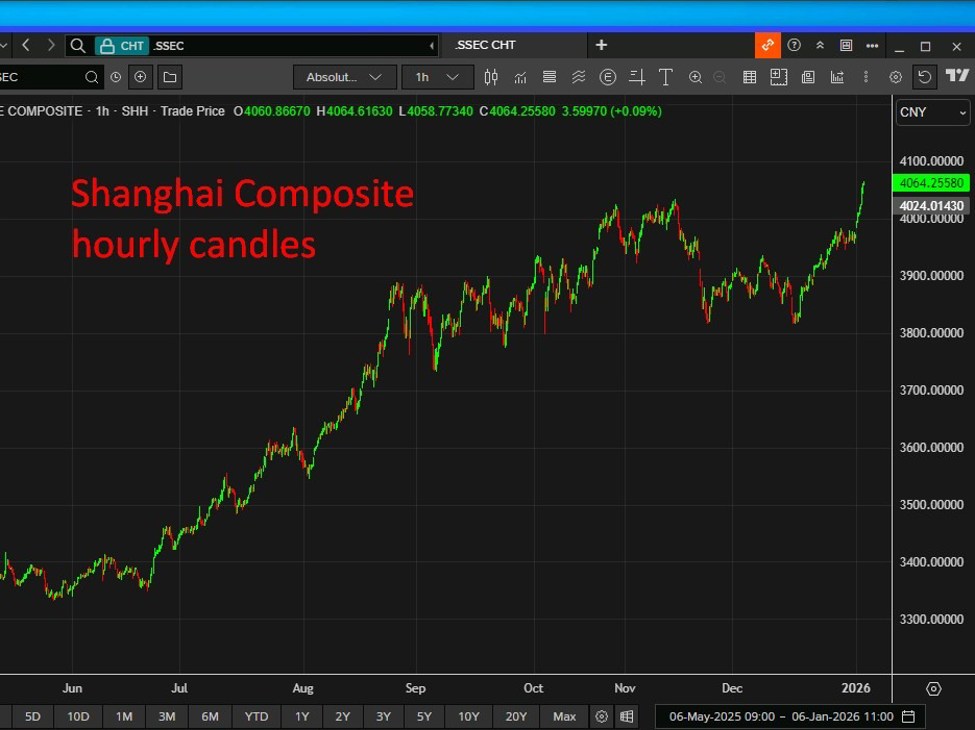
Indian rupee eyes modest relief as dollar eases, pressures persistJPMorgan sees limited oil impact from Venezuela shift, upside depends on US roleJapan monetary base falls for first time in 18 years as BOJ exits stimulus into new eraMagnitude 6.2 earthquake hits western Japan, no tsunami warning issuedPBOC sets USD/ CNY central rate at 7.0173 (vs. estimate at 6.9730)Australian shares steady as markets brace for crucial CPI release – RBA heads up tomorrow!Hong Kong PMI shows sustained growth as price pressures intensifyUK retailers warn on sticky inflation as business confidence edges higherNvidia launches Rubin platform with Vera Rubin superchip at CES 2026Trump sets 3 strict conditions for Venezuela new leader, includes oil sales halt to China?Morgan Stanley flags six bullish catalysts markets may be underestimating for 2026Fundstrat’s Tom Lee says Bitcoin new highs soon. Sees S&P 500 to 7,700 by end 2026 too.Australia services PMI shows slower growth but rising price pressures in DecemberTrump administration says US oil firms ready to invest in VenezuelaIndia likely to retain RBI’s 4% inflation target as framework renewal nearsIn brief:Asian equities advanced as risk sentiment improvedAustralian services PMI slowed but price pressures intensifiedNVIDIA unveiled Rubin platform and Vera Rubin superchip at CESJapan’s monetary base fell for first time in 18 years last yearUS dollar weakened further after soft ISM data on MondayAUD and NZD extended gains on risk and commoditiesOil eased slightly; gold little changedChinese stocks rallied to four-year highsNews and data flow across the Asia session was relatively light, but risk sentiment leaned constructive. Asian equities pushed higher while the US dollar extended losses from the prior session, as markets digested a mix of softer US data and key macro and corporate developments.In Australia, the December services PMI pointed to slowing momentum but persistent inflation pressures. The index slipped to 51.1 from 52.8 in November, signalling slower growth even as new business and hiring remained firm. Input and output prices continued to intensify, reinforcing concerns that services-led inflation pressures could linger into 2026, a dynamic likely to remain on the radar for the Reserve Bank of Australia. Note, we get November CPI data released Wednesday Australia time (see point above for more detail). Corporate focus remained on CES 2026 in Las Vegas, where NVIDIA unveiled its next-generation Rubin platform. The launch was anchored by the Vera Rubin superchip, which integrates a CPU and dual GPUs and is designed for agentic AI and advanced reasoning models. Chief executive Jensen Huang said the new AI server systems, due to go on sale in the second half of the year, deliver a tenfold cost reduction versus the prior Blackwell generation. NVIDIA also highlighted deeper integration of connectivity and memory-storage technologies, a strategy Huang said has helped position the firm as both a leading networking hardware provider and the world’s largest producer of computing semiconductors.In Japan, data from the Bank of Japan showed the country’s monetary base contracted in 2025 for the first time in 18 years, reflecting the BOJ’s exit from ultra-loose policy. Liquidity fell sharply in December, reinforcing expectations of continued bond tapering and further rate hikes as policy normalisation progresses.In FX markets, the US dollar remained on the back foot following Monday’s weaker-than-expected ISM manufacturing data, which outweighed initial haven demand linked to US military action in Venezuela. EUR/USD and GBP/USD edged higher, with sterling also supported by a slight acceleration in the UK BRC shop price index to 0.7%. USD/JPY was little changed, while AUD/USD and NZD/USD extended gains on improved risk appetite and firmer commodity prices.Oil prices eased marginally, gold was broadly unchanged, and Chinese equities surged to a four-year high.Silver and gold traded stronger. Asia-Pac stocks:Japan (Nikkei 225) +0.69%Hong Kong (Hang Seng) +1.6% Shanghai Composite & CSI 300 both +1% nad moreAustralia (S&P/ASX 200) -0.3% This article was written by Eamonn Sheridan at investinglive.com. 🔗 Source 💡 DMK Insight The Indian rupee’s potential relief from a softening dollar is a key moment for traders. With the dollar easing, the rupee could gain some strength, but pressures remain from global economic shifts and local factors. Traders should watch the USD/INR pair closely for any signs of reversal or continuation. The broader context includes Japan’s monetary policy shift, which could influence market sentiment and risk appetite. If the BOJ’s exit from stimulus leads to tighter liquidity, we might see volatility across currencies, including the rupee. Additionally, the PBOC’s actions on the USD/CNY could also impact regional currencies, making it crucial to monitor these developments. Keep an eye on key support and resistance levels in the USD/INR, as any breakouts could signal significant trading opportunities. 📮 Takeaway Watch the USD/INR closely; a break below key support levels could signal a stronger rupee amid ongoing global shifts.

Inflation data comes back into focus in European trading today
Inflation data is back on the menu but in all likelihood, it won’t do much to change the ECB outlook. As things stand, the central bank is left hanging with markets also not anticipating any interest rate moves for the year. Amid stagflation risks that could crop up, particularly in Germany, policymakers are staying vigilant and watchful awaiting the next trend in economic developments.So for now, the inflation trend holding as it is will do little to compel the ECB to really get off their seats and take any form of action.The French report later is estimated to see headline annual inflation keep as it is in November, at 0.9%. Core annual inflation for November was seen at 1.0%, nudging down from 1.2% in October. So, this spot is one of the softer side so to speak when it comes to the inflation narrative in the euro area.But just take note that when we get to the January 2026 readings next month, INSEE will be changing the reference year to the consumer price index i.e. rebasing. The base year will turn to 2025, so that could result in the annual inflation readings being a little lower even if prices have been rising steadily. Just keep that in mind.As for the German report later, the estimates point to a cooling in headline annual inflation. The expectation is for a 2.1% reading, down from 2.3% in November. But again, the core annual inflation estimate is the more important detail to look out for. And that stood at 2.7% in November, just a little down from 2.8% in October. It’s still on the higher side though, keeping stubborn above the 2% threshold.Here’s the agenda for today for the German state CPI releases:0930 GMT – North Rhine Westphalia0900 GMT – Brandenburg0900 GMT – Hesse0900 GMT – Bavaria0900 GMT – Saxony1300 GMT – Germany national preliminary figuresDo note that the releases don’t exactly follow the schedule at times and may be released a little earlier or later. This article was written by Justin Low at investinglive.com. 🔗 Source 💡 DMK Insight Inflation data’s return is a big deal, but it likely won’t shake the ECB’s stance. With the market not expecting any interest rate changes this year, traders should keep an eye on stagflation risks. This could lead to increased volatility in the eurozone, especially if inflation persists without growth. If inflation data comes in higher than expected, it might force the ECB to reconsider its position, impacting euro pairs significantly. Watch for key levels in EUR/USD; a break below recent support could trigger further selling pressure. Conversely, if inflation cools, it might provide a temporary boost to the euro as traders reassess the ECB’s dovish outlook. The real story is how this data could ripple through related assets, like European equities and bonds, which are already sensitive to interest rate expectations. Keep your charts handy and monitor the inflation figures closely, as they could dictate short-term trading strategies across the board. 📮 Takeaway Watch for inflation data impacts on EUR/USD; a break below support could signal further downside, while stronger inflation might force a reevaluation of ECB policy.

FX option expiries for 6 January 10am New York cut
There is arguably just one to take note of on the day, as highlighted in bold below.That being for AUD/USD at the 0.6700 level (yes, 6-7~~~ ¯_(ツ)_/¯). The pair has been flirting with a firmer break above the figure level since the end of December trading. And today, it looks like buyers might be getting that added impetus to push for a breakthrough. That will see the pair rise up to the highest since October 2024, with little standing in the way of a potential retest of the 2024 highs just above 0.6900.A softer dollar and more positive risk appetite continues to reinforce the momentum, so the expiries could act as a floor in case we do see some light selling in the session ahead. The key hourly moving averages around 0.6691-94 currently will also add another layer near the expiries to provide some support for price action.Otherwise, the pair should stay underpinned on the day with little else to really distract from things before the Australia monthly CPI data tomorrow and the slow drip of US labour market data before the non-farm payrolls on Friday.For more information on how to use this data, you may refer to this post here.Head on over to investingLive (formerly ForexLive) to get in on the know! This article was written by Justin Low at investinglive.com. 🔗 Source 💡 DMK Insight AUD/USD is testing the critical 0.6700 level, and here’s why that matters: This level has been a pivotal point since late December, with traders eyeing a potential breakout. A firm move above 0.6700 could signal a shift in sentiment, attracting momentum traders and possibly pushing the pair higher. If we see a close above this level on the daily chart, it could open the door to a retest of the 0.6750 resistance, which has been a barrier in the past. Conversely, a failure to break above 0.6700 might lead to a pullback, with support around 0.6650 being a key level to watch. It’s worth noting that the broader market context, including U.S. dollar strength and commodity price movements, could influence this pair significantly. Traders should keep an eye on any economic data releases that might impact the AUD or USD, as these could lead to increased volatility. Watch for any shifts in trading volume around this level, as that could provide clues about the next move. 📮 Takeaway Monitor the AUD/USD at the 0.6700 level; a breakout could lead to a rally towards 0.6750, while a failure may see a drop to 0.6650.

Japanese bonds selloff continues to run in the new year
The 10-year JGB auction earlier today went rather smoothly with a bid-to-cover ratio of 3.30. That pointed to some demand from investors likely amid higher yields but the selling looks to be continuing after now. 10-year Japanese government bond yields had hit its highest levels since 1999 earlier this week and are keeping thereabouts around 2.12% on the day.Meanwhile, 30-year yields are not holding back in rising further by 3 bps to 3.485%. That follows from the gap and jump higher yesterday by around 6 bps compared to the end of last year. And it doesn’t just stop there. 20-year yields are also up around 10 bps this week to 3.08% and 40-year yields are up 8 bps to 3.69%.As much as there is spillover pressure on the Japanese yen currency, one can argue that what is happening in the bond market might actually pose the biggest risk to the economy this year. This is something the government and the BOJ will have to watch very closely, with things definitely having accelerated in the past three months.As a reminder, all of these rapid moves are coming after Takaichi was elected prime minister. And her more expansionary fiscal policy path is now butting heads with the Bank of Japan, as the central bank is looking to try and raise interest rates. So, it’s a really tough situation to deal with.Considering the selloff in Japanese bonds (surging yields), the fact that the currency is also facing intense scrutiny and pressure points to the notion that traders and investors are more worried about fiscal and economic concerns. That rather than focusing on BOJ policy and narrowing rate differentials.Those are some good points made by former BOJ policymaker Adachi last month here. It’s much easier to speak I guess when you no longer have your tongue tied. This article was written by Justin Low at investinglive.com. 🔗 Source 💡 DMK Insight The solid bid-to-cover ratio of 3.30 in the 10-year JGB auction signals investor interest, but rising yields could shift sentiment quickly. With 10-year Japanese government bond yields reaching levels not seen since 1999, traders should be wary of the implications for both the JGB market and broader asset classes. Higher yields typically attract selling pressure as they reflect tightening monetary conditions, which can lead to a flight to safety in other assets like gold or even the yen. If yields continue to rise, we might see a ripple effect across global markets, particularly in equities and emerging markets that are sensitive to interest rate changes. Here’s the thing: while the auction results appear positive, the underlying trend of increasing yields could dampen demand moving forward. Traders should keep an eye on the 10-year yield levels—if they breach key resistance points, it could trigger further selling. Watch for any shifts in investor sentiment as we approach upcoming economic data releases that could influence the Bank of Japan’s policy stance. 📮 Takeaway Monitor the 10-year JGB yield levels closely; a breach of recent highs could signal increased selling pressure across markets.