
 Bitcoin
  Ethereum
  Tether
  BNB
BNB  XRP
XRP  USDC
USDC  Solana
  TRON
TRON  Lido Staked Ether
  Figure Heloc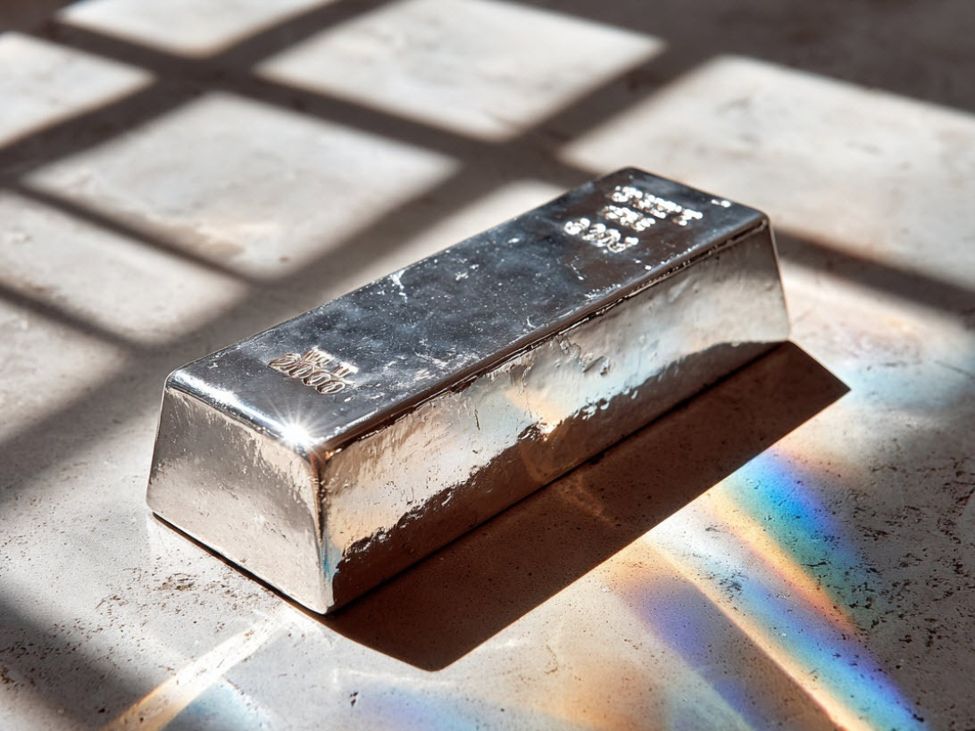
Silver certainly got its moment in the spotlight last week as a parabolic move went stratospheric. The put silver on front pages around the world and prompted some hand-wringing from the world’s richest man. There are rumors about squeezes and margin calls prompting the last leg of the move on Friday and now that air is coming out of the market. Silver is down $6.61/oz to $72.36. It’s the largest one-day nominal fall ever, but amazingly, it still doesn’t erase Friday’s surge.Technically, the 38.2% retracement of the rally since November 21 is at $70.46 and that should lend some support. The 50% level clocks in at $66.31.Precious metals are a sentiment-driven market right now but the silver market is much smaller than gold. That gives retail an outsized influence compared to gold, which is largely driven by central bank buying and selling.Gold has also been hit by profit taking today but it’s down 3% after also hitting record highs late last week. We’re also in a tricky time of year for trading. Liquidity is low everywhere and that can lead to outsized swings as hedge funds are reluctant to lean against excesses and market makers limit participation. For the year ahead, the market appears to be tightly grasping onto the idea that Trump will nominate a dovish Fed member and continue to intervene in the economy in ways that makes the US dollar a less-attractive store of value. The gold rally really kicked off in late-August when he fired the head of the BLS — the agency that publishes non-farm payrolls.He is also back to talking about the US taking over Greenland and the administration has pledged tariffs even if the Supreme Court blocks the current tariff regime. This article was written by Adam Button at investinglive.com. 🔗 Source 💡 DMK Insight Silver’s recent parabolic surge isn’t just a flash in the pan—it’s a signal of deeper market dynamics at play. The sudden spike has drawn attention not only from retail traders but also from institutional players, raising concerns about potential squeezes and margin calls. This kind of volatility often attracts speculative trading, which can amplify price movements in both directions. Traders should be wary of the psychological impact this has; when the world’s wealthiest express concern, it can lead to increased caution among investors. Keep an eye on key resistance levels that could trigger profit-taking or further buying pressure. For those looking to trade silver, monitoring the $25 mark could be crucial. A sustained break above this level might indicate further bullish momentum, while a drop back below could signal a reversal. Watch for volume spikes as well; they often precede significant price action. The real story here is how this surge could ripple through related markets, like gold and even cryptocurrencies, as traders reassess their risk exposure across assets. 📮 Takeaway Watch for silver to hold above $25; a break could signal more upside, while a drop below may trigger profit-taking.
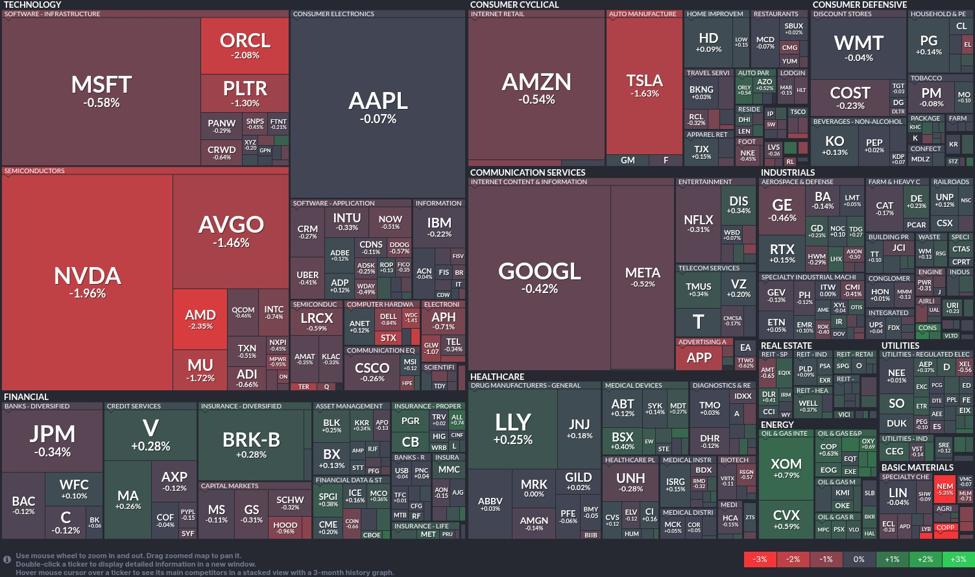
Mixed signals in tech and finance as semiconductor stocks decline
Sector Overview: Technology and Finance in FocusThe stock market today paints a somewhat mixed picture as observed through the heatmap, with a notable decline in semiconductor stocks. The semiconductor sector is glowing red with significant declines. Nvidia (NVDA) is leading the downturn, falling by 1.96%, while AMD and AVGO are also suffering losses at 2.35% and 1.46%, respectively. This trend hints at increasing caution or profit-taking among investors within the semiconductor space.On the flip side, the financial sector presents a more optimistic view. Visa (V) and Berkshire Hathaway (BRK-B) are both up by 0.28%, showing resilience. However, leading banks like JPMorgan Chase (JPM) and Bank of America (BAC) are slightly negative, mirroring some hesitance or realignment in banking stocks.Market Mood and TrendsOverall, the market’s mood appears cautious, as reflected in the uneven performance across different sectors. The fall of technology giants in the semiconductor sector may signal broader tech concerns. However, slightly positive movements in financials and consumer defensives like Apple (AAPL) and Procter & Gamble (PG) suggest a shift towards safer, more stable investments.Despite some turbulent areas, certain sectors like energy remain buoyant. ExxonMobil (XOM) is holding a positive territory with a 0.79% increase, reflecting ongoing confidence in oil and gas companies.Strategic RecommendationsGiven today’s market snapshot, investors should monitor developments within the semiconductor and broader technology sectors closely. The current downward pressure might offer buying opportunities following further corrections. Moreover, maintaining or incrementing allocations in sectors like energy could benefit portfolios amidst market uncertainties.Meanwhile, those invested in financial stocks may want to hold or adjust their positions based on credit service gains to hedge against potential downturns. As volatility persists, seeking safety in stalwart sectors like defensive consumer goods and energy might provide steadier growth or income.For detailed updates and more insightful market analyses, traders and investors should keep visiting InvestingLive.com to stay ahead of market trends and dynamics. This article was written by Itai Levitan at investinglive.com. 🔗 Source 💡 DMK Insight Semiconductor stocks are taking a hit, and here’s why that matters for traders: Nvidia’s 1.96% drop is a red flag, especially since it often sets the tone for the sector. With the tech-heavy Nasdaq under pressure, this decline could signal broader market weakness. Traders should be cautious, as a sustained downturn in semiconductors often leads to ripple effects across tech stocks, impacting related sectors like software and hardware. If Nvidia breaks below key support levels, it could trigger further selling, making it essential to monitor the $400 mark closely. But there’s a flip side: if these stocks bounce back, it could present a buying opportunity for swing traders looking to capitalize on short-term recoveries. Keep an eye on earnings reports and guidance from major players like AMD and AVGO, as they could provide insights into sector health. The next few trading sessions will be crucial—watch for volatility and potential reversals as traders react to these developments. 📮 Takeaway Monitor Nvidia’s support at $400; a break could lead to further declines in tech stocks, while a bounce may present buying opportunities.

Palladium Price Forecast Today: Why $1677 May Have Marked the Daily Low
Palladium futures had one of those sessions where the price action alone looks chaotic, but the order flow underneath tells a clearer story. Today’s move was not just a normal pullback. It behaved like a forced unwind that eventually transitioned into stabilization and early recovery, with a credible case that the session low near $1677 may hold as the day’s low.What happened today in Palladium, in plain EnglishPalladium gapped up at the weekly open. It wasn’t the only precious metal to have its special bearish day. Risk on, you say? Nahh… Bitcoin also trapped some bulls and then sold off at 91k resistance, as our analysis mentioned. Then, a crazy move happened for Palladium. You know how most people consider a “correction” to be apx 20% down? Well, this special metal sold off over 21% in less than 17 hours. Crazy! Palladium sold aggressively into the $1700 psychological round number, and then pushed even lower to the $1677 area. That is the type of behavior you typically see when stops get triggered in clusters and liquidity becomes thin. After that flush, price began to recover, and importantly, the recovery was not only visible on the candles – it was confirmed by the internal pressure dynamics that most traders do not track.This is where orderFlow Intel adds real value.What orderFlow Intel saw that standard charts do not1) The “liquidation cascade” signatureAt the peak of the selloff, orderFlow Intel flagged a classic liquidation phase:A sharp volume expansion versus earlier barsA one-sided selling imbalanceA fast break through obvious reference points (like $1700) with little hesitationThat combination usually means sellers are not choosing to sell calmly – they are being forced to exit, or they are chasing downside liquidity. In those moments, the market often overshoots because bids get pulled and stops become market sells.This matters because liquidation phases often end with a “capitulation style” bar or sequence. The trap for retail traders is that the final push down looks like maximum bearish conviction, when in reality it can be seller exhaustion.2) Why $1700 mattered and why price went below it anywayRound numbers like $1700 attract liquidity. In commodities, they are natural areas for:stop-loss clusteringalgorithmic triggershedging flowsAfter exaggerated downside moves, it is common to see a stop hunt through the round number, followed by “dancing” around it as liquidity is harvested on both sides. That is exactly what today resembled: first the flush below, then the market shifting into a two-sided auction where the next move depends on whether sellers can regain control.3) The hidden shift: absorption turning into initiative buyingThis is the part most chart-only traders miss.After the flush, we saw multiple bars where price action was still weak or choppy, but the internal flow improved. In simple terms:Sellers kept trying to press, but price stopped falling at the same rate.Buyers began absorbing sell pressure without immediately lifting price.Then buyers finally became aggressive enough to lift offers and push price higher.This progression is important. A durable low is rarely a single candle event. It is usually a process: pressure fades, absorption appears, then initiative buying confirms. That is consistent with why $1677 is a reasonable candidate for the day’s low.Why $1677 stands out as the daily low candidateFrom an order-flow perspective, the $1677 area behaved like a “repair point” where the market stopped searching for lower prices and started rebuilding.What supports that idea:The selloff into that zone showed exhaustion characteristics after an already extended downside run.After that low was printed, the market began to trade more two-sided rather than continuing straight down.The subsequent recovery showed improving buy-side participation, meaning the rebound was not purely random.This does not guarantee the low will hold tomorrow. But for today’s session narrative, $1677 fits the profile of a liquidation low rather than just another waypoint lower.Key levels for Palladium futures that traders are likely to care about nextHere is the practical map to watch:Support zone: $1677 to the high $1600s If price loses this area decisively, the “daily low” thesis weakens and the market may continue searching lower.Round number pivot: $1700 Bulls typically want to hold above it. Bears want to push back below it to restart liquidation pressure.Recovery resistance: $1710 to the low $1700s This is where early recoveries often stall. If price holds above, it supports a continued repair rally.Next major magnet: mid $1700s (the heavy trade zone from the selloff) This is where selling may reappear because it is a prior high-volume area. Acceptance above it would be a stronger confirmation that the market is transitioning from “bounce” to “reversal.”What orderFlow Intel adds to Palladium technical analysis, beyond a standard recapMost recaps will say: “Palladium fell hard and bounced.” That is not enough for decision support.orderFlow Intel adds the missing layer:whether the move down was controlled selling or forced liquidationwhether buyers were absorbing quietly or absent entirelywhether the rebound is just short covering or early initiative buyingwhether the market is still trending or has shifted into a base-building auctionThat is why it helps traders avoid the two common mistakes:buying too early during liquidation because “it looks cheap”staying bearish too late after the market has already shifted internallyWhat’s next for Palladium? Have we got a dip?Today’s drop into $1677 had the fingerprints of a liquidation-driven low followed by early recovery behavior. The market may still chop, and another test of the lows is always possible after a violent stop hunt. But based on the order flow evidence, $1677 is a credible candidate for the day’s low, and the next sessions will be defined by whether Palladium can hold above $1700 and build acceptance into the mid $1700s. Stay tuned for more at our Telegram channel https://t.me/investingLiveStocks and always trade and invest in precious metals at your own risk only. This article was written by Itai Levitan at investinglive.com. 🔗 Source 💡 DMK Insight Palladium’s chaotic price action today reveals deeper market dynamics at play. The forced unwind suggests that traders were caught off guard, likely due to unexpected shifts in demand or supply pressures.
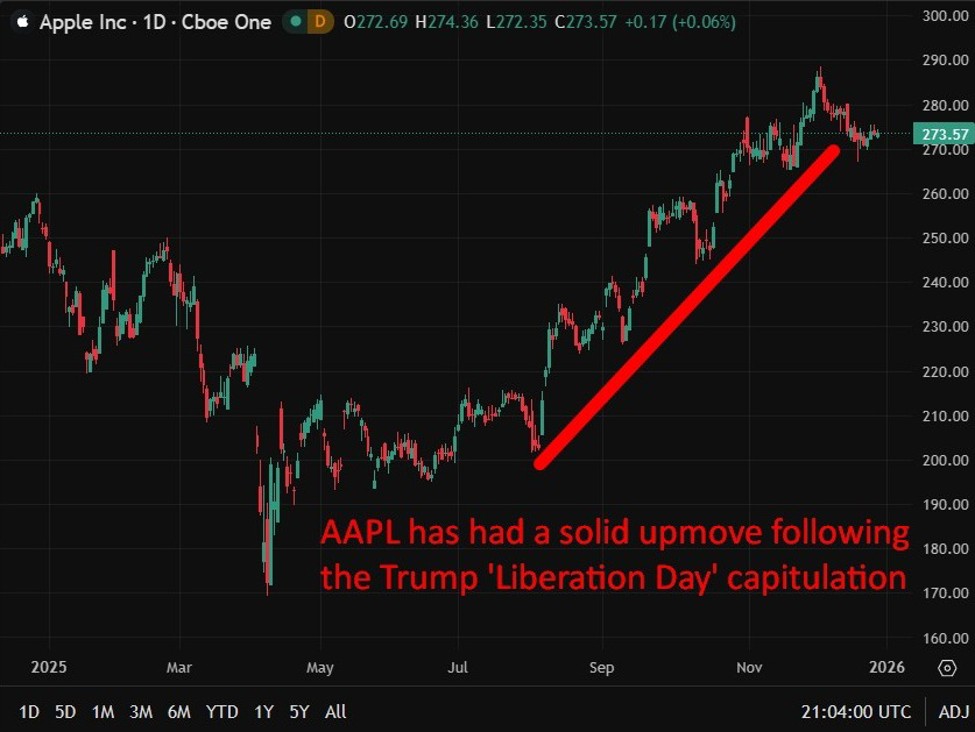
Apple China iPhone demand rebound bolsters US$300–$315 price target outlook
TL;DR summary:China shipment data point to a sharp rebound in non-Chinese branded phones, boosting Apple’s implied market share.Premium demand appears resilient despite weak overall growth in China’s handset market.Regulatory risks persist, but brokers see iPhone momentum cushioning near-term pressure.A renewed surge in iPhone demand across China is reinforcing the bullish case for Apple Inc., with fresh data pointing to a sharp recovery in the company’s market share despite a broadly sluggish domestic handset market.Wells Fargo reiterated its Overweight rating on Apple and maintained a $300 price target, arguing that recent shipment trends signal improving momentum for the iPhone franchise in mainland China. Apple shares were recently trading around $273 (see attached chart screenshot), valuing the company at roughly $4.0 trillion.According to figures from the China Academy of Information and Communications Technology, shipments of non-Chinese branded smartphones, widely viewed as a proxy for iPhone demand, surged 128% year on year to 6.93 million units in November. Over the same period, Apple’s implied market share jumped to 22.4% from 10.6% a year earlier, even though overall smartphone shipments in China rose by just 2%.In contrast, shipments of Chinese-branded handsets declined 13%, highlighting a clear divergence between premium and mass-market demand. The data suggest Apple is continuing to capture share at the high end, even as price-sensitive consumers pull back amid slower economic growth.Wells Fargo said the figures point to strengthening iPhone momentum heading into 2026, helping offset concerns around regulatory pressure and longer-term competitive risks in the region.Other brokers echoed a cautiously constructive stance. Jefferies lifted its price target to $283.36 while retaining a Hold rating, citing improved hardware trends balanced against legal and policy headwinds. Morgan Stanley reaffirmed its Overweight view and raised its target to $315, arguing that sustained iPhone strength provides Apple with financial resilience as it navigates regulatory and operational challenges into 2026. This article was written by Eamonn Sheridan at investinglive.com. 🔗 Source 💡 DMK Insight Apple’s resurgence in China is more than just a blip—it’s a potential game changer for traders. The latest shipment data indicates a sharp rebound in non-Chinese branded phones, particularly benefiting Apple. This uptick suggests that despite the broader sluggishness in China’s handset market, premium demand remains strong. For traders, this could mean a bullish outlook for AAPL, especially if the momentum continues. Watch for key technical levels around recent highs; a sustained break above could signal further upside. However, keep an eye on regulatory risks that could dampen this growth, as they remain a wildcard in the equation. On the flip side, while brokers are optimistic about iPhone sales cushioning near-term pressures, it’s crucial to question whether this momentum can hold. If broader economic conditions in China worsen, even strong iPhone sales might not be enough to offset declines in other segments. So, monitor the upcoming earnings reports closely—any signs of weakness could lead to volatility in AAPL and related tech stocks. 📮 Takeaway Watch AAPL closely; a break above recent highs could signal a strong bullish trend, but stay alert for regulatory risks that might impact momentum.
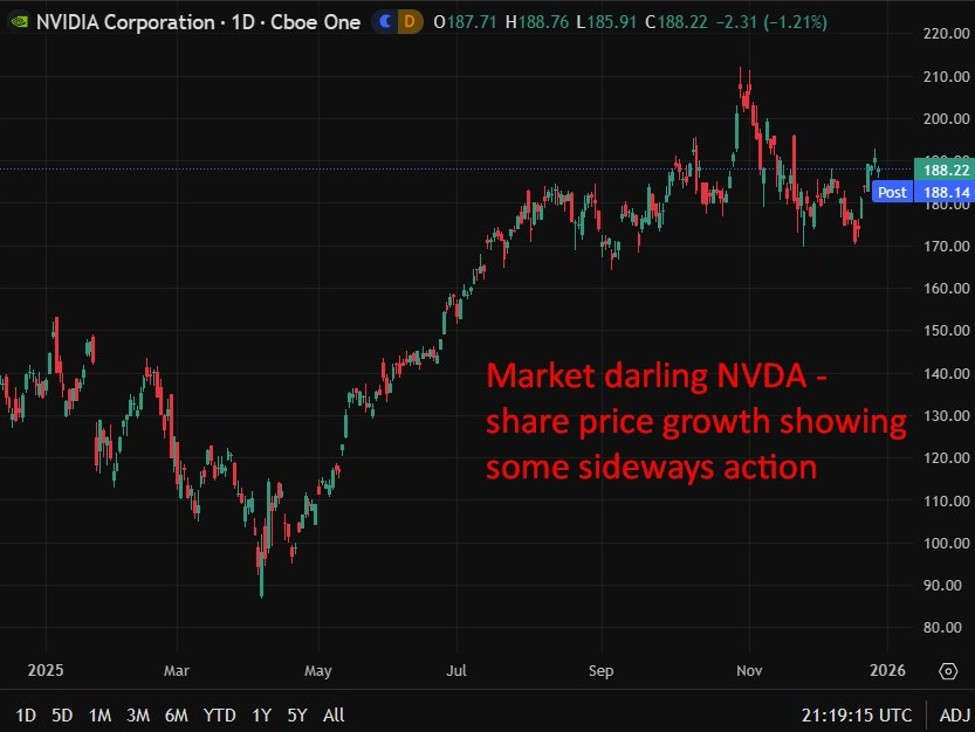
Nvidia completes $5bn Intel investment as strategic partnership takes shape
TL;DR summary:Nvidia has completed a $5bn private placement in Intel, formalising a ~4% equity stake.The deal follows US government and SoftBank funding aimed at supporting Intel’s turnaround.Intel’s recent share rally leaves Nvidia sitting on a sizeable unrealised gain.–Nvidia’s $5bn Intel stake becomes official as partnership shifts from promise to executionNvidia has formally completed its long-flagged $5 billion strategic investment in Intel, turning a headline-grabbing September announcement into settled cash, issued shares, and a now-official equity stake.According to a securities filing highlighted by The Information (gated), Nvidia purchased roughly 214.8 million Intel shares at $23.28 apiece via a private placement, equating to an ownership stake of about 4%. The transaction closed on December 26 following regulatory clearance earlier this month, including early termination of the Hart-Scott-Rodino waiting period by the Federal Trade Commission.The investment was originally unveiled in mid-September as part of a broader partnership between the two long-time rivals, aimed at jointly developing custom products spanning data-centre infrastructure and PCs. For Intel, the deal lands alongside substantial external backing, following $8.9 billion in US government funding and a separate $2 billion investment from SoftBank, all part of a wider effort to stabilise and revitalise the chipmaker’s manufacturing and product roadmap.Market timing has worked decisively in Nvidia’s favour. Intel shares have rallied roughly 50% in recent weeks, leaving Nvidia’s $23.28 entry price well below prevailing market levels and implying an unrealised gain of close to $3 billion on paper. The discount also underscores the leverage enjoyed by Nvidia at a moment when it remains the central force in AI-driven computing.Intel has stressed that the private placement does not grant Nvidia any special governance or information rights beyond those of a standard shareholder. Still, symbolically, the investment represents a rare vote of confidence from the industry’s dominant AI player at a sensitive juncture for Intel’s turnaround story.Speaking at the original announcement, Nvidia CEO Jensen Huang described the collaboration as a “historic partnership,” noting that joint architecture teams across CPUs, servers and PCs had been working together for more than a year. With the cash now on Intel’s balance sheet, investor focus is shifting from legal completion to execution — and whether the alliance can translate into tangible hardware and competitive momentum. This article was written by Eamonn Sheridan at investinglive.com. 🔗 Source 💡 DMK Insight Nvidia’s $5bn stake in Intel isn’t just a financial maneuver; it’s a strategic play that could reshape the semiconductor landscape. With Nvidia now holding about 4% of Intel, this partnership signals a deeper collaboration that could enhance both companies’ positions in AI and data center markets. Nvidia’s unrealized gains from this investment highlight the potential upside, especially as Intel works on its turnaround strategy backed by government and SoftBank funding. Traders should keep an eye on Intel’s stock performance, particularly if it continues its recent rally. If Intel can sustain momentum, Nvidia could benefit significantly, potentially pushing its own stock higher as well. However, there’s a flip side. If Intel’s turnaround falters, Nvidia might face backlash from investors who expect this partnership to yield immediate results. Watch for Intel’s quarterly earnings and any guidance on its recovery plans, as these will be crucial indicators for both stocks. Key price levels to monitor include Intel’s recent highs, which could act as resistance if the rally stalls. 📮 Takeaway Keep an eye on Intel’s earnings and guidance; they could dictate Nvidia’s stock trajectory in the coming weeks.
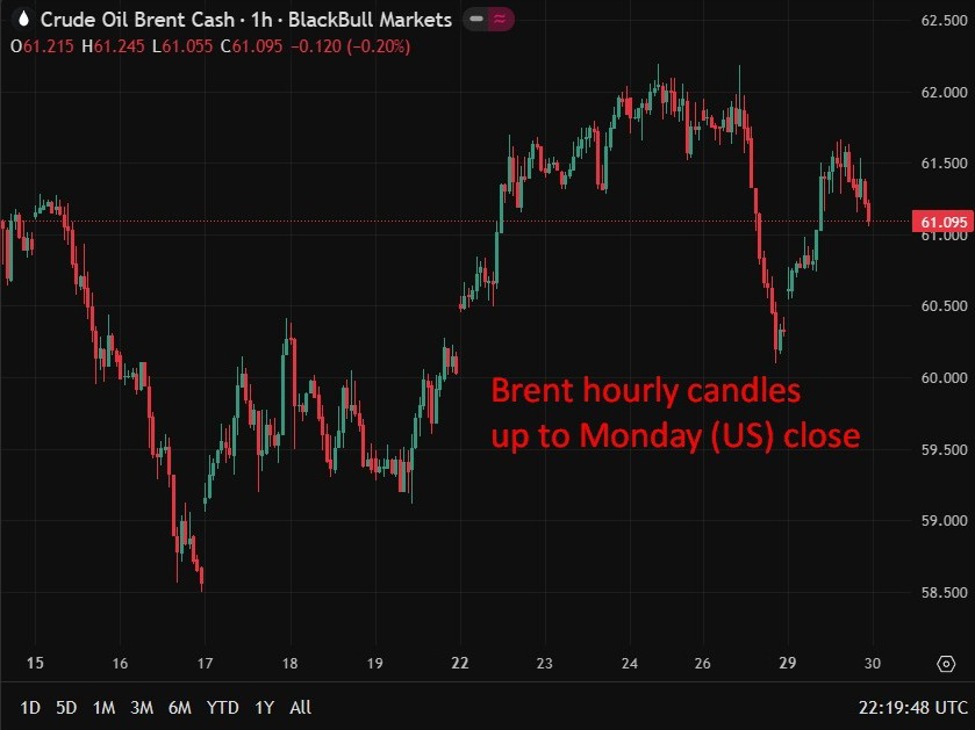
US oil inventories surprise higher as geopolitics keeps crude supported
TL;DR summary:EIA data showed unexpected builds across crude, gasoline and distillates.Inventory figures clashed with prior expectations for tightening balances.Oil prices remained supported by geopolitical risk and supply concerns.—US oil inventories surprise to the upside as geopolitical risk lifts crude pricesThe US Energy Information Administration’s long-delayed weekly inventory report delivered a notable upside surprise, complicating an oil market already being driven by heightened geopolitical risk and supply-disruption concerns.The US Energy Information Administration published its data for the week ended December 19 after a delay from the original Monday release window. The figures ran counter to expectations from an extended Reuters poll, which had anticipated a sizeable crude draw alongside modest builds in refined products.Instead, US crude inventories rose by 405,000 barrels to 424.82 million, versus forecasts for a 2.4 million-barrel draw,Gasoline stocks climbed sharply, up 2.9 million barrels to 228.49 million, well above expectations for a 1.1 million-barrel increase,Distillate inventories also rose, increasing 202,000 barrels to 118.7 million, roughly in line with consensus expectations.The data suggest softer near-term refinery demand and relatively comfortable supply conditions, particularly in gasoline, at a time when markets had been leaning toward tighter balances. Under normal circumstances, such numbers would have weighed on prices. However, broader macro and geopolitical dynamics continued to dominate sentiment.Earlier, oil prices had already settled sharply higher, driven by renewed geopolitical tension. Brent crude futures rose $1.30, or 2.1%, to settle at $61.94 a barrel, while US WTI gained $1.34, or 2.4%, to close at $58.08.Markets reacted to claims from Moscow that Ukrainian drones had targeted a Russian presidential residence, prompting Russia to review its stance on peace talks. Ukraine dismissed the accusations, but the headlines revived concerns about prolonged conflict risk. At the same time, tensions in Yemen intensified after Saudi air strikes followed clashes involving southern separatist forces, keeping Middle East supply risks firmly in focus.Analysts noted:geopolitical instability, alongside strong Chinese seaborne crude imports, is helping offset otherwise bearish inventory signalsprices likely to recover modestly into 2026 as non-OPEC+ supply growth slows This article was written by Eamonn Sheridan at investinglive.com. 🔗 Source 💡 DMK Insight Oil prices are getting a boost from geopolitical tensions, but unexpected inventory builds could flip the script. With crude oil currently around $124.35, the recent EIA report showing unexpected builds in crude, gasoline, and distillates could signal a shift in market dynamics. Traders were anticipating tighter balances, but these figures suggest that supply isn’t as constrained as previously thought. This discrepancy could lead to volatility in oil prices, especially if the geopolitical risks that have been supporting prices start to wane. Keep an eye on the $120 support level; a break below could trigger a more significant sell-off. On the flip side, if geopolitical tensions escalate further, we might see prices rally despite the inventory builds. It’s crucial to monitor how these factors play out in the coming weeks, especially as we approach the end of the month when traders often reassess positions. Watch for any news that could impact supply chains or geopolitical stability, as these will be key drivers for oil in the near term. 📮 Takeaway Watch the $120 support level in crude oil; unexpected inventory builds could lead to a sell-off if geopolitical tensions ease.

Trump warns Iran of renewed strikes, keeps Middle East oil risk premium simmering
TL;DR summary:Trump warned Iran against rebuilding weapons programs, reviving strike risk.Renewed Iran tensions raise the prospect of higher oil risk premiums.Hamas disarmament pressure adds to regional instability concerns.Trump renews Iran strike warning as Gaza disarmament pressure raises oil risk premiumUS President Donald Trump warned that Washington could back another major military strike on Iran if Tehran is found rebuilding its ballistic missile or nuclear weapons programs, while also issuing a stark ultimatum to Hamas to disarm or face severe consequences.Speaking alongside Israeli Prime Minister Benjamin Netanyahu after talks at Mar-a-Lago, Trump said recent intelligence and media reports suggested Iran may be attempting to reconstitute weapons capabilities at alternative locations following a major US strike in June. He indicated Washington was closely tracking Iranian activity, adding that any renewed escalation would not be tolerated.The comments refocus market attention on Iran’s role in regional energy stability. Iran remains a critical oil producer and a central geopolitical node near key shipping routes, including the Strait of Hormuz. Any renewed military action, or even heightened threats, risks tightening supply expectations, lifting risk premiums across crude markets and increasing volatility in energy-linked assets.Iran, which fought a brief but intense conflict with Israel in June, said last week it had conducted fresh missile exercises, reinforcing concerns in Washington and Tel Aviv that tensions could flare again. While Trump reiterated openness to a negotiated nuclear arrangement, his remarks underscored that diplomacy would be contingent on clear restraint from Tehran.Trump also turned his attention to Gaza, urging progress toward a second phase of the ceasefire agreement brokered last year. That phase would involve international peacekeeping forces and a transition away from active combat. However, Hamas has refused to disarm, and Trump accused the group of undermining the agreement while warning that Israel could resume military operations if disarmament does not occur.For oil markets, the dual focus on Iran and Gaza keeps geopolitical risk firmly embedded in prices. Even in the absence of immediate supply disruptions, the prospect of renewed conflict involving Iran, directly or via regional spillovers, is likely to support crude prices by reinforcing a persistent Middle East risk premium into 2026. This article was written by Eamonn Sheridan at investinglive.com. 🔗 Source 💡 DMK Insight Rising tensions with Iran could spike oil prices, and here’s why traders need to pay attention: Trump’s warning about potential military action against Iran is a significant geopolitical flashpoint. With the backdrop of ongoing instability in Gaza and pressure for Hamas disarmament, the risk of conflict in the Middle East is increasing. This situation often leads to higher oil risk premiums as traders price in the potential for supply disruptions. If tensions escalate, we could see crude oil prices react sharply, especially if they break above key resistance levels. Traders should keep an eye on Brent crude, which has been hovering around recent highs. A sustained move above these levels could trigger further buying. But it’s not just oil; related markets like energy stocks and ETFs could also see volatility. If you’re holding positions in these sectors, consider tightening your stop-loss orders to manage risk. Watch for any significant news or military developments in the coming days, as they could create immediate trading opportunities or risks. Keeping an eye on the daily charts for oil and related equities will be crucial in navigating this landscape. 📮 Takeaway Watch for Brent crude to break above recent highs; escalating tensions could lead to significant price spikes in oil and related markets.
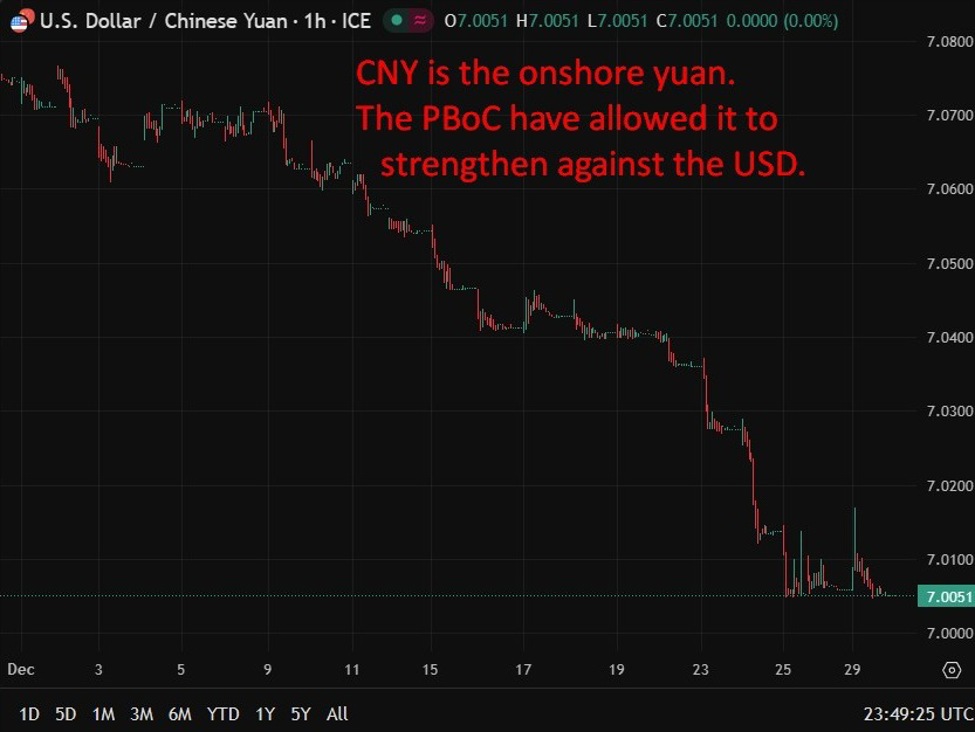
PBOC is expected to set the USD/CNY reference rate at 7.0112 – Reuters estimate
The People’s Bank of China is due to set the daily USD/CNY reference rate at around 0115 GMT (2115 US Eastern time), a fixing that remains one of the most closely watched signals in Asian foreign exchange markets. China operates a managed floating exchange rate system, under which the renminbi (yuan) is allowed to trade within a prescribed band around a central reference rate, or midpoint, set each trading day by the PBOC. The current trading band permits the currency to move plus or minus 2% from the official midpoint during onshore trading hours. Each morning, the PBOC determines the midpoint based on a range of inputs. These include the previous day’s closing price, movements in major currencies, particularly the US dollar, broader international FX conditions, and domestic economic considerations such as capital flows, growth momentum and financial stability objectives. The midpoint is not a purely mechanical calculation, allowing policymakers discretion to guide market expectations. Once the midpoint is announced, onshore USD/CNY is free to trade within the allowable band. If market pressures push the yuan toward either edge of that range, the central bank may step in to smooth volatility. Intervention can take the form of direct buying or selling of yuan, adjustments to liquidity conditions, or guidance through state-owned banks. As a result, the daily fixing is often interpreted as a policy signal rather than just a technical reference point. A stronger-than-expected CNY midpoint is typically read as a sign the PBOC is leaning against depreciation pressure, while a weaker fixing for the CNY can indicate tolerance for a softer currency, often in response to dollar strength or domestic economic headwinds.In periods of heightened global volatility, such as shifts in US rate expectations, trade tensions or capital flow pressures, the fixing takes on added significance. For investors, it provides insight into Beijing’s currency priorities, balancing competitiveness, capital stability and financial market confidence. This article was written by Eamonn Sheridan at investinglive.com. 🔗 Source 💡 DMK Insight The upcoming USD/CNY reference rate fixing is crucial for traders, especially amid ongoing economic tensions. With the PBOC’s managed floating exchange rate system, any significant deviation from expectations could trigger volatility in both the CNY and broader forex markets. Traders should keep an eye on the previous fixing levels and market sentiment leading up to the announcement. If the rate comes in weaker than anticipated, it could signal further easing measures from China, impacting not just the yuan but also commodities and emerging market currencies. Conversely, a stronger fixing might bolster the CNY and provide a temporary lift to risk sentiment. Watch for reactions in correlated assets like AUD/USD and commodity prices, as they often move in tandem with shifts in the CNY. Given the current economic climate, this fixing could set the tone for trading strategies in the coming days, particularly for those focused on short-term positions. 📮 Takeaway Monitor the USD/CNY reference rate fixing closely; a significant deviation could impact CNY and related assets like AUD/USD immediately.
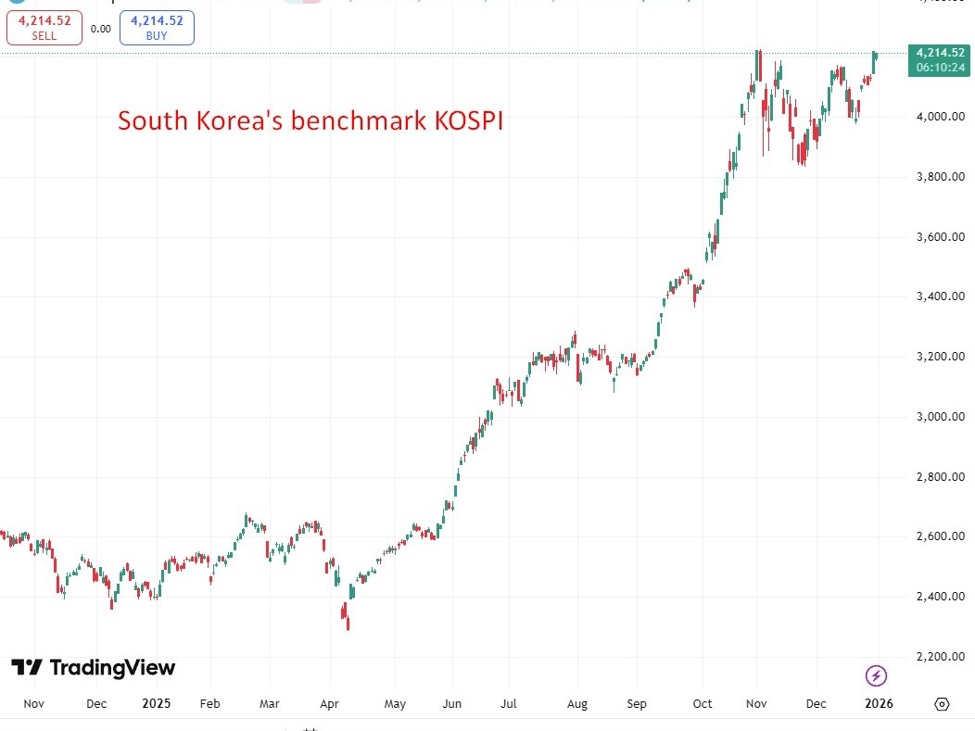
South Korea to unveil MSCI Developed Market inclusion roadmap early next year
TL;DR summary:South Korea will publish a roadmap early next year for MSCI index upgrade.The move targets long-standing accessibility gaps that currently keep Korea as an emerging market.Inclusion could attract substantial foreign capital and narrow the “Korea discount.”South Korea’s Ministry of Economy and Finance has confirmed it will announce a detailed roadmap early next year aimed at securing inclusion in the MSCI Developed Market Index, a long-standing goal that could reshape international investor flows into the country’s capital markets. Despite its status as Asia’s fourth-largest economy, South Korea has remained classified as an emerging market by MSCI for over a decade, even being dropped off the Developed Markets watchlist in 2014 due to accessibility constraints and regulatory barriers. While other benchmark providers such as FTSE Russell categorise Korea as developed, MSCI’s classification has a unique impact on passive investment flows, with analysts estimating that an upgrade could attract billions of dollars in foreign capital as index-linked funds adjust their allocations. The government’s planned roadmap is expected to focus on market accessibility enhancements, targeting structural issues that MSCI has repeatedly flagged, such as restrictions in the foreign exchange market and investor access. Recent reforms, including expanded foreign participation and potential FX market opening measures, underscore Seoul’s broader strategy to make its markets more investable.South Korean President Lee Jae‑myung has publicly framed this push as part of ending the so-called “Korea discount,” a term used to describe the valuation gap between Korean equities and peers in developed markets. In speeches abroad, Lee linked MSCI inclusion to boosting investor confidence and deepening global capital integration. An upgrade to the MSCI Developed Market Index does not happen overnight. It typically involves an interim watchlist phase, giving global investors time to adjust before full inclusion, often followed by an extended evaluation of reforms in practice. For South Korea, success would not only reflect its economic maturity and market infrastructure but could also unlock significant passive inflows, improve liquidity, and strengthen its standing in the global investment landscape. —Re global index provider Morgan Stanley Capital International (MSCI). This article was written by Eamonn Sheridan at investinglive.com. 🔗 Source 💡 DMK Insight South Korea’s upcoming MSCI index roadmap could reshape market dynamics significantly. The government’s commitment to addressing accessibility issues is crucial for attracting foreign investment. If South Korea secures an upgrade from emerging to developed market status, we could see a substantial influx of capital, potentially narrowing the so-called ‘Korea discount.’ This could lead to increased demand for South Korean equities, particularly in sectors like technology and manufacturing, which are already heavily weighted in global indices. Traders should keep an eye on related ETFs and stocks that could benefit from this shift, especially those that are currently undervalued due to the emerging market classification. However, it’s worth noting that the timeline for actual inclusion in the MSCI developed market index could stretch beyond the initial announcement. Traders should monitor the broader economic indicators and global market sentiment, as these will influence the pace of foreign capital inflow. Key levels to watch include the performance of the KOSPI index and any shifts in foreign fund flows in the coming months, particularly around the announcement date early next year. 📮 Takeaway Watch for the MSCI index roadmap announcement early next year; it could trigger significant foreign capital inflow into South Korean equities.
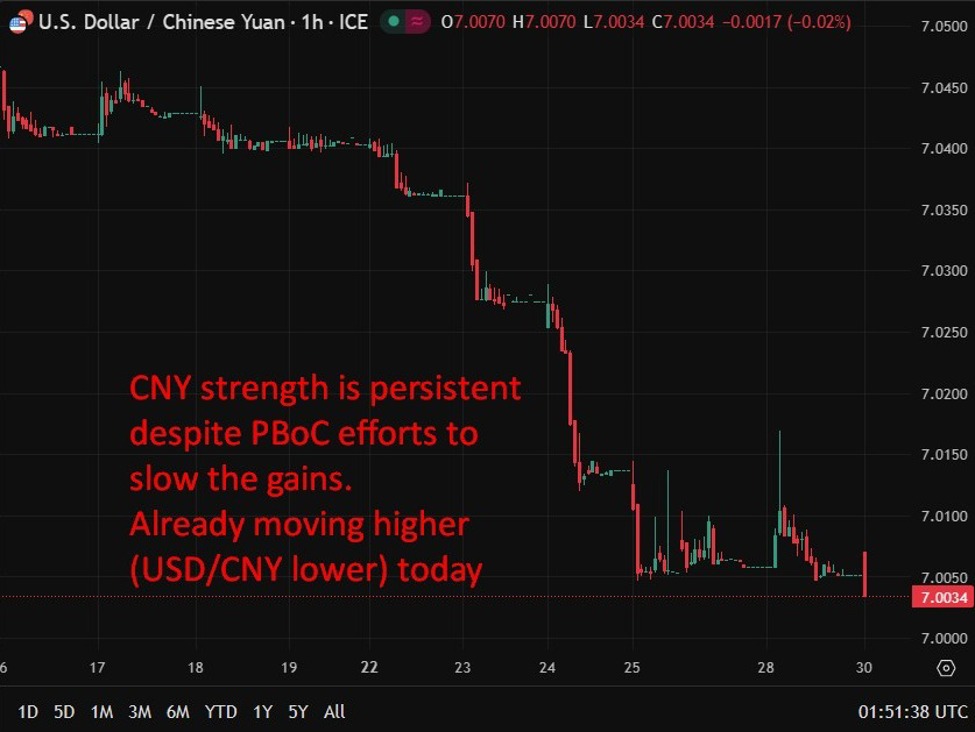
PBOC sets USD/ CNY central rate at 7.0348 (vs. estimate at 7.0112)
Monday’s close was 7.0056.People’s Bank of China injects 312.5bn yuan via 7-day reverse repos in open market operations, rate remains 1.4%.—The People’s Bank of China daily USD/CNY reference rate is a fixing that remains one of the most closely watched signals in Asian foreign exchange markets.China operates a managed floating exchange rate system, under which the renminbi (yuan) is allowed to trade within a prescribed band around a central reference rate, or midpoint, set each trading day by the PBOC. The current trading band permits the currency to move plus or minus 2% from the official midpoint during onshore trading hours.Each morning, the PBOC determines the midpoint based on a range of inputs. These include the previous day’s closing price, movements in major currencies, particularly the US dollar, broader international FX conditions, and domestic economic considerations such as capital flows, growth momentum and financial stability objectives. The midpoint is not a purely mechanical calculation, allowing policymakers discretion to guide market expectations.Once the midpoint is announced, onshore USD/CNY is free to trade within the allowable band. If market pressures push the yuan toward either edge of that range, the central bank may step in to smooth volatility. Intervention can take the form of direct buying or selling of yuan, adjustments to liquidity conditions, or guidance through state-owned banks.As a result, the daily fixing is often interpreted as a policy signal rather than just a technical reference point. A stronger-than-expected CNY midpoint is typically read as a sign the PBOC is leaning against depreciation pressure, while a weaker fixing for the CNY can indicate tolerance for a softer currency, often in response to dollar strength or domestic economic headwinds.In periods of heightened global volatility, such as shifts in US rate expectations, trade tensions or capital flow pressures, the fixing takes on added significance. For investors, it provides insight into Beijing’s currency priorities, balancing competitiveness, capital stability and financial market confidence. This article was written by Eamonn Sheridan at investinglive.com. 🔗 Source 💡 DMK Insight The PBOC’s recent injection of 312.5 billion yuan is a significant move that traders need to pay attention to. With Monday’s USD/CNY close at 7.0056, this liquidity boost could influence the yuan’s strength against the dollar, especially as the PBOC maintains a 1.4% rate. This action suggests a commitment to stabilizing the yuan amid ongoing economic pressures. Traders should watch for potential volatility in the forex market, particularly if the USD/CNY approaches key resistance levels around 7.01. If the yuan weakens further, it could trigger a broader sell-off in Asian currencies, impacting related assets like commodities priced in dollars. Keep an eye on the PBOC’s next moves and any shifts in market sentiment, as these could dictate short-term trading strategies, especially for those focused on forex pairs involving the yuan. 📮 Takeaway Watch for USD/CNY movements around 7.01; the PBOC’s liquidity measures could signal increased volatility in Asian forex markets.