
 Bitcoin
  Ethereum
  Tether
  XRP
XRP  BNB
BNB  USDC
USDC  Solana
  TRON
TRON  Lido Staked Ether
  Figure Heloc
Japan Retail Trade (YoY) above expectations (0.9%) in November: Actual (1%) 🔗 Source 💡 DMK Insight Japan’s retail trade growth hitting 1% is a signal for traders to pay attention to consumer sentiment and economic health. This uptick, surpassing expectations, suggests that consumer spending is resilient, which could influence the Bank of Japan’s monetary policy. If spending continues to rise, it might lead to speculation about tightening measures, impacting the yen and related forex pairs. Traders should watch the USD/JPY closely, especially if it approaches key resistance levels. A sustained rally in retail could also bolster Japanese equities, so keep an eye on the Nikkei index for potential upward momentum. However, it’s worth noting that external factors, like global economic conditions and inflation rates, could temper this growth. Watch for any shifts in sentiment that might arise from geopolitical tensions or changes in commodity prices, as these could create volatility in the yen and Japanese markets. 📮 Takeaway Monitor the USD/JPY for potential resistance around recent highs, as Japan’s retail trade growth could influence forex strategies in the coming weeks.

Japan Industrial Production (YoY) dipped from previous 1.6% to -2.1% in November
Japan Industrial Production (YoY) dipped from previous 1.6% to -2.1% in November 🔗 Source 💡 DMK Insight Japan’s industrial production drop to -2.1% is a red flag for traders: This significant decline from 1.6% signals potential weakness in the Japanese economy, which could ripple through global markets. For forex traders, this might mean a bearish outlook on the yen, especially if the trend continues. Look for the USD/JPY pair to react, particularly if it breaks above key resistance levels. Moreover, this downturn could impact commodities and export-driven stocks, as Japan is a major player in global supply chains. If production continues to falter, we might see increased volatility in related assets, including metals and energy. Keep an eye on the upcoming economic data releases for further confirmation of this trend, as they could provide critical insights into the Bank of Japan’s next moves. Watch for the USD/JPY to test the 150 level; a sustained break could indicate a stronger dollar against the yen in the coming weeks. 📮 Takeaway Monitor the USD/JPY closely; a break above 150 could signal a bearish shift for the yen amid Japan’s industrial production decline.

Bitcoin mining’s 2026 reckoning: AI pivots, margin pressure and a fight to survive
Post-halving stress is reshaping Bitcoin mining. As margins compress, miners turn to AI, HPC and consolidation to survive heading into 2026. 🔗 Source 💡 DMK Insight Bitcoin miners are feeling the heat as margins tighten, and here’s why that matters: With Bitcoin’s halving event behind us, miners are facing increased operational pressures. Current margins are getting squeezed, pushing many to explore AI and high-performance computing (HPC) for efficiency gains. This shift could lead to a consolidation phase in the mining sector, impacting supply dynamics. If miners struggle to stay profitable, we could see a decrease in hash rate, which might affect Bitcoin’s price stability in the short term. Traders should keep an eye on SOL’s price at $119.97, as it may reflect broader market sentiment. If Bitcoin’s mining landscape shifts significantly, it could ripple through altcoins like SOL, especially if investor confidence wanes. Watch for any major announcements from mining firms or shifts in hash rate data over the next few months, as these could signal larger market movements. The real story is how miners adapt; their strategies will be crucial for price action moving forward. 📮 Takeaway Monitor Bitcoin’s hash rate and any mining firm announcements; a drop in profitability could impact SOL and other altcoins significantly.

Crypto derivatives volume explode to $86T in 2025, averaging $265B per day
Crypto derivatives trading surged to $86 trillion in 2025, averaging $265 billion per day, as Binance captured almost 30% of global volume, CoinGlass reported. 🔗 Source 💡 DMK Insight Crypto derivatives trading hitting $86 trillion in 2025 is a game changer for market dynamics. With Binance holding nearly 30% of that volume, traders should be aware of the potential for increased volatility and liquidity. This surge indicates a growing institutional interest, which could lead to more sophisticated trading strategies and risk management techniques. Keep an eye on how this affects correlated assets like Bitcoin and Ethereum, as heightened derivatives activity often precedes significant price movements. The daily average of $265 billion suggests that traders need to be nimble, as rapid shifts in sentiment could trigger cascading effects across the market. But here’s the flip side: while this growth is promising, it also raises concerns about over-leverage and potential market corrections. Traders should monitor open interest and funding rates closely to gauge market sentiment and potential risks. Watch for key levels in Bitcoin and Ethereum as derivatives trading evolves, especially if we see a spike in volatility in the coming weeks. 📮 Takeaway Monitor open interest and funding rates in crypto derivatives; significant shifts could signal upcoming volatility in Bitcoin and Ethereum.

Fed Q1 2026 outlook: Potential impact on Bitcoin and crypto markets
BTC may fall to $70,000 and ETH to $2,400 if the Fed pauses rate cuts in the first quarter of 2026 and inflationary pressure persists. 🔗 Source 💡 DMK Insight BTC’s potential drop to $70,000 and ETH to $2,400 is a wake-up call for traders. The Fed’s decision on rate cuts is pivotal. If they pause in Q1 2026, it could signal prolonged inflation, which historically pressures crypto prices. Traders should be wary of how this macroeconomic backdrop could affect their positions. The $70,000 level for BTC is crucial; a breach below could trigger further selling, while ETH’s $2,400 mark is similarly significant. Watch for market sentiment shifts as we approach the Fed’s announcements, as these could lead to volatility in both crypto and correlated assets like tech stocks. Here’s the flip side: if inflation eases and the Fed surprises with aggressive cuts, we could see a rally instead. But for now, the cautious approach is to prepare for downside risks. Keep an eye on inflation data and Fed communications leading up to 2026, as they will be key indicators of market direction. 📮 Takeaway Monitor BTC at $70,000 and ETH at $2,400; a Fed pause on rate cuts could trigger significant downside risks.

Narratives versus reality: What really drives Bitcoin and altcoin prices?
Headlines move crypto fast, but liquidity decides what lasts. Data from ETFs, stablecoins and onchain flows shows what really drives prices. 🔗 Source 💡 DMK Insight Headlines may spark initial moves in crypto, but liquidity is the real game-changer. Traders need to pay attention to how ETF inflows, stablecoin activity, and on-chain flows are shaping market dynamics. For instance, if we see a surge in stablecoin deposits, it often precedes upward price movements as it indicates fresh capital entering the market. Conversely, a drop in liquidity can lead to heightened volatility and rapid price corrections. Right now, monitoring these liquidity indicators is crucial. If ETF volumes increase significantly, it could signal institutional interest, potentially pushing prices higher. On the flip side, if stablecoin outflows rise, it might suggest profit-taking or bearish sentiment, which could lead to a downturn. Keep an eye on these flows, as they can provide actionable insights into market sentiment and potential price movements. 📮 Takeaway Watch for changes in stablecoin flows and ETF volumes; they could signal significant price movements in the crypto market.
“Diversifying the Crypto Landscape: Solana and Ethereum Coexisting in the Tokenization Race”
📰 DMK AI Summary Dragonfly VC’s Rob Hadick believes that both Solana and Ethereum can coexist in the tokenization race, comparing them to Facebook in the social media space. While Ethereum currently dominates with stablecoins and economic activity, Solana’s optimized transaction flow makes it a strong competitor. Hadick emphasizes the need for multiple blockchains due to the increasing tokenization of assets and on-chain economic activity. 💬 DMK Insight Rob Hadick’s insights shed light on the evolving dynamics of the blockchain space, illustrating that market dominance won’t be monopolized by a single chain. The coexistence of Solana and Ethereum points to a diverse market where different blockchains cater to various use cases. This decentralized approach reflects the flexibility and adaptability required in the rapidly expanding crypto landscape. 📊 Market Content The acknowledgment of Solana’s rising trading volume and Ethereum’s established network asset value highlights the competitive yet collaborative nature of the crypto market. Investors and traders monitoring these developments should consider the potential opportunities presented by the coexistence of multiple blockchain networks, each offering unique advantages for tokenization and on-chain activities.
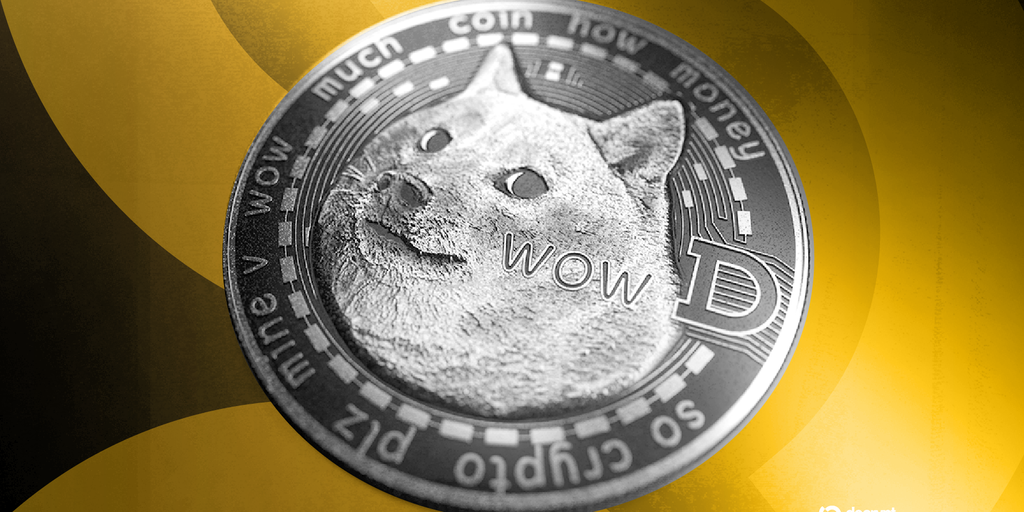
The Year in Dogecoin 2025: DOGE Goes Political and Commercial
Dogecoin found itself at the center of a controversial political storm, all while being embraced by traditional institutions. 🔗 Source 💡 DMK Insight Dogecoin’s current price of $0.12 reflects a unique intersection of political controversy and institutional interest, and here’s why that matters right now: The ongoing political discussions surrounding Dogecoin could lead to increased volatility, especially if regulatory scrutiny intensifies. Traders should keep an eye on how these developments might affect sentiment, as political narratives can sway retail interest significantly. On the flip side, the embrace from traditional institutions signals a potential shift in perception, which could stabilize the price in the long run. If institutional adoption continues, we might see a bullish trend, particularly if DOGE can hold above key support levels around $0.10. Watch for any news that could trigger a breakout or breakdown, as the market is sensitive to both political and institutional cues. In the coming weeks, monitor trading volumes and social media sentiment closely; spikes in either could indicate a shift in momentum. If DOGE breaks above $0.15, it could attract more speculative buying, while a drop below $0.10 might trigger stop-loss orders and further selling pressure. 📮 Takeaway Watch for DOGE to hold above $0.10; a break above $0.15 could signal bullish momentum, while a drop below $0.10 may trigger selling.

Emerge's 2025 Story of the Year: How the AI Race Fractured the Global Tech Order
2025 saw the US-China rivalry weaponize every layer of the technology stack—from minerals to models to military doctrine. 🔗 Source 💡 DMK Insight The escalating US-China rivalry is reshaping the tech landscape, and here’s why traders should care: geopolitical tensions often lead to volatility in tech stocks and commodities. As both nations ramp up their technological arms race, sectors like semiconductors and rare earth minerals could see significant price swings. Traders need to keep an eye on how these tensions affect supply chains and market sentiment, especially as we approach key earnings reports from major tech firms. Look for potential breakouts or breakdowns in related assets. For instance, if tensions escalate further, stocks in the semiconductor sector could face downward pressure, while companies involved in alternative technologies might see a surge. It’s also worth monitoring the broader market indices, as tech-heavy indexes like the NASDAQ often react sharply to geopolitical news. In the coming weeks, watch for any announcements from both governments that could impact tariffs or trade agreements, as these could serve as catalysts for market movements. The real story is how these geopolitical dynamics will influence investor sentiment and trading strategies moving forward. 📮 Takeaway Keep an eye on tech stocks and commodities influenced by US-China tensions; watch for key earnings reports and geopolitical announcements that could trigger volatility.

From Tether to the Trump-Backed USD1: The 7 Fastest-Moving Stablecoins of 2025
The stablecoin supply hit $314 billion in 2025, but market cap doesn’t tell the full story. Here’s who really dominated. 🔗 Source 💡 DMK Insight Stablecoin supply reaching $314 billion in 2025 is a big deal, but it’s not just about the numbers. The dominance of specific players in this space can shift market dynamics significantly. Traders should pay attention to which stablecoins are gaining traction, as this can impact liquidity and trading strategies. For instance, if a particular stablecoin starts to dominate, it could lead to increased volatility in pairs that rely on it. Look for correlations with major cryptocurrencies like Bitcoin or Ethereum, as shifts in stablecoin supply often precede price movements in these assets. Keep an eye on the market cap distribution among the top stablecoins; if one starts to gain a larger share, it could signal a shift in trader sentiment or a change in liquidity preferences. Watch for any announcements or regulatory changes that could affect stablecoin usage, as these could create ripple effects across the crypto market. The real story is how this evolving landscape will influence trading strategies in the coming months. 📮 Takeaway Monitor the stablecoin market closely; shifts in dominance could impact liquidity and volatility in major crypto pairs, especially Bitcoin and Ethereum.