
 Bitcoin
  Ethereum
  Tether
  XRP
XRP  BNB
BNB  USDC
USDC  Solana
  TRON
TRON  Lido Staked Ether
  Figure Heloc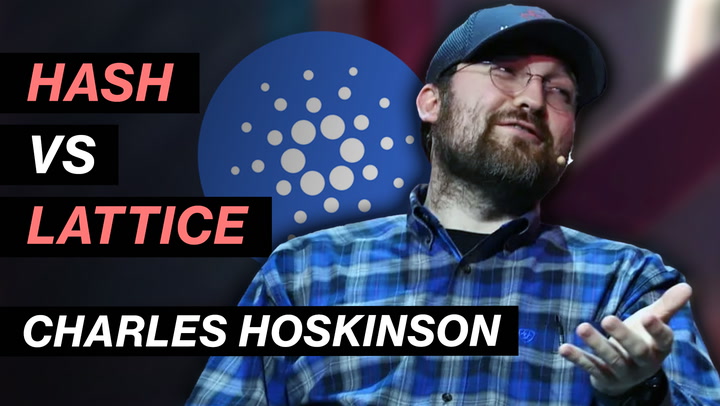
Cardano co-founder Charles Hoskinson talks hash vs lattice-based cryptography, and how November’s “poisoned transaction” hack could have destroyed Cardano if they were BFT-based “Ethereum is embracing STARKs and hash-based crypto. [Cardano is] embracing lattice-based crypto on our side. You know, it’s Blu-ray vs HD DVD, we’ll see which one the market picks.” 🔗 Source 💡 DMK Insight Ethereum’s pivot to STARKs could reshape the competitive landscape in crypto, and here’s why that matters: The ongoing debate between hash-based and lattice-based cryptography isn’t just technical jargon; it’s a potential game-changer for scalability and security. Ethereum’s adoption of STARKs positions it to handle more transactions efficiently, which could attract developers and investors alike. If Cardano’s BFT-based approach had been compromised in November’s hack, it might have raised serious doubts about its security model. Traders should keep an eye on how these cryptographic strategies play out, as they could influence market sentiment and investment flows. Watch for ETH’s price action around $3,000; a sustained move above this level could signal bullish momentum, while a drop below might trigger profit-taking. But don’t overlook the potential for Cardano to innovate in its own right. If they can successfully implement lattice-based solutions, it could create a unique value proposition that draws in a different segment of the market. The real story is how these developments could affect not just ETH and ADA, but the broader altcoin market as well, especially if one approach proves superior in real-world applications. Keep an eye on upcoming updates from both projects for further insights. 📮 Takeaway Watch ETH’s price around $3,000; a breakout could signal bullish momentum, while a drop below may prompt profit-taking.
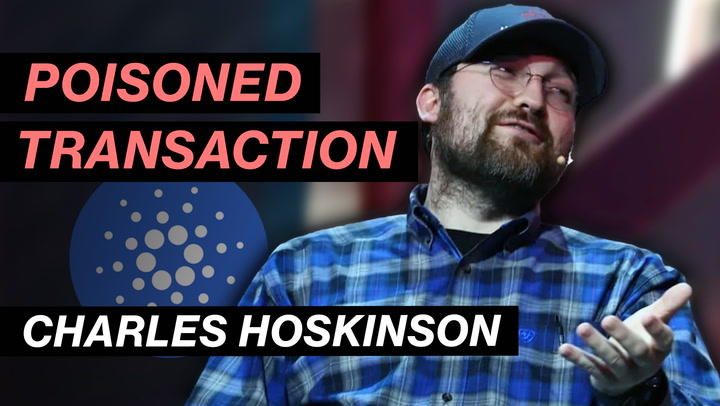
Cardano's November Hack Explained by Co-Founder Charles Hoskinson
Charles Hoskinson explains the “poisoned transaction” Cardano hack that took place back in November, and how it split the chain in two: “I don’t wanna have figure out, like, ‘How do we reimburse all these guys?’ They were honestly following the protocol, their nodes didn’t understand that there was a split.” 🔗 Source 💡 DMK Insight So Cardano’s recent chain split due to the “poisoned transaction” hack is a big deal for traders. This incident highlights vulnerabilities in the protocol that could shake investor confidence and affect market sentiment. When a blockchain splits, it can lead to uncertainty and volatility, especially if traders are unsure about the integrity of the network. For those holding ADA, this is a critical moment to reassess positions. If the market reacts negatively, we could see ADA testing key support levels. Watch for price action around recent lows, as a breach could trigger further selling pressure. On the flip side, if the community and developers respond effectively, it might restore some confidence, but that’s a big if. Keep an eye on updates from the Cardano team and any changes in trading volume, as these could signal how the market is digesting this news. 📮 Takeaway Monitor ADA closely; a drop below recent support levels could signal further downside, while effective responses from Cardano could stabilize prices.
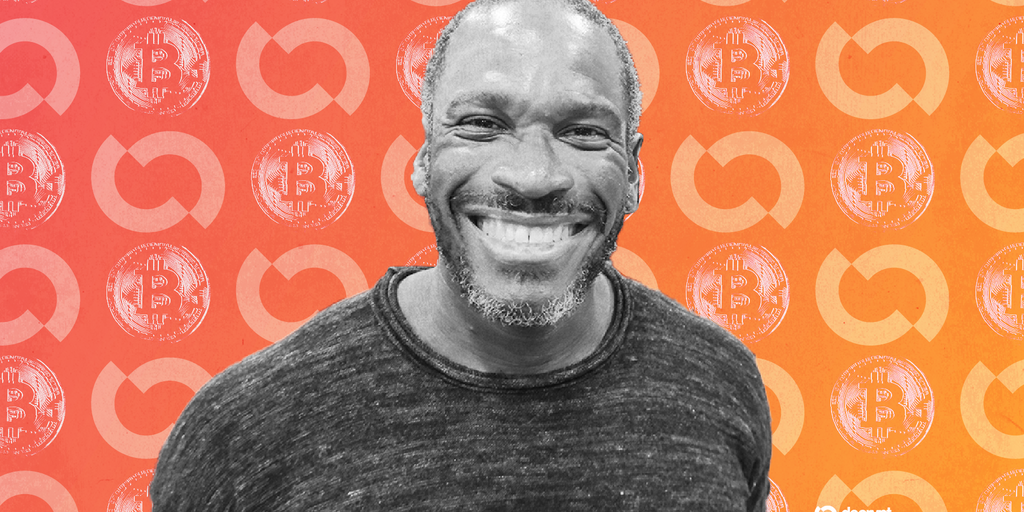
Why Bitcoin Billionaire Arthur Hayes Expects BTC to Hit $200K by March
BitMex co-founder Arthur Hayes thinks Bitcoin will range until year’s end, but it could jump to $200,000 before March. Here’s why. 🔗 Source 💡 DMK Insight Arthur Hayes’ prediction of Bitcoin potentially hitting $200,000 by March is bold, but here’s the catch: he expects a range-bound market until year-end. This suggests traders should brace for volatility as we approach the new year. If Bitcoin remains stagnant, it could lead to a buildup of buying pressure, especially if institutional players start accumulating at lower levels. The $200,000 target isn’t just a number; it reflects a broader bullish sentiment that could be influenced by macroeconomic factors, including inflation and regulatory developments. Keep an eye on key resistance levels around $40,000 and $50,000, as breaking through these could trigger significant momentum. However, there’s a flip side: if Bitcoin fails to break out and instead consolidates, traders might see a prolonged period of indecision, which could lead to frustration and potential sell-offs. Watch for trading volume and sentiment indicators as we close out the year; they’ll be crucial in gauging whether Hayes’ prediction has any legs. 📮 Takeaway Monitor Bitcoin’s resistance at $40,000 and $50,000; a breakout could signal a run towards $200,000 by March.

Crypto Game Crashouts: The Biggest Shutdowns in 2025
From Deadrop to Nyan Heroes and plenty in between, many promising crypto games closed up shop this year. These are the biggest. 🔗 Source 💡 DMK Insight So, the crypto gaming sector is taking a hit, and here’s why that matters: the closure of major titles like Deadrop and Nyan Heroes signals a potential shift in investor sentiment. With many promising projects shutting down, traders should be cautious about their exposure to gaming tokens and related assets. The trend could lead to increased volatility in the broader crypto market, especially for those projects that rely on gaming as a core use case. If you’re holding onto gaming-related cryptocurrencies, it might be time to reassess your positions, especially if they start breaking key support levels. Watch for any announcements from remaining projects; they could either stabilize the market or trigger further sell-offs. On the flip side, this could also present opportunities for savvy traders to pick up undervalued assets if they can identify which projects have solid fundamentals and backing. Keep an eye on the next few weeks for any signs of recovery or further declines in this niche. 📮 Takeaway Monitor the performance of gaming-related cryptocurrencies closely; a break below key support levels could signal further declines.

Cardano's Hoskinson Warns Crypto Becoming Post-Quantum Will Require Trade-Offs
Cardano founder Charles Hoskinson said post-quantum cryptography exists, but would slow blockchains without hardware support. 🔗 Source