
 Bitcoin
  Ethereum
  Tether
  BNB
BNB  XRP
XRP  USDC
USDC  Solana
  TRON
TRON  Lido Staked Ether
  Figure Heloc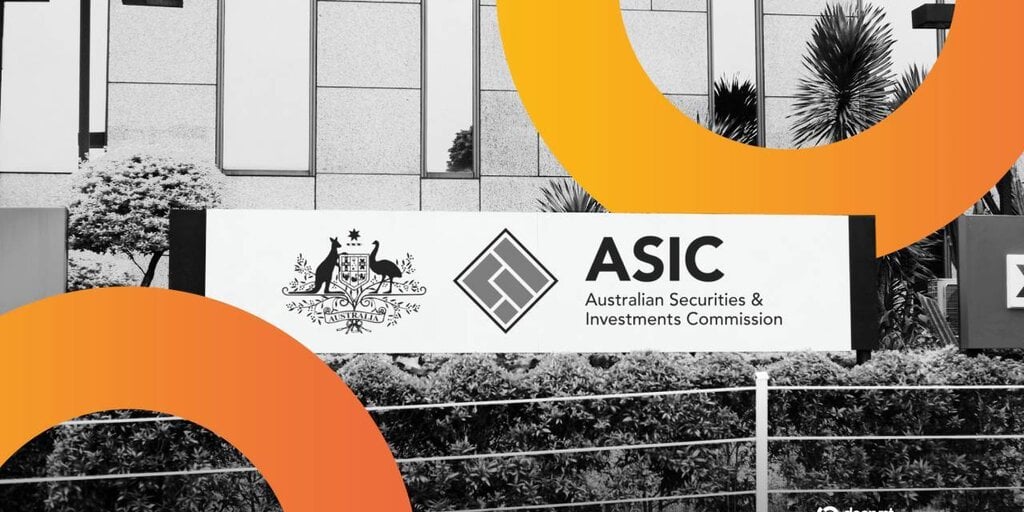
The Australian regulator indicated the framework could expand as additional stablecoin and wrapped token issuers secure AFS licences. 🔗 Source 💡 DMK Insight Australia’s move to expand its regulatory framework for stablecoins is a game changer for crypto traders. This shift signals a growing acceptance of digital assets in mainstream finance, which could attract institutional players looking for compliance. For traders, this means potential volatility as new entrants might influence market dynamics, especially if major players start issuing stablecoins under the new framework. Keep an eye on how this impacts liquidity and trading volumes in related assets like Bitcoin and Ethereum, as increased stability in stablecoins could lead to more robust trading strategies. However, there’s a flip side: increased regulation could also stifle innovation or lead to higher compliance costs for smaller issuers. Traders should watch for any announcements regarding specific issuers securing licenses, as this could create trading opportunities or risks depending on market sentiment. The next few weeks will be crucial as the framework develops, so stay tuned for updates on which companies are stepping up. 📮 Takeaway Monitor developments around AFS licenses for stablecoin issuers; this could reshape trading strategies and market dynamics in the coming weeks.

NFT winter deepens: Monthly sales hit lowest point of the year
NFT sales fell to $320 million in November — their lowest this year — with early December off to a weak start as top collections slide across the board. 🔗 Source 💡 DMK Insight NFT sales hitting $320 million in November is a wake-up call for traders: This drop marks the lowest monthly total of the year, signaling a potential shift in market sentiment. With top collections declining, it’s crucial to assess whether this is a seasonal dip or a sign of deeper issues in the NFT space. Traders should keep an eye on the broader crypto market, as a downturn in NFTs often correlates with reduced interest in altcoins and even major cryptocurrencies. Look for key support levels in major NFT collections; if they break down further, it could trigger a wave of selling as traders panic. The real story here is the potential ripple effect on related assets—if NFTs continue to struggle, we might see a broader decline in crypto investments as confidence wanes. Watch for any recovery signs in December; a rebound could indicate a buying opportunity, while continued weakness might suggest a longer-term trend. Keep your charts open and monitor trading volumes closely for any shifts in momentum. 📮 Takeaway Watch for key support levels in major NFT collections; a continued decline could impact broader crypto sentiment and trigger selling across the market.

‘European SEC’ proposal sparks licensing concerns, institutional ambitions
Legal experts are concerned that transforming ESMA into the “European SEC” may hinder the licensing of crypto and fintech in the region. 🔗 Source 💡 DMK Insight The potential shift of ESMA into a European SEC could reshape the crypto landscape significantly. Traders should pay attention to how this regulatory change might slow down the licensing process for crypto and fintech firms in Europe. If the licensing becomes more stringent, we could see a drop in new projects and innovations, which might lead to reduced trading volumes and liquidity in the market. This could also trigger a flight of talent and capital to more crypto-friendly jurisdictions, impacting the overall competitiveness of the European market. Keep an eye on how existing players respond; they might pivot strategies or relocate to maintain their edge. On the flip side, if this move leads to clearer regulations, it could eventually foster a more stable environment for crypto investments. Watch for any announcements from ESMA regarding timelines or specific regulatory frameworks, as these will be crucial for gauging market sentiment and potential price movements in related assets like Bitcoin and Ethereum. 📮 Takeaway Monitor ESMA’s regulatory developments closely; any delays in licensing could impact crypto liquidity and trading volumes significantly.

WisdomTree brings options income strategy onchain with new tokenized fund
The asset manager’s EPXC fund tokenizes a cash-secured put-writing strategy, signaling deeper integration between traditional market products and blockchain. 🔗 Source 💡 DMK Insight The launch of the EPXC fund is a game-changer for crypto traders: it bridges traditional finance and blockchain. Tokenizing a cash-secured put-writing strategy could attract institutional money into crypto, which is crucial for liquidity. This integration suggests that traditional strategies are becoming more accessible, potentially leading to increased adoption of crypto assets. Traders should keep an eye on how this affects volatility in related markets, especially if institutional players start to leverage these products. The real story is how this could shift sentiment and trading strategies in both crypto and traditional markets, as more sophisticated financial instruments become available. Watch for any price movements in major cryptocurrencies as this news unfolds, particularly around key levels that could indicate a shift in market dynamics. 📮 Takeaway Monitor how the EPXC fund’s launch impacts liquidity and volatility in major cryptocurrencies, especially around critical support and resistance levels.

Vitalik Buterin floats gas futures on Ethereum to hedge fee spikes
Buterin proposed a system akin to prediction markets for gas fees, to provide Ethereum users with a means to hedge against future network fee volatility. 🔗 Source 💡 DMK Insight Buterin’s gas fee prediction market proposal could reshape how traders approach Ethereum transactions. With ETH currently at $3,107.93, this system aims to mitigate the unpredictability of gas fees, which has been a significant pain point for traders. If implemented, it could lead to more strategic trading decisions, as users would have a clearer view of potential costs. This could also attract more institutional interest, as managing transaction costs becomes more predictable. However, there’s a flip side: if traders become overly reliant on these predictions, it might lead to complacency, ignoring the inherent volatility of the network. Keep an eye on how this proposal develops and any technical adjustments that might come with it. Watch for any announcements regarding the timeline for this system’s rollout, as it could impact ETH’s price action in the coming weeks. A successful implementation could push ETH towards new highs, while delays or failures could lead to increased skepticism and volatility. 📮 Takeaway Monitor ETH’s price action around $3,100 as developments on Buterin’s proposal unfold; it could significantly impact trading strategies and gas fee management.
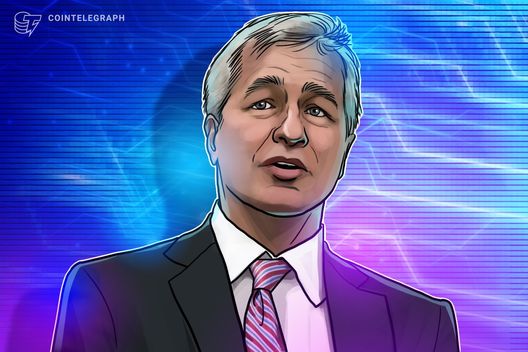
‘Grow up… We debank Democrats, we debank Republicans:’ JPMorgan CEO
It was only last month when Jack Mallers, CEO of Bitcoin payments company Strike, accused JPMorgan of closing his personal accounts without explanation. 🔗 Source 💡 DMK Insight Jack Mallers’ recent accusations against JPMorgan highlight a growing tension between traditional banking and the crypto sector. This incident isn’t just a personal grievance; it reflects broader concerns about how financial institutions are handling crypto-related accounts. With regulatory scrutiny increasing, banks are becoming more cautious, which could lead to more account closures for crypto users. Traders should be aware that this could create volatility in crypto markets as users seek alternatives or react to perceived risks in traditional banking. Additionally, this situation could push more users towards decentralized finance (DeFi) platforms, potentially increasing liquidity and trading volume in those markets. If this trend continues, we might see a shift in how retail investors engage with crypto, especially if they feel their access to traditional banking is threatened. Watch for any further developments from JPMorgan or other banks regarding their policies on crypto accounts, as this could signal larger market shifts. Keep an eye on Bitcoin’s price action in the coming weeks; if it starts to show increased volatility, it may be a reaction to these banking tensions. Also, monitor any regulatory updates that could impact how banks handle crypto transactions. 📮 Takeaway Watch for Bitcoin’s price action over the next few weeks; increased volatility could signal reactions to banking tensions and regulatory changes.

Ethereum’s first ZK-rollup, ZKsync Lite, to be retired in 2026
ZKsync says the first Ethereum zero-knowledge rollup blockchain will have an “orderly sunset” next year, as it has served its purpose. 🔗 Source 💡 DMK Insight ZKsync’s announcement of an ‘orderly sunset’ for its zero-knowledge rollup is a big deal for Ethereum traders. This move signals a shift in the scalability narrative for Ethereum, especially as ETH hovers around $3,107.93. Traders should consider how this impacts the broader ecosystem, particularly with Layer 2 solutions. If ZKsync is stepping back, it could open the door for other scaling solutions to gain traction, potentially affecting gas fees and transaction speeds. Watch for how this might influence ETH’s price action in the coming weeks, especially if other rollups or Layer 2s step up to fill the gap. On the flip side, this could also raise questions about the long-term viability of rollups in general. If ZKsync’s exit leads to a drop in confidence, we might see increased volatility in ETH and related assets. Keep an eye on the $3,000 support level; a breach could trigger further selling pressure. Overall, this is a pivotal moment for Ethereum’s scaling strategy, and traders should monitor related developments closely. 📮 Takeaway Watch ETH closely around the $3,000 level; ZKsync’s exit could trigger volatility and impact other Layer 2 solutions.

The future of secure messaging: Why decentralization matters more than ever
Decentralized messengers shift security beyond encryption by reducing metadata, limiting data requests and preparing for post-quantum threats. 🔗 Source 💡 DMK Insight With ADA at $0.43, the shift towards decentralized messengers is a game changer for privacy-focused traders. This development matters because it signals a growing demand for secure communication methods, which could drive interest in blockchain projects like Cardano. As decentralized platforms gain traction, they may attract institutional investment, further boosting ADA’s value. Traders should keep an eye on how this trend correlates with ADA’s price movements, especially if it breaks above resistance levels around $0.45. But there’s a flip side: while the focus on security is crucial, it could lead to regulatory scrutiny. If governments react by tightening regulations on decentralized platforms, it might create volatility in ADA and similar assets. Watch for any news that could impact sentiment, particularly around privacy regulations or technological advancements in quantum computing that could affect blockchain security. 📮 Takeaway Monitor ADA closely; a break above $0.45 could signal bullish momentum, but stay alert for regulatory news that might impact decentralized platforms.

Binance secures ADGM licenses to operate international platform
Binance’s international operations and liquidity will now be supervised end-to-end by the Financial Services Regulatory Authority in the financial free zone in Abu Dhabi. 🔗 Source 💡 DMK Insight Binance’s new oversight in Abu Dhabi could shake up liquidity dynamics in crypto markets. With the Financial Services Regulatory Authority now supervising Binance’s operations, traders should be on alert for potential shifts in liquidity and trading volumes. This regulatory move may lead to increased transparency, but it could also introduce volatility as traders react to compliance measures. If Binance’s liquidity is affected, we might see ripple effects across major pairs, especially those heavily traded on their platform. Keep an eye on how this impacts trading strategies, particularly for day traders who thrive on high liquidity. On the flip side, while some might view this as a tightening of the reins, it could also attract institutional players looking for a more regulated environment. Watch for any announcements regarding changes in trading fees or operational hours, as these could influence trading behavior significantly. The next few weeks will be crucial as the market digests this news and adjusts accordingly. 📮 Takeaway Monitor Binance’s liquidity changes closely; any significant drop could impact major crypto pairs and trading strategies in the coming weeks.

US Treasurys lead tokenization wave as CoinShares predicts 2026 growth
CoinShares said tokenized RWAs jumped 229% in 2025, led by US Treasurys, and it expects dollar-yield demand to keep driving onchain growth into 2026. 🔗 Source 💡 DMK Insight Tokenized real-world assets (RWAs) are surging, and here’s why that matters for traders: A 229% jump in tokenized RWAs, particularly driven by US Treasurys, signals a growing appetite for dollar-yielding assets on-chain. This trend could reshape liquidity dynamics in crypto markets, especially as institutional interest ramps up. Traders should keep an eye on how this influx of capital affects major cryptocurrencies, particularly those tied to DeFi protocols that leverage RWAs. If demand continues into 2026, we might see a shift in market sentiment, potentially pushing Bitcoin and Ethereum higher as they become more intertwined with traditional finance. However, it’s worth questioning whether this growth is sustainable or if it’s a bubble waiting to burst. The reliance on US Treasurys could expose the market to interest rate fluctuations, which might lead to volatility in the crypto space. Watch for key levels in Bitcoin around recent highs; a breakout could signal further bullish momentum. Keep an eye on the broader economic indicators as well, especially any shifts in monetary policy that could impact dollar yields and, consequently, the RWA market. 📮 Takeaway Monitor Bitcoin’s resistance levels closely; a breakout could signal further bullish momentum as RWA demand grows.