
 Bitcoin
  Ethereum
  Tether
  BNB
BNB  XRP
XRP  USDC
USDC  Solana
  TRON
TRON  Lido Staked Ether
  Figure Heloc
Prior 90French consumer sentiment eases marginally in November, keeping well below the long-term average of 100 still. Of note, there were slight declines in the expected financial situation (-12 from -11 previously) as well as unemployment prospects (47 from 48 previously). The trend graph can be found below. This article was written by Justin Low at investinglive.com. 🔗 Source 💡 DMK Insight French consumer sentiment dipping further below the long-term average signals potential economic headwinds ahead. With the expected financial situation dropping to -12 and unemployment prospects also declining, traders should be cautious. This sentiment can influence spending behavior, which in turn affects sectors like retail and services. If this trend continues, we might see a ripple effect on the Euro, particularly if the ECB’s monetary policy doesn’t adapt to these changing consumer attitudes. Watch for any significant shifts in economic indicators or ECB statements that could impact the Euro’s strength against major currencies. Keep an eye on the 1.05 level for EUR/USD; a break below could signal further bearish sentiment in the Eurozone economy. 📮 Takeaway Monitor the EUR/USD around the 1.05 level as declining consumer sentiment may lead to bearish pressure on the Euro.

easyMarkets Announces Leadership Transition as Koula Lamprou Appointed CEO
Limassol, Cyprus – November 2025, easyMarkets, a leading CFD broker, today announces a significant leadership transition as it appoints a new CEO to drive the company’s next era of growth, innovation and global expansion.After more than a decade of visionary leadership, Nikos Antoniades will step down from his role as Chief Executive Officer. Having joined the company in 2007 and assuming the CEO position in 2014, Nikos has been instrumental in transforming easyMarkets into a trusted name in global trading. He has led the company through major regulatory milestones, platform advancements, and consistent expansion. Succeeding him as CEO is Koula Lamprou, who brings over 16 years of experience at easyMarkets across senior financial and operational roles. With a proven track record in strategic growth and financial leadership, Koula brings deep institutional knowledge and a modern leadership style defined by collaboration, clarity, and accountability. Her appointment reinforces easyMarkets commitment to innovation, transparency, and long-term client success.In another key appointment, Garen Meserlian has been appointed Chief Operating Officer. Garen’s expertise in brand strategy, consumer behaviour, and digital transformation has already reshaped the company’s marketing and digital approach. As COO, he will now play a broader role in aligning business operations with easyMarkets strategic vision and client-first mission.“These changes reflect the strength of our leadership and the company’s commitment to continuous evolution,” said Nikos Antoniades. “I am proud of what we have accomplished so far and confident that under Koula’s and Garen’s leadership, easyMarkets will achieve even greater success.”“I’m honoured to step into the role of CEO,” said Koula Lamprou. “With the strong groundwork already in place, we are ready to elevate our vision, staying true to our values of innovation, transparency and a relentless commitment of empowering traders globally.”easyMarkets extends its heartfelt thanks to Nikos for his exceptional leadership, vision and dedication. His legacy remains embedded in the foundation of the company’s culture and its continued growth.For more information on easyMarkets, please contact Georgia Kyriakou, Digital PR Manager, Email: support@easy-markets.com, Tel: 25 828899 ABOUT easyMarkets easyMarkets, founded in 2001, is an award-winning global broker. One of the first to offer an online experience with innovative risk management tools, including Guaranteed Stop Loss with No Slippage* and easyTrade. easyMarkets provides its sizeable clientele with a streamlined, accessible, and flexible trading experience. Offering over 275 tradeable instruments, tight fixed spreads, and 24/5 dedicated support to traders around the world, easyMarkets continues to revolutionize the trading sector by providing unparalleled security and safeguards for client funds and consistently prioritizing client commitment and satisfaction. *Guaranteed Stop Loss with no Slippage is only available on easyMarkets web & app trading platform. Activate with wider spread for total risk control. This article was written by IL Contributors at investinglive.com. 🔗 Source 💡 DMK Insight So easyMarkets just appointed a new CEO, and here’s why that matters for traders: leadership changes can shake up company strategies and market perceptions. With SOL currently at $136.20, this transition could influence trading volumes and investor sentiment around the platform, especially if the new CEO brings fresh ideas or shifts in focus. Traders should keep an eye on how this leadership change might impact easyMarkets’ offerings, particularly in the CFD space, where competition is fierce and innovation is key. But it’s not just about easyMarkets; this could have ripple effects across the broader CFD market. If the new CEO prioritizes innovation, we might see a surge in trading activity as new products or features are introduced. This could lead to increased volatility in related assets, including cryptocurrencies like SOL, as traders react to changes in trading conditions. Watch for any announcements or strategic shifts in the coming weeks, as these could provide actionable insights into market movements. Keep an eye on SOL’s price action around key support and resistance levels, and monitor easyMarkets’ trading volumes for signs of increased activity post-announcement. 📮 Takeaway Watch for easyMarkets’ strategic shifts under new leadership and how they could impact SOL’s trading volumes and volatility in the coming weeks.
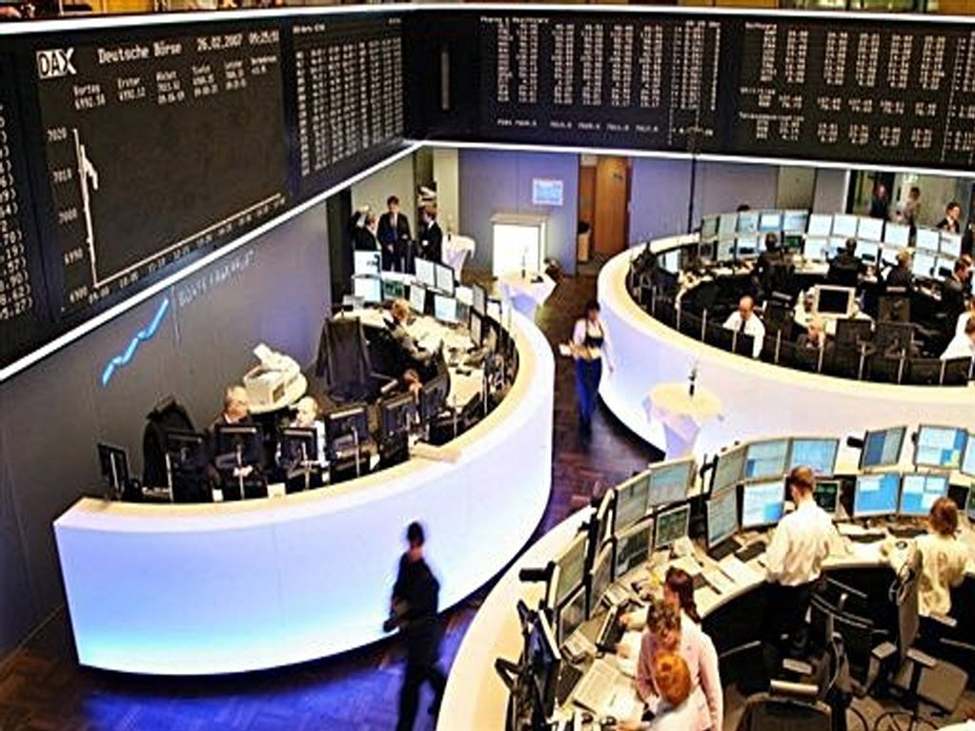
European indices open little changed to start the day
Eurostoxx +0.1%Germany DAX flatFrance CAC 40 +0.2%UK FTSE +0.2%Spain IBEX flatItaly FTSE MIB flatThe changes are light as market players don’t have all too much to work with to start the week. The risk rebound extended yesterday in Wall Street but owed much to tech shares. But for today, the mood music is more flattish as seen in US futures so that’s not helping as we get things going in Europe. We might have to wait until some US data later in the day but even so, those will be delayed numbers for September. This article was written by Justin Low at investinglive.com. 🔗 Source

Oil Technincal Analysis with tradeCompass
Light Crude Oil Futures Analysis with tradeCompass for Today and This Week (25 November 2025)Recent Oil Market DriversCrude oil remains under pressure as fresh geopolitical and supply news adds to an already heavy macro backdrop. Russia and China signaled interest in expanding oil exports despite ongoing US sanctions that are squeezing several major producers. At the same time, Canada appears close to approving a key heavy-oil pipeline connecting Alberta to the British Columbia coast, a development that may boost longer-term supply capacity. On the technical front, crude recently settled at 58.84 and briefly tested the 100 hour moving average during a rebound attempt, but that bounce failed to convert into sustained strength.These news items reinforce an environment where supply remains steady to rising, placing more weight on downside scenarios unless clear bullish triggers emerge.Crude Oil Market Snapshot (prices are for futures, ticker CL1!)Price at time of analysis: 58.62 Month to date: minus 5% Three months: minus 7.34% Year to date: minus 18% This week: minus 1.76% Since yesterday’s close: minus 0.37%Crude remains a structurally weak asset this quarter. The significant support low at 55.96, in place since 20 October, still holds for now. The broader April to September base around 55.12 also remains intact, but sellers are showing persistence and nothing rules out a break below these levels if momentum intensifies.tradeCompass Thresholds for Today’s Oil TradersBearish below 58.65. Bullish above 58.80.Current price sits just below the bearish threshold, which technically activates the short side. Conservative traders may wait for a clearer dwell below 58.65, but strictly speaking, the bearish plan is live. The bullish side only activates if crude climbs above 58.80 with follow through.Bearish Trade Plan for Oil Today(Active while price stays under 58.65)Below are the bearish partial profit targets, each with a distinct technical justification.58.53 Tactical liquidity pocket that often gets cleared early in a downside extension. Useful for quick risk reduction, not for moving stops.58.42 Just beneath the session low and aligned with the second lower VWAP deviation. tradeCompass traders typically move the stop to entry once this target is hit.58.28 Located well above yesterday’s VWAP but intersects a notable liquidity pool from the previous session. Clean place for another scale out.58.02 Sits just above yesterday’s value area low, often a level where responsive buyers appear briefly. Logical ladder exit.57.52 In line with the low from two days ago. If reached, market sentiment is likely deteriorating again.If crude breaks below 57.40, swing traders can begin monitoring 55.00 as the next medium term bearish objective.Bullish Trade Plan for Oil Today(Only active if price climbs and holds above 58.80)59.02 First upside magnet and early liquidity pocket.59.32 Aligned with the VWAP from 19 November. Often acts as a pull target during intraday rebounds.59.61 Upper liquidity zone that tends to attract price during stronger intraday pushes.59.98 A round number magnet and another key 19 November reference level.For swing traders, a sustained break above 60.10 opens the door toward 61.47 as the next medium-term target.Crude Oil Market Context for This WeekCrude has traded in a clear range between 57.5 and 60 for more than three days. There is no technical evidence yet of a breakout either way. Until one of the outer bands is convincingly breached, markets should expect rotational behavior. tradeCompass thresholds help position for that rotation while still keeping traders prepared for a breakout when it finally comes.Educational InsightToday’s plan makes heavy use of VWAP standard deviations. These bands expand and contract throughout the session based on real trading activity. When price pushes into a lower deviation band during a downtrend, it often signals either exhaustion or the next acceleration. This is why several partial profit levels align with deviation boundaries. They serve as both magnets and potential turning points.Trade Management GuidanceUse one trade per direction as defined by tradeCompass. Move your stop to entry after hitting the second target. Do not place your stop beyond the opposite threshold since crossing that level invalidates the idea.A central principle in the tradeCompass methodology is that the difference between a winning trade and an unprofitable one often comes down to disciplined partial profit taking and the timely move of the stop to the entry. This is true for intraday traders using tight tradeCompass targets and it is equally true for swing traders following our buyTheDip ideas on the InvestingLive StocksTelegram channel. The core idea is simple. Once the market gives you a measurable reward, you must protect it. In intraday tradeCompass plans we move the stop only after the second partial target because the distance between targets is smaller and we do not want normal intraday noise to stop us out prematurely. But in longer horizon buyTheDip trades, where targets are wider and swings more pronounced, we move the stop immediately after the first target fills. This keeps you in the game for the larger upside while removing the possibility of a significant drawdown.The recent Bitcoin example made this principle very clear. After the first dip was bought, Bitcoin rallied apx. 3% and hit our first target. We took partial profits and moved the stop to entry as instructed. When Bitcoin later reversed again before finding its current bullish trend, we were protected. The initial scale out secured gains and the stop at entry ensured that the remainder of the position could not turn into a loss. Without this defensive management, that early profit would have turned into frustration and possibly real damage to the trading account. This is why tradeCompass repeatedly emphasizes that partial profit taking is not optional and stop movement is not cosmetic. They are the cornerstone of consistent risk management and the reason traders can stay active without being washed out by normal volatility.Final Note for investingLive.com usersThis is decision-support content, not investment advice. Markets can move quickly and traders should always manage position size and risk carefully. Visit investingLive.com for additional views. This article was written by Itai Levitan at investinglive.com. 🔗 Source 💡 DMK Insight Crude oil’s under pressure, and here’s why that matters: geopolitical

USDJPY Technical Analysis: The greenback stalls as December rate cut odds increase
Fundamental OverviewThe USD regained some ground in the past days but the momentum stalled as December rate cut odds jumped following Fed’s Williams dovish comments. As of now, the December rate cut odds stand around 70% but we won’t get much data before the FOMC meeting, so the focus will likely be mainly on jobless claims and ADP data. Weak data should keep weighing on the greenback, while strong data could provide some short-term support. On the JPY side, nothing has changed. The currency has been weakening since the last BoJ policy decision where the central bank left interest rates unchanged as expected with again two dissenters voting for a hike. There were no surprises but Governor Ueda focusing on spring wage negotiations suggested that the next hike could be delayed to January or even March 2026. The probabilities for a December hike rose a little to 30% recently as speculation of a possible hike due to the fast yen depreciation strengthened. USDJPY Technical Analysis – Daily TimeframeOn the daily chart, we can see that USDJPY continues to pull back from the highs after a strong rally where we almost reached the 158.00 handle. We can see that we have an upward trendline defining the bullish momentum. The buyers will likely lean on the trendline with a defined risk below it to position for a rally into the 160.00 handle. The sellers, on the other hand, will look for a break lower to extend the pullback into the 154.00 level.USDJPY Technical Analysis – 4 hour TimeframeOn the 4 hour chart, there’s not much else we can add here as the buyers will have a better risk to reward setup around the trendline, while the sellers will wait for a downside break to increase the bearish bets into new lows.USDJPY Technical Analysis – 1 hour TimeframeOn the 1 hour chart, we can see that we have a minor downward trendline defining the current bearish momentum. The sellers will likely continue to lean on the trendline to keep pushing into the major upward trendline, while the buyers will look for a break higher to increase the bullish bets into new highs. The red lines define the average daily range for today.Upcoming CatalystsToday we get the weekly ADP jobs data and the US Consumer Confidence report. We will also get the September US PPI and Retail Sales reports. Tomorrow, we get the most recent US Jobless Claims figures and the September Durable Goods Orders report. On Thursday, we have the US Thanksgiving holiday, while on Friday we conclude the week with the Tokyo CPI report. This article was written by Giuseppe Dellamotta at investinglive.com. 🔗 Source 💡 DMK Insight The USD’s recent stall amid rising December rate cut odds is a key signal for traders. With the odds now at 70%, traders need to reassess their positions, especially in USD pairs. The dovish tone from Fed’s Williams suggests a shift in monetary policy that could impact not just the USD but also equities and commodities. If the FOMC meeting confirms these cuts, we might see a significant depreciation of the dollar, which could boost gold and other safe havens. Watch for any economic data releases leading up to the meeting, as they could sway sentiment and volatility. A break below key support levels in the USD could trigger further selling, while a failure to cut rates might lead to a short squeeze in USD longs. Keep an eye on the 1.05 level in EUR/USD as a potential breakout point for bullish sentiment in the Eurozone. Traders should prepare for heightened volatility as we approach the FOMC meeting, with the potential for rapid shifts in market sentiment based on any new data. 📮 Takeaway Monitor the 1.05 level in EUR/USD and prepare for volatility as the FOMC meeting approaches, especially with a 70% chance of a December rate cut.

NZDUSD Technical Analysis: Last RBNZ rate cut could boost the NZD
Fundamental OverviewThe USD regained some ground in the past days but the momentum stalled as December rate cut odds jumped following Fed’s Williams dovish comments.As of now, the December rate cut odds stand around 70% but we won’t get much data before the FOMC meeting, so the focus will likely be mainly on jobless claims and ADP data. Weak data should keep weighing on the greenback, while strong data could provide some short-term support.On the NZD side, the RBNZ is expected to cut by 25 bps bringing the OCR to 2.25%. This will lower interest rates below the central bank’s estimated neutral range (2.5%-3.5%) and therefore is expected to be stimulative. The market is pricing good chances of another cut in 2026 but if the RBNZ signals the end of the easing cycle, it could be taken as more hawkish and therefore support the New Zealand dollar, especially considering how much it has weakened in the past months. NZDUSD Technical Analysis – Daily TimeframeOn the daily chart, we can see that the NZDUSD has been on a strong downtrend for a couple of months. We have a major trendline defining this downward momentum. If we get a pullback, we can expect the sellers to lean on the trendline with a defined risk above it to position for a drop into the April lows. The buyers, on the other hand, will want to see the price breaking higher to increase the bullish bets into the 0.5850 level next.NZDUSD Technical Analysis – 4 hour TimeframeOn the 4 hour chart, we can see that we have a key resistance around the 0.5635 level. If the price gets there, we can expect the sellers to step in with a defined risk above the resistance to position for a drop into new lows. The buyers, on the other hand, will look for a break higher to extend the rally into the trendline.NZDUSD Technical Analysis – 1 hour TimeframeOn the 1 hour chart, we can see that we have a minor upward trendline defining the recent pullback. We can expect the buyers to step in around the trendline to keep pushing into new highs, while the sellers will look for a break lower to increase the bearish bets into new lows. The red lines define the average daily range for today. Upcoming CatalystsToday we get the weekly ADP jobs data and the US Consumer Confidence report. We will also get the September US PPI and Retail Sales reports. Tomorrow, we have the RBNZ rate decision and will also get the most recent US Jobless Claims figures. On Thursday, we have the US Thanksgiving holiday which is likely to make the final part of the week more rangebound. This article was written by Giuseppe Dellamotta at investinglive.com. 🔗 Source 💡 DMK Insight The USD’s recent bounce is losing steam, and here’s why that’s crucial: With December rate cut odds now at 70%, traders should be cautious. The Fed’s Williams has set a dovish tone, suggesting that any bullish momentum for the dollar could be short-lived. This dovish sentiment is likely to keep pressure on the USD, especially as we approach the FOMC meeting. If the Fed signals a more accommodative stance, we could see further declines in the dollar, impacting forex pairs like EUR/USD and GBP/USD. Traders should watch for key support levels on the USD index, particularly around recent lows, as breaking these could trigger a wave of selling. Conversely, if the dollar manages to hold above these levels, it might indicate a temporary consolidation before any potential moves. Keep an eye on economic data releases leading up to the FOMC; they could shift sentiment quickly. The real story is whether the market will react to the Fed’s guidance or if it will hold onto its current positions. In short, monitor the USD’s performance against major pairs and be prepared for volatility as we near the FOMC meeting. 📮 Takeaway Watch the USD closely; a break below recent support levels could signal a stronger trend towards the anticipated December rate cut.

Tickmill’s Brunno Huertas to join Finance Magnates London panel on regional growth drivers
Tickmill’s newly appointed Regional Manager for Latin America (LATAM), Brunno Huertas, will be a guest speaker at Finance Magnates London Summit, on November 26 (FMLS:25). Huertas has overseen Tickmill’s expansion strategy across Spanish- and Portuguese-speaking markets. With over 15 years of experience in Forex and derivatives, he has localised expertise developing strong client relationships and Introducing Broker (IB) networks throughout Latin America. At FMLS:25, Huertas will join the panel discussion ‘Educators, IBs and Regional Growth Drivers’, providing insights into building long-term, resilient relationships based on trust and transparency. He will also share learnings from Tickmill’s expansion and strategic efforts in Latin America. Bruno Huertas, Regional Manager (LATAM), commented:“Latin America is a market with unique challenges and enormous potential. Building success here requires strong IB networks, genuine relationships with clients, and a trusted brand presence. Education supports these efforts, but partnerships and client engagement remain the true growth drivers.” Tickmill’s LATAM expansionTickmill is building greater awareness in Latin America and has recently strengthened its footprint with a growing client base. Huertas played a key role in driving visibility and trust, particularly through partnerships and IB relationships, before stepping into his broader role overseeing all activity in the region this year. LATAM remains a strategic focus for the group, with Huertas leading efforts to scale presence in markets including Argentina, Mexico, Colombia, and ChileThe Finance Magnates London Summit 2025 will bring together senior executives, brokers, fintech leaders, and educators to discuss market trends, technology, regulation, and regional growth opportunities. Participation in FMLS:25 reinforces Tickmill’s commitment to knowledge sharing and fostering dialogue on the future of trading industry.About Brunno HuertasHuertas, with more than 15 years in the global brokerage sector, holds an MBA in Banking and Financial Institutions from FGV-SP. He brings deep expertise in client engagement, community building, and business growth, having supported several international brokers. At Tickmill, he successfully expanded operations in the Portuguese-speaking market and now oversees the company’s strategic development across Latin America. About TickmillTickmill has established itself as a leading provider of online trading services on a global scale since its inception in 2014. With regulation from leading regulatory authorities, including the Financial Conduct Authority (FCA), the Cyprus Securities and Exchange Commission (CySEC), the Financial Services Authority (FSA) in Seychelles, and recognition from the Dubai Financial Services Authority (DFSA) as a Representative Office, Tickmill prioritises the safety of client funds while upholding the highest standards of transparency and integrity. Composed of seasoned traders with decades of collective experience dating back to the 1980s, the Tickmill team brings a wealth of expertise to the table, having navigated various major financial markets from Asia to North America. For more information about Tickmill and its services, visit www.tickmill.com. This article was written by IL Contributors at investinglive.com. 🔗 Source 💡 DMK Insight Tickmill’s LATAM expansion under Brunno Huertas could signal new trading opportunities for Forex investors. With Huertas’ extensive experience in Forex and derivatives, his insights at the Finance Magnates London Summit on November 26 could provide valuable market intelligence. Traders should pay attention to how Tickmill’s strategies might influence liquidity and volatility in the LATAM markets, especially in currencies like the Brazilian Real and Mexican Peso. If Huertas outlines aggressive growth plans or innovative trading products, it could attract institutional interest, potentially impacting Forex pairs tied to these currencies. Keep an eye on market reactions post-summit, particularly on any shifts in trading volumes or price movements in LATAM currencies, as these could signal broader trends in Forex trading strategies. Also, watch for any partnerships or collaborations Tickmill might announce, as these could further enhance their market position in the region. 📮 Takeaway Monitor the outcomes of the Finance Magnates London Summit on November 26 for potential shifts in LATAM Forex trading dynamics, especially in the Brazilian Real and Mexican Peso.
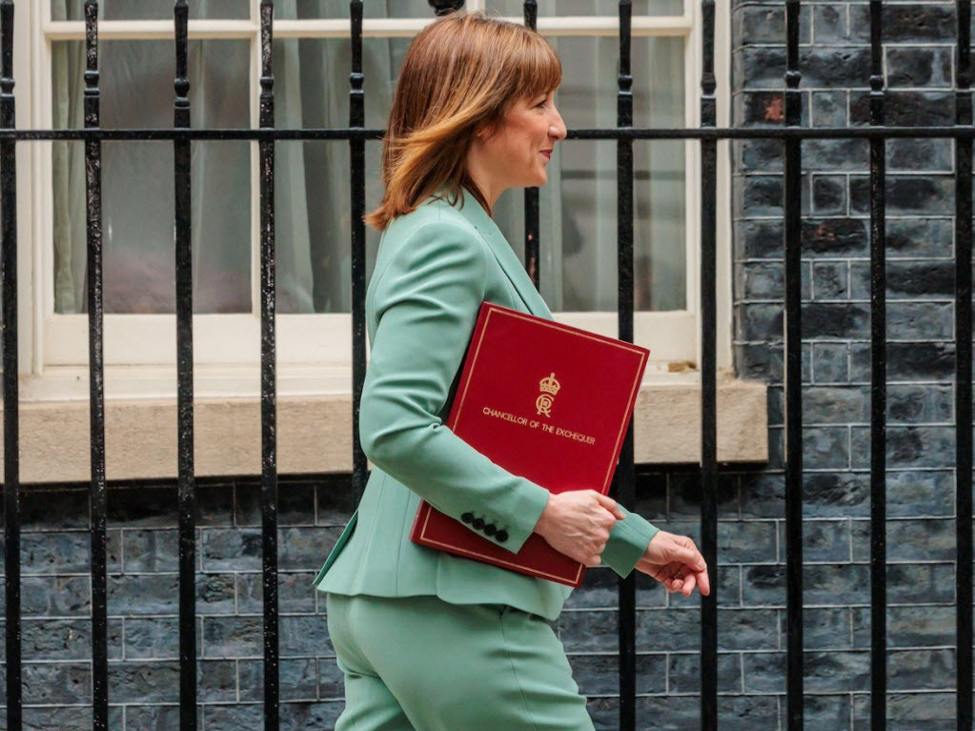
Heads up: UK Autumn Budget will be in focus tomorrow
The Budget statement typically begins around 1230 GMT, following the end of PMQs. There will be a lot of moving parts to scrutinise but the key narrative is that UK Chancellor Reeves has a very, very tough balancing act to manage. Not only does she need to plug the £20 billion hole in public finances, she needs to reaffirm investors of her fiscal responsibility while having to keep Labour’s pledge on not raising taxes on the working class as well as keeping government spending under control. And all this while already coming under intense political pressure and scrutiny over the last few months.For some context, public sector net debt in the UK now sits at 95.3% of GDP as of September – the highest in over six decades. Meanwhile, government borrowing ballooned up to £20.2 billion and that brings total borrowing in the first six months of the financial year to £99.8 billion. That is some £7.2 billion more than what the OBR had forecasted and is the second-highest total for the period since monthly records began in 1993, only seen behind that of 2020.Given Labour’s manifesto commitment of not wanting to raise income taxes, Reeves will be limited in her scope to try and cover the gap. She might go down the route of introducing a “stealth income tax” i.e. freezing thresholds for a certain period of time, but that will still be rather unpopular I would presume. So, there’s definitely political risk/uncertainty in choosing this route.As such, the only tax hikes we might see are ones on businesses, investments, and assets. However, that will likely draw flak from financial circles and weigh on the UK business/investment outlook. That’s a net negative as well but less politically harmful to herself and Starmer.And come what may at the end of the day, it’s all about whether investors and traders deem her measures to be enough to get UK public finances back on track. If not, the bond vigilantes are going to have another field day and rising gilt yields will again be a concern not just to confidence in the UK economy but the currency as well.I dived a bit into that earlier in the day here.At the same time, the perception of tighter fiscal policy i.e. tax hikes could also pressure the BOE into cutting rates at a quicker pace. So, there’s that to consider and balance out in the medium-term.All in all, there’s going to be plenty of moving parts here and we can only digest and make sense of it all after the fact. So, keep your eyes and ears peeled for the main event tomorrow. This article was written by Justin Low at investinglive.com. 🔗 Source 💡 DMK Insight The upcoming UK Budget statement is crucial for traders, especially given the Chancellor’s challenge to address a £20 billion deficit. Market participants should pay close attention to how fiscal policies might impact the GBP and broader UK assets. A failure to deliver a credible plan could lead to increased volatility in the forex markets, particularly for GBP/USD. Traders should also consider the potential ripple effects on UK equities and bonds, as investor sentiment could shift dramatically based on the Budget’s reception. If the Chancellor manages to present a balanced approach, we might see a temporary rally in GBP, but any signs of austerity could lead to bearish sentiment. Keep an eye on key levels in GBP/USD, particularly around recent support and resistance zones, as these will be critical in determining market direction post-statement. 📮 Takeaway Watch for GBP/USD reaction post-Budget; a failure to address the £20 billion deficit could trigger volatility.

ECB's Makhlouf: Inflation is in good place, but risks remain
I’m a bit worried about services and food inflationMakhlouf has recently said that policy is in good place, which has been the core message from the central bank for months. They are not going to respond to small or short-term deviations from their 2% target. This article was written by Giuseppe Dellamotta at investinglive.com. 🔗 Source 💡 DMK Insight Inflation concerns are creeping back into the conversation, and here’s why that’s crucial for traders: the central bank’s insistence on sticking to its 2% target despite rising food and service costs could signal a tightening stance ahead. If inflation continues to rise, even slightly, it might force the central bank to reconsider its current policy, which could lead to interest rate hikes. Traders should keep an eye on economic indicators like the Consumer Price Index (CPI) and Producer Price Index (PPI) for any signs of acceleration in inflation. A sustained increase in these metrics could trigger volatility in both the forex and crypto markets, particularly affecting pairs like USD/EUR and BTC/USD. On the flip side, if the central bank remains steadfast, it could lead to a stronger dollar, impacting commodities and crypto negatively. Watch for key levels in the CPI report; a reading above the expected range could shift market sentiment quickly. The next CPI release is critical for gauging the market’s reaction and potential trading strategies. 📮 Takeaway Monitor the upcoming CPI release closely; a reading above expectations could signal a shift in central bank policy and trigger market volatility.
Bitcoin’s $1T Rout Exposes Fragile Market Structure, Deutsche Bank Says
The bitcoin price drop to $80,000 last week reflected a mix of macro pressure, fading regulatory momentum and thinning liquidity that has tested bitcoin’s maturity. 🔗 Source 💡 DMK Insight Bitcoin’s drop to $80,000 isn’t just a number—it’s a wake-up call for traders. The combination of macroeconomic pressures, like rising interest rates and inflation concerns, alongside waning regulatory support, is creating a perfect storm. This environment is thinning liquidity, making price swings more volatile and unpredictable. Traders need to be cautious, especially those relying on technical indicators that may not hold up in such conditions. Watch for support levels around $75,000; a break below could trigger further selling. On the flip side, this could also present a buying opportunity for those looking to accumulate at lower prices. If Bitcoin can hold above $80,000, it might attract buyers looking for a rebound. Keep an eye on market sentiment and any news that could shift the regulatory landscape, as that could impact liquidity and volatility significantly. 📮 Takeaway Monitor Bitcoin’s support at $75,000; a break below could lead to increased selling pressure, while holding above $80,000 may attract buyers.