
 Bitcoin
  Ethereum
  Tether
  BNB
BNB  XRP
XRP  USDC
USDC  Solana
  TRON
TRON  Lido Staked Ether
  Figure Heloc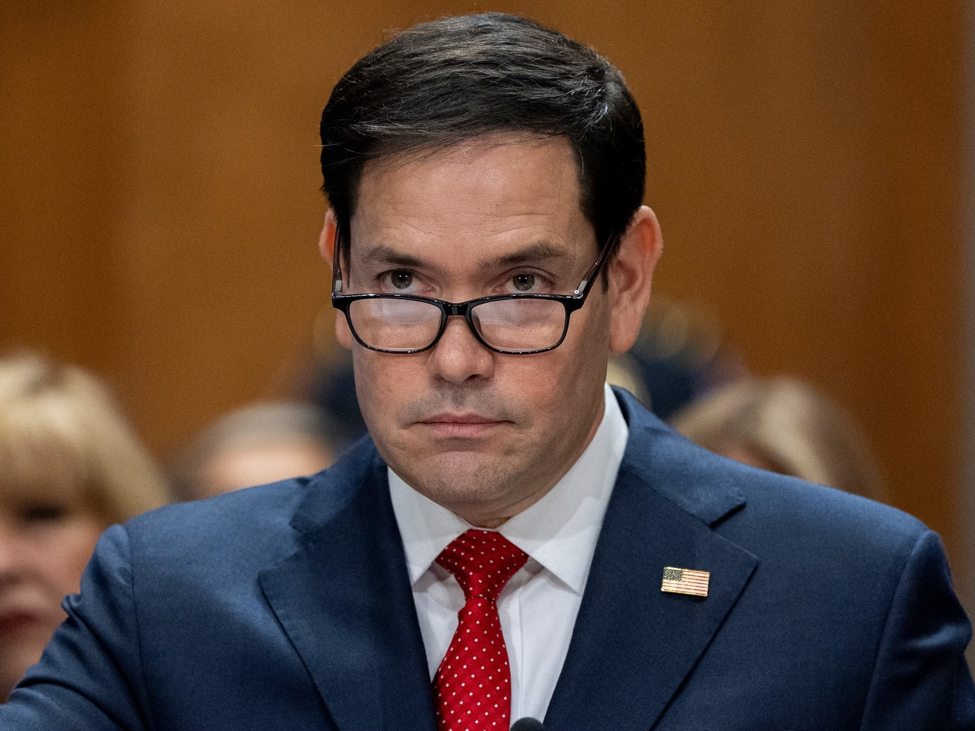
US Secretary Marco Rubio said negotiations aimed at securing a framework to end the war in Ukraine made their strongest advance yet, describing the latest round of talks as “the most productive day we have had” since diplomatic engagement began.Rubio said negotiators had “narrowed points in a very substantial way,” signalling that previously contentious issues are now closer to resolution. While stressing that work remains, he noted that the parties are “much further ahead today” compared with the start of discussions earlier in the morning.The secretary described the draft framework as a “living, breathing document,” with outstanding items that he characterised as challenging but “not insurmountable.” A durable settlement, he said, must ultimately include security guarantees that leave Ukraine confident it will “never be invaded or attacked again.”Rubio added that meaningful “sustainable progress” had been achieved and confirmed that talks would resume tomorrow. This article was written by Eamonn Sheridan at investinglive.com. 🔗 Source 💡 DMK Insight So, Rubio’s comments on Ukraine negotiations could shift market sentiment significantly. If these talks are indeed progressing, we might see a positive impact on risk assets, particularly in the energy sector. Traders should keep an eye on oil prices, which often react to geopolitical tensions. A resolution could lead to a drop in crude oil prices, currently hovering around key resistance levels. This could trigger a sell-off in energy stocks, while sectors like travel and consumer discretionary might see a boost. But here’s the flip side: if the talks stall or fall apart, expect volatility to spike, especially in commodities. Watch for any updates from the negotiations, as they could create trading opportunities in both directions. Keep an eye on the daily charts for oil and related equities to gauge market reactions closely. 📮 Takeaway Monitor oil prices closely; any breakthrough in Ukraine talks could lead to significant volatility in energy markets.
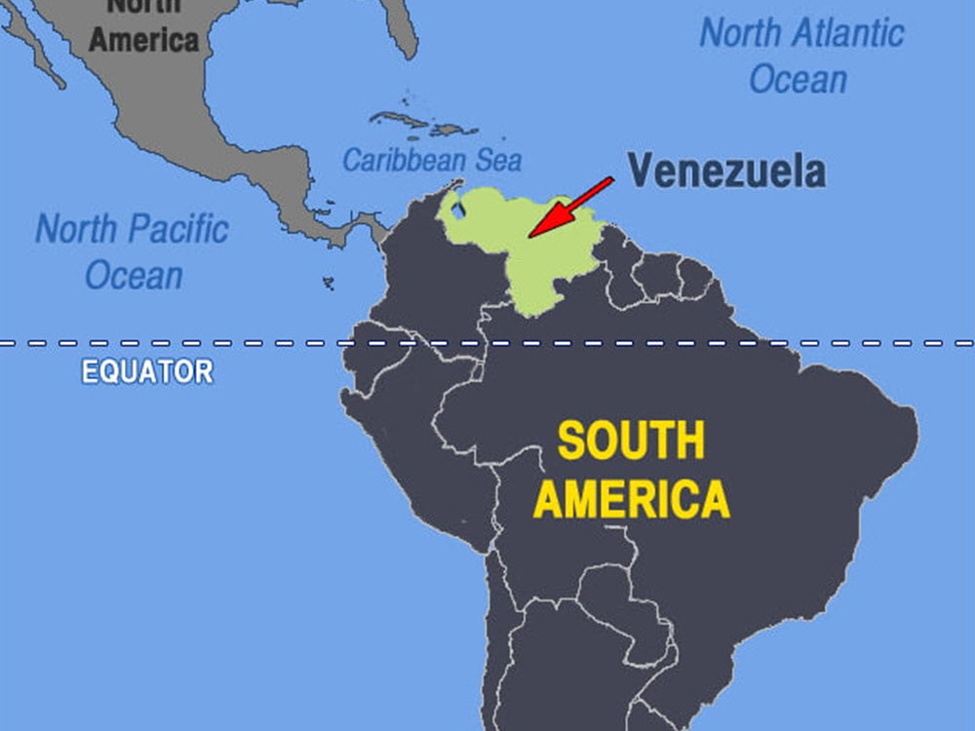
Multiple airlines have suspended flights to Venezuela citing rising tensions
Multiple airlines have suspended flights to Venezuela citing rising tensionsThe US has been, and is continuing, ramping up military presence and pressure in the region, leading to speculation of some sort or imminent action. This article was written by Eamonn Sheridan at investinglive.com. 🔗 Source 💡 DMK Insight Rising tensions in Venezuela are shaking up the travel sector, and here’s why that matters for traders: As airlines suspend flights, the geopolitical instability could ripple through oil markets, given Venezuela’s significant reserves. Increased military presence from the US raises the stakes, potentially leading to sanctions or disruptions in oil exports. Traders should keep an eye on crude oil prices, especially if tensions escalate further. Look for key resistance levels in oil around recent highs, as any military action could spike prices. But here’s the flip side: if the situation stabilizes unexpectedly, we might see a quick pullback in oil prices. So, it’s crucial to monitor not just the headlines but also the underlying market reactions. Watch for volatility in related assets, particularly energy stocks and ETFs that track oil prices. Immediate impacts could unfold in the coming days, so stay alert for any news that could shift market sentiment. 📮 Takeaway Keep an eye on crude oil prices and related stocks; any escalation in Venezuela could lead to significant price movements in the short term.
Economic calendar in Asia Monday, November 24, 2025 – quiet one, Japan is on holidays too
It’s a very sparse data calendar for the session here in APac on Monday, November 24, 2025. There is data from Singapore:October Core CPI, prior + 0.4% y/yHeadline CPI, prior 0.40% m/mHeadline CPI, prior + 0.7% y/yDue at 0500 GMT / 0000 US Eastern time This article was written by Eamonn Sheridan at investinglive.com. 🔗 Source 💡 DMK Insight With Singapore’s CPI data dropping today, traders need to pay attention to potential shifts in monetary policy. Core CPI at +0.4% y/y and headline CPI at +0.7% y/y indicate inflationary pressures are easing, which could influence the Monetary Authority of Singapore’s (MAS) stance on interest rates. If these figures lead to a dovish outlook, we might see the Singapore dollar weaken against major currencies, particularly the USD. This could also ripple through regional markets, affecting currencies like the Malaysian ringgit and Indonesian rupiah. Traders should monitor the USD/SGD pair closely, especially if it approaches key resistance levels. A break above those levels could signal further strength in the dollar, while a failure to hold could present a buying opportunity for SGD. Watch for any comments from MAS officials following the data release, as they might provide insight into future policy adjustments. 📮 Takeaway Keep an eye on USD/SGD; a break above recent resistance could signal further dollar strength as Singapore’s CPI data unfolds.
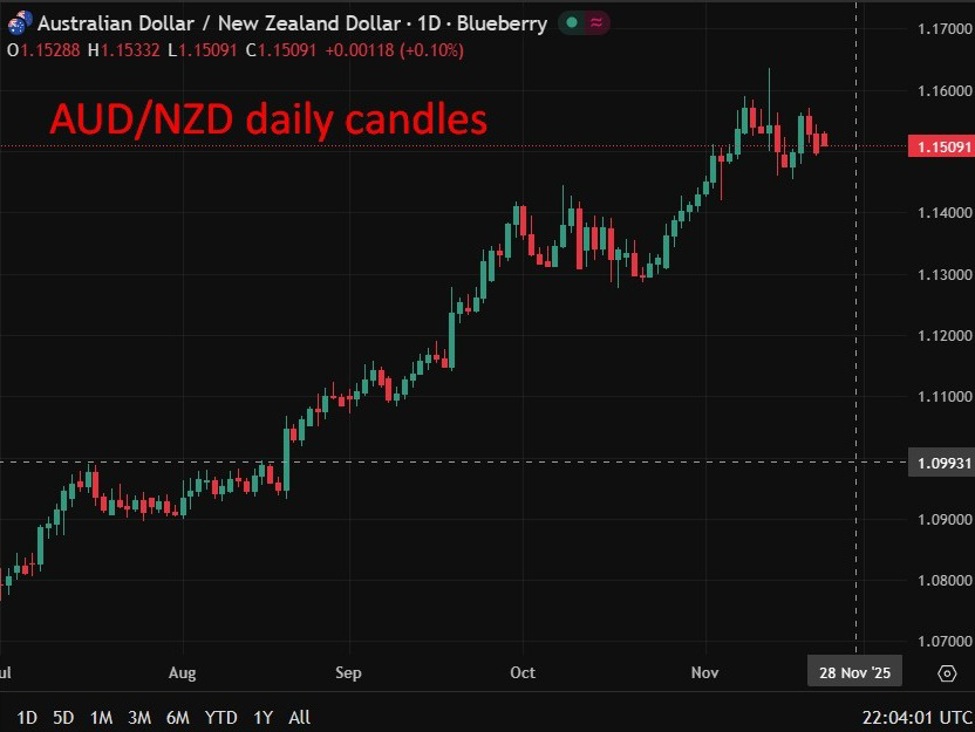
RBNZ rate cut expected this week, last one in the cycle? End of AUD/NZD bull run in sight
The Reserve Bank of New Zealand meet this week, Wednesday 26 November. Their decision is due at 2pm local time:0100 GMT2000 US Eastern time on Tuesday, November 25A press conference will follow an hour later. A 25bp rate cut is widely expectedto 2.25% (currently 2.5%)NAB and BNZ expect the decision will weigh on AUD/NZD as the cut from the RBNZ could well be its last. BNZ sees some scope for the yield gap between Australia and New Zealand to narrow going forward. should be supportive for NZD vs. AUDwon’t be a sharp rise for the kiwi as the yield gap is still not in its favourNAB expect the RBNZ rate cut to be the final in the cycle.NAB and BNZ analysis via Bloomberg. This article was written by Eamonn Sheridan at investinglive.com. 🔗 Source 💡 DMK Insight A potential 25bp rate cut from the Reserve Bank of New Zealand could shake up the NZD markets significantly. With the current rate at 2.5%, a reduction to 2.25% is expected, which could lead to increased volatility in the NZD/USD pair. Traders should keep an eye on how the market reacts post-announcement, especially during the press conference. If the cut is accompanied by dovish commentary, we might see the NZD weaken further, potentially testing support levels around 0.6000. Conversely, if the RBNZ surprises with a more hawkish stance or hints at future tightening, we could see a short squeeze in the NZD. This decision is crucial not just for the NZD but could also ripple through the AUD and other commodity currencies, given New Zealand’s economic ties. Watch for trading volume spikes around the announcement time, as market participants adjust their positions based on the RBNZ’s forward guidance. 📮 Takeaway Monitor the NZD/USD closely around the RBNZ’s rate decision on November 26; a cut could push it towards 0.6000 support.
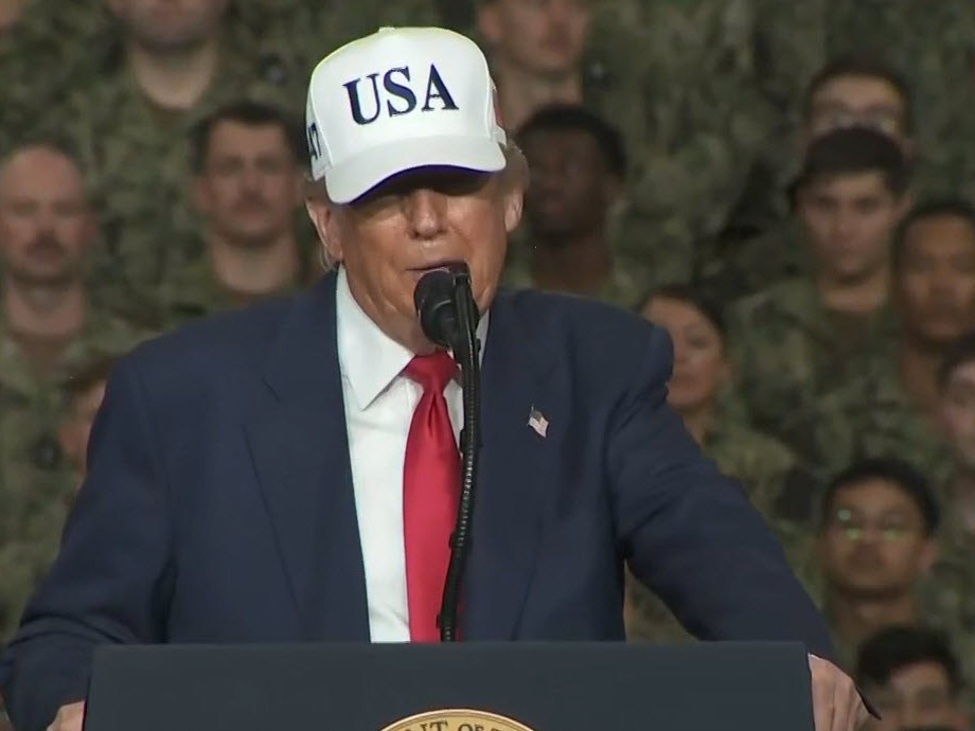
Trump to unveil plan urging Congress to halt ACA premium spikes
President Donald Trump is preparing to unveil a broad plan aimed at curbing rising health-care costs, with an announcement expected as early as Monday, according to senior White House officials.The initiative will call on Congress to deliver legislation that prevents sharp increases in Affordable Care Act premiums — an issue the administration views as politically and economically urgent ahead of the 2026 insurance cycle.The rollout is set to take place at the White House and will feature remarks from Trump and Dr Mehmet Oz, the new administrator of the Centers for Medicare and Medicaid Services.Info via CNBC, more here. —Efforts to stabilise ACA premiums could influence health-insurer sentiment and volatility in managed-care stocks, while signalling a broader policy push ahead of next year’s legislative calendar. This article was written by Eamonn Sheridan at investinglive.com. 🔗 Source 💡 DMK Insight Trump’s upcoming health-care plan could shake up markets, especially in sectors tied to healthcare and insurance. If Congress acts on his proposals, we might see volatility in healthcare stocks as investors react to potential changes in premium structures and regulations. This is particularly relevant for companies heavily invested in the Affordable Care Act framework, as any legislative shifts could impact their profitability and stock valuations. But here’s the kicker: while mainstream coverage will focus on immediate market reactions, savvy traders should also consider the longer-term implications. If healthcare costs stabilize, it could ease inflationary pressures, influencing broader market sentiment and potentially affecting interest rates. Keep an eye on key healthcare indices and specific stocks that are sensitive to policy changes. For instance, if major insurers like Anthem or UnitedHealth start to show signs of volatility, it could signal a broader trend worth trading on. Watch for the announcement on Monday and be ready to react to any legislative developments that follow. The immediate impact could create trading opportunities, especially if you’re positioned in healthcare or related sectors. 📮 Takeaway Monitor healthcare stocks closely after Trump’s announcement on Monday; any legislative changes could create significant trading opportunities.

Japan signals greater readiness for early yen intervention – may come before 160
A senior member of Japan’s government advisory panel spoke again on Sunday. He signalled that Tokyo is prepared to intervene more aggressively in the currency market to offset the economic strain caused by a weakening yen — a stance that aligns with Prime Minister Sanae Takaichi’s concerns about inflation.Takuji Aida, who also serves as chief economist at Crédit Agricole, said on NHK that the administration is likely to step up action in foreign-exchange markets and stressed that Japan has ample foreign-reserve capacity to do so. He described the nation’s economic position as stable enough to support intervention.Aida’s warnings build on comments he made last week, when he cautioned that FX intervention could come earlier than markets anticipate. The ¥160 per dollar level remains viewed as a symbolic threshold after authorities intervened several times in 2024, but Aida said policymakers may act sooner if volatility becomes disorderly. —As a side note, today could be a good day for some sort of intervention with Japanese markets closed. That’ll thin out trade somewhat. I think its more likely over the US holidays later this week, but we’ll soon find out! This article was written by Eamonn Sheridan at investinglive.com. 🔗 Source 💡 DMK Insight Japan’s potential intervention in the currency market is a big deal for traders right now. With the yen weakening, this signals a shift in monetary policy that could impact forex pairs significantly, especially USD/JPY. If Tokyo ramps up intervention, we might see volatility spike as traders react to any announcements or actions. Keep an eye on the 150 level for USD/JPY; a break above could trigger further selling pressure on the yen. This situation also has ripple effects on commodities priced in yen, like gold and oil, which could see price adjustments based on currency fluctuations. But here’s the flip side: if the intervention fails to stabilize the yen, we could see a loss of confidence in Japan’s economic management, leading to even more volatility. Watch for any comments from the Bank of Japan or economic data releases that might influence sentiment. The next few days are crucial, so stay alert for any signs of intervention or shifts in market sentiment. 📮 Takeaway Monitor USD/JPY closely; a break above 150 could signal increased volatility and potential intervention from Japan.

Boston Fed’s Collins undecided on next rate move, cites inflation risks
Boston Federal Reserve President Susan Collins signalled that she remains undecided about whether to support another rate cut at the Fed’s upcoming meeting.Speaking to reporters on Saturday at the Boston Fed’s annual economic conference, Collins said she never commits to a position before entering the policy meeting itself. Her remarks follow comments earlier in the week in which she expressed hesitation about easing further in December, citing still-elevated inflation and a policy stance she views as only “mildly restrictive.”Collins reiterated that rates are not tight enough to guarantee price stability and warned that upside risks to inflation persist. Keeping policy mildly restrictive, she said, remains important to ensure inflation continues to drift lower.Collins also highlighted concerns voiced by small businesses in her district, who are grappling with higher costs and uncertainty around monetary policy. She acknowledged the labour market has cooled, but said she is watching carefully for deeper signs of weakness — particularly rising unemployment among younger, college-educated workers, a development she said carries meaningful economic implications.While noting risks on both sides of the mandate, Collins said she would take further softening in employment “very seriously.” This article was written by Eamonn Sheridan at investinglive.com. 🔗 Source 💡 DMK Insight Fed officials are still on the fence about rate cuts, and here’s why that matters for crypto: With ETH currently at $2,771.69, uncertainty around interest rates can create volatility in the crypto markets. If the Fed decides to cut rates, it could lead to increased liquidity and risk appetite among investors, potentially boosting ETH and other altcoins. Conversely, maintaining rates could signal a more cautious approach, which might dampen bullish sentiment. Traders should keep an eye on the Fed’s upcoming meeting and any hints from other officials, as these can set the tone for market movements. Look for ETH to test key support around $2,700; a break below that could trigger further selling. On the flip side, if positive sentiment emerges from the Fed, ETH could rally towards resistance at $2,900. Pay attention to how institutional players react, as their movements often dictate market trends in the crypto space. The next few days could be pivotal, so stay alert for any Fed-related news. 📮 Takeaway Watch ETH closely around $2,700 for support; a break could lead to further downside, while positive Fed signals might push it towards $2,900.
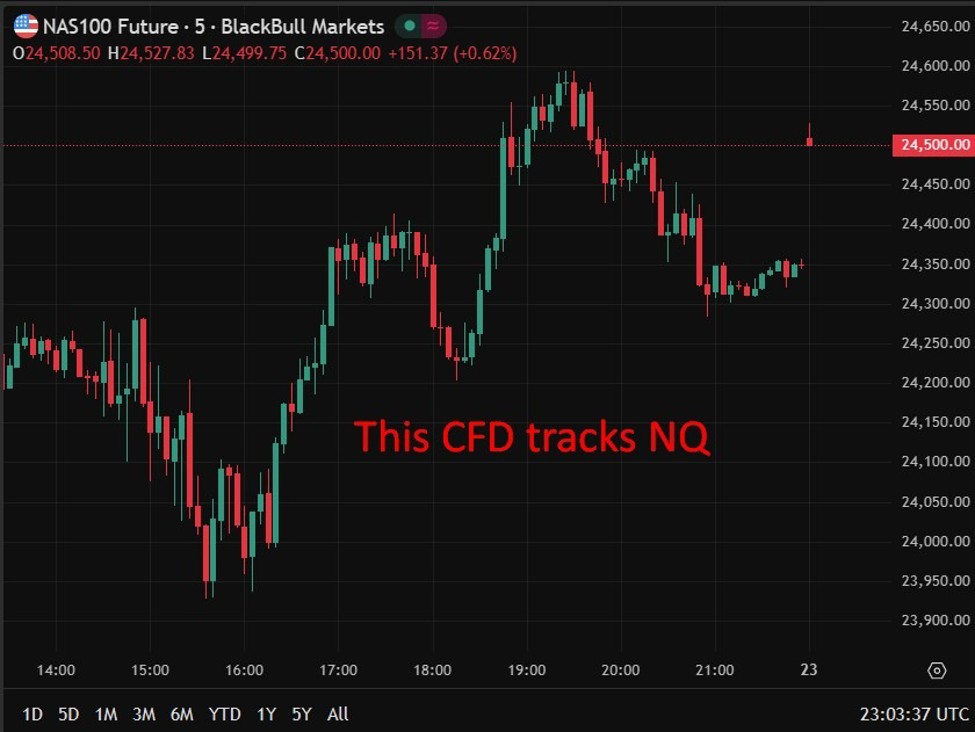
US markets (Globex) are open for the new week's trade, equity index futures gap higher
ES and NQ have gapped open higher on the Globex reopening.The panic selling of US stocks is over. For now at least. BTD normal service has resumed. This article was written by Eamonn Sheridan at investinglive.com. 🔗 Source 💡 DMK Insight The recent gap up in ES and NQ signals a temporary halt to panic selling, but traders need to stay cautious. While the ‘buy the dip’ mentality seems to be back, it’s crucial to monitor how long this rally lasts. The broader market context shows that volatility remains high, and any unexpected economic data could shift sentiment quickly. Watch for key resistance levels in the S&P 500 and Nasdaq, as a failure to hold these gains could trigger another wave of selling. Additionally, keep an eye on correlated assets like tech stocks and ETFs that might react to this bounce. If the market can maintain momentum through the week, it could set the stage for a more sustained recovery, but be prepared for potential pullbacks as well. 📮 Takeaway Watch for resistance levels in ES and NQ; a failure to hold gains could lead to renewed selling pressure.

Swiss inflation to rise slightly, zero-rate stance remains appropriate says SNB’s Schlegel
Swiss National Bank President Martin Schlegel spoke on Saturday. Schlegel signalled that Switzerland’s exceptionally low inflation is set to pick up modestly, even as overall price growth remains comfortably within the SNB’s definition of price stability.Noted that inflation currently sits at the bottom of the bank’s 0%–2% target range but is likely to “rise slightly” over the coming quarters. (While the CPI in Switzerland has hovered close to zero for much of the year, SNB projections show Bank officials expect inflation to average just 0.2% in 2025 before edging up to 0.5% in 2026 and 0.7% in 2027).Schlegel reiterated that returning to negative rates, used from 2015 to 2022, would require an exceptionally high bar. Current policy, he said, is expansionary and supportive of both inflation and economic activity.Schlegel also commented on the newly announced preliminary trade deal with the United States, which will significantly reduce tariffs on Swiss exports. But he warned that tariffs are only one contributor to the broader climate of uncertainty — a factor he called “poison for the economy.” —A mild upward drift in Swiss inflation suggests the SNB will hold rates at zero for longer rather than re-enter negative territory, keeping downward pressure on CHF funding costs while limiting safe-haven appreciation. This article was written by Eamonn Sheridan at investinglive.com. 🔗 Source
Goldman forecasts December Fed interest rate cut, then another in March, then June of 2026
Goldman Sachs expects the US Federal Reserve to deliver a third consecutive rate cut at its December meeting.GS see moderating inflation and cooling labour-market conditions as giving policymakers room to ease further.then anticipates two additional reductions in 2026, one in March and another in Juneto bring the federal funds rate down to a range of 3.00%–3.25%baseline view is that the Fed will feel increasingly confident that disinflation is durable and that policy no longer needs to remain meaningfully restrictiveAnalysts at the firm say that the Fed is likely to maintain a cautious tone in the near term, but the trajectory of core prices and wage growth suggests that the policy stance can shift gradually toward neutral next year.Goldman also noted that financial conditions have eased meaningfully since the Fed began cutting rates, helping to stabilise corporate borrowing costs and household credit flows. By mid-2026, the bank expects the Fed to have completed its first meaningful easing cycle since the pandemic-era adjustments, keeping rates comfortably below last year’s peak but still above the ultra-loose settings of the past decade. This article was written by Eamonn Sheridan at investinglive.com. 🔗 Source 💡 DMK Insight Goldman Sachs’ prediction of a third rate cut in December is a game changer for traders. With moderating inflation and a cooling labor market, the Fed might be setting the stage for a more accommodative monetary policy. This could lead to a weaker dollar, impacting forex pairs like EUR/USD and GBP/USD, which traders should watch closely. If the Fed cuts rates as expected, it could also boost equities and risk assets, creating a ripple effect across markets. Keep an eye on the 10-year Treasury yield; a decline could signal increased investor appetite for riskier assets. On the flip side, if inflation surprises to the upside, the Fed might hold off on cuts, leading to volatility. As we approach December, traders should monitor economic indicators like the CPI and employment reports for clues on the Fed’s direction. The key level to watch is the current federal funds rate; any deviation from Goldman’s forecast could lead to significant market reactions. 📮 Takeaway Watch for the December Fed meeting; a rate cut could weaken the dollar and boost risk assets, impacting forex and equities.