
 Bitcoin
  Ethereum
  Tether
  XRP
XRP  BNB
BNB  USDC
USDC  Solana
  TRON
TRON  Lido Staked Ether
  Figure Heloc
The European Union is weighing new ways to invest directly in Australia’s critical resources sector, with Trade Commissioner Maroš Šefčovič saying Brussels is exploring options ranging from equity stakes to long-term offtake agreements and joint investments.Šefčovič discussed the proposals with Australia’s resources minister during meetings this week, underscoring Europe’s push to secure stable supplies of key minerals needed for its clean-energy and industrial strategies. The comments come amid renewed momentum in efforts to revive the Australia–EU trade deal, which stalled last year.Šefčovič said he expects negotiations to resume with “another round of talks early next year,” signalling that both sides see strategic value in deepening cooperation across trade, energy security and critical minerals. —EU interest in structured investment and offtake could strengthen funding pipelines for Australian critical-minerals projects, supporting long-term supply security and adding upside for sector sentiment. This article was written by Eamonn Sheridan at investinglive.com. 🔗 Source 💡 DMK Insight Europe’s potential investment in Australia’s resources sector could shake up commodity markets. With the EU looking at equity stakes and long-term agreements, traders should watch for shifts in resource prices, particularly in metals and energy. This move signals a strategic pivot, as Europe seeks to secure critical materials amid global supply chain uncertainties. If these investments materialize, we could see increased demand for Australian commodities, impacting prices in the short to medium term. Keep an eye on key levels in related assets, like copper and lithium, which are crucial for green technologies. The real story is how this could influence global supply dynamics and pricing strategies, especially if Europe aims to reduce reliance on other regions. Watch for any announcements in the coming weeks that could provide clearer timelines or commitments from the EU, as these will likely trigger market reactions. 📮 Takeaway Monitor announcements from the EU regarding investments in Australia’s resources, as they could significantly impact commodity prices, especially in metals and energy sectors.
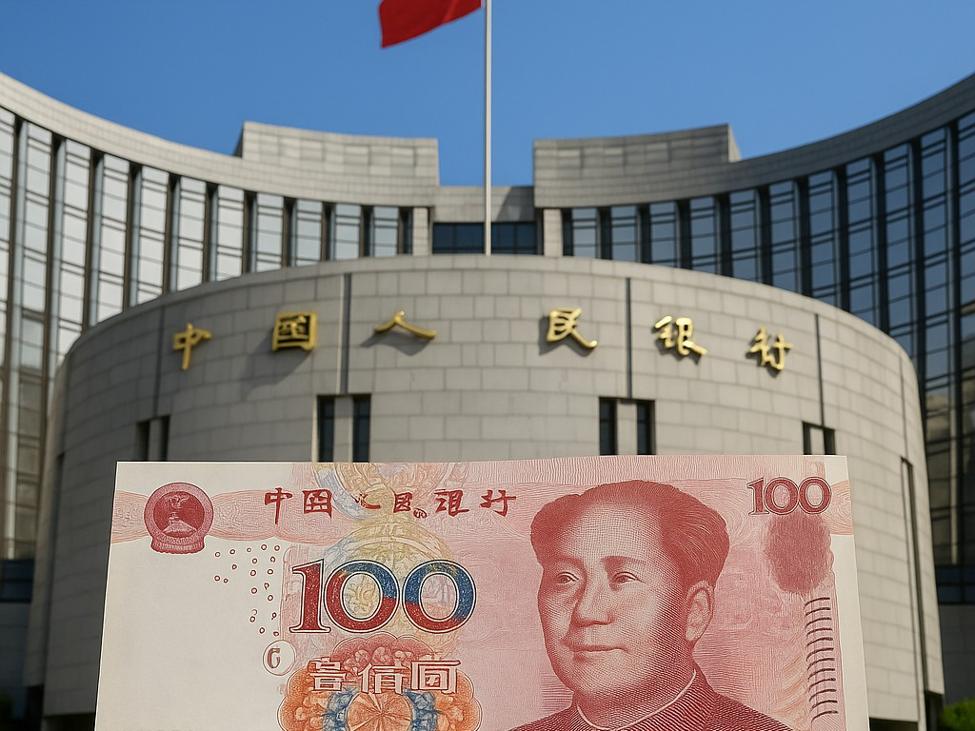
PBOC sets USD/ CNY reference rate for today at 7.0875 (vs. estimate at 7.1154)
The People’s Bank of China (PBOC), China’s central bank, is responsible for setting the daily midpoint of the yuan (also known as renminbi or RMB). The PBOC follows a managed floating exchange rate system that allows the value of the yuan to fluctuate within a certain range, called a “band,” around a central reference rate, or “midpoint.” It’s currently at +/- 2%.The previous close was 7.1180 PBOC injected 375bn yuan via 7-day reverse repos at an unchanged rate of 1.40% This article was written by Eamonn Sheridan at investinglive.com. 🔗 Source 💡 DMK Insight The PBOC’s control over the yuan’s midpoint is crucial for traders navigating currency volatility right now. With the yuan operating under a managed floating exchange rate, any adjustments by the PBOC can significantly impact forex pairs involving the RMB. Traders should be on high alert for any signals from the central bank, especially as global economic conditions fluctuate. If the PBOC tightens its band, it could lead to a stronger yuan, affecting export competitiveness and potentially impacting related markets like commodities and equities. Conversely, a wider band could signal a more aggressive depreciation, which might attract speculative trading. Look for key economic indicators from China, such as GDP growth and trade balances, as these will influence PBOC decisions. Monitoring the USD/CNY pair closely will be essential, especially if it approaches critical support or resistance levels. The next PBOC policy meeting could be a pivotal moment for traders, so keep an eye on that date and any related announcements. 📮 Takeaway Watch for PBOC announcements and monitor the USD/CNY pair closely; any changes could signal significant market shifts.
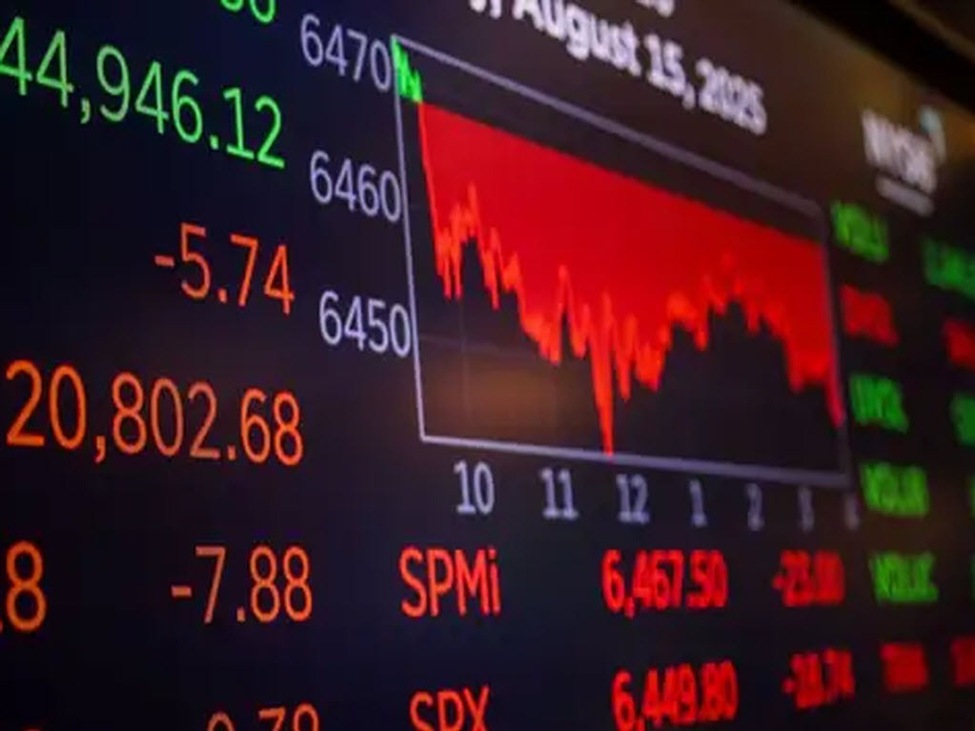
Equities here in APAC taking a hit, as you'd expect
Asian equity markets traded broadly lower, with China and Hong Kong leading declines. The Shanghai Composite fell 0.6%, while the Hang Seng dropped 1.8% alongside similar weakness in the Shenzhen Component (-1.8%) and ChiNext (-2.1%). Japan’s Nikkei 225 also slid 1.8%, mirroring the regional risk-off tone.U.S. futures were steadier, with S&P 500 (ES) and Nasdaq 100 (NQ) contracts up 0.4%, hinting at a firmer Wall Street open despite the soft Asia session. This article was written by Eamonn Sheridan at investinglive.com. 🔗 Source 💡 DMK Insight Asian equity markets are in a risk-off mood, and here’s why that matters for traders: The declines in China and Hong Kong, particularly with the Shanghai Composite down 0.6% and the Hang Seng dropping 1.8%, signal growing investor caution. This could be a reaction to ongoing economic concerns, including potential regulatory crackdowns and slowing growth in the region. The Nikkei 225’s similar 1.8% slide suggests that this sentiment isn’t isolated to China; it’s a broader regional trend that could spill over into global markets. Traders should be wary of how this risk-off sentiment might affect correlated assets like commodities and currencies, particularly those tied to Asian economies. Watch for key support levels in the Hang Seng and Shanghai Composite; if they break below recent lows, it could trigger further selling. On the flip side, U.S. futures showing steadiness might indicate a divergence, but if Asian markets continue to weaken, expect U.S. indices to eventually follow suit. Keep an eye on the upcoming economic data releases that could sway sentiment further. The immediate focus should be on the Hang Seng’s 19,000 level—if it holds, it might provide a buying opportunity, but a break could lead to more significant declines. 📮 Takeaway Watch the Hang Seng’s 19,000 level closely; a break could signal further declines, impacting global markets.

Japan says debt ratio to edge lower as govt, BOJ work toward stable inflation
Japan’s Finance Minister Satsuki Katayama said the government expects the country’s debt-to-GDP ratio to fall slightly from last year’s level, even after compiling an extra budget to finance its latest stimulus package. The remarks aim to reassure markets concerned about Japan’s heavy borrowing needs.Katayama also said Japan is only “halfway” toward achieving stable, sustainable inflation accompanied by wage growth, a key milestone shared by both the government and the Bank of Japan. She noted that the BOJ agrees with this assessment, underscoring a unified view on the economy’s slow transition out of deflation.She added that close coordination between the government and the central bank remains essential to ending deflation and securing durable price and economic growth.—Earlier from the players in Japan:Japan trying some verbal yen intervention after the close, can’t blame ’em for tryingJapan fin min with some verbal intervention to try to support the yenJapanese finance minister Katayama – another attempt at verbal intervention yen supportBank of Japan Governor Ueda says weak yen pushes up import prices, factor in higher CPI This article was written by Eamonn Sheridan at investinglive.com. 🔗 Source 💡 DMK Insight Japan’s debt-to-GDP ratio is projected to decline, but here’s why that matters now: While the government’s optimism may soothe some market nerves, the reality is that heavy borrowing still looms large. The expectation of a slight reduction in the debt-to-GDP ratio could be seen as a positive signal, yet it’s crucial to remember that Japan is only ‘halfway’ through its fiscal adjustments. Traders should be cautious; this could lead to volatility in the yen and Japanese equities, especially if the stimulus package fails to deliver expected growth. Look for reactions in the Nikkei 225 and USD/JPY pairs as market participants digest these comments. If the yen strengthens, it may impact export-driven stocks negatively. Conversely, if the stimulus shows tangible results, we could see a bullish trend in domestic equities. Keep an eye on key levels: a break below 145 in USD/JPY could signal further yen strength, while resistance around 30,000 in the Nikkei could be tested if optimism grows. Overall, the market’s response to this news could set the tone for the coming weeks, particularly as Japan navigates its fiscal landscape. 📮 Takeaway Watch USD/JPY closely; a break below 145 could indicate yen strength, impacting export stocks.

Recap – Japan export rebound continues in October despite lingering U.S. weakness
Japan’s exports rose for a second straight month in October, signalling a partial recovery after recent tariff-driven weakness in U.S. demand. Total shipments increased 3.6% year-on-year, beating expectations for a 1.1% rise, though exports to the United States still fell 3.1%. Shipments to China grew 2.1%, helping offset the drag from the U.S. market.Imports also surprised to the upside, rising 0.7% versus expectations for a decline, leaving Japan with a smaller-than-forecast trade deficit of ¥231.8 billion.The improvement comes after Japan’s Q3 GDP contracted for the first time in six quarters, largely due to U.S. tariffs that hit export volumes. A revised trade deal implemented in September lowered U.S. tariffs to a baseline 15%, down from earlier punitive rates of 25–27.5%, offering some relief to manufacturers. Even so, analysts warn U.S.-bound shipments may stay soft as Japanese automakers pass more of their tariff costs on to American consumers.Solid domestic demand — driven by capital spending and firm private consumption — supported Q3 growth, but economists caution that a prolonged export downturn could undermine Japan’s fragile recovery. —More on the data here:Japan exports beat expectations in October as Asia and EU demand pick up This article was written by Eamonn Sheridan at investinglive.com. 🔗 Source 💡 DMK Insight Japan’s export growth is a mixed bag, and here’s why it matters for traders: The 3.6% year-on-year increase in exports signals a potential rebound, but the 3.1% drop in shipments to the U.S. highlights ongoing challenges. This divergence suggests that while Japan may be finding footing in other markets, reliance on the U.S. remains a concern. Traders should keep an eye on the broader implications for the yen and related assets. If this trend continues, it could affect currency pairs like USD/JPY, especially if the Bank of Japan maintains its current monetary policy stance. Look for key technical levels around 145.00 for USD/JPY; a break above could signal further weakness in the yen. On the flip side, the 2.1% increase in exports to China is worth noting. If this trend strengthens, it could bolster investor sentiment towards Japanese equities and commodities linked to Chinese demand. However, the overall picture remains clouded by geopolitical tensions and fluctuating demand dynamics. Watch for upcoming economic indicators from both Japan and the U.S. that could influence market sentiment and trading strategies. 📮 Takeaway Monitor USD/JPY around the 145.00 level; a break could signal yen weakness amid mixed export trends.

BoJ Gov Ueda says prospect of economy, price forecasts materializing increasing (rate hike
Bank of Japan Governor Kazuo Ueda said the central bank’s baseline view remains to continue raising interest rates if the economy and inflation evolve as projected, signalling growing confidence that the BOJ’s forecasts are on track. Ueda noted that the likelihood of those projections materialising is increasing, reinforcing expectations of further, gradual policy normalisation.That’s some new news right there. There is a but, read on ….However, he said policymakers kept settings unchanged at the latest meeting to allow more time to confirm that firms’ newfound willingness to raise wages will not falter. Ueda stressed that the BOJ is still in a phase of scrutinising early signals from next year’s wage negotiations — a critical factor in determining whether price gains can be sustained.He added that the BOJ will make full use of fresh information gathered nationwide through branch surveys ahead of future meetings, suggesting wage and price dynamics remain the decisive inputs for the policy path. The next meeting will debate the timing and likelihood of rate hike. This article was written by Eamonn Sheridan at investinglive.com. 🔗 Source 💡 DMK Insight The BOJ’s commitment to potential rate hikes is a game changer for forex traders. With Governor Ueda’s remarks, the yen could strengthen against major currencies, especially if inflation trends upward as anticipated. Traders should keep an eye on USD/JPY; if it breaks below key support levels, we might see a significant shift. This could also ripple through commodity markets, particularly gold, which often reacts to changes in interest rate expectations. If the BOJ follows through on rate increases, it could lead to a stronger yen, impacting export-driven stocks in Japan. But here’s the flip side: if inflation doesn’t materialize as projected, the BOJ might backtrack, leading to volatility. So, watch for inflation data releases and any shifts in market sentiment around the BOJ’s next meeting. The next few weeks could be pivotal, especially for those trading in the forex space. 📮 Takeaway Monitor USD/JPY closely; a break below key support could signal a stronger yen if BOJ raises rates as projected.

Offshore yuan not artificially cheap, Mizuho says, citing stronger regional positioning
Claims that China is deliberately weakening the offshore yuan are misplaced, according to Mizuho Securities. In a research note said the yuan is neither undervalued nor being artificially cheapened, and that criticism of the currency as “controlled” ignores key evidence.Noted that the PBOC’s daily guidance has mostly leaned toward appreciation, not depreciation, and that the yuan has actually been stronger relative to Asian peers since the first round of U.S. tariffs in 2018. China’s large trade surplus, he argued, is not the result of a cheap currency, but has persisted despite a relatively firm yuan.The comments push back against renewed political accusations that China is using the exchange rate to gain unfair trade advantage. —We note the reference rate for CNY each day and have been tracking its persistent appreciation. I think this note is not really new newws. This article was written by Eamonn Sheridan at investinglive.com. 🔗 Source 💡 DMK Insight China’s yuan isn’t being manipulated as some believe, and here’s why that matters: Mizuho Securities argues that the yuan’s current valuation reflects market realities rather than state intervention. This insight challenges the narrative that the People’s Bank of China (PBOC) is actively devaluing the currency. If traders buy into the idea that the yuan is undervalued, they might miss the broader implications of a stable or appreciating yuan, especially as the PBOC’s guidance has leaned towards strengthening. This could impact forex strategies, particularly for those trading USD/CNY pairs, as a stronger yuan could lead to a shift in sentiment and positioning. Moreover, if the yuan stabilizes or appreciates, it could ripple through other Asian currencies, affecting regional trade dynamics. Traders should keep an eye on key resistance levels in the USD/CNY pair, particularly if it approaches recent highs. Watch for any shifts in PBOC policy announcements or economic data releases that could signal a change in the yuan’s trajectory. 📮 Takeaway Monitor the USD/CNY pair closely; a stable yuan could shift market sentiment and impact regional currencies significantly.

Ueda:inflation to converge around our target sometime from latter half of next fiscal year
More from BOJ Gov Ueda: Expect inflation to converge around our target sometime from latter half of next fiscal year through fiscal 2027Earlier:BoJ Gov Ueda says prospect of economy, price forecasts materializing increasing (rate hikeBank of Japan Governor Ueda says weak yen pushes up import prices, factor in higher CPI Senior BOJ official: Underlying inflation gradually heading toward 2%, can’t pin-point exact level This article was written by Eamonn Sheridan at investinglive.com. 🔗 Source 💡 DMK Insight The Bank of Japan’s stance on inflation is shifting, and here’s why that matters: Governor Ueda’s comments suggest a more hawkish outlook, indicating that inflation could finally converge around the BOJ’s target by late fiscal 2027. This is significant for traders, especially those in forex, as it hints at potential rate hikes ahead. A weak yen has been driving up import prices, which could lead to higher consumer price index (CPI) readings. If inflation expectations rise, we might see a shift in monetary policy sooner than anticipated. Traders should keep an eye on the USD/JPY pair, particularly if it approaches key resistance levels. A breakout above those levels could signal a stronger dollar as the market prices in these changes. On the flip side, while the prospect of rate hikes is enticing, it’s essential to consider the risks. If inflation doesn’t materialize as expected, the BOJ may have to backtrack, leading to volatility. Watch for CPI data releases and any comments from BOJ officials in the coming weeks, as these could provide clearer signals on the timing of any policy shifts. 📮 Takeaway Monitor the USD/JPY pair closely; a breakout above key resistance could signal a stronger dollar amid potential BOJ rate hikes.
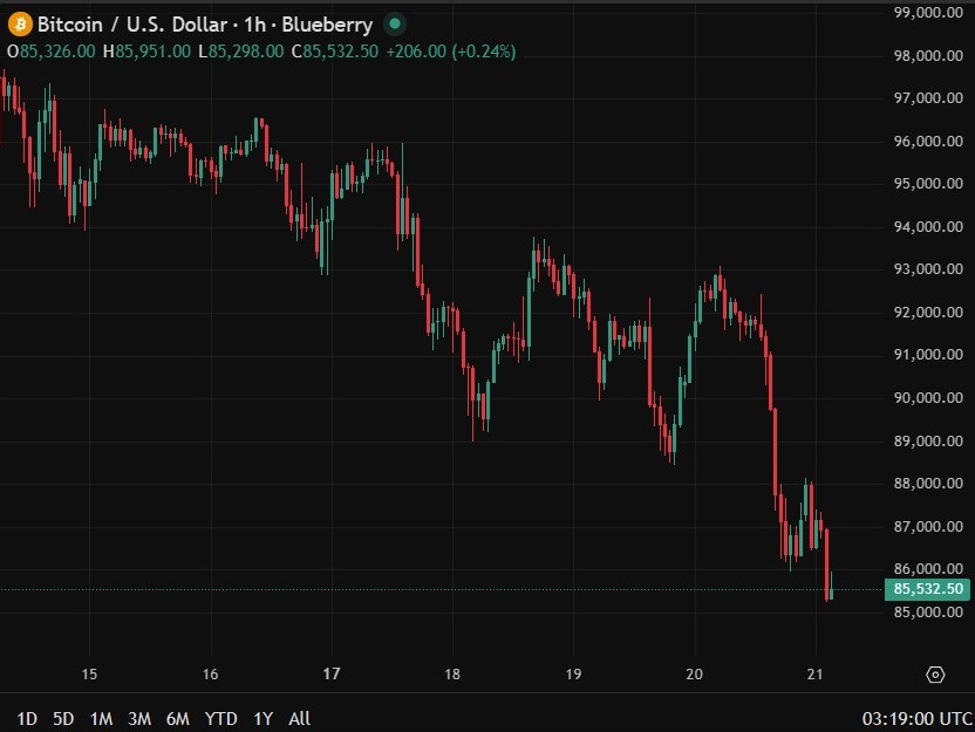
Bitcoin, Ether continue to slide – crypto crush
Risk off is pronounced in crypto:equity valuations ‘AI ‘bubble’ worriesFed huts questionedare all weighing. BTC hit a 7 month low today, while ETH a 4 month low. I posted earlier on a Whexit:Top Bitcoin whale sells entire $1.3bn BTC stack as sentiment fades This article was written by Eamonn Sheridan at investinglive.com. 🔗 Source 💡 DMK Insight Bitcoin’s drop to a 7-month low signals deepening risk aversion in the crypto market. With BTC at $83,094 and ETH at $2,714.44, the recent sell-off reflects broader concerns about equity valuations and the sustainability of the AI-driven rally. The exit of a top Bitcoin whale, who liquidated a $1.3 billion stack, adds to the bearish sentiment. This isn’t just a blip; it suggests a potential shift in market dynamics where institutional confidence is waning. Traders should watch for further selling pressure, especially if BTC breaks below key support levels around $80,000. A sustained move below this could trigger more panic selling, while ETH’s decline could indicate a broader altcoin weakness. On the flip side, if BTC manages to hold above $80,000, it might attract bargain hunters looking for a rebound. Keep an eye on the correlation with equities; if stocks continue to falter, crypto might follow suit. Watch for volatility spikes and consider adjusting positions accordingly, especially in the short term as sentiment remains fragile. 📮 Takeaway Monitor BTC’s support at $80,000; a break could lead to further declines, while a hold might attract buyers.

U.S. charges four in Nvidia chip-smuggling case, revives calls for chip tracking
U.S. prosecutors have charged four people with illegally exporting advanced Nvidia AI chips to China, a case that has intensified calls in Washington for tighter tracking of high-end semiconductors. The indictment alleges the defendants—two U.S. citizens and two Chinese nationals—used fake contracts, false paperwork and third-country routing to evade export controls.Info via Reuters. According to the Justice Department, the group exported 400 Nvidia A100 GPUs to China via Malaysia between October 2024 and January 2025. Authorities also intercepted attempts to ship 10 HP supercomputers with H100 chips and 50 Nvidia H200 GPUs through Thailand. The scheme allegedly relied on a Tampa-based front company and nearly $4 million in Chinese wire transfers.The case prompted House China Committee Chair John Moolenaar to urge swift passage of the bipartisan Chip Security Act, which would mandate chip-location verification and require manufacturers to report diversion risks. The incident highlights the difficulty the U.S. faces in enforcing export restrictions designed to curb China’s military and AI capabilities—policies Beijing condemns as economic coercion.This from yesterday:White House wants Congress to oppose export-restrictions targeting Nvidia chips to China This article was written by Eamonn Sheridan at investinglive.com. 🔗 Source 💡 DMK Insight The indictment over Nvidia chip exports is a big deal for tech traders right now. This case highlights growing tensions around semiconductor technology, especially as the U.S. government ramps up scrutiny on exports to China. For traders, this could mean increased volatility in tech stocks, particularly those tied to semiconductor manufacturing like Nvidia. If the government tightens regulations, it could impact supply chains and pricing, creating ripple effects across the tech sector. Watch for Nvidia’s stock performance closely; any significant dips could present buying opportunities if the fundamentals remain strong. On the flip side, if this leads to broader sanctions or export restrictions, it could hurt not just Nvidia but also other tech firms reliant on these components. Keep an eye on the $400 level for Nvidia as a potential support point, and monitor any news from Washington that could signal further regulatory changes in the coming weeks. 📮 Takeaway Watch Nvidia closely around the $400 level; regulatory changes could create buying opportunities or increased volatility in tech stocks.