
 Bitcoin
  Ethereum
  Tether
  XRP
XRP  BNB
BNB  USDC
USDC  Solana
  TRON
TRON  Lido Staked Ether
  Figure Heloc
EU’s ProtectEU mandates on-device scanning before encryption, creating a two-tier security system where states encrypt while citizens are surveilled. Digital feudalism codified. 🔗 Read Full Article 💡 DMK Insight The EU’s ProtectEU mandates could reshape the digital trading landscape, and here’s why: This on-device scanning requirement before encryption introduces a significant risk for traders who rely on privacy and security in their transactions. By creating a two-tier security system, where states can encrypt while citizens face surveillance, the implications for data integrity and user trust are profound. Traders should be wary of how this might affect platforms that prioritize user anonymity and decentralized finance. If traders lose confidence in the security of their transactions, we could see a shift in trading volumes and liquidity, particularly in privacy-focused cryptocurrencies. Moreover, this could lead to increased regulatory scrutiny on exchanges and wallets, potentially impacting their operational costs and compliance strategies. Watch for how major players in the crypto space respond to these regulations, as their strategies could signal broader market trends. Keep an eye on Bitcoin and Ethereum, as they often react to regulatory news, and monitor for any shifts in trading patterns over the coming weeks. 📮 Takeaway Traders should monitor regulatory responses to ProtectEU’s mandates, especially regarding privacy coins, as this could impact trading volumes and market confidence in the coming weeks.

Deutsche Bank and DWS-backed EURAU stablecoin goes multichain with Chainlink
AllUnity’s euro-pegged MiCA-compliant stablecoin, EURAU, is expanding across major blockchains using Chainlink’s CCIP protocol. 🔗 Read Full Article 💡 DMK Insight AllUnity’s EURAU stablecoin expansion is a game changer for euro-denominated crypto transactions. By leveraging Chainlink’s CCIP protocol, EURAU is set to enhance liquidity and interoperability across major blockchains. This move could attract institutional interest, especially as traders look for stable assets amid ongoing market volatility. The integration of a euro-pegged stablecoin could also impact trading strategies, as it offers a hedge against dollar fluctuations. Traders should keep an eye on how this affects the liquidity of existing euro-pegged assets and whether it leads to increased trading volumes in the euro-denominated pairs. If EURAU gains traction, we might see a shift in trading dynamics, particularly for those focused on European markets. Watch for any announcements regarding partnerships or integrations that could further boost EURAU’s adoption in the coming weeks. 📮 Takeaway Monitor EURAU’s adoption and liquidity trends, as its integration with Chainlink could reshape euro-denominated trading strategies.

Australian police crack coded wallet, seize $5.9M in crypto
The Australian Federal Police cracked a coded crypto wallet backup holding $5.9 million after a data scientist deciphered a complex numerical sequence on a phone. 🔗 Read Full Article 💡 DMK Insight The Australian Federal Police’s breakthrough in cracking a $5.9 million crypto wallet is a game-changer for security and regulation. This incident highlights the vulnerabilities in crypto security, especially as law enforcement becomes more adept at tracing illicit funds. Traders should be aware that such developments can lead to increased scrutiny on exchanges and wallets, potentially impacting liquidity and trading strategies. If regulatory bodies ramp up their efforts to monitor crypto transactions, we might see a shift in market dynamics, particularly for privacy coins or those perceived as riskier. Keep an eye on how this affects overall market sentiment and whether it triggers any regulatory responses in the coming weeks. On the flip side, while this could deter some illicit activities, it might also push traders to seek out more secure and compliant platforms, creating opportunities for exchanges that prioritize transparency and security. Watch for any announcements from regulatory bodies or exchanges regarding enhanced security measures or compliance protocols. 📮 Takeaway Monitor regulatory responses to the Australian Federal Police’s crypto wallet breakthrough, as this could impact market sentiment and trading strategies in the coming weeks.

FX option expiries at the 10am New York cut for Friday, October 31, 2025
Friday FX Option Expiries (10:00am New York cut):EUR/USD: 1.1715 (€766.5m), 1.1322 (€626.3m)USD/JPY: 152.50 ($1.42bn)AUD/USD: 0.6600 (A$888.1m)USD/CAD: 1.3850 ($1.03bn), 1.3950 ($945m)GBP/USD: 1.3250 (£314.3m)EUR/GBP: 0.8895 (€309.3m)USD/CNY: 7.0900 ($350m)Larger expiries clustered in USD/JPY and USD/CAD; moderate interest in EUR/USD and AUD/USD. This article was written by Eamonn Sheridan at investinglive.com. 🔗 Read Full Article 💡 DMK Insight Friday’s FX option expiries are shaping up to be crucial for traders, especially in USD/JPY and USD/CAD. With significant expiries at 152.50 in USD/JPY and 1.3850 in USD/CAD, these levels could act as magnets for price action as market participants adjust their positions. The clustering of large expiries indicates potential volatility around these levels, which could be exploited by day traders looking for quick moves. Keep an eye on how these pairs react as we approach the expiry time; a breach of these levels could signal further momentum. Meanwhile, moderate interest in EUR/USD at 1.1715 and AUD/USD at 0.6600 suggests that traders should also monitor these pairs for potential breakouts or reversals. If EUR/USD can hold above 1.1715, it might attract more bullish sentiment, while a drop below could trigger selling pressure. Watch for how these expiries influence market dynamics, particularly in the context of broader economic indicators and upcoming data releases that could sway sentiment. 📮 Takeaway Watch USD/JPY at 152.50 and USD/CAD at 1.3850 for potential volatility as Friday’s option expiries approach.

China adds 200 billion yuan in new local bond quota to spur investment
China taps 200 billion yuan in new local bond quota to boost investmentChina has allocated 200 billion yuan ($28 billion) in new local government special bond quotas to bolster investment and strengthen regional finances, the country’s state planner said on Friday.The measure forms part of a broader 500 billion yuan fund designed to shore up local government balance sheets and encourage infrastructure and development spending in selected provinces.National Development and Reform Commission (NDRC) spokesperson Li Chao said the bond issuance aims to expand investment and support local fiscal health, adding that authorities remain confident of meeting full-year economic and social development targets.Li said Beijing stands ready to introduce additional policy measures as needed, underscoring the government’s determination to maintain momentum as growth stabilises but remains uneven across regions. This article was written by Eamonn Sheridan at investinglive.com. 🔗 Read Full Article 💡 DMK Insight China’s 200 billion yuan bond issuance is a big deal for traders watching global markets. This move aims to stimulate investment and support regional finances, which could have ripple effects on commodities and currencies tied to Chinese demand. Traders should keep an eye on how this impacts the yuan and related assets like copper and oil, as increased infrastructure spending typically boosts demand for these commodities. Additionally, if this bond issuance leads to a stronger yuan, it could influence forex pairs like USD/CNY, especially if the dollar remains under pressure from U.S. economic data. But here’s the flip side: while this bond issuance is meant to stimulate growth, it could also signal underlying economic weaknesses if the government feels the need to inject liquidity at this scale. Watch for any shifts in market sentiment as traders digest this news, particularly in the coming weeks as economic indicators are released. Key levels to monitor would be the yuan’s performance against the dollar and any significant movements in commodity prices in response to this fiscal policy. 📮 Takeaway Keep an eye on USD/CNY and commodity prices as China’s bond issuance could shift market dynamics significantly in the coming weeks.
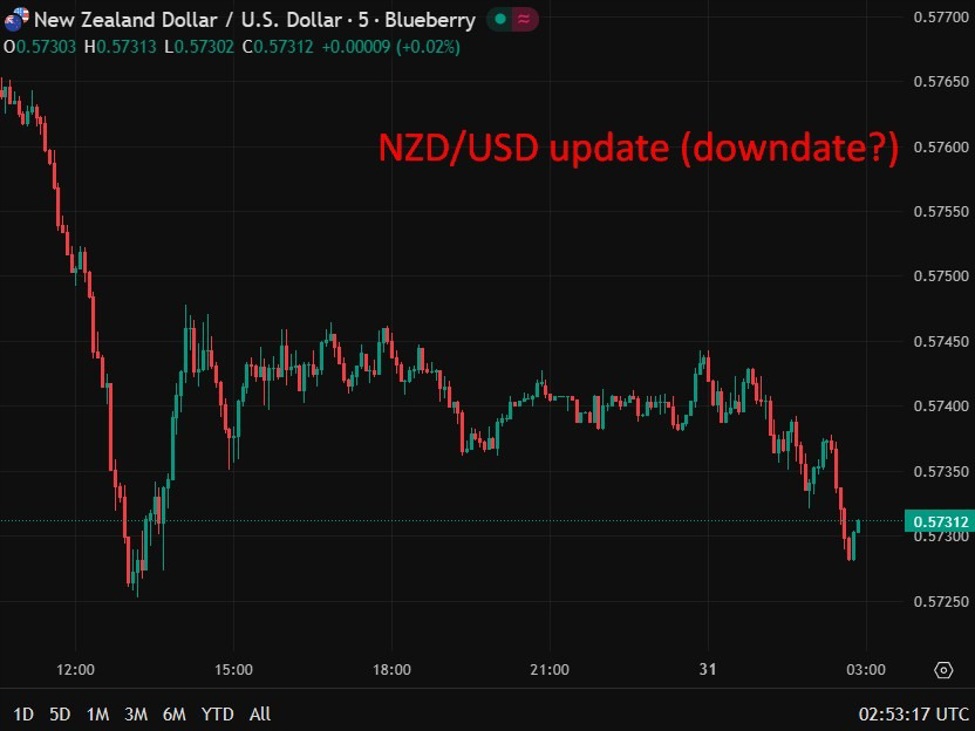
RBNZ’s Gai: U.S. tariffs delivering negative demand shock to New Zealand
RBNZ’s Gai says U.S. tariffs a negative demand shock for New ZealandReserve Bank of New Zealand Monetary Policy Committee member Prasanna Gai said on Friday that U.S. tariffs have delivered a negative demand shock to New Zealand’s small, trade-dependent economy, adding to the headwinds already restraining growth.Speaking at an event in Melbourne, Gai said the impact of tariffs, coupled with a broader uncertainty shock, had partly offset the effects of monetary easing undertaken since 2024. The RBNZ has cut interest rates by 300 basis points since August 2024 in an effort to revive demand and support employment.Despite those efforts, New Zealand’s economy remains sluggish. With inflation now comfortably within the 1–3% target band, markets believe policymakers retain room to reduce rates further if global weakness and trade disruptions continue to weigh on activity. This article was written by Eamonn Sheridan at investinglive.com. 🔗 Read Full Article 💡 DMK Insight U.S. tariffs are hitting New Zealand hard, and here’s why that matters for traders: The Reserve Bank of New Zealand (RBNZ) is signaling that these tariffs are a significant negative demand shock, which could lead to tighter monetary policy down the line. For traders, this means keeping an eye on the NZD/USD pair, as any further deterioration in trade relations could weaken the Kiwi. With New Zealand’s economy being heavily reliant on exports, especially to the U.S., a slowdown could trigger a bearish sentiment in the currency. If the NZD breaks below recent support levels, it could signal a broader sell-off. But don’t overlook the potential for a contrarian play here. If the RBNZ decides to cut rates in response to these pressures, it might create a buying opportunity for those looking to capitalize on a rebound in the currency once the market stabilizes. Watch for any comments from the RBNZ in the coming weeks, as they could provide clues on their next moves. Key levels to monitor include the NZD/USD support around 0.5900, which if breached, could lead to further declines. 📮 Takeaway Keep an eye on the NZD/USD pair; a break below 0.5900 could trigger significant selling pressure amid tariff impacts.
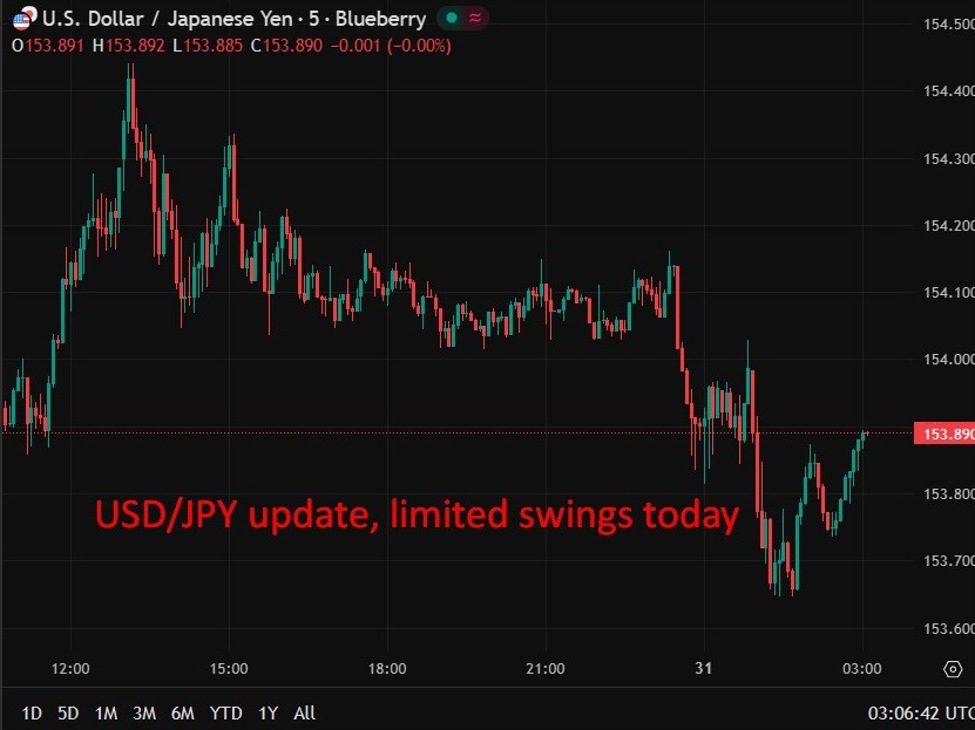
Recap – Tokyo inflation quickens to 2.8%, fuelling bets on BoJ rate hike
Recap – Tokyo inflation accelerates, keeping BoJ under pressureCore inflation in Tokyo quickened in October, staying well above the Bank of Japan’s 2% target and reinforcing market expectations that policymakers may move toward another rate hike in coming months.Data released Friday showed the core consumer price index (excluding fresh food) rose 2.8% year-on-year, above forecasts for 2.6% and accelerating from 2.5% in September. The core-core measure (excluding food and energy) also climbed 2.8%, highlighting persistent price pressures despite government subsidies fading.The gains were driven mainly by higher food costs — including a 38% jump in rice prices — while service-sector inflation remained subdued at 1.6%, suggesting companies are still slow to pass on labour costs.The release came a day after the BoJ kept its policy rate unchanged at 0.5% in a 7–2 vote, with dissenters warning of rising inflationary risks. Analysts said the latest data support the view that the central bank could raise rates early next year if domestic demand strengthens.Separate figures showed factory output rose 2.2% in September, beating expectations, while the jobless rate held steady at 2.6%, underscoring continued resilience in Japan’s economy. This article was written by Eamonn Sheridan at investinglive.com. 🔗 Read Full Article 💡 DMK Insight Tokyo’s inflation hitting above the BoJ’s 2% target is a game changer for traders. With core inflation accelerating, the pressure mounts on the Bank of Japan to consider rate hikes sooner rather than later. This could lead to a stronger yen as traders adjust their positions in anticipation of tighter monetary policy. If the BoJ does act, it could shift the dynamics in the forex market, particularly against the USD and EUR, which have been buoyed by their own central banks’ policies. Watch for the upcoming economic data releases that could further influence the BoJ’s decision-making process. On the flip side, if the BoJ remains dovish despite rising inflation, it could lead to a sell-off in the yen as traders lose confidence in its ability to combat inflation effectively. Keep an eye on the 2% inflation benchmark; a sustained breach could trigger significant market reactions. For now, monitor the USD/JPY pair closely, especially if it approaches key resistance levels, as any shift in sentiment could lead to volatility. 📮 Takeaway Watch the USD/JPY pair closely; a sustained inflation rate above 2% could trigger a rate hike from the BoJ, impacting forex positions.
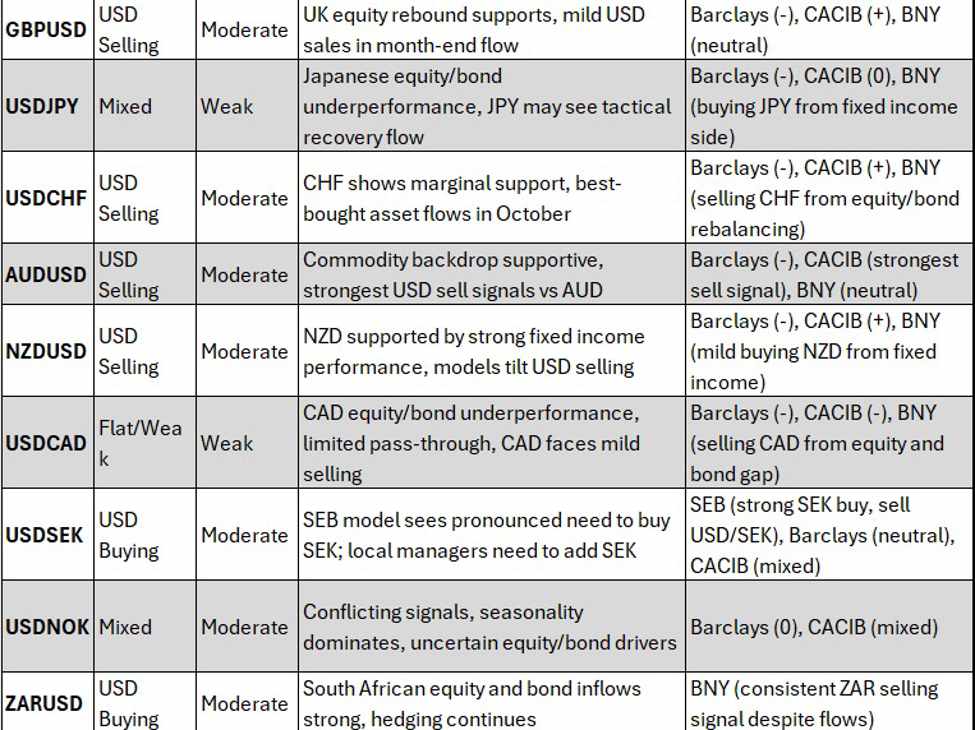
Check this out, handy cheat sheet of what moving 10 FX pairs – fundamentals and bank views
Check out this handy cheat sheet table of what’s moving these pairs, including EUR/USD, AUD/USD, NZD/USD, USD/JPY and more. Its from the folks over at https://www.itcmarkets.com/ This article was written by Eamonn Sheridan at investinglive.com. 🔗 Read Full Article 💡 DMK Insight So, the forex market’s buzzing with movement across major pairs, and here’s why you should care: fluctuations in pairs like EUR/USD and USD/JPY can signal broader economic trends. With the USD showing strength against several currencies, traders should be on the lookout for potential reversals or continuations based on upcoming economic data releases. For instance, if the USD maintains its momentum, it could push EUR/USD below key support levels, which would trigger sell signals for swing traders. Conversely, if the USD weakens unexpectedly, we might see a rally in pairs like AUD/USD and NZD/USD, which could offer buying opportunities. Keep an eye on the economic calendar for any announcements that could impact these pairs, especially inflation or employment data. The real story is how these movements can create ripple effects across commodities and equities, particularly if the USD’s strength starts to affect risk sentiment in the stock market. Watch for volatility spikes and adjust your positions accordingly. 📮 Takeaway Monitor the USD’s strength against major pairs like EUR/USD and USD/JPY; key economic data releases could trigger significant trading opportunities.
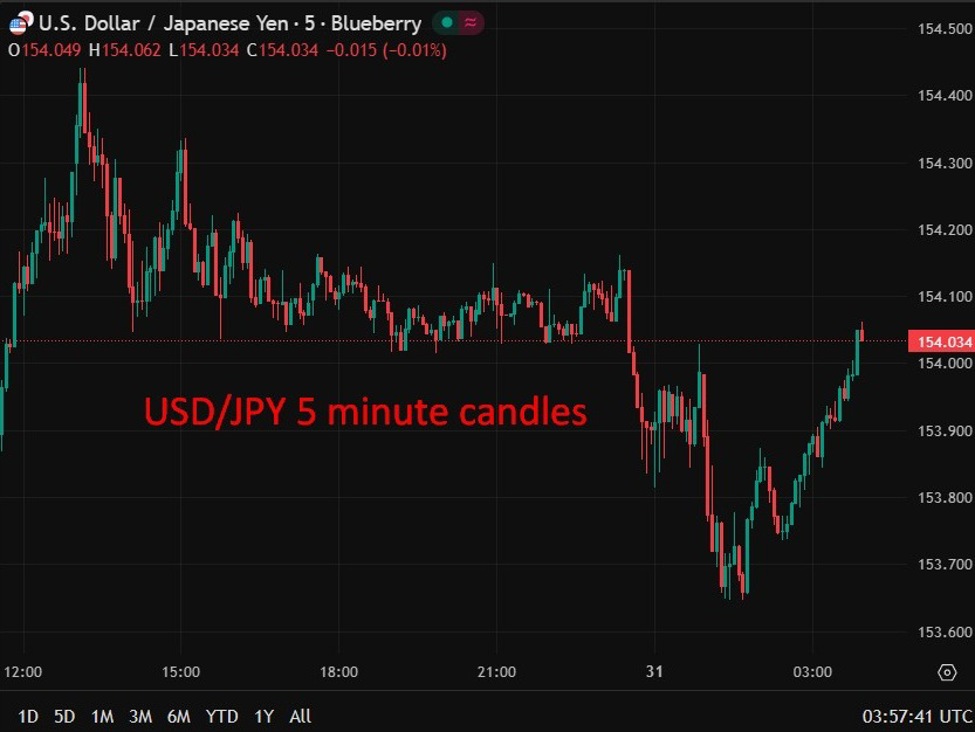
investingLive Asia-Pacific FX news wrap: Tokyo inflation accelerates
Check this out, handy cheat sheet of what moving 10 FX pairs – fundamentals and bank viewsRecap – Tokyo inflation quickens to 2.8%, fuelling bets on BoJ rate hikeRBNZ’s Gai: U.S. tariffs delivering negative demand shock to New ZealandChina adds 200 billion yuan in new local bond quota to spur investmentFX option expiries at the 10am New York cut for Friday, October 31, 2025China official manufacturing PMI (October) 49.0 (expectd 49.6) services 50.1 (expected 50)UK gilts offer best value in Europe, Nomura strategist saysPBOC sets USD/ CNY reference rate for today at 7.0880 (vs. estimate at 7.1171)Verbal intervention: Katayama warns on rapid yen moves, vows vigilance on FX stabilityBlackRock unit hit by US$500 million alleged fraud as private-credit risks mountAustralia Private Sector Credit September 2025: 0.6% m/m (vs. expected 0.6%)Australian Q3 PPI +1.0% q/q (prior +0.2%) and +3.5% y/y (prior +3.4%)TD Securities: December BoJ rate hike still possible despite cautious UedaPreview – RBA to hold rates as sticky inflation delays next cut to 2026 – Reuters pollJapan Industrial Production (MoM) (September), preliminary 2.2% m/m (vs. expected 1.5%)Japan Retail Sales +0.5% y/y (vs. expected 0.7%)Japan jobless rate steady at 2.6%, labour market remains tightTokyo October Headline CPI 2.8% y/y (expected 2.4%).Trump–Korea trade deal seen lifting Kospi, pressuring won amid U.S. investment outflowsSouth Korea September Industrial Output -1.2% m/m and +11.6% y/yPIMCO: Powell reins in market cut bets as Fed ends QT, stays data-dependentAustralia news: ANZ flag AUD1.1bn hit to second-half profit from restructuring, settlementDeutsche Bank: Eurozone resilience keeps ECB doves in checkGoldman Sachs says ECB rate cut risk underpriced as data stay mixedinvestingLive Americas FX news wrap 30 Oct: ECB keeps rates unchanged. Stocks tumble.ANZ Roy Morgan New Zealand Consumer Confidence Index 92.4 October (prior 94.6)Apple beats on earnings and services, but China sales disappointCoinbase profit surges as trading volatility lifts revenueMajor US indices close at session lows. Amazon announces strong earnings after the closeAmazon tops Q3 estimates, sees strong Q4 holiday salesFrom Japan today, we had October inflation data from the Tokyo area, which often serves as an early indicator ahead of the nationwide figures due in about three weeks.The Tokyo core consumer price index (excluding fresh food) rose 2.8% year-on-year, above forecasts for 2.6% and up from 2.5% in September. The core-core measure (excluding both food and energy) also climbed 2.8%, underscoring persistent price pressures.The gains were driven mainly by higher food costs — including a 38% jump in rice prices — while service-sector inflation remained modest at 1.6%, suggesting firms are still slow to pass on rising labour costs.Elsewhere, industrial output and jobless data were encouraging (see details above). The yen drifted higher in morning trade to just under ¥153.70 before recovering to around ¥154.00.From China, the official October PMIs showed manufacturing slipping further into contraction at 49.0 (from 49.8 in September), marking a seventh consecutive month below 50, while non-manufacturing edged up to 50.1 from 50.0.Outside of the yen, major FX pairs traded narrowly. Japan’s Nikkei 225 set another record high, while mainland Chinese and Hong Kong equities underperformed. Asia-Pac stocks:Japan (Nikkei 225) +1.7%Hong Kong (Hang Seng) -0.8%Shanghai Composite -0.6%Australia (S&P/ASX 200) +0.25% This article was written by Eamonn Sheridan at investinglive.com. 🔗 Read Full Article 💡 DMK Insight Tokyo’s inflation hitting 2.8% is a game changer for FX traders right now. This uptick is likely to intensify speculation around a Bank of Japan (BoJ) rate hike, which could strengthen the yen against major pairs. Traders should keep an eye on how this inflation data interacts with broader economic indicators, especially as the U.S. Federal Reserve continues its tightening cycle. The RBNZ’s comments on U.S. tariffs impacting New Zealand’s demand add another layer of complexity, potentially affecting NZD pairs. With the yen’s volatility likely to increase, watch for key resistance levels around recent highs, as a confirmed rate hike could trigger significant moves. On the flip side, if the BoJ remains dovish despite rising inflation, it could lead to a sharp sell-off in the yen, creating a potential buying opportunity for those looking to capitalize on a rebound. Keep an eye on the 2.8% inflation mark as a pivotal point for future trading strategies, especially in the context of upcoming central bank meetings. 📮 Takeaway Watch for the yen’s response to the 2.8% inflation figure; a BoJ rate hike could strengthen it significantly against major pairs.

Stock earnings yesterday and the Amazon AWS slam dunk!
Stock earnings yesterday, insights you don’t see on the price charts, and an Amazon slam dunkHi investors and traders at investingLive.com, here is a beginner friendly snapshot of stock earnings yesterday. See which companies moved more or less than expected, why priced in means size not direction, and how to read the reactions with confidence. And if you’re a pro, you’re still likely to appreciate the analysis we’ve cooked up for you. Let’s dive in…Yesterday’s Earnings at a GlanceSixteen S&P 500 companies reported results. Half rose and half fell. On average the group barely moved. That tells us the market had already prepared for most of what came out. In other words many results were priced in.Plain English: priced in is about how big the move might be. It does not say which way. The options market sets an expected move for up or for down.Standouts. Actual Move Next to Expected MovePutting the actual move right next to the expected move helps beginners see reality versus preparation.Amazon AMZN: +13.2% vs about 5.9% expectedApple AAPL: +2.3% vs about 3.3% expectedCardinal Health CAH: +15.4% vs about 4.5% expectedCigna CI: −17.4% vs about 5.2% expectedAltria MO: −7.8% vs about 3.5% expectedSo a few names made big moves. Many others were quiet. Two very large companies carried most of the positive headline.Surprise Share. Quiet Tape or Live WireAbout four in ten companies moved more than their expected move. That is meaningful for the first trading window. Option prices usually include a safety cushion. Many options also cover more than a single session. Seeing that much exceed the mark right away is worth noting.New investor tip: if a stock moves less than expected, option buyers may have paid for protection they did not end up needing. If a stock moves more than expected, that protection helps.Concentration Watch. Why the Headline Looked Stronger Than the AverageTwo mega caps did most of the lifting: Amazon, mainly, and some more minor support from Apple (will the Apple positive move hold today? Mmm… that would be interesting to watch, mayb not for long… See below). This can make the headline look healthy even when the middle of the pack is mixed. It is common in modern indexes and it matters for portfolio decisions.What you can do with this: do not chase the headline alone. Look for steady names that held up beneath the surface. Calm days can still hide a change in leadership.Stock Earnings Yesterday. What New Investors Can Do NextNo broad breakout detected. Many companies matched what the market had already prepared for.Watch for concentration. A strong headline can hide a flat average.Remember that the expected move is direction neutral. It describes the size of the swing. Not the direction.Options note. Smaller than expected moves often mean a comfort premium stayed with sellers. Larger than expected moves reward those who bought protection.Earnings Basics for BeginnersExpected move: the options based estimate of how big a stock might swing around earnings. Up or down.Priced in: means size was anticipated. It does not predict direction.Yesterday’s One Line Earnings SnapshotStable overall. A few punchy movers carried the tape. With Amazon winning yesterday’ earnings slam dunk competition (a wink to its cooperation with the NBA, and who doesn’t like the NBA, right?) This article was written by Itai Levitan at investinglive.com. 🔗 Read Full Article 💡 DMK Insight Earnings reports can be a double-edged sword for traders, and yesterday’s results are a prime example. Companies that beat expectations often see a surge in their stock prices, but those gains can be short-lived if the broader market sentiment shifts. For instance, Amazon’s strong performance might have buoyed tech stocks, but if inflation data or interest rate fears resurface, even solid earnings won’t save them from a downturn. Traders should keep an eye on the earnings calendar, as upcoming reports could lead to volatility. Stocks that missed expectations might present buying opportunities if they show signs of recovery, but caution is key. Watch for key resistance levels in the tech sector; if Amazon’s stock breaks above its recent highs, it could signal a broader rally. Conversely, if the overall market sentiment turns negative, even strong earnings won’t prevent a sell-off. So, monitor economic indicators closely, as they could dictate market direction more than individual earnings reports. 📮 Takeaway Watch Amazon’s stock for potential breakout levels; a sustained move above recent highs could indicate a bullish trend, but stay alert for broader market shifts.