
 Bitcoin
  Ethereum
  Tether
  XRP
XRP  BNB
BNB  USDC
USDC  Solana
  TRON
TRON  Lido Staked Ether
  Figure Heloc
Bank Indonesia will issue tokenized government bond–backed digital securities built on its digital rupiah CBDC, calling it the nation’s “stablecoin version.” 🔗 Read Full Article 💡 DMK Insight Bank Indonesia’s move to issue tokenized government bonds as a CBDC-backed stablecoin is a game changer for local markets. This initiative could enhance liquidity and attract both institutional and retail investors looking for stable assets in a volatile environment. By integrating government bonds into the digital currency framework, it not only legitimizes the digital rupiah but also sets a precedent for other nations considering similar paths. Traders should keep an eye on how this affects the broader bond market and the potential for increased demand for digital assets. If the tokenized bonds gain traction, we might see a ripple effect across other emerging markets, pushing them to innovate in their own digital asset offerings. Watch for any price movements in the Indonesian bond market and the digital rupiah itself, as these could signal broader trends in digital finance adoption in the region. 📮 Takeaway Monitor the Indonesian bond market and digital rupiah for potential volatility as tokenized bonds launch—this could reshape local investment strategies.

Heads up: Germany states' CPI readings due later today
As the year winds down, the German economy is one of the main sticking points for the ECB in having pushed their monetary policy stance to being on hold for now. Inflation pressures in Europe’s largest economy has yet to show meaningful signs of easing further and that’s been a tricky part for policymakers to navigate.Core annual inflation even moved higher in September to 2.8%, up from 2.5% back in August. And that’s really making it tough for the ECB to want to push for any further rate cuts as we look to the turn of the year.The October readings today are expected to show some slight easing in headline inflation, with the annual estimate expected to fall back to 2.2% – down from the 2.4% reading in September. But again, all eyes will be on that core reading. As long as that continues to stay stubborn and well above the 2% mark, the ECB will continue to have to stay on the sidelines in favour of a more cautious approach in policy setting.Here’s the agenda for today:0900 GMT – North Rhine Westphalia0900 GMT – Hesse0900 GMT – Bavaria0900 GMT – Baden Wuerttemberg0900 GMT – Saxony1300 GMT – Germany national preliminary figuresDo note that the releases don’t exactly follow the schedule at times and may be released a little earlier or later. This article was written by Justin Low at investinglive.com. 🔗 Read Full Article
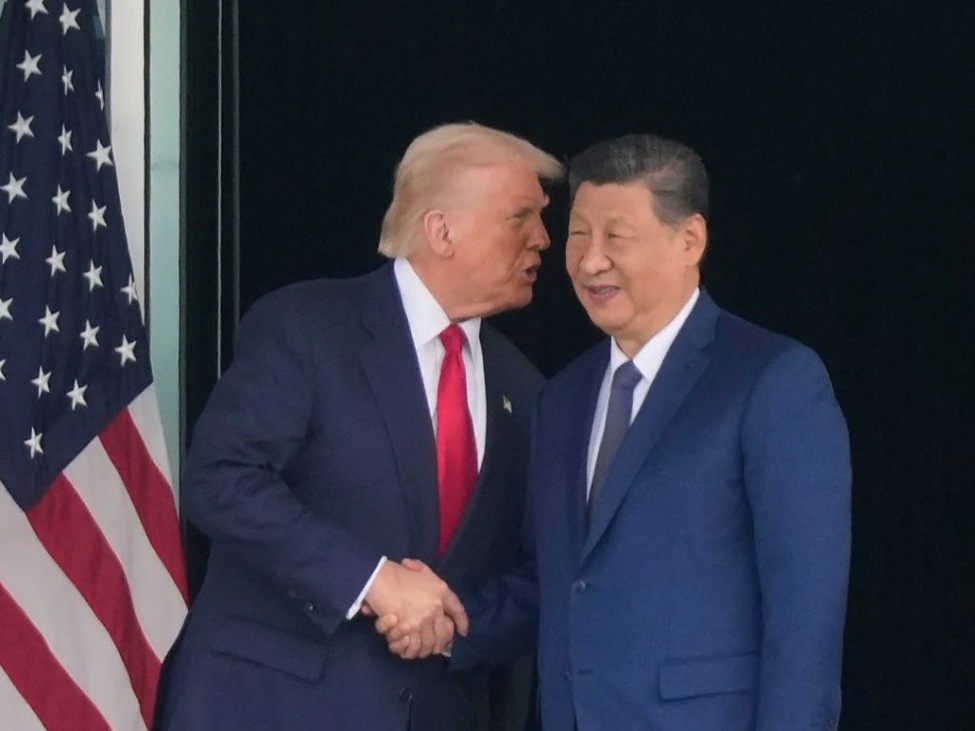
Trump-Xi meeting just about covers the dots, but was it really "amazing"?
If we know Trump – and we all do – then him saying that the meeting was “amazing” and that it was a “12 out of 10” is rather unsurprising. We’ve been used to him boasting about his “successes” and “victories”, often times overselling the positive narrative. That especially when it comes to China, as has been the case in the past.So, what can we make of the latest exchange between the two sides after the first face-to-face meeting between Trump and Xi since 2019? Here’s a quick rundown:The latest agreement will be for one year, and is expected to be renewed after that periodChina tariffs to be reduced by 10%, dropping from 57% previously to 47%The 10% reduction comes as fentanyl tariffs are reduced, with China vowing to do more on the issueTrump’s tariffs threat slated for 1 November is now scrappedChina is to keep rare earth exports flowing, “no more roadblocks”Some agreement on trade whereby China will start purchasing soybeans “immediately”Some discussion on semiconductor chips, centering around China purchases but nothing concreteNothing of note was discussed on Nvidia’s Blackwell chips, which was the focus before the meetingTaiwan issue was not brought up for discussionUkraine issue was discussed but nothing specific on more sensitive topics like China buying Russian oilTrump to follow up with a visit to China in April next yearXi to then come visit the US some time after thatAll in all, it seems that the meeting went “well”. Or at least as well as one would hope for it to be.It definitely looked like Trump did not want to push Xi’s buttons on more sensitive matters to avoid a bust up. And it worked.As for Xi, his running threats on rare earth export controls and stopping soybean purchases just before the meeting this week also worked in his favour in gaining more leverage.I would classify it as a win-win to some extent in terms of both sides managing to keep things cordial and carry on the relationship. That being said, what does this deal really do?If you really read into it, all this does is just revert back to the status quo that we’ve been swimming in for the last four to five months. China’s tariffs are at least reduced slightly but other than that, nothing really changes with this agreement.Beijing used the threat of rare earth export controls to manage the narrative this week and by allowing for things to stay as they were before October, it keeps Trump on a leash as to how far he can push things against China.Meanwhile, soybean purchases will be soybean purchases. We’ve been down this road one too many a time and we all know that when China says that they will be buying, it doesn’t really mean that. All it means is that they will step up US imports in the next two to three months maybe and perhaps look to cover a potential supply gap between February and April next year (seasonality suggests that Brazil’s new crops might not yet be able to hit the market by then). But after that, expect China to keep things in check and not overly give in to the US on this front. They’ve been doing so since 2018.Besides that, the only other noteworthy thing was on Nvidia’s Blackwell chips. Trump suggested there were talks on chips but nothing related to Blackwell, thus closing the door on that front for Nvidia. CEO Jensen Huang said that China’s position is very clear at the moment in that “they don’t want Nvidia to be there right now”. So, that’s a bit of a bummer as Trump and Xi don’t seem to have made much progress on that front.All that being said, I guess the biggest takeaway at least is that the US and China will continue to pretend to play nice for the rest of the world to see. That at least until we get to the turn of the year to start with. There’s no further escalation in the trade conflict and other matters of tension, with Beijing’s goal still being to hope to ride out Trump’s four-year term. Well, they’re at least already a quarter to the way there. This article was written by Justin Low at investinglive.com. 🔗 Read Full Article
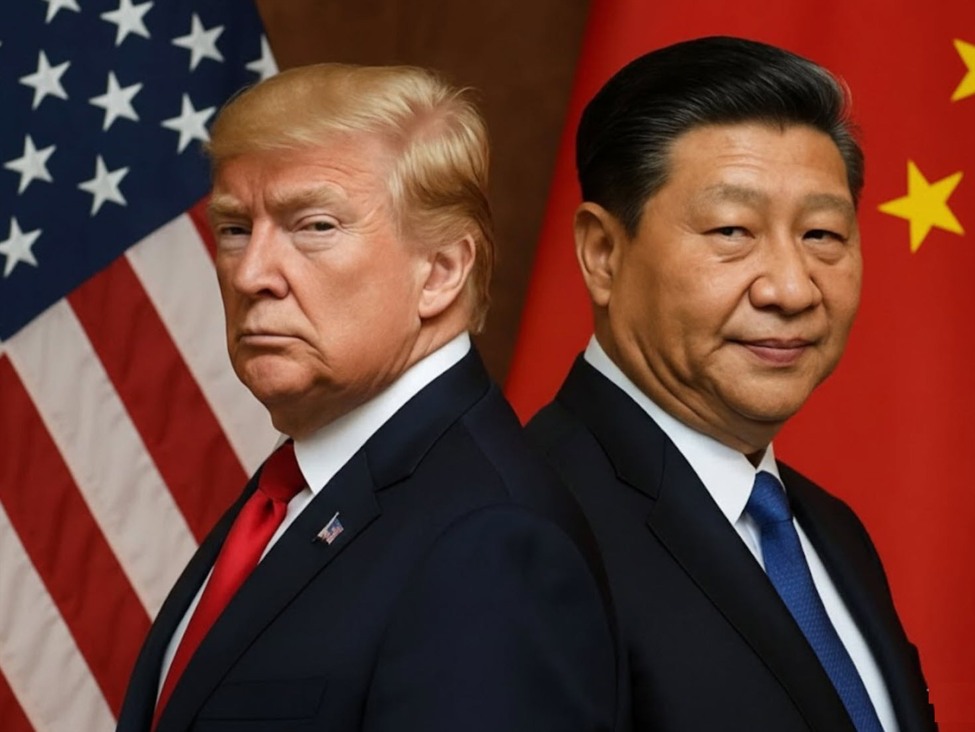
China president Xi: US-China relations maintain overall stability
Economic, trade teams from both sides held in-depth talks and reached consensus to solve problemsTwo sides should continue to shorten list of problems, lengthen list of cooperationTrade relations should be ballast stone for relationsTwo sides should look at long-term interest of cooperation, not fall into vicious cycle of ‘revenge’China never tried to challenge or replace anyoneAgreed to maintain communications with Trump and US campAgreed to strengthen cooperation in energy, tradeTwo sides should refine, implement, and follow up on consensusIf you notice the pattern here, it is that Xi has steered clear of mentioning any specifics about the deal with the US. But then again, he typically doesn’t do that. We’ll likely hear more specifics from communique by either the commerce ministry or the foreign ministry. So, yeah. But at least for now, the tone put out by Xi is more measured. It’s just more of reaffirming that both sides should continue to strive towards making things better, not that things are “amazing”. This article was written by Justin Low at investinglive.com. 🔗 Read Full Article 💡 DMK Insight China’s commitment to fostering trade relations is a game changer for crypto markets like SOL. With SOL currently at $191.16, traders should note that improved trade relations could lead to increased demand for cryptocurrencies, especially in regions heavily influenced by Chinese policy. If both sides can maintain this momentum, we might see a bullish trend in crypto assets, particularly those tied to Asian markets. Look for SOL to potentially break resistance levels if positive sentiment continues, especially if it holds above $200 in the coming weeks. However, be cautious of volatility; any sudden shifts in diplomatic relations could lead to sharp corrections. On the flip side, if tensions resurface, it could trigger a sell-off, impacting not just SOL but the broader crypto market. Keep an eye on trade news and sentiment indicators to gauge market reactions. Monitoring SOL’s performance against major resistance levels will be crucial in the short term. 📮 Takeaway Watch for SOL to hold above $200; positive trade relations could drive bullish momentum, but stay alert for any geopolitical shifts.

France Q3 preliminary GDP +0.5% vs +0.2% q/q expected
Prior +0.3%GDP +% vs +0.6% y/y expectedPrior +0.8%The French economy surprisingly accelerated in Q3, with conditions seen holding up better than expected. The breakdown shows that domestic demand contributed +0.3% to growth on the quarter but the big jump owes much to net foreign trade, which was +0.9%. Inventory changes were a drag to growth, resulting in a -0.6% net contribution.Overall, household consumption held steady with +0.1% growth on the quarter while total production was solid and was seen at +0.8% on the quarter (vs +0.3% in Q2). This article was written by Justin Low at investinglive.com. 🔗 Read Full Article 💡 DMK Insight France’s Q3 GDP growth of +0.6% is a surprise, and here’s why that matters: The unexpected acceleration in the French economy, driven by strong net foreign trade, could signal resilience in the Eurozone amid global uncertainties. Traders should note that this growth could bolster the Euro against the dollar, especially if the trend continues into Q4. With domestic demand contributing +0.3%, it suggests that consumer confidence might be stabilizing, which is crucial for future growth. This news could also impact related assets like French government bonds and equities, as improved economic outlooks typically lead to higher risk appetite. But don’t overlook the flip side: if this growth is primarily due to external factors, it could be vulnerable to shifts in global trade dynamics. Keep an eye on the EUR/USD pair; if it breaks above key resistance levels, it could trigger further bullish momentum. Watch for upcoming economic indicators that might confirm or contradict this growth narrative, particularly any shifts in consumer sentiment or inflation data. 📮 Takeaway Monitor the EUR/USD pair closely; a break above key resistance could signal further bullish momentum following France’s unexpected GDP growth.

BOJ governor Ueda: Easy monetary conditions will continue to support the economy
Japan’s economy is recovering moderately albeit with some weaknessEconomic growth likely to be modest as trade policies lead to slowdown in overseas economies, decline in corporate profitsHow overseas economies and price reacts to trade policies remain highly uncertainImportant to judge whether outlook will be achieved without any preconceptionTakata and Tamura dissented to BOJ’s quarterly reportTakata proposed to add a line about inflation reaching price stability targetTamura proposed to add a line on underlying inflation being largely in line with targetWhile there is a heavy focus on the aftermath of Trump and Xi’s meeting, let’s not forget there was also the BOJ decision earlier today here. No rate hike today will continue to seed doubts about a move in December, that especially as Takaichi’s influence as prime minister will grow in the months ahead. Amid her policy intentions, the kind of fiscal “firepower” that she may unleash reduces the pressure for the BOJ to tighten policy in the short-term. Thus, the central bank has less incentive and urgency to act for the time being. This article was written by Justin Low at investinglive.com. 🔗 Read Full Article 💡 DMK Insight Japan’s moderate economic recovery could impact global markets, including crypto. With ETH currently at $3,868.26, traders should keep an eye on how Japan’s trade policies influence investor sentiment. If overseas economies continue to slow, we might see a ripple effect on crypto prices, particularly if corporate profits decline further. This could lead to increased volatility in ETH and related assets, especially if traders react to negative news from Japan. It’s worth noting that the uncertainty surrounding trade policies can create both risks and opportunities. A stronger yen could lead to a sell-off in crypto as Japanese investors pull back, while any positive surprises in economic data could boost risk appetite. Watch for key levels around $3,800 and $4,000 for ETH, as these could serve as psychological barriers in the short term. Pay attention to upcoming economic reports from Japan, as they could provide critical insights into market direction. 📮 Takeaway Monitor ETH around $3,800 and $4,000; Japan’s economic reports could trigger significant price movements.
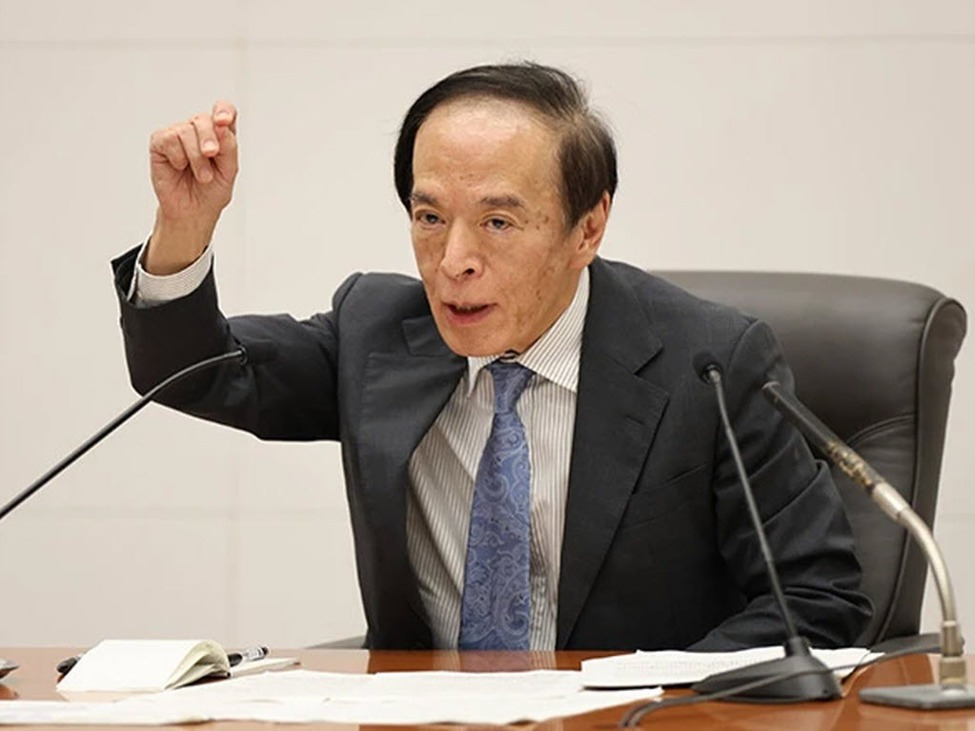
BOJ governor Ueda: No preset ideas about timing of next rate hike
We want to take a little longer to see how US tariffs impact would affect Japan’s economyDon’t think there is a risk of falling behind the curveNeed to work closely with government, will continue close communicationExpects wage hikes in next year to be roughly equal to this year’s oneIt’s funny how he continues to want to put off rate hikes with the reasoning of US tariffs. The story is getting a bit old now. And the yen continues to fall further on his comments here. USD/JPY is ramping up by 0.4% on the day now to 153.35. That’s seeing the pair rise up to its highest since February and tees up a potential run up towards 155.00 next. This article was written by Justin Low at investinglive.com. 🔗 Read Full Article 💡 DMK Insight The ongoing discussion about US tariffs and their potential impact on Japan’s economy is crucial for traders, especially those involved in forex and commodities. If tariffs increase, it could lead to a stronger yen as Japan’s export-driven economy may face headwinds, prompting investors to seek safety in the currency. This situation is compounded by the expectation of wage hikes, which could boost domestic consumption but also raise inflationary pressures. Traders should keep an eye on the USD/JPY pair, particularly if it approaches key support or resistance levels. A significant move in this pair could signal broader market sentiment regarding risk appetite. Additionally, the close communication between Japan’s government and businesses indicates a proactive approach to mitigate any adverse effects from tariffs, which could stabilize the market in the short term. However, if wage hikes do not translate into increased consumer spending, it may lead to a weaker economic outlook, impacting the yen negatively. Watch for any announcements regarding tariff changes and their immediate effects on market sentiment, particularly in the forex space, as these could create volatility in the USD/JPY pair. 📮 Takeaway Monitor the USD/JPY pair closely for volatility as US tariff impacts unfold, especially around key support and resistance levels.
USD/JPY eyes upside breakout on Ueda press conference
The Japanese yen is falling further on BOJ governor Ueda’s press conference, with USD/JPY climbing from 153.10 to a high of 153.50. On the daily chart, there is some resistance around 153.23-27 from the highs two weeks ago. But if buyers can hold a firm break/close above that, it tees up an upside breakout for the pair in the second half of this week.The BOJ announced no change to policy earlier today, with board members Takata and Tamura once again dissenting. But as new prime minister Takaichi slowly exerts her influence, is the timing window for the BOJ slowly closing?Amid her policy intentions, the kind of fiscal “firepower” that she may unleash reduces the pressure for the BOJ to tighten policy in the short-term. Thus, the central bank has less incentive and urgency to act for the time being.And Ueda’s lame excuse of continuing to allude to US tariffs putting them off will only serve to reaffirm the plot of not crossing the government. This article was written by Justin Low at investinglive.com. 🔗 Read Full Article 💡 DMK Insight The yen’s decline is accelerating, and here’s why that matters: BOJ Governor Ueda’s comments are pushing USD/JPY higher, breaking through key resistance levels. With USD/JPY moving from 153.10 to a high of 153.50, traders should watch the 153.23-27 resistance zone closely. A solid close above this level could signal a bullish continuation, potentially targeting the next psychological level around 154.00. This shift not only reflects the BOJ’s dovish stance but also highlights broader market sentiment favoring the dollar amid ongoing economic uncertainties. If the yen continues to weaken, it could trigger further selling pressure on related assets like Japanese equities, which often react negatively to a weaker currency. On the flip side, if the pair fails to maintain momentum above 153.27, we might see a pullback, offering a potential short opportunity. Keep an eye on upcoming economic data releases from Japan that could influence the BOJ’s outlook and impact the yen’s trajectory. 📮 Takeaway Watch for a close above 153.27 in USD/JPY; it could lead to a bullish breakout targeting 154.00.

BOJ governor Ueda: We need more data in deciding to adjust degree of monetary easing
Food inflation has been increasing but due to temporary factorsExpects food inflation rate to moderateOn average, the board’s confidence on achieving the outlook has increasedDownside risks to US economy have subsided as compared to the July outlookBut we still need more data until we decide to adjust degree of monetary easingWill have to monitor closely to see whether unexpected negative risks would appearUeda continues to temper with rate hike expectations here, very much erring on the side of caution. And that’s keeping the yen under pressure as we look towards European trading ahead. USD/JPY is up 0.4% to 153.40 on the day currently. This article was written by Justin Low at investinglive.com. 🔗 Read Full Article 💡 DMK Insight Food inflation’s uptick is temporary, but here’s why that matters for traders: While the expectation is for moderation in food prices, the underlying economic indicators suggest a cautious approach. The board’s increased confidence signals a potential stabilization in consumer spending, which could influence broader market sentiment. If food inflation eases, it might lead to less aggressive monetary policy adjustments, impacting interest rates and, consequently, forex and crypto markets. Traders should keep an eye on economic data releases that could confirm or challenge this outlook, particularly any shifts in consumer confidence or spending patterns. However, there’s a flip side: if inflation doesn’t moderate as expected, we could see volatility spike in related assets, especially in commodities and currencies sensitive to inflationary pressures. Watch for key economic reports in the coming weeks, particularly those that might influence the Fed’s decision-making process regarding interest rates. 📮 Takeaway Monitor upcoming economic data releases for signs of changing inflation trends, as they could significantly impact forex and commodity markets.
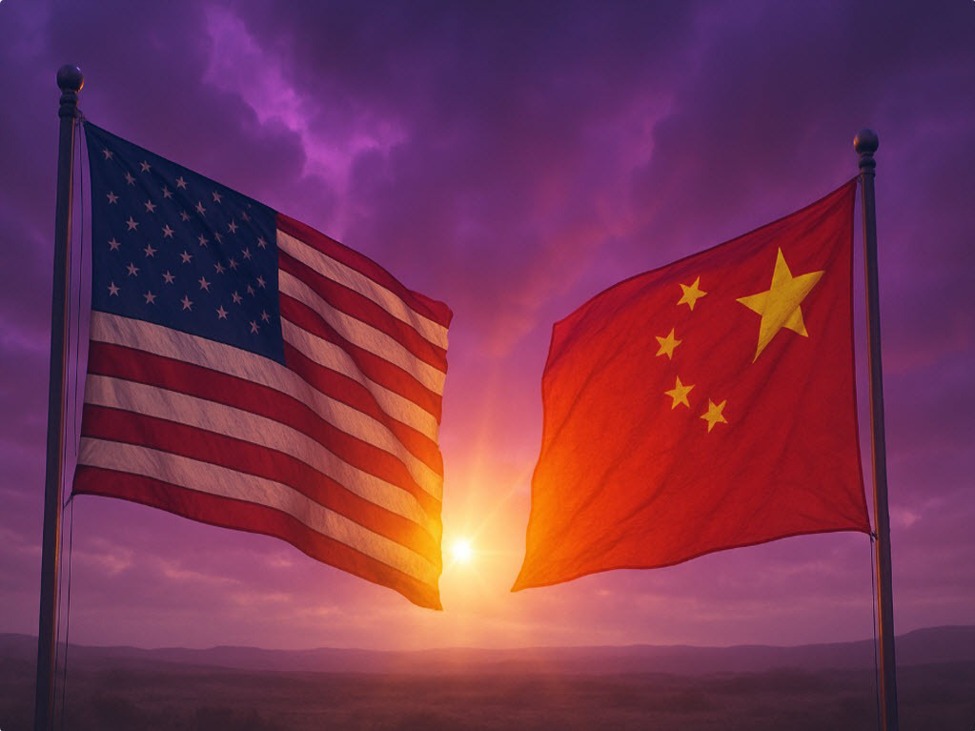
China confirms will pause rare earth export control measures for a year
US, China agreed to continue extending some tariff exemption measuresBoth sides reached consensus on fentanyl cooperation, expanding agriculture tradeChina to adjust some countermeasures in responseTo suspending shipbuilding measures against the US for a yearTo pause rare earth export controls for a yearWill pause countermeasures related to 301 investigations for a yearWill properly handle TikTok related issues with the USWell, I guess that’s that. When you connect the dots, the only things that are firm seems to be the US reducing China tariffs by 10% and that China will put off some countermeasures with the most notable one being their 9 October decision to impose rare earth export controls at the time. But again, that was largely to send a message to the US and gain leverage ahead of talks this week. So, it’s merely a reversion back to the status quo before.As for “expanding agriculture trade”, that would point to Trump’s comment that China will “immediately purchase US soybeans”. However, it seems to be that pledge doesn’t have much specifics for now.Much ado about nothing. That pretty much sums up the talks this week. This article was written by Justin Low at investinglive.com. 🔗 Read Full Article 💡 DMK Insight The recent US-China tariff agreement could shift market dynamics significantly. By extending tariff exemptions and pausing certain countermeasures, both nations are signaling a willingness to stabilize trade relations. This is crucial for traders, especially in sectors like agriculture and technology, which could see increased activity. For instance, the agriculture trade expansion might boost commodity prices, while easing rare earth export controls could benefit tech stocks reliant on these materials. Traders should watch for any immediate reactions in related markets, particularly commodities and tech equities, as these sectors could experience volatility based on sentiment shifts. However, it’s worth noting that while this agreement seems positive, it could be a temporary fix. If underlying tensions resurface, we might see a quick reversal. Keeping an eye on the daily price movements of agricultural commodities and tech stocks will be key in the coming weeks, especially around any announcements from either government regarding trade policies. 📮 Takeaway Watch for volatility in agriculture and tech stocks as the US-China trade agreement unfolds, particularly around any new announcements or shifts in sentiment.