
 Bitcoin
  Ethereum
  Tether
  XRP
XRP  BNB
BNB  USDC
USDC  Solana
  TRON
TRON  Lido Staked Ether
  Figure Heloc
There are just a couple to take note of on the board for today, as highlighted in bold below.The first one is for EUR/USD at the 1.1575 level. The expiries don’t tie to any technical significance but could just help to limit any downside extensions for price action in the session ahead before rolling off later in the day. That especially with no major economic data releases to work with in European trading.Then, there is one for USD/JPY at the 152.00 level. That also doesn’t tie to any technical significance, so it might not offer much – if any – impact on price action today. That as the Japanese yen remains softer after Takaichi was officially confirmed as prime minister, while the dollar also remain firmer in trading so far this week.For more information on how to use this data, you may refer to this post here.Head on over to investingLive (formerly ForexLive) to get in on the know! This article was written by Justin Low at investinglive.com. 🔗 Read Full Article 💡 DMK Insight EUR/USD is hovering around 1.1575, and here’s why that matters right now: With expiries at this level, traders should watch for potential price stabilization or resistance. While these expiries might not align with significant technical levels, they can still act as a psychological barrier, limiting downside movement. If the pair breaks below this level, it could trigger stop-loss orders, leading to a cascade effect that might push prices lower. Conversely, if it holds, we could see a bounce back, especially if broader market sentiment shifts positively towards the Euro or negatively towards the Dollar. Keep an eye on correlated assets like the DXY index for broader dollar strength or weakness, as this could influence EUR/USD movements. As we approach the end of the trading day, monitor any news or economic indicators that could impact the Eurozone or U.S. economy, as these could sway traders’ positions significantly. The real story is how this level interacts with market sentiment—watch for volatility spikes around key economic releases or geopolitical events. 📮 Takeaway Watch the 1.1575 level in EUR/USD closely; a break could trigger significant downside, while a hold might lead to a bounce back.

France October business confidence 97 vs 96 prior
Prior 96Services confidence 96Prior 98Manufacturing confidence 101Prior 97This is the highest reading since April with the rebound in sentiment largely driven by a jump in the industrial climate. Sentiment in the services sector actually fell back to its lowest since July but that is offset by the spike in manufacturing confidence. The other bit of good news is that the employment indicator also improved from 93 in September to 96 in October, moving back up to its highest since July. This article was written by Justin Low at investinglive.com. 🔗 Read Full Article 💡 DMK Insight The recent uptick in manufacturing confidence is a key indicator for traders right now. With the manufacturing sentiment hitting its highest since April, it suggests a potential shift in economic momentum that could impact various asset classes. Traders should note that while services confidence dipped, the manufacturing sector’s strength could lead to increased demand for commodities and industrial stocks. This divergence is worth monitoring, especially for those in the forex market, as it may influence currency pairs tied to economic performance, like USD/JPY. Keep an eye on the upcoming economic reports for further insights into how these trends might evolve. On the flip side, the drop in services confidence could signal underlying weaknesses that might not be immediately apparent. If this trend continues, it could lead to volatility in related sectors. Watch for any significant shifts in the upcoming data releases, particularly those that could impact market sentiment in the short term. 📮 Takeaway Monitor the manufacturing confidence spike for potential impacts on commodities and USD/JPY, while being cautious of the services sector’s decline.

Japan's largest union group Rengo seeks 5% wage hike for the coming fiscal year
Rengo is Japan’s largest labour union group and have announced that they would be seeking wage hikes of 5% or more in fiscal year 2026. That would see them try to target another bumper wage hike for a third year running. However, the big challenge this time around is that firms will have more difficulties in delivering that amid lower corporate profits from US tariffs. So, it’s going to be a challenge to see how they can keep up the wage momentum.As a reminder, the figure in 2023 was 3.80%. In 2024, it was 5.10%. And in 2025, it was 5.25% – watered down from the initial figure of 5.46%. This article was written by Justin Low at investinglive.com. 🔗 Read Full Article 💡 DMK Insight Rengo’s push for a 5% wage hike in 2026 is significant for traders, especially in the context of Japan’s ongoing economic recovery. This move signals a potential shift in labor dynamics, which could influence inflation expectations and consumer spending. If successful, it might lead to increased disposable income, bolstering domestic demand and impacting sectors like retail and services. Traders should keep an eye on the Nikkei 225 and Japanese yen, as wage growth could affect monetary policy decisions by the Bank of Japan. A sustained wage increase could also lead to upward pressure on inflation, prompting the BOJ to reconsider its ultra-loose monetary stance. However, there’s a flip side: if companies resist these hikes due to rising costs or economic uncertainty, it could lead to labor unrest or slower growth. Watch for any reactions from major corporations and the government, as they might influence market sentiment. Key levels to monitor include the Nikkei’s performance around 30,000 and the yen’s strength against the dollar. 📮 Takeaway Traders should watch Rengo’s negotiations closely; a successful wage hike could impact the Nikkei 225 and yen, especially if inflation expectations rise.

Gold Technical Analysis: Traders turn their focus to the US CPI
Fundamental OverviewWe finally got a decent pullback in gold this week with the price falling by almost 9%. There was no catalyst for the selloff although lots of narratives have been cited just to suit the price action. The most likely reason was just an easing in tensions on the current US-China trade front after some “positive” Trump’s comments on Friday. That’s when we got the first selloff in precious metals. Eventually, the profit-taking might have become so aggressive that momentum algos exacerbated the selloff. Anyway, the US-China drama remains a key market focus, but traders are now more certain on some kind of a deal. The main risk event this week could be the US CPI tomorrow. Although the Fed is more focused on the labour market now, an upside surprise in inflation could still trigger a hawkish repricing in expectations. In the bigger picture, gold should remain in an uptrend as real yields will likely continue to fall amid the Fed’s dovish reaction function. But in the short term, a hawkish repricing in interest rate expectations could trigger a correction. Gold Technical Analysis – Daily TimeframeOn the daily chart, we can see that gold finally pulled back and bounced around the 4,000 level where we have also a trendline acting as support. The buyers will likely continue to step in around the trendline but if we get a breakout, then we can expect the sellers to pile in to extend the pullback into the 3,600 level next. Gold Technical Analysis – 4 hour TimeframeOn the 4 hour chart, we can see that we broke the neckline of the double top and the bearish momentum increased as the sellers piled in more aggressively. The neckline should now act as resistance. We can expect the sellers to step in there with a defined risk above the resistance to target a break below the trendline. The buyers, on the other hand, will want to see the price breaking higher to invalidate the bearish setup and increase the bullish bets into new highs.Gold Technical Analysis – 1 hour TimeframeOn the 1 hour chart, there’s not much else we can add here as we might just keep ranging between the 4,000 support and the 4,185 resistance. A breakout on either side though should lead to a more sustained trend. The red lines define the average daily range for today. Upcoming CatalystsTomorrow we will get the US CPI report and the US flash PMIs. Watch the video below This article was written by Giuseppe Dellamotta at investinglive.com. 🔗 Read Full Article 💡 DMK Insight Gold’s recent 9% pullback raises questions about market sentiment and future direction. With no clear catalyst for this drop, traders should be cautious of narratives that may not reflect underlying fundamentals. The easing of geopolitical tensions could be a double-edged sword; while it may reduce demand for gold as a safe haven, it also opens the door for potential rebounds if economic data shifts. Watch for key support levels around recent lows to gauge if this pullback is a buying opportunity or a signal of deeper weakness. If gold can hold above these levels, it might attract buyers looking for value, but a break below could trigger further selling pressure. Keep an eye on the upcoming economic indicators, as they could provide clarity on gold’s next move. 📮 Takeaway Monitor gold’s support levels closely; a break below recent lows could signal further declines, while holding above may attract buyers.

European indices keep more mixed at the open to start the day
Eurostoxx +0.1%Germany DAX -0.1%France CAC 40 +0.3%UK FTSE +0.2%Spain IBEX -0.3%Italy FTSE MIB +0.3%French stocks are continuing to hang at the highs, hoping to clear key resistance closer around the 8,253 to 8,259 region. As for the DAX, it remains more tepid after paring a modest chunk of the gains from Monday. US futures are keeping lightly changed, with S&P 500 futures seen up 0.1% currently. That’s keeping risk appetite relatively muted as the session gets underway. This article was written by Justin Low at investinglive.com. 🔗 Read Full Article 💡 DMK Insight European indices are showing mixed signals, and here’s why that matters for traders right now: The Eurostoxx is up slightly while the DAX is lagging, indicating a divergence in market sentiment. French stocks are hovering near key resistance levels around 8,253 to 8,259, which could trigger a breakout or a reversal. If they manage to clear this resistance, it could lead to a bullish momentum not just in France but across the Eurozone, impacting related assets like the Euro itself. On the flip side, the DAX’s tepid performance suggests underlying weakness that could drag down the broader market if it fails to regain traction. Traders should keep an eye on the DAX’s performance as it could set the tone for the rest of the indices. Watch for any news or economic indicators that could influence these markets, especially around the resistance levels in France. A sustained move above 8,259 could signal a buying opportunity, while a failure to break through might lead to profit-taking and increased volatility. 📮 Takeaway Monitor the French stocks’ resistance at 8,259; a breakout could signal broader Eurozone bullishness, while DAX weakness may indicate potential pullbacks.

SNB Minutes: Inflation is not expected to become persistently negative
Financial market situation was characterized by low volatility in the third quarter of 2025.Signs of a cooling in the US labour market increased market expectations of a further easing of monetary policy in the US.The governing board concluded that the current implementation of monetary policy was appropriate under various scenarios and should therefore be maintained.US tariffs are likely to curb global trade and reduce the purchasing power of US households.This could result in an appreciation of the Swiss Franc.The increase in US tariffs is directly impacting only part of the economy.The Franc was relatively stable against the Euro.For the inflation forecast, large exchange rate movements are above all cited as a risk factor.Uncertainty about the future development of inflation remains elevated.The economy outlook for Switzerland also remains uncertain.The main risks for economy are still the development of US tariffs and global demand.Inflation forecast and the economic outlook support the case for not changing monetary policy.Economic outlook for Switzerland is subject to high risks, above all due to US trade policy.Hardly any signs of the negative effects of the tariffs spreading from the export-oriented industries affected to other parts of the economy.Full report hereCentral banks’ meeting minutes are almost never a market-moving release because it’s old data. The market already knows pretty much everything the minutes contain and most of the time the minutes become stale by the time they are released because new data or events happen after the central bank meeting. This article was written by Giuseppe Dellamotta at investinglive.com. 🔗 Read Full Article 💡 DMK Insight Low volatility in Q3 2025 signals potential shifts in trading strategies. With signs of a cooling labor market, traders should be on alert for shifts in monetary policy that could impact asset prices. If the Fed leans towards easing, we might see a bullish sentiment across equities and risk assets, including crypto. This environment could lead to increased buying pressure, particularly if traders anticipate lower interest rates, which typically boost asset valuations. Keep an eye on key economic indicators, like upcoming job reports or inflation data, as they could serve as catalysts for market movement. However, it’s worth noting that low volatility can also lead to complacency, and sudden market shifts can catch traders off guard. A break below recent support levels in major indices could trigger a wave of selling. So, watch for critical levels in the S&P 500 and NASDAQ, as well as any unexpected news that could disrupt the current calm. Positioning for both upside and downside scenarios might be wise as we navigate this uncertain landscape. 📮 Takeaway Monitor key economic indicators and support levels in major indices, as shifts in monetary policy could lead to significant market movements.

Heads up: US-China trade talks will begin tomorrow in Malaysia
US and China officials will meet in the Malaysian capital, Kuala Lumpur, from October 24 to 27 for the next round of trade talks. US Treasury Secretary Bessent and China’s Vice Premier He will meet in person after last week’s phone call. The goal is of course to further de-escalate the renewed trade war. The market is almost certain that the two sides will make some kind of a deal and the 155% tariffs threatened by Trump won’t go into effect. That’s just common sense since it would be an economic suicide for both.We will likely get an update on Monday from Bessent ahead of the Trump-Xi meeting at the APEC Summit next week. This article was written by Giuseppe Dellamotta at investinglive.com. 🔗 Read Full Article 💡 DMK Insight The upcoming US-China trade talks could shake up markets, especially if tensions ease. With US Treasury Secretary Bessent and China’s Vice Premier He meeting from October 24 to 27, traders should keep an eye on how these discussions impact risk sentiment. A positive outcome could bolster equities and commodities, while also affecting forex pairs like USD/CNY. If the talks signal a move towards de-escalation, we might see a rally in risk assets, but any signs of continued friction could lead to volatility. Watch for key levels in the S&P 500 and major currency pairs as traders react to news from the talks. This is a crucial moment that could set the tone for market movements heading into the end of the month. 📮 Takeaway Monitor the US-China trade talks from October 24-27; positive outcomes could boost risk assets and impact USD/CNY significantly.
Trump's visit to Malaysia looks to be a twofold one
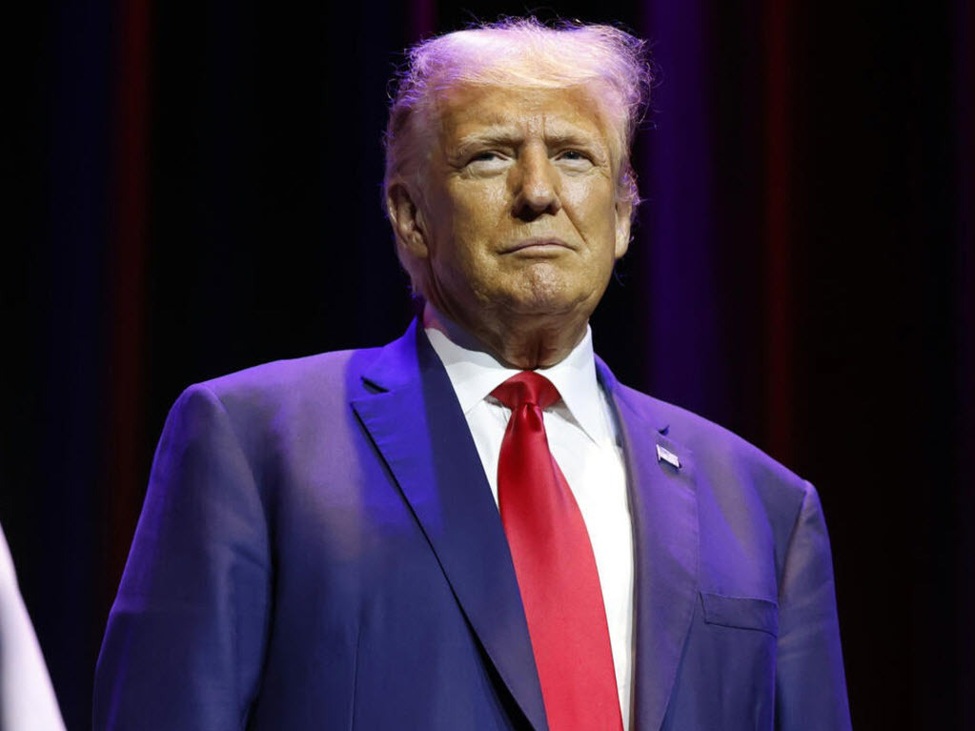
The US and China will hold high-level talks in Malaysia in the coming days, to pave the way for a smooth meeting between Trump and Xi next week. US trade representative Greer is already on his way to Kuala Lumpur while US Treasury secretary Bessent will be heading over soon just as well. Once there, they will be meeting up with China vice premier He Lifeng and the delegation from Beijing.Interestingly enough, Trump is also coming to visit. At first, it seemed like this would’ve been the meeting spot for him and Xi on the sidelines of the ASEAN Summit. But with China sending out their vice premier instead, there were still question marks surrounding Trump’s attendance even though it was confirmed by Malaysia’s own prime minister.But even with Xi’s absence, Trump is still feeling magnanimous enough to make the trip. So, what gives? This picture might be enough to tell you all you need to know:The thing about rare earth compounds is not so much the source but rather the processing capabilities. It’s environmentally challenging and damaging in general, making it tough for many countries to have them. Australian company Lynas has been running operations in Malaysia, having set up the largest rare earth processing facility outside of China. And that’s the main draw in all of this.Even if dwarfed by China, Malaysia still holds a ~13% share when the rest of the world ex China combined only holds a ~17% share of rare earth imports by the US. This does suggest that Trump might want to ensure this line of communication remains open as Beijing continues to threaten rare earth export controls in the trade war.This means that as small as a country that Malaysia is, it does hold some form of leverage against the US in negotiating its position on trade and other matters. So, we’ll have to see if Trump will seek to bring this issue up to offer something back to Malaysia as part of his visit.As a reminder, the US does not hold any exclusive rights to the rare earth compounds from Malaysia – which only allows for processed ones to be exported.Things are pretty much coming full circle for Malaysia and Lynas in this regard. For those unaware, the result of having this rare earth processing plant in Malaysia is itself a byproduct of geopolitical tensions – but between China and Japan. In turn, that led to Japan expanding their horizons in seeking a partnership with Australia but setting up shop in Malaysia instead.That serves as a reminder to the US that China’s tactics of halting rare earth exports is not something new, as Japan were the first ones to find that out. This article was written by Justin Low at investinglive.com. 🔗 Read Full Article 💡 DMK Insight The upcoming US-China talks in Malaysia could shake up market sentiment significantly. With trade tensions still a hot topic, any signs of progress or setbacks could lead to volatility in both forex and crypto markets. Traders should keep an eye on the USD/CNY exchange rate, as a stronger yuan could indicate easing tensions, potentially boosting risk assets like cryptocurrencies. Conversely, if talks falter, expect a flight to safety, which might negatively impact BTC and ETH prices. Watch for any statements or outcomes from these discussions, especially leading up to the Trump-Xi meeting next week, as they could set the tone for market movements in the short term. The real story here is how these geopolitical dynamics can create trading opportunities, particularly for those who can react quickly to news. Keep an eye on the USD/CNY level; a break above 6.50 could signal a stronger dollar, while a dip below 6.40 might indicate a bullish sentiment for risk assets. Timing is everything—be ready to adjust your positions based on the outcomes of these talks. 📮 Takeaway Monitor USD/CNY closely; a break above 6.50 could signal a stronger dollar, impacting crypto prices significantly.

Oil continues its resurgence this week, buoyed by US and EU sanctions against Russia
WTI crude oil is up 4% on the day to $61.75 and is nearly up 8% on the week now, as prices are showing a resurgence after having hit its lowest since May on Monday. This comes after the US announced sanctions against Russia’s two largest oil companies and the EU also announcing sanctions against two independent Chinese oil refineries, which have heavily contributed in helping Russia to circumvent previous sanctions.That’s all helping to see oil produce a strong rebound this week, with WTI crude oil now trading up to its highest in two weeks. In the bigger picture, the 100 (red line) and 200-day (blue line) moving averages will remain key ceilings for the price momentum to shake off the bearish momentum so far in 2H 2025. This article was written by Justin Low at investinglive.com. 🔗 Read Full Article 💡 DMK Insight WTI crude oil’s 4% jump to $61.75 signals a potential trend reversal worth watching. The recent sanctions against Russia’s major oil companies are a game changer, tightening supply and pushing prices higher. Traders should note that this week’s 8% increase suggests a bullish momentum shift, especially after hitting a low earlier in the week. If WTI can maintain above the $60 mark, it could attract more buying interest, potentially leading to a test of resistance around $65. Keep an eye on the broader energy sector, as rising oil prices often correlate with increased activity in related assets like energy stocks and ETFs. However, be cautious of volatility; geopolitical tensions can lead to sudden price swings. Watch for any further developments regarding sanctions or OPEC’s response, as these could impact market sentiment significantly. In the short term, monitor the $60 support level closely—if it holds, we might see a continuation of this bullish trend, but a drop below could signal a return to bearish sentiment. 📮 Takeaway Watch for WTI crude oil to hold above $60; a sustained breakout could target $65, influenced by geopolitical developments.

EURUSD Technical Analysis: The price is back at the key support zone
Fundamental OverviewThe USD has strengthened since Friday as Treasury yields bounced following some positive Trump’s comments on China. Overall, the US dollar performance has been mixed as markets have been driven by quick changes in risk sentiment given the lack of US data. On the domestic side, the US government shutdown continues to delay many key US economic reports. Tomorrow though, we will get the US CPI data since it’s crucial for social security benefits adjustment required by November. The dollar “repricing trade” needs strong US data to keep going, especially on the labour market side, so any hiccup on that front should keep weighing on the greenback. Since Trump’s threat of massive tariffs on China, the market pricing turned more dovish with 126 bps of easing seen by the end of 2026 (the Fed projected just 75 bps). Therefore, if we de-escalate further and the US data picks up, there’s plenty of room for the greenback to appreciate. On the EUR side, the single currency found some support last week as the French political risk eased after Lecornu survived the no-confidence vote. On the monetary policy side, nothing has changed. The ECB is not expected to adjust rates for a long time unless we get significant deviation from their inflation target. In fact, the vast majority of ECB members is comfortable with the current rate setting and will not respond to small or short-term deviations from their target barring a clear shock in the economy.EURUSD Technical Analysis – Daily TimeframeOn the daily chart, we can see that EURUSD rolled back to the key support zone around the 1.1573 level. This is where we can expect the buyers to step in with a defined risk below the support to position for a rally back into the 1.18 handle. The sellers, on the other hand, will want to see the price breaking lower to increase the bearish bets into the 1.14 handle next.EURUSD Technical Analysis – 4 hour TimeframeOn the 4 hour chart, we can see more clearly the recent price action with the euro appreciating on lower French political risk and then giving back everything as the US dollar strengthened after Trump’s comments. There’s not much else we can add here as the buyers will look for a bounce around the support, while the sellers will target a breakout.EURUSD Technical Analysis – 1 hour TimeframeOn the 1 hour chart, we can see that we might be forming a range at the support zone with the minor resistance standing around the 1.1620 level. As a reminder, we have the US CPI and US Flash PMIs tomorrow, so there’s a risk of seeing some fakeouts. The red lines define average daily range for today. Upcoming CatalystsTomorrow we will get the US CPI report, and the Eurozone and US Flash PMIs. This article was written by Giuseppe Dellamotta at investinglive.com. 🔗 Read Full Article 💡 DMK Insight The USD’s recent strength signals shifting risk sentiment, and here’s why that matters: With Treasury yields bouncing back, traders should keep an eye on how this affects forex pairs, especially USD/JPY and EUR/USD. A stronger dollar often leads to a sell-off in commodities and can impact crypto markets too, as investors might shift towards safer assets. The lack of significant US data means volatility could spike unexpectedly, so watch for sudden moves in response to geopolitical news or economic indicators. If the USD continues to gain, it could test resistance levels against major currencies, which might trigger further selling pressure in riskier assets like cryptocurrencies. But don’t overlook the flip side: if risk sentiment shifts back to favoring equities or crypto, the dollar could weaken again, leading to potential buying opportunities in those markets. Keep an eye on the 10-year Treasury yield; a break above recent highs could further bolster the dollar, while a retreat might signal a reversal. Watch for any upcoming economic reports that could shift this dynamic. 📮 Takeaway Monitor the 10-year Treasury yield closely; a break above recent highs could strengthen the USD further, impacting forex and crypto markets significantly.